







Search Results for: Import Rights in Japan
Why is Jamaican Blue Mountain Coffee exported in large quantities to Japan? Front Street Blue Mountain No. 1 brewing details and flavor analysis
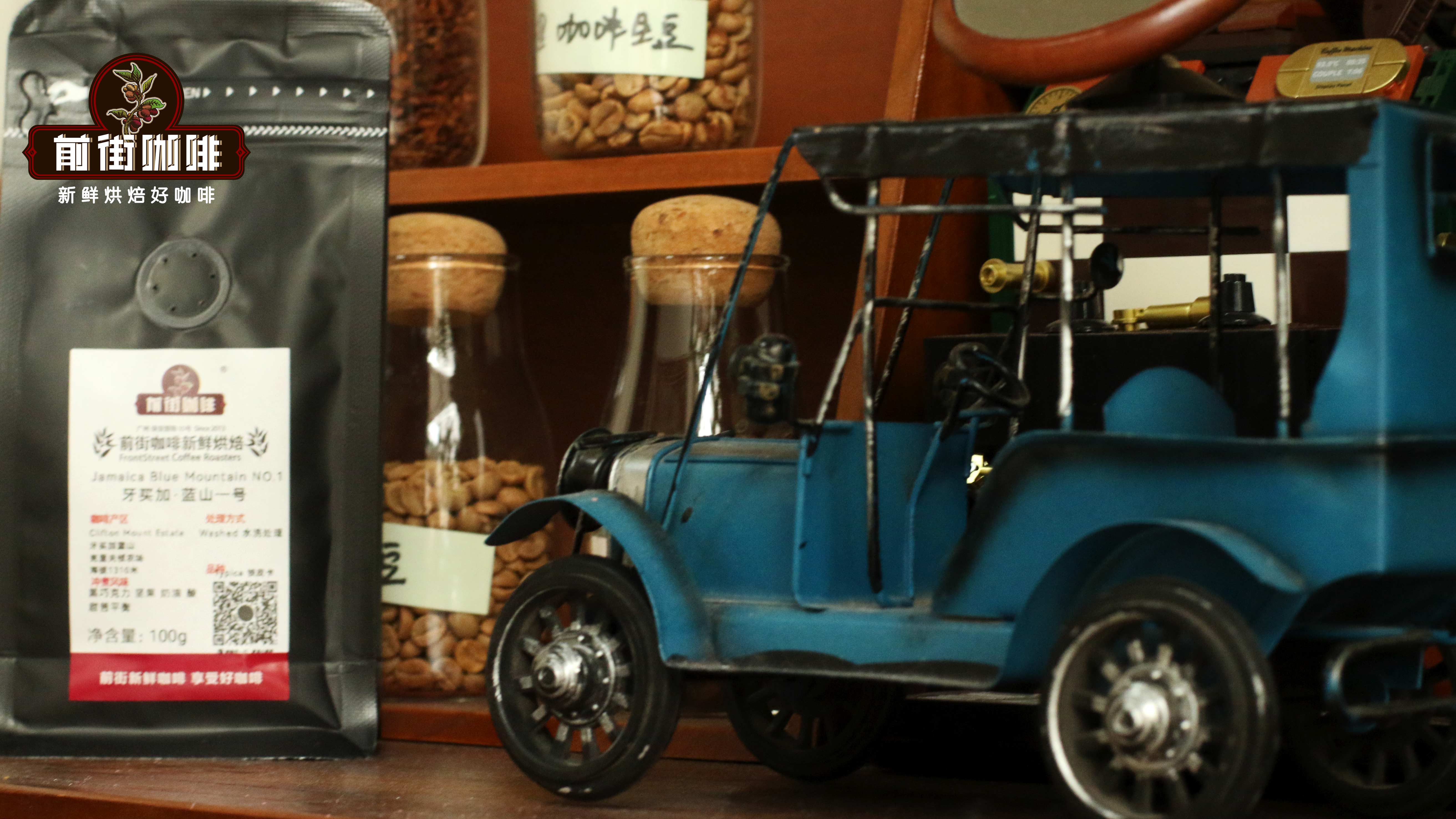
Jamaican Blue Mountain coffee is renowned worldwide for its nearly perfect balance of acidity, sweetness, bitterness, and body, commanding a high price yet still unable to meet demand. Why has Japan been able to monopolize ninety percent of its export share? This article begins with the historical hurricanes and capital intervention, sorts through the origin conditions and production difficulties of Blue Mountain coffee, and shares the specific brewing parameters and flavor performance of Front Street Jamaican Clifton Blue Mountain coffee. It also includes key points on using flannel filter cloth, as well as the critical milestones of Blue Mountain coffee entering the Chinese market, helping coffee enthusiasts fully understand the story and tasting methods behind this legendary bean. [more…]
How much does Jamaican Blue Mountain coffee cost domestically? A comprehensive interpretation from price characteristics to authenticity identification
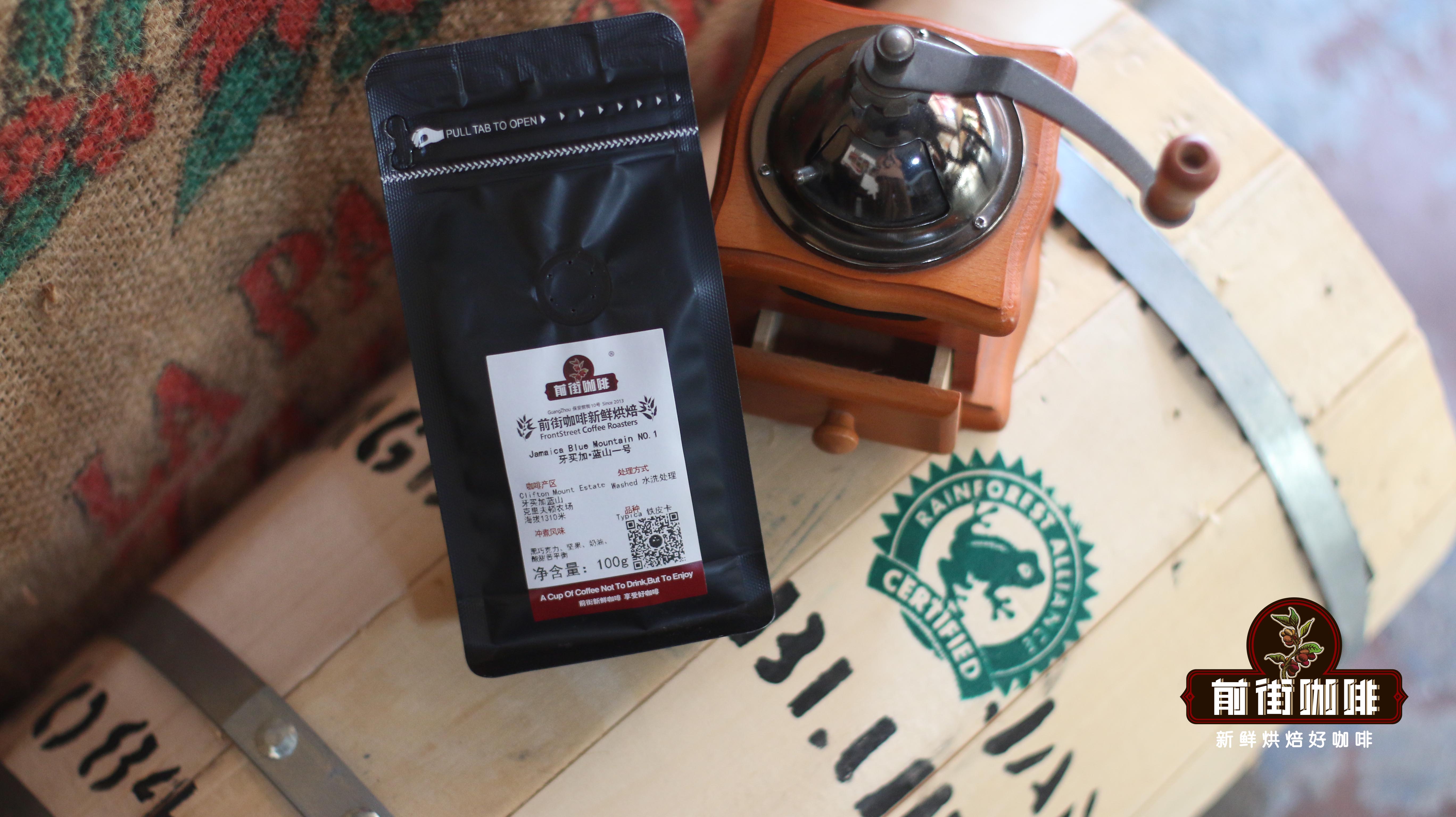
Blue Mountain coffee, once hailed as the "Hermès" of the coffee world, still captivates many coffee lovers to this day. However, outdated claims about its price, origin, and authenticity continue to circulate. Front Street recently heard veteran enthusiasts still insisting that Japan monopolizes Blue Mountain, that No. 1 beans can't be bought domestically, and even that a genuine cup of Blue Mountain could never cost less than 200 yuan. Is that really true? This article will sort it all out from the beginning: what qualifies as authentic Blue Mountain, CIB's strict grading, the evolution of domestic import channels, and the real pricing logic behind the Clifton Farm Blue Mountain coffee sold by Front Street—helping you clear the fog and view Blue Mountain's price and value rationally. [more…]
An Analysis of Jamaican Blue Mountain Coffee Bean Prices: How Much Does Authentic Blue Mountain Cost per Jin in China?
Blue Mountain coffee is hailed as the Hermès of the coffee world, but when it comes to its price and authenticity, plenty of outdated and even erroneous information circulates among enthusiasts. Some say Japan has monopolized Blue Mountain and that No. 1 beans are impossible to find domestically; others believe that authentic Blue Mountain costs no less than 300 yuan per cup. What is the truth? This article will start with Blue Mountain coffee's definition of origin, grading system, and import history, combine Front Street Coffee's actual purchasing experience, calculate the real price of Blue Mountain coffee beans for you, and share methods for identifying genuine Blue Mountain. If you also love Blue Mountain's balanced, mellow flavor, it is worth a read. [more…]
How much is a cup of Blue Mountain coffee? Can Blue Mountain flavor coffee be equated with authentic Jamaican Blue Mountain No. 1?
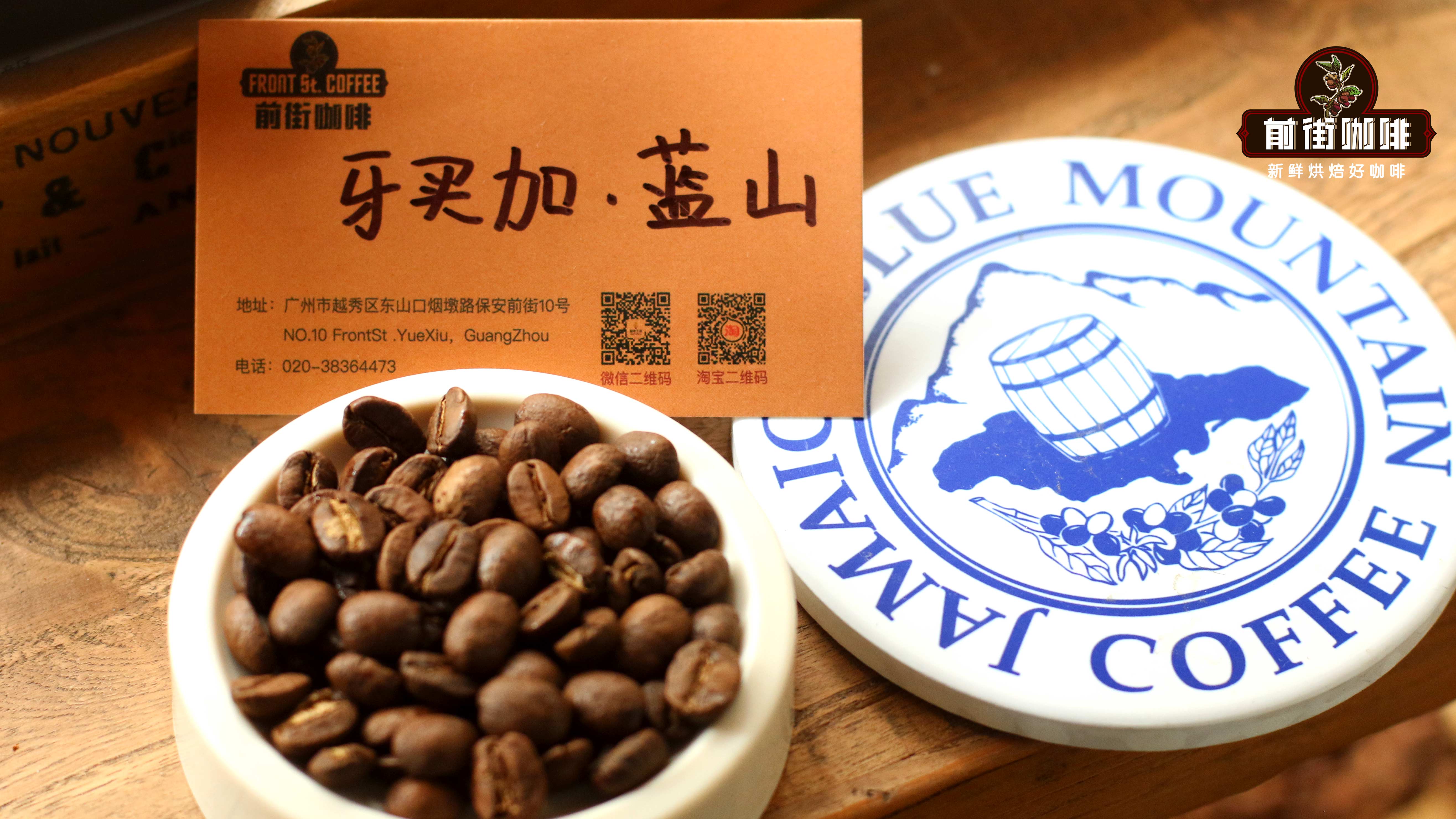
Blue Mountain coffee is often labeled as "expensive" and "rare," but is that really the case? This article starts with the historical background of Blue Mountain coffee, tracing the rise and fall of Japan's former priority purchasing rights and how market supply changed after that arrangement ended in 2012. At the same time, the article will clearly distinguish between authentic Jamaican Blue Mountain No. 1 and the "Blue Mountain flavor" and "Blue Mountain blend" products on the market, and introduce Blue Mountain No. 1's growing region, grading standards, and green bean certification methods. Front Street Coffee (FrontStreet Coffee) uses Clifton Estate Blue Mountain No. 1, sold at 158 yuan/100g, with a cost of about 60 yuan per cup. At the end of the article, Front Street's recommended pour-over parameters and pouring technique are also included to help readers brew a cup of Blue Mountain coffee with balanced acidity, sweetness, and bitterness, and a rich, smooth body. [more…]
An Analysis of the Market Price of Authentic Jamaica Blue Mountain No. 1 Coffee Beans and a Reference Guide to Imported Brand Prices
Blue Mountain coffee, as the starting point for many people's introduction to specialty coffee, has long been regarded as synonymous with high-end coffee. However, after the Jamaican government abolished Japan's priority purchasing rights in 2012, the international market price of Blue Mountain coffee is no longer prohibitively high. This article will systematically review the producing region characteristics, grading standards, varieties, and processing methods of Blue Mountain coffee, and, combined with the import examples of FrontStreet Coffee, analyze the real selling price and brewing suggestions of authentic Blue Mountain No. 1 coffee beans, helping coffee enthusiasts establish a clear understanding of pricing and a reference for purchasing. [more…]
Which country does Jamaican Blue Mountain coffee come from? A full analysis of growing conditions, flavor characteristics, and authenticity identification
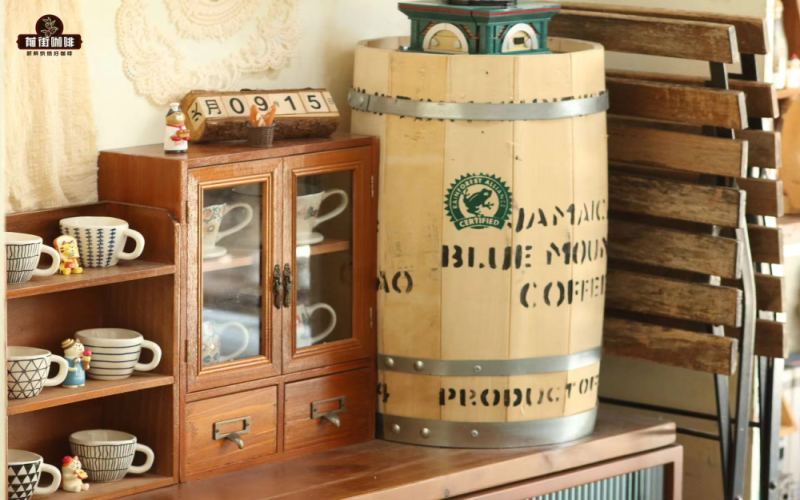
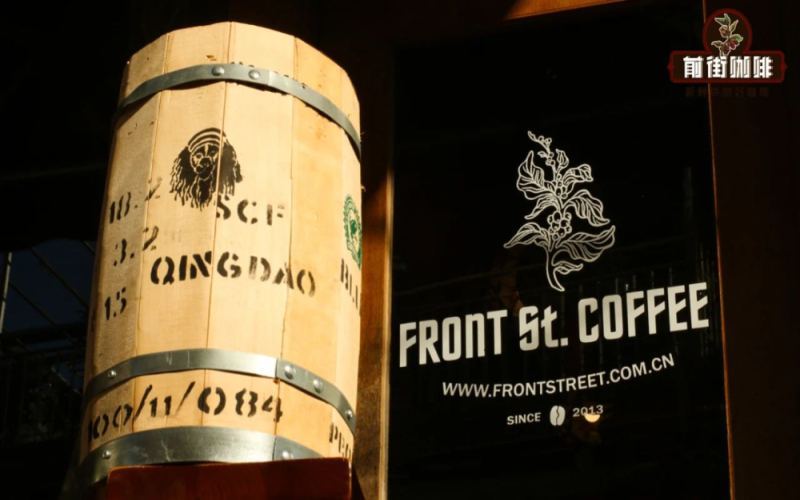
Blue Mountain coffee is one of the finest representatives of high-quality coffee. It is produced in Jamaica's Blue Mountains, where a cool and misty climate, fertile volcanic soil, and the Typica variety combine to create a classic flavor profile with balanced acidity, sweetness, and bitterness, and a clean, mellow character. Front Street Coffee sells washed Blue Mountain coffee beans grown at 1310m on Clifton Estate; after medium-dark roasting, they present rich dark cocoa, subtle fruity acidity, and a pronounced sweet aftertaste. Why is Blue Mountain coffee so expensive? Japan's long-term investment and preferential purchasing rights, the impact of hurricanes, labor costs, and the difficulty of mechanizing terraced fields are all important reasons. Jamaica also insists on packaging and transporting the coffee in wooden barrels of 15, 30, and 70 kilograms, and it must obtain a quality certification certificate from the Coffee Industry Board. Front Street Coffee also shares methods for identifying authentic Blue Mountain coffee: look for whole wooden barrels, apply for certification documents, and observe whether the roasted beans are uniform and plump. This article also compiles brewing suggestions and extraction parameters for Blue Mountain coffee to help coffee lovers recreate the classic Blue Mountain flavor. [more…]
Jamaica Blue Mountain Coffee Variety Grading, Famous Estates, and Brand Buying Guide
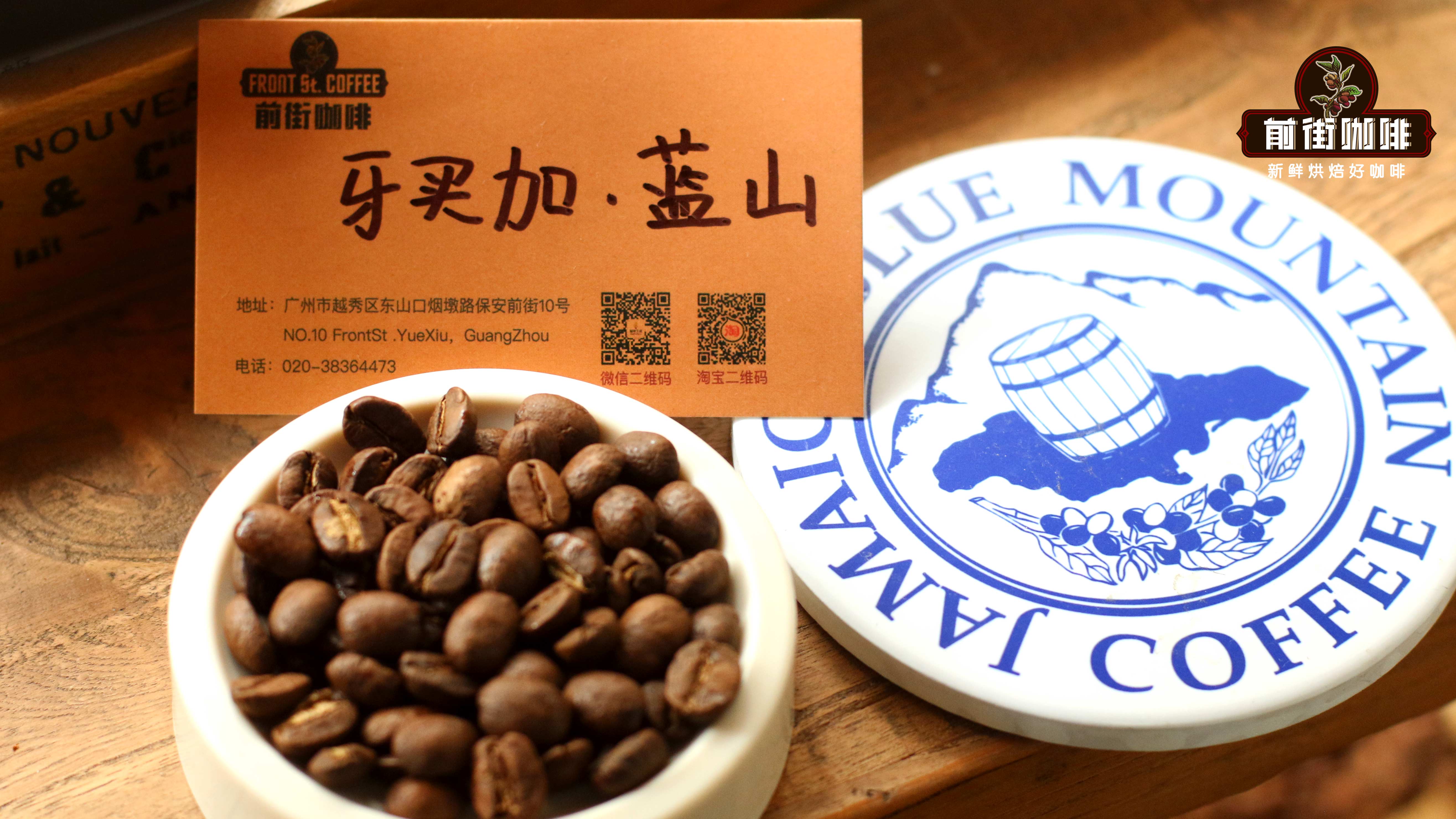
Jamaican Blue Mountain coffee is hailed as one of the most balanced coffees in the world, with its sweetness, acidity, and bitterness blending seamlessly, carrying almost no bitterness and only a very slight acidity. Front Street Blue Mountain coffee fully inherits these fine qualities and is suitable for extraction by pour-over. This article will systematically sort out the variety and grading system of Blue Mountain coffee, its main producing regions and representative estates, the evolution of import channels in China, and the key points for distinguishing genuine Blue Mountain coffee, while also introducing Front Street brand's practical experience in sourcing and recommending Blue Mountain coffee, to help coffee lovers gain a comprehensive understanding of this legendary coffee. [more…]
Where is Jamaican Blue Mountain Coffee Produced? A Full Analysis of Flavor Characteristics, Price Factors, and Authenticity Identification
Blue Mountain coffee has long been regarded as a classic representative of specialty coffee. It is produced in the Blue Mountains of Jamaica, and thanks to its unique climate, volcanic soil, and Typica variety, it presents a clean flavor with a highly balanced interplay of acidity, sweetness, and bitterness. This article will systematically sort out the core knowledge about Blue Mountain coffee from the perspectives of the producing environment, the reasons for its high price, green bean processing and wooden barrel packaging, methods for identifying authenticity, and Front Street Coffee’s roasting recommendations and pour-over parameters, helping coffee lovers gain a comprehensive understanding of this legendary coffee and avoid pitfalls when purchasing so they can enjoy its authentic flavor. [more…]
A Comprehensive Analysis of Jamaican Blue Mountain Coffee Beans: Origin, Varieties, Grading, Roasting and Brewing Characteristics, Prices, and Stories
Blue Mountain coffee is an extremely well-known name in the coffee world, but few people truly understand it. Jamaica has strict production-area restrictions on the naming of Blue Mountain coffee: only coffee grown within designated altitude ranges in the Blue Mountain range can bear the name Blue Mountain, and Blue Mountain No. 1 is the most strictly graded tier among them. This article will systematically sort out the full picture of Blue Mountain coffee from multiple angles, including production area scope, variety characteristics, grade classification, certification marks, the historical causes of its price, and roasting and brewing suggestions, helping coffee lovers make more accurate judgments when purchasing. The article also retains Front Street Coffee's recommendation information about Blue Mountain No. 1 coffee beans, including Clifton estate products, roast levels, and brewing parameters and other practical content. [more…]
Blue Mountain, Geisha, and Kopi Luwak: An Analysis of the Flavor Characteristics and Price Factors of Three Renowned Coffees
Jamaica Blue Mountain, Panama Geisha, and Indonesian Kopi Luwak are arguably the three most talked-about coffee beans in the coffee world. Each has a completely different story of terroir and processing method, which creates striking differences in both flavor expression and market price. This article will examine the origin environment, variety characteristics, and processing techniques of these three coffees one by one, breaking down exactly why they are so expensive and what makes their flavors so unique. At the same time, drawing on Front Street Coffee's cupping experience and product recommendations, it offers coffee lovers a reference guide that is both informative and practical. [more…]
A Complete Guide to Jamaican Blue Mountain Coffee Beans: Regional Characteristics, Grading, Pricing Factors, and Pour-Over Parameters
What exactly is Blue Mountain coffee? Why do some cafés sell it at a less-than-exorbitant price, while others charge an outrageous fortune? This article systematically sorts out the core knowledge of Jamaican Blue Mountain coffee beans, from the definition of the origin, grading classifications, and variety characteristics to the historical causes of its price and brewing parameters. It also explains how to identify authentic Blue Mountain through wooden barrel packaging and export certificates, introduces the differences between the washed and natural versions from Clifton Estate, and shares Front Street Coffee's medium-dark roast recommendations and Kono dripper brewing method, helping coffee enthusiasts build a complete understanding of Blue Mountain coffee. [more…]
Jamaica Blue Mountain No. 1 Coffee Beans: Price Analysis, Authenticity Guide, and Brewing & Flavor Guide
Blue Mountain coffee is hailed as a legend in the coffee world, but genuine Jamaican Blue Mountain No. 1 is actually quite scarce on the market, and its price is equally intriguing. This article takes a deep dive into the reasons behind Blue Mountain coffee's high cost, including the history of Japan's long-standing monopoly and the current scarcity of production, and teaches you how to identify authentic Blue Mountain No. 1 through certificates, price, and bean appearance. At the same time, Front Street Coffee will share brewing suggestions for Blue Mountain No. 1 beans sourced from Clifton Farm, including parameters such as the Kono dripper, 88°C water temperature, and three-stage pouring, helping you brew a cup of authentic Blue Mountain coffee at home with a balanced acidity, sweetness, and bitterness, and a clear yet full-bodied flavor. Whether you are a coffee enthusiast or a beginner just getting started, you can gain practical knowledge and techniques from it. [more…]
A Complete Guide to Authentic Jamaican Blue Mountain No.1 Coffee Beans: Brand Selection, Flavor Profile, Roasting, and Brewing
Blue Mountain coffee was once one of the most expensive and talked-about coffees in the world, selling for as much as US$35 per pound over a decade ago, and even people who don't drink coffee have heard of it. The fundamental reason for its high price is that authentic Blue Mountain coffee beans are extremely scarce. True Blue Mountain coffee must be grown in the Blue Mountains of Jamaica at elevations above 910 meters, and the variety must be the ancient Typica, with an annual output of only about 300 to 600 tons. This article will begin with the origin certification, historical background, and key points for choosing Blue Mountain coffee brands, then focus on the Clifton Mount Estate Blue Mountain No. 1 currently sold by Front Street Coffee, and share in detail its roasting approach and pour-over parameters, helping coffee lovers gain a comprehensive understanding of the taste and mouthfeel of authentic Blue Mountain coffee. [more…]
A Guide to Authenticating Jamaican Blue Mountain Coffee: Origins, Grades, Pricing Insights, and Characteristics of the Genuine Article
Blue Mountain coffee is hailed as the pinnacle of the coffee world, but the market is full of imitations and it is hard to tell genuine from fake. What exactly is authentic Jamaican Blue Mountain coffee? Why does it sell for such a high price? And what is the truth behind the rumors of a Japanese monopoly? Starting from the growing environment, official definition standards, and historical price factors of Blue Mountain coffee, this article systematically sorts out the aroma, flavor characteristics, certificates, and packaging marks of genuine Blue Mountain coffee. Combined with specific product information on Front Street Blue Mountain No. 1, it teaches you step by step how to identify real Blue Mountain coffee beans and avoid falling into traps and wasting money. [more…]
A Comprehensive Analysis of Jamaican Blue Mountain Coffee Beans: Flavor, Taste, Brands, Prices, and Authenticity Identification
Blue Mountain coffee originates from the high-altitude regions of the Blue Mountains in eastern Jamaica. It is named after the blue glow reflected off the Caribbean Sea. It belongs to the same system as Jamaica High Mountain coffee, but the two differ in grade. This region has volcanic-rich soil, a tropical climate with year-round fog and rain, and the pure Typica variety introduced in the 18th century along with early wet-processing methods, all of which create the classic Blue Mountain flavor with its balance of sweetness, acidity, and bitterness. At present, most Blue Mountain coffee circulating on the market is consumed by markets such as Japan, Europe, the United States, and China. The Jamaica Coffee Industry Board (CIB) controls exports through mechanisms such as quality standards, authorization certificates, and certificates of origin. This article will provide coffee lovers with a complete overview of this legendary coffee from aspects including the characteristics of its origin, the appearance and flavor of Front Street Blue Mountain coffee, key points for identifying authenticity, the reasons for choosing Clifton Farm, and the price of Blue Mountain coffee. [more…]
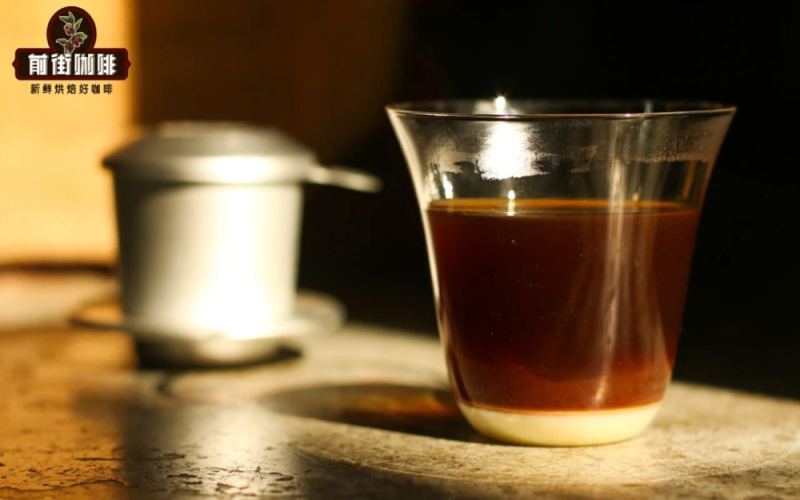
An Overview of Vietnamese Coffee Flavor Characteristics and Mainstream Brands, with a Guide to Recommended Vietnamese Coffee Beans
Vietnam is the world's second-largest coffee producer, and its coffee culture blends French romance with local charm, forming a unique drip brewing method and rich flavor. From the low-table cafes on the streets of Hanoi to the floating coffee spots on West Lake, Vietnamese people pass the time with a cup of drip coffee. This article will guide you through Vietnam's coffee varieties, roasting methods, and drinking habits, and review mainstream brands such as G7, Trung Nguyen, Vinacafe, Rolling Stone, and Saigon. Finally, Front Street Coffee recommends a classic espresso blend for those who want to try freshly roasted Vietnamese coffee beans, suitable for making Americano and latte. [more…]
What is the English name of Jamaican Blue Mountain Coffee? How to Identify Authentic Blue Mountain Coffee Beans and Their Prices
Blue Mountain Coffee, known in English as Blue Mountain Coffee, originates from the high-altitude regions of Jamaica's Blue Mountains and is one of the most sought-after coffees in the world. This article provides a comprehensive introduction to Jamaican Blue Mountain Coffee from the perspectives of its growing environment, historical background, varieties and processing methods, and market distribution, with particular emphasis on how to distinguish authentic Blue Mountain coffee beans from counterfeit ones through three key points: the exporting company, barrel packaging, and certification certificates. At the same time, the article retains Front Street Coffee's brand recommendations and product information, including the flavor characteristics of Front Street washed Blue Mountain Coffee and the price of Front Street Blue Mountain No. 1 coffee beans, helping coffee enthusiasts gain a clearer understanding of this legendary coffee. [more…]
The Complete Guide to Jamaican Blue Mountain Coffee: Origin of the Name, Terroir, and How to Identify Authentic Beans
Why has Blue Mountain coffee become a legend in the coffee world? Its name comes from the blue radiance reflected off the Caribbean Sea, while its quality benefits from the high-altitude volcanic soil and the humid, foggy climate of eastern Jamaica. From the Typica variety introduced in the 18th century, to the government-led coffee revival plan in the 1950s, to Japan's long-term contracting and today's direct trade with the Chinese market, the identity of Blue Mountain coffee has always been closely tied to scarcity and strict certification. This article will systematically sort out the origin, meaning of the name, and processing methods of Blue Mountain coffee, and focus on how to distinguish genuine Blue Mountain coffee through three key points: the export company, barrel packaging, and authorization certificates. At the same time, the article will retain the Blue Mountain coffee product information recommended by the Front Street brand to help coffee lovers make clearer judgments when purchasing. [more…]
Where Does Vietnamese Coffee Flavor Come From? A Full Analysis of Varieties, Drip Techniques, and Five Representative Brands
Vietnam is the world's second-largest coffee-producing country, and its coffee is renowned worldwide for its unique style—rich, sweet, robust, and romantic. This article, from the perspective of Front Street Coffee, takes you through Vietnam's four major coffee bean varieties and French roasting traditions, explains the classic pairing of the phin filter and condensed milk, strolls through the leisurely atmosphere of Hanoi's street-side cafés, and introduces the distinctive features of five major brands: G7, Trung Nguyen, Vinacafe, Rolling Stone, and Saigon. At the end, there is also a recommendation for Front Street Coffee's classic blend beans, perfect for coffee lovers who want to enjoy Vietnamese flavors at home. [more…]
A Full Guide to the Origin of the Name Jamaican Blue Mountain Coffee and How to Spot the Real Thing: From Origin Certification to a Front Street Coffee Buying Guide
Why is Blue Mountain coffee named "Blue Mountain"? What makes it the second most expensive coffee in the world? This article begins with the geography of Jamaica's Blue Mountain range, tracing the origin of the name Blue Mountain coffee, the growing conditions of its production area, the advantages of the Typica variety and the washed process, the history of Japan's long-standing monopoly on the market, and the certification system of the Jamaica Coffee Industry Board (CIB). At the same time, the article breaks down in detail how to identify borderline products on the market such as "Blue Mountain flavor" and "Blue Mountain blend," introduces the three key points for identifying authentic Blue Mountain coffee—designated export companies, barrel-packed green beans, and authorization certificates—and, drawing on Front Street Coffee's sourcing examples, explains why Clifton Farm was chosen, as well as the current actual price range of Blue Mountain coffee, helping coffee lovers buy genuine Jamaican Blue Mountain. [more…]