







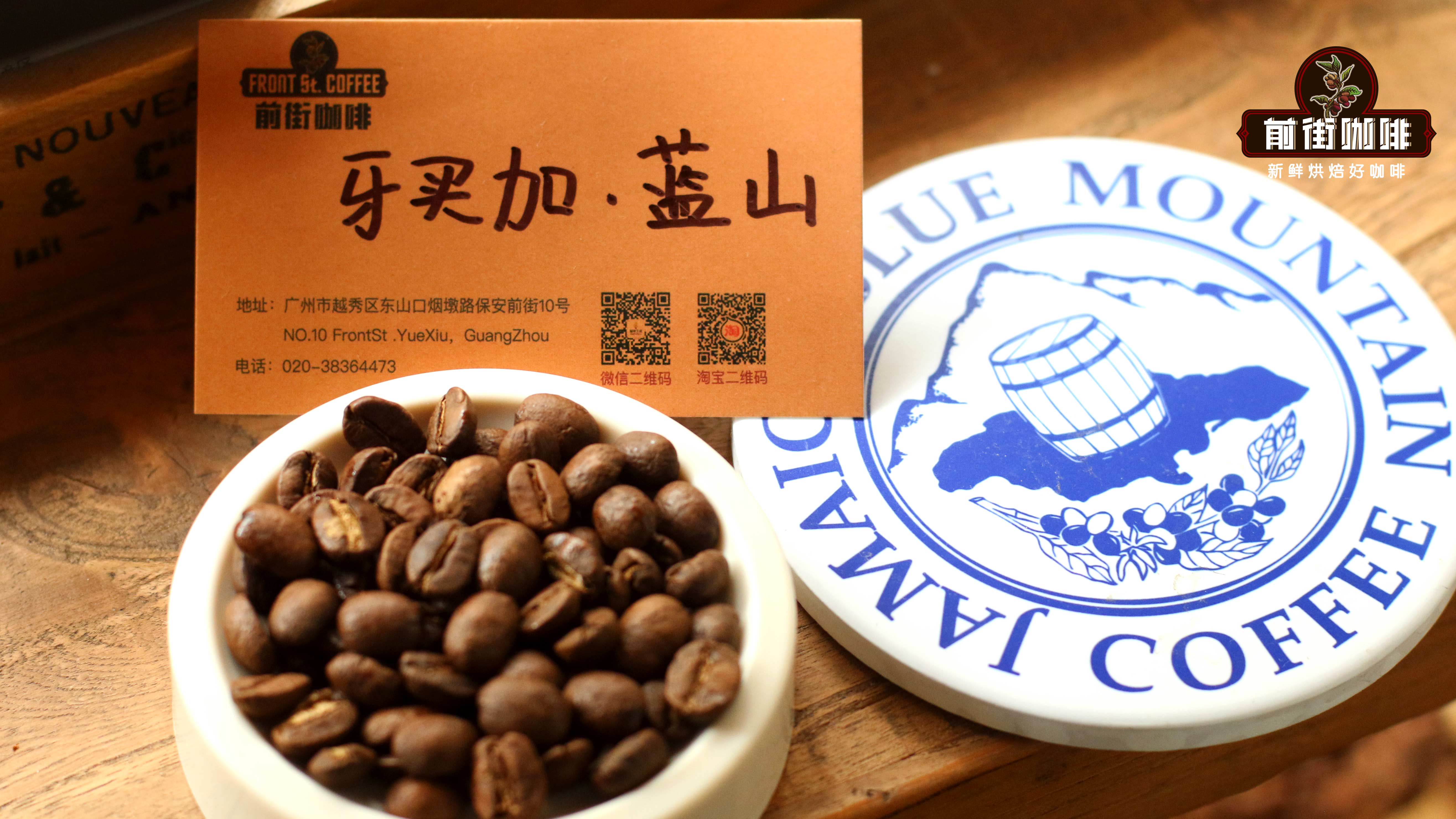
Why has Blue Mountain Coffee become a legend in the coffee world? Its name comes from the blue glow reflected off the Caribbean Sea, while its quality benefits from the high-altitude volcanic soil and the humid, foggy climate of eastern Jamaica. From the Typica variety introduced in the 18th century, to the government-led coffee revival plan in the 1950s, to Japan's long-term contracting and today's direct trade with the Chinese market, Blue Mountain Coffee's identity has always been closely tied to scarcity and strict certification. This article will systematically sort out the origin of Blue Mountain Coffee, the meaning of its name, and its processing methods, and will focus on how to distinguish authentic Blue Mountain Coffee through three key points: the export company, barrel packaging, and authorization certificates. At the same time, the article will retain the Blue Mountain Coffee product information recommended by the Front Street brand to help coffee lovers make clearer judgments when purchasing.
Introduction to the Origin of Blue Mountain Coffee
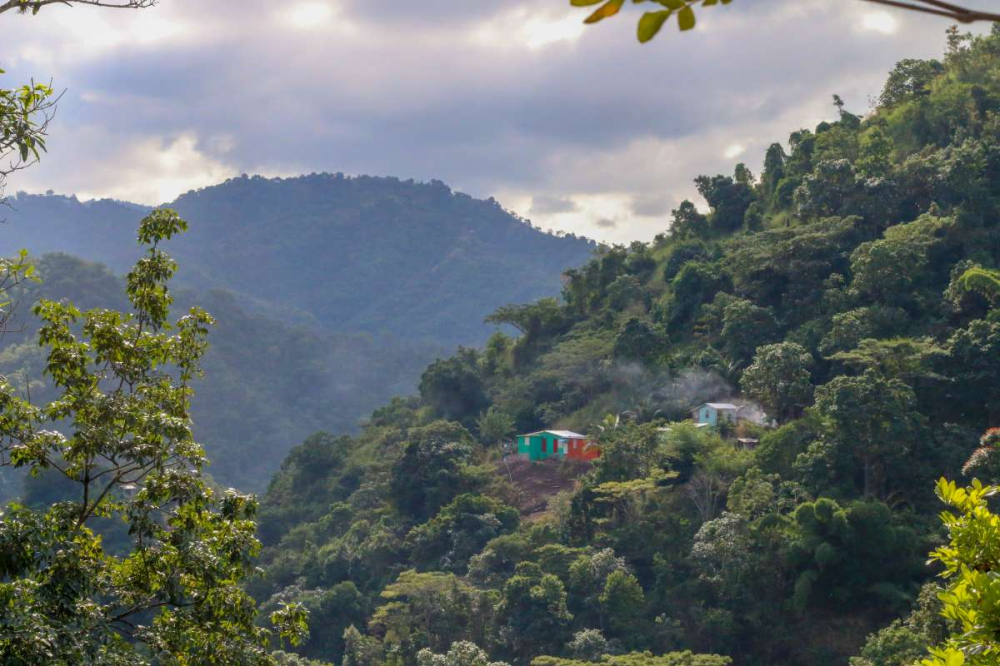
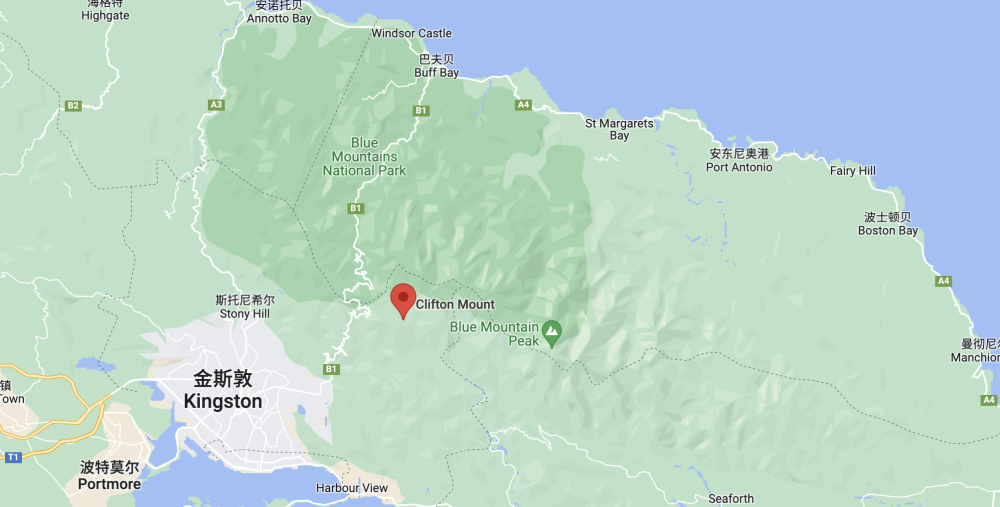
Blue Mountain Coffee refers to coffee brewed from coffee beans grown in the high-altitude Blue Mountain region of Jamaica. According to quality tiers, it can also be divided into Jamaican Blue Mountain Coffee and Jamaican High Mountain Coffee. The Blue Mountain range is located in eastern Jamaica. When the weather is clear, sunlight shines directly onto the azure Caribbean Sea, and the peaks reflect the sea's shimmering blue radiance, which is how Blue Mountain got its name. The highest peak of Blue Mountain is 2,256 meters above sea level, making it both the highest point in the Caribbean region and a famous tourist destination.
This region is located in an earthquake zone, with fertile volcanic soil, clean and pollution-free air, and a humid climate with frequent fog and rain throughout the year. The average annual rainfall is about 1,980 millimeters, and the temperature remains around 27 degrees. It is precisely these natural conditions that have produced the world-renowned Jamaican Blue Mountain Coffee and made it the second most expensive coffee in the world, after Kopi Luwak.
Characteristics of Front Street Jamaican Blue Mountain Coffee
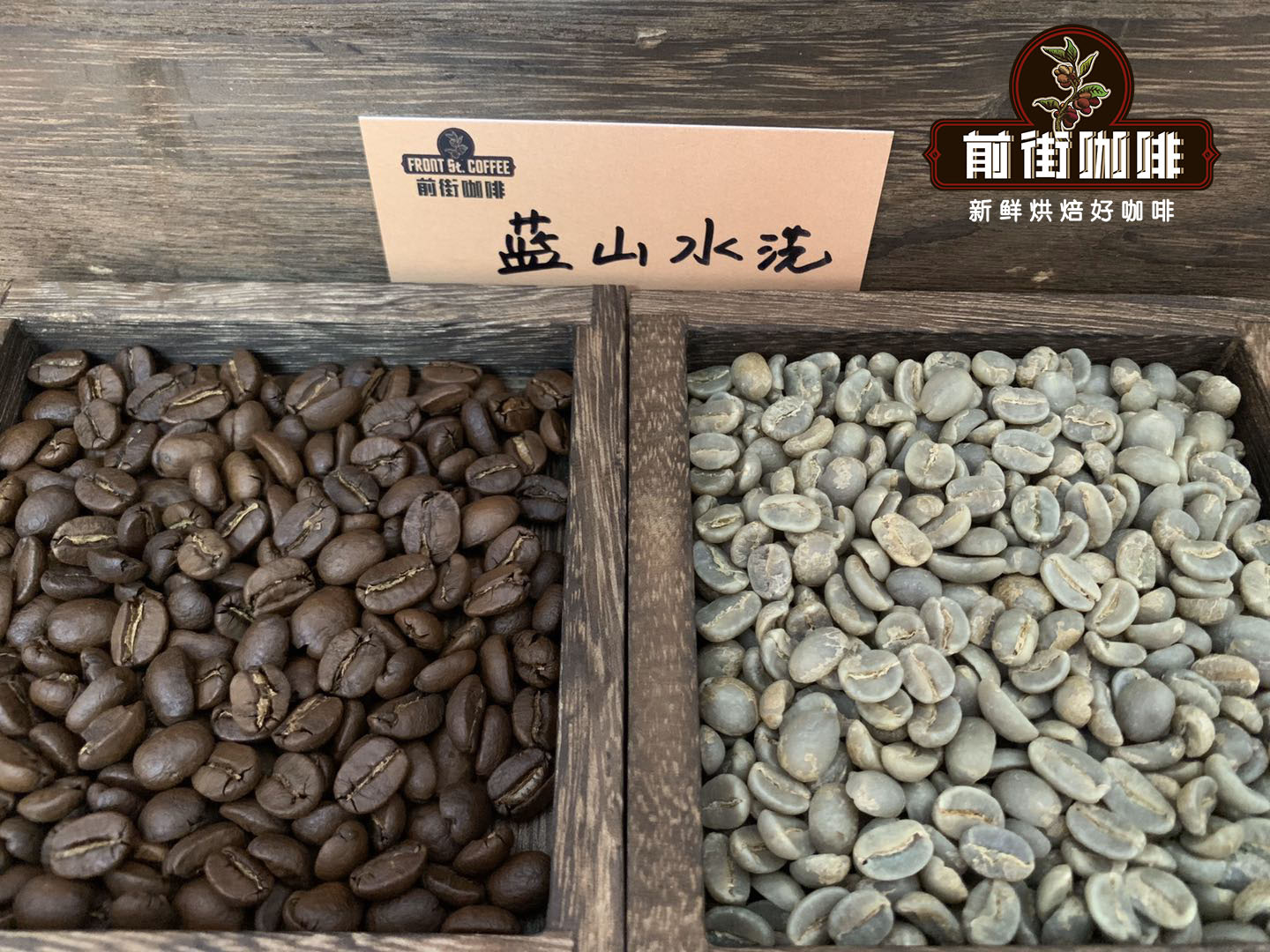
Front Street Blue Mountain coffee beans are of very high quality. Visually, every bean is plump, uniform, and large, which is very beneficial for roasting. Taking Front Street washed Blue Mountain Coffee produced by Front Street as an example, the roasted beans have a consistent color and carry obvious aromas of toasted bread and roasted almonds. The taste is rich and mellow, with the sweetness, acidity, and bitterness balanced just right. It is neither sour nor bitter on the palate and goes down very smoothly.
These achievements can be traced back to the coffee revival plan implemented by the Jamaican government in the 1950s.
In 1950, the Jamaican government established the Jamaica Coffee Industry Board, responsible for setting quality standards for Jamaican coffee and supervising their implementation to ensure coffee quality. The board issued specially made official seals for exported green beans and roasted beans, and used Japanese loans to improve production quality, thereby stabilizing the market.
In terms of cultivation, Jamaica grows the pure Typica variety introduced in the 18th century. Because Jamaica is an island environment with relatively little contact with the outside world, it successfully avoided the global coffee leaf rust epidemic of the 19th century, allowing local Typica coffee trees to be preserved. In terms of processing, Jamaica was one of the earliest regions to adopt washed processing technology. Washing can greatly improve coffee quality, which is also one of the reasons why Jamaican Blue Mountain coffee beans are outstanding in quality.
Because Japan has long invested in Jamaica's coffee industry, most Blue Mountain Coffee is controlled by Japanese interests, and they also obtained priority purchasing rights for Blue Mountain beans. In 1992, Jamaica sold 688 tons of Blue Mountain Coffee to Japan, 75 tons to the United States, and 59 tons to the United Kingdom. At one point, a situation formed in the market where "90% of Blue Mountain coffee beans were contracted by the Japanese, and other places could only obtain 10% of Blue Mountain," so regardless of price, Blue Mountain Coffee was always in short supply. For the Japanese, their love for Blue Mountain remains fervent. Even on Blue Mountain coffee farms in Jamaica, the presence of Japan's UCC can often be seen.
After the contracts between the two sides expired, it coincided with the global economic crisis, Japan's economic downturn, and declining purchasing power. In addition, Jamaican coffee farmers were unwilling to continue having the market monopolized by Japanese merchants, so they significantly raised the prices of green coffee beans. At present, the amount of Jamaican Blue Mountain Coffee purchased by Japan has dropped from the previous 90% to less than 60%. Today, with coffee culture flourishing, our country has long been able to import Blue Mountain coffee beans directly from Jamaica.
How to Identify Authentic Blue Mountain Coffee Beans?
Blue Mountain Coffee holds an extremely high status in the coffee world, so a large number of counterfeit Blue Mountain-style coffees have appeared on the market. You may have drunk Blue Mountain Coffee, but true Blue Mountain Coffee is actually very difficult to identify.
Front Street concludes that fake Blue Mountain on the market generally falls into two situations. The first is name edge-balling. This type of coffee is usually labeled as "Blue Mountain Flavor Coffee," "Blue Mountain Blend Coffee," "Blue Mountain Mixed Coffee," and so on. Seeing such names is enough to judge it as fake Blue Mountain, usually impersonated with coffee beans from Brazil, Colombia, or Indonesia.
The second is genuine counterfeit goods, using non-Blue Mountain coffee beans to pass off as Blue Mountain coffee beans. Strictly according to CIB standards, only coffee grown above 910 meters (3,000 feet) in elevation can be called Jamaican Blue Mountain Coffee, and it must be centrally purchased and processed through the 4 legally designated estates certified by the Jamaica Coffee Industry Board (CIB) before it can be called Blue Mountain coffee beans. Even worse is using other coffee beans as Blue Mountain beans. A milder case is using coffee from origins outside the core Jamaican Blue Mountain area to impersonate Blue Mountain coffee beans. In such cases, you need to check the certification.
The following three key points can be used to judge: the export company designated by the National Coffee Board, the only production region that uses wooden barrels for green beans, and authorization certificate certification.
1. True Blue Mountain Coffee is exported by an export company designated by the National Coffee Board.
Some authentic Blue Mountain NO.1 in the Chinese market is mainly exported to China by Japan, Australia, and Europe through directly operated branches. In 2013, according to International Coffee Organization (ICO) statistics, Japan accounted for 85% of the allocation, while the United States, Europe, and other countries each accounted for 5%.
ICO statistics show that China accounts for 15% of Blue Mountain Coffee consumption. It is worth noting that the limited Blue Mountain NO.1 is mostly allocated to Japan, the United States, and Europe. Among them, because Japan invested in Jamaica's coffee industry, most Blue Mountain Coffee was bought out by Japan. In 1992, Jamaica sold 688 tons of Blue Mountain Coffee to Japan, 75 tons to the United States, and only 59 tons to the United Kingdom.
In 2005, Jamaica's Minister of Agriculture announced that Blue Mountain Coffee should remain in Jamaica for roasting, so it was directly allocated through quotas, tending to flow directly from Jamaica to consuming countries. This allocation system was recognized by the Jamaica Coffee Board (CIB). (ps: CIB board members are estate owners in Jamaica with estates above a certain scale.)
In addition, the officially registered logo of the Jamaica Coffee Board is used for certification and inspection of exported Jamaican Blue Mountain Coffee, and the BLUEMOUNTAINCOFFEE trademark is the mark on the outer packaging of authentic Jamaican Blue Mountain Coffee.
By 2022, our country already had a large share of direct trade with Jamaica. For example, most of the Blue Mountain coffee beans from Clifton Farm and Silver Hill Estate were shipped to our country, so if you see coffee introduction information stating that these estates are the producers, its credibility increases greatly.
2. True Blue Mountain Coffee is the only production region that uses wooden barrels for green beans.
Blue Mountain Coffee is the only coffee-producing region to date that uses wooden barrels for green beans among all coffees. Other coffee exports all use burlap sacks.
During the British colonial period in the mid-18th century, flour shipped from Britain to Jamaica was transported in barrels, and the empty barrels were recycled to transport coffee and rum in order to isolate coffee aromas and ensure coffee quality. The barrels used today are all made from wood from temperate forests in the United States.
3. Certificate Certification
(1) Quality certificate issued by the Jamaica Coffee Board (2) Authorized sales certificate issued by the Blue Mountain Coffee manufacturer. (Blue Mountain Coffee is distributed by 4 processing manufacturers licensed by the Jamaican government, and exported by 16 licensed exporters.) (3) Certificate of origin for Jamaican Blue Mountain Coffee
Taking FrontStreet Coffee as an example, Front Street has an authorized sales certificate issued by a Blue Mountain Coffee manufacturer. If consumers want to determine whether this is truly Blue Mountain Coffee, they can ask the shop whether it has the original wooden barrel, certificates, and other proof.
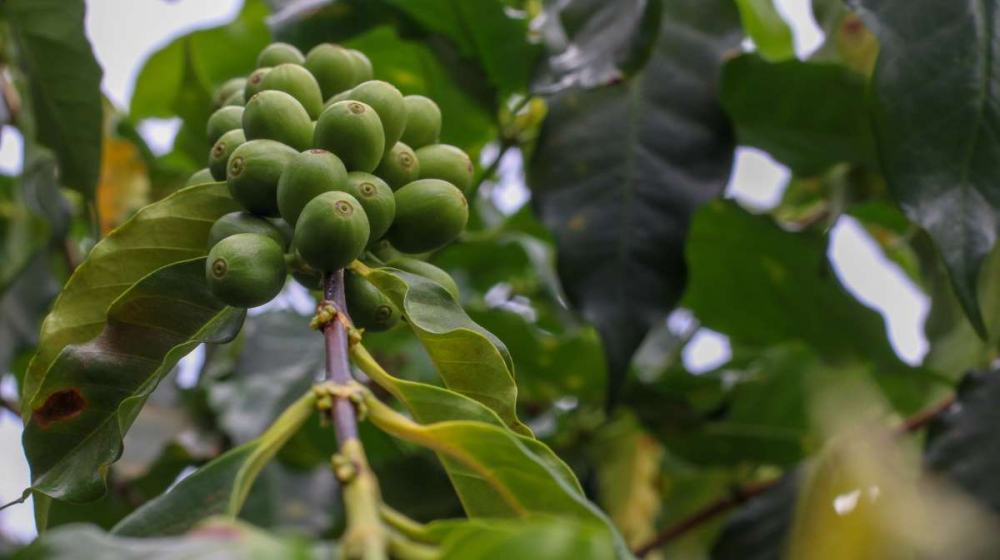
Why does Front Street use Blue Mountain Coffee from Clifton Farm?
Clifton Estate is the oldest coffee estate in Jamaica, and in Jamaica only Clifton Farm has the "(RFA) Rainforest Water Frog" mark.
Only those that meet the "Sustainable Agricultural System Standards" can obtain certification, and its wooden barrels bear the rainforest certification mark.
In addition, the Jamaica Coffee Board (CIB) authorizes the 4 legally designated coffee estates Wallenford, Jablum, Silver Hill, and Moy Hall to centrally process Blue Mountain coffee beans. All outer packaging of Jamaican Blue Mountain Coffee identifies the name of the estate that processed it. Mavis Bank Coffee Factory, founded in 1923, is the largest estate for Blue Mountain Coffee, and its barrels are printed with M.B.C.F. At the same time, Blue Mountain coffee beans from Clifton Farm were also among the earliest batches imported to the mainland.
Blue Mountain Coffee Price
Many friends know that Blue Mountain Coffee is expensive, but they do not know how much Blue Mountain Coffee actually costs. In fact, Blue Mountain Coffee is indeed much more expensive than ordinary coffee beans, but in today's "Geisha era," the price of Blue Mountain coffee beans is still reasonable.
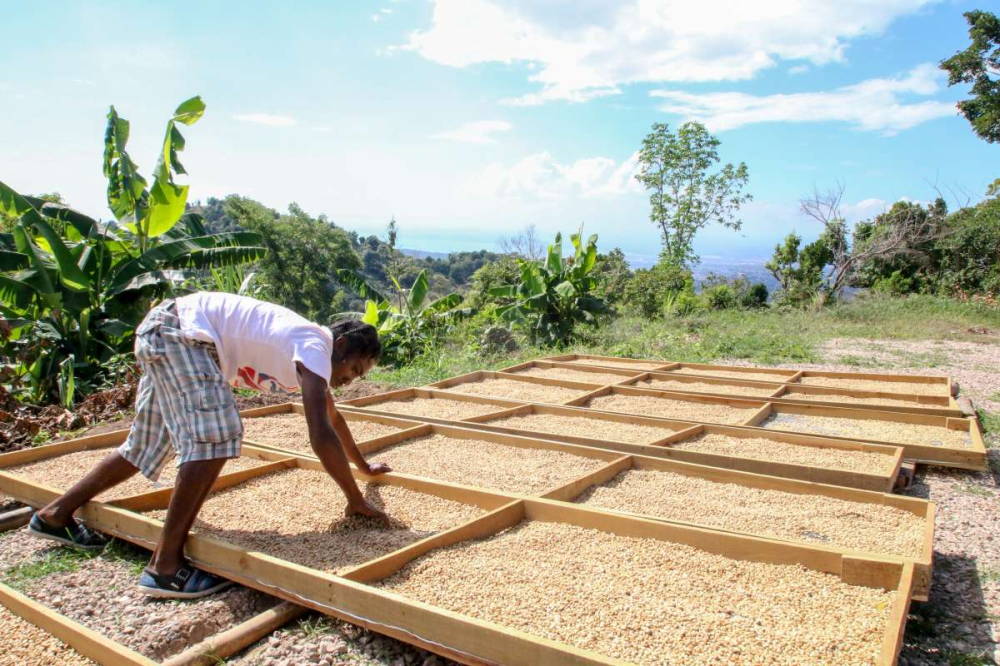
Taking the retail price of FrontStreet Coffee as an example, the roasted bean price of Front Street Jamaican Blue Mountain No. 1 coffee beans is 158 yuan/100g, which is even cheaper than Geisha coffee beans from famous estates today. Everyone can place orders at the Front Street flagship store or Front Street Taobao store. If you want to go to a coffee shop and drink a cup of Front Street Blue Mountain pour-over coffee, it is only 60 yuan.
The above content is compiled by CoffeeHunters, a coffee news website.


