







Search Results for: Huayueye
Full analysis of the flavor differences between Colombia's Flower Moon Night and Rose Valley coffee beans: a comparison of rose aromas from the two major producing regions of Huila and Santander
In the world of coffee, some beans have inherently poetic names, and Rose Valley and Flower Moon Night are prime examples. When many enthusiasts first hear these names, they can't help but wonder: do they really carry the scent of roses? And what sets these two beans apart? This article will take you on an in-depth exploration of Flower Moon Night from the Huila region of Colombia and Rose Valley from Big Tree Estate in the Santander region, analyzing everything from terroir and varieties to processing methods and final cup profiles. This Flower Moon Night selected by Front Street Coffee comes from the Astorga Estate in Huila, while Rose Valley originates from Big Tree Farm. Both are Caturra variety, yet due to different processing methods—anaerobic natural and double anaerobic enzyme washed—they present completely distinct flavor directions. After reading this article, you will clearly grasp the core characteristics and tasting points of these two beans. [more…]

A Complete Guide to Anaerobic Natural and Anaerobic Washed Processing Methods: Step-by-Step Procedures, Flavor and Mouthfeel Differences, and Front Street Coffee Bean Recommendations
As coffee enthusiasts deepen their understanding of coffee, more and more people are paying attention to coffee bean processing methods. As a post-harvest processing method that has attracted much attention in recent years, anaerobic fermentation has brought more possibilities to coffee flavors. This article will analyze in detail the step-by-step processes and flavor and taste differences between anaerobic natural and anaerobic washed processing methods, and share Front Street Coffee's cupping and brewing experience. By comparing the characteristics of washed, natural, and anaerobic processing, it helps readers understand how different processing methods affect the final flavor of coffee. The two anaerobic natural beans, Huayueye and Monster Manor, launched by Front Street Coffee, will also be used as examples to demonstrate their unique charm. Whether you are a beginner or a seasoned enthusiast, you can gain practical references for purchasing and tasting. [more…]
Colombia Huila Coffee Recommendation: Front Street Coffee Huayueye Anaerobic Natural Flavor and Brewing Guide
Colombia is the world's third-largest coffee exporter, and its superior geography and climate have earned it a globally renowned status for specialty coffee, with the Huila region standing out as one of the most representative specialty-producing areas. The Colombia Flower Moon Night recommended this time by Front Street Coffee comes from Huila, processed using anaerobic natural methods, of the Caturra variety, grown at an altitude of about 1,700 meters, with a flavor profile that unfolds in layers of pineapple, mango, lychee, cantaloupe, and rum. This article will guide you through the terroir and micro-lot production background of the Huila region, and includes the complete pour-over parameters and brewing method for Front Street's Flower Moon Night, making it easy for coffee enthusiasts to recreate this cup of sweet, rich Colombian flavor at home. [more…]
A Complete Guide to Colombian Coffee Bean Flavors: Castillo, Caturra Characteristics and Main Processing Methods Compared
Colombia is located in the northwest of South America, with a mild and humid climate that provides an ideal growing environment for coffee trees and has shaped the balanced, elegant style of local coffee. This article will explore the flavor characteristics and processing methods of Colombian coffee beans, focusing on the flavor differences between Front Street Coffee's Sidra and Front Street Coffee's Ombligon, and reviewing how washed, semi-washed, and anaerobic fermentation processes affect coffee performance. At the same time, the article will also share Front Street Coffee's Colombian coffee brewing parameters and techniques to help coffee lovers more fully understand this producing country known as the "coffee gentleman." [more…]

A Complete Analysis of Coffee Flavors from Colombia's Huila Region: From Washed Everyday Beans to Brewing Guides for Huayueye and Huajian
Huila (also translated as Huilan or Huilan) is one of the most renowned coffee-producing regions in the Andes of southwestern Colombia, accounting for about 12% of the country's output. Its fertile volcanic soil, moderate rainfall, and high-altitude microclimate nurture Arabica coffee that is balanced and consistent, with a full body and delicate berry-like sweet acidity. Front Street Coffee has listed several representative beans from this region: a washed Huila everyday drinking coffee suitable for beginners, an anaerobic natural Flower Moonlight with intense strawberry jam aromas, and a washed Hanami with notes of pink pepper and chamomile. This article will outline Huila's variety structure and the reasons behind its flavor, and provide V60 three-pour hand-brew parameters to help coffee enthusiasts fully understand the appeal of this top specialty region. [more…]
Colombia Flower Moon Night vs. Yirgacheffe Pour-Over Comparison: Flavor Differences Between Anaerobic Natural and Washed Processing
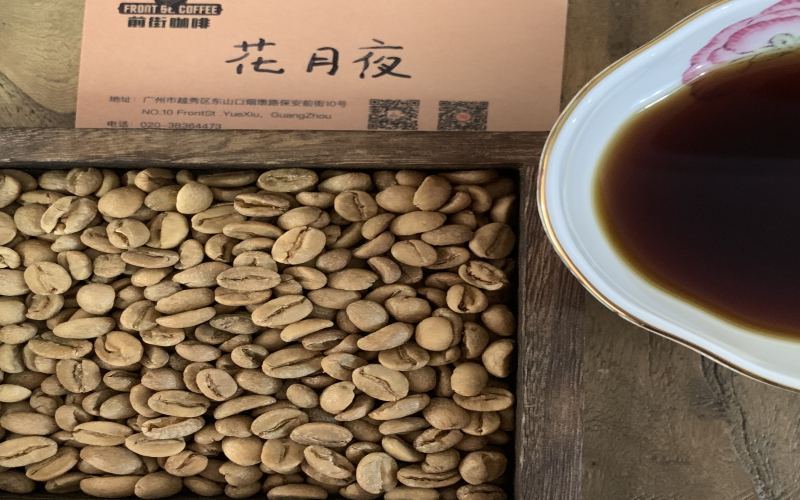
On Front Street Coffee's bean list, Colombia coffee and Yirgacheffe have always enjoyed great popularity, especially among enthusiasts who prefer sweet, fruity, and floral notes, who often find themselves torn between these two. This article uses Front Street Colombia Flower Moon Night and Front Street washed Yirgacheffe as examples to make a comparative analysis, from origin background and processing methods to actual brewing performance. Flower Moon Night uses anaerobic natural processing, bringing strawberry, jam, and a cocoa finish; Yirgacheffe, on the other hand, is a classic washed style, presenting citrus-lemon acidity, jasmine floral notes, and a tea-like body. Through this comparison, it helps you more clearly understand the flavor directions and selection choices of the two when brewing pour-over. [more…]
Flavor analysis of Huila, Colombia Huayueye coffee beans: Exploring anaerobic natural processing and strawberry notes
The Colombian coffee industry is currently facing the challenge of a shortage of picking labor due to the pandemic, while the Huila region continues to attract attention for its balanced flavor and rich fruity notes. The Flower Moon coffee beans from the Acevedo Gading farm that Front Street Coffee has acquired use the anaerobic natural processing method and are based on the Caturra variety, displaying complex flavors such as strawberry jam, cranberry, and liqueur-filled chocolate. This article will guide you through the latest developments in the Colombian production region, provide an in-depth analysis of the characteristics of the Huila region, the processing method and cupping performance of the Flower Moon coffee beans, and share Front Street Coffee's roasting and brewing insights. [more…]
Analysis of the Variety and Flavor of Colombia's Huayueye Coffee Beans and Sharing of Pour-Over Extraction Parameters
The name "Flower Moon Night" is quite poetic in the coffee world—what kind of coffee is it exactly? This article begins with the origin background of Front Street Colombia Flower Moon Night coffee beans, and systematically reviews Colombia's growing conditions and the distribution of its main producing regions, with emphasis on the connection between the Huila region and the Acevedo Galindo estate. It then explains the anaerobic natural processing method used for this bean, describes the characteristics of the Caturra variety, and includes Front Street's roasting curve, cupping flavors, and pour-over extraction suggestions, including dripper selection, water temperature, coffee-to-water ratio, and staged pouring technique, for coffee enthusiasts' reference. [more…]
Colombian Coffee Beans Washed Processing Method Analysis, Pour-Over Parameter Suggestions, and Price Reference
Colombian coffee beans occupy an important position in the global specialty coffee market thanks to their high-altitude growing environment and refined processing techniques. This article focuses on Front Street Colombian coffee beans, systematically reviewing their regional characteristics, washed processing flow, and variety evolution history, and shares in detail the Hario V60 three-stage pour-over parameters used by Front Street Coffee (FrontStreet Coffee) in daily brewing, including key data such as water temperature, coffee dose, coffee-to-water ratio, and grind size. It also introduces the flavor performance of beans processed by different methods, such as Front Street Rose Valley, Front Street Huayueye, and Isabella, helping coffee enthusiasts gain a more comprehensive understanding of the charm of Colombian coffee and its brewing key points. [more…]
Rose Valley Flower Moonlight Coffee Beans Pour-Over Guide: A Complete Analysis of Anaerobic Enzyme Washed and Natural Processing Methods
Coffee enthusiasts' taste demands are becoming increasingly refined. The original terroir flavors produced by traditional washed and natural processing methods can no longer satisfy diverse expectations, and various specialty processing methods have emerged as a result. From the perspective of Front Street, this article systematically reviews the principles and classifications of anaerobic fermentation processing, compares the differences between natural fermentation and temperature-controlled fermentation, and provides an in-depth analysis of three processing workflows: anaerobic natural, anaerobic washed, and anaerobic enzyme-washed. At the same time, using Front Street Huayueye coffee beans from the Huila region of Colombia and Rose Valley coffee beans from Big Tree Estate as examples, it presents a complete approach from green bean processing to roasting curve selection, and then to pour-over parameter development, helping readers understand how specialty processing methods shape the flavors in the cup. [more…]
Starbucks Colombia Coffee Bean Origin Story and a Comprehensive Comparison of Huila Region Flavor Characteristics
Colombia occupies a significant place in the specialty coffee landscape thanks to its natural advantages of low latitude, high altitude, and volcanic soil. Its flavor is rich and balanced, often with nutty and cocoa notes, and Starbucks'首选 coffee became a core product in 1990 using Colombian beans. In this article, Front Street Coffee takes you through the growing conditions and main producing regions of Colombian coffee, and compares the flavor differences of Huila, Cauca, and other areas one by one, including detailed characteristics of several beans such as Pink Bourbon Isabella, Washed Huila, Anaerobic Natural Flower Moon Night, and Cauca Sakura, helping coffee lovers gain a comprehensive understanding of the diversity of Colombian coffee. [more…]
Colombian Coffee's Volcanic Terroir and Processing Methods: A Comprehensive Analysis from the Huila Region to Anaerobic Fermentation
Colombia, with its high mountains and flowing water, volcanic fertile soil, and abundant rainfall, is regarded as a natural treasure trove for coffee cultivation. Between 2008 and 2011, the country's coffee won the championship four years in a row at the SCAA Cup of Excellence competition, a record that even surpassed Panama Geisha's BOP three-peat. This article will take an in-depth look at the terroir characteristics of Colombia's major specialty coffee regions, covering Huila, Tolima, Cauca, and Nariño, and will focus on key varieties such as Caturra, Colombia, and Castillo. At the same time, Front Street Coffee will use a practical comparison of Flower Moon Night and Rose Valley to help you understand the specific effects of washed, anaerobic natural, and double anaerobic enzyme-washed processing methods on flavor direction. [more…]
Colombia Huila Specialty Coffee Pour-Over Guide: A Complete Analysis of Regional Terroir, Varieties, Processing, and Brewing Parameters
Colombia's Huila region, with its high altitude, volcanic soil, and abundant water resources, has become one of the most representative origins on the global specialty coffee map. Starting from Huila's geography, climate, and varietal composition, this article systematically reviews the cultivation performance of Caturra, Typica, Bourbon, and other varieties in the region, and breaks down in detail the complete process of the traditional washed processing method. At the same time, drawing on Front Street Coffee's brewing experience, it provides specific parameters such as the KONO dripper, 88°C water temperature, and a 1:15 coffee-to-water ratio, along with a three-stage extraction procedure, to help coffee enthusiasts reliably reproduce at home the classic flavor of Huila coffee interwoven with nutty, caramel, and soft fruity acidity. [more…]
The Core Characteristics and Pour-Over Flavors of Colombian Coffee: A Comprehensive Interpretation from Origins and Varieties to Processing Methods
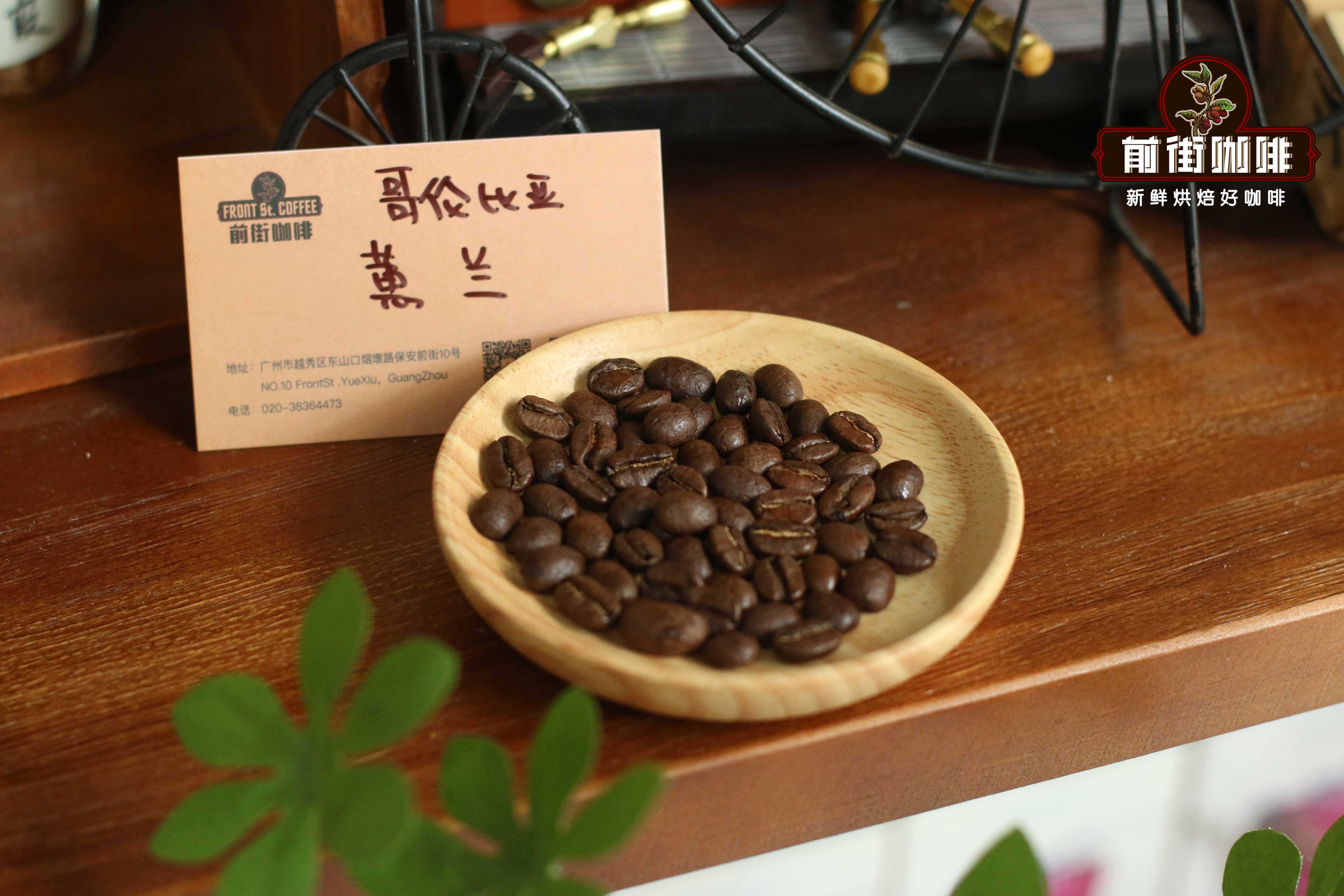
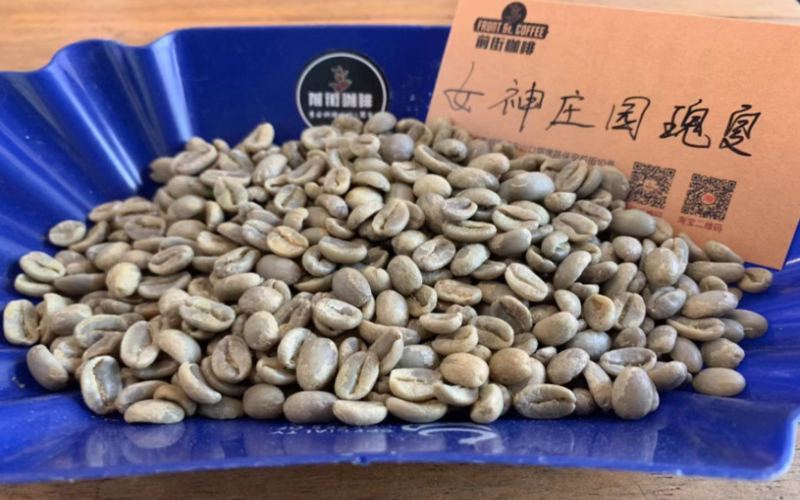
Colombian coffee is known for its soft, balanced acidity and caramel and nutty sweetness, and the country is a major exporter of washed Arabica beans worldwide. This article systematically sorts out the flavor logic of Colombian coffee, from growing environment, main producing regions, and variety composition to processing methods and brewing parameters, and introduces the characteristics of Front Street Coffee's products such as Huayueye, Rose Valley, Xizhua, and Daduqi, helping coffee enthusiasts understand the elegance of "soft" style coffee and why washed Huila is regarded as the representative flavor of Colombia. [more…]
Geisha Coffee Flavor Analysis: Varietal Characteristics and Brewing Recommendations from Panama to Colombia
Geisha coffee is hailed as the goddess of the coffee world, renowned worldwide for its intense floral aroma, citrus and berry notes, and delicate acidity. From the wild forests of Ethiopia to its stunning debut at Hacienda La Esmeralda in Panama, and then to its successful introduction in Colombia's Huila region, Geisha has traveled a legendary journey spanning nearly a century. This article will provide a comprehensive analysis of Geisha's varietal characteristics, growing environment requirements, and flavor expression, while also offering an in-depth introduction to the Hanami Geisha blend coffee beans from Montenegro Estate in Colombia's Huila region. At the same time, Front Street Coffee will share its roasting approach and brewing parameters for this bean, helping coffee enthusiasts better appreciate Geisha's unique charm. [more…]
The Four Major Bourbon Coffee Derivatives: A Detailed Guide to Caturra, Villa Sarchi, Pacas, and Bourbon Mayaguez
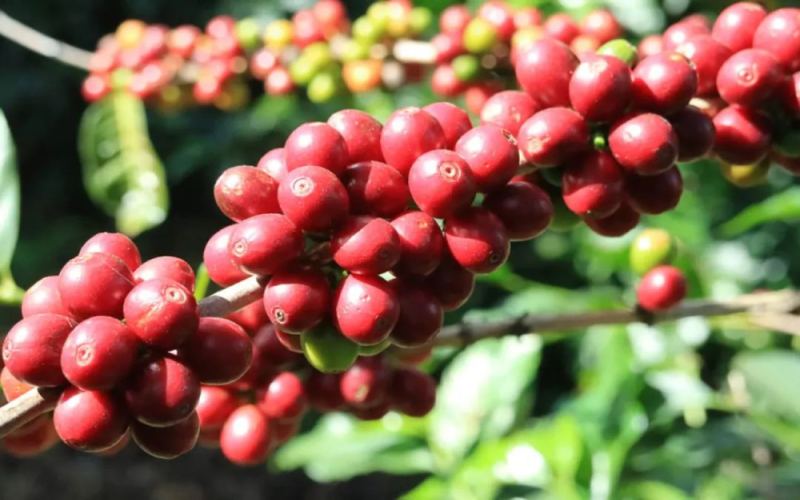
Bourbon is a coffee variety of exceptional cultural and genetic value within Arabica, known for its high-altitude cultivation and outstanding cup quality, but its low yield and susceptibility to major diseases have led to its gradual replacement in Latin America by derivatives such as Caturra, Catuai, and Mundo Novo. Nevertheless, Bourbon is still cultivated in Brazil, Guatemala, El Salvador, and elsewhere, and many Bourbon-line varieties circulate on the market. This article will introduce, one by one, the origins, botanical characteristics, growing regions, and flavor profiles of four derivative varieties—Caturra, Villa Sarchi, Pacas, and Bourbon Mayaguez—and share Front Street Coffee's corresponding bean recommendations and brewing suggestions. [more…]
The Complete Guide to Cold Brew Coffee: Brewing Methods, Ratios, Times, and Bean Recommendations
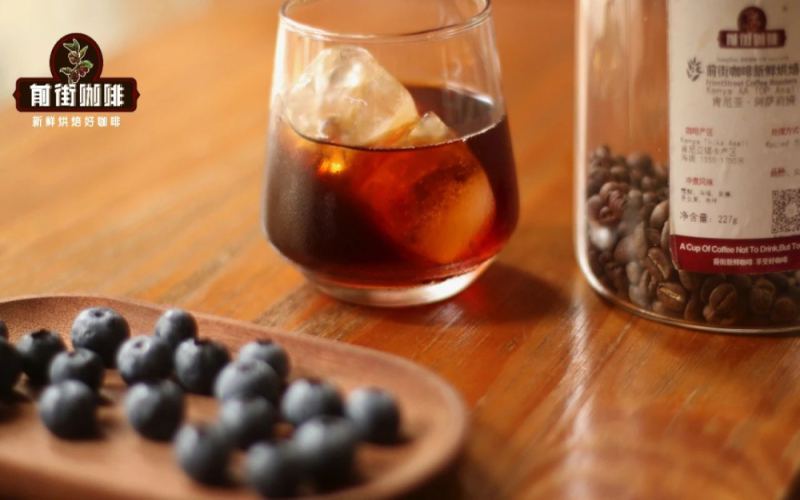
Cold brew coffee is simple to make—just mix water and ground coffee, refrigerate, and let time complete the extraction. This article details Front Street Coffee's cold brew method, including using 50 grams of ground coffee as the base, a grind size with 85% passing through a No. 20 sieve, a coffee-to-water ratio of 1:12, adding 400 milliliters of room-temperature water and 200 grams of hard ice cubes, refrigerating for 12-24 hours, then filtering and refrigerating for another 4 hours. It also explains that cold brew should use coffee beans past their resting period, and recommends three types of beans with different flavor profiles—fresh floral-fruity, citrus-berry, and delicate honeyed—covering specific products such as Geisha, Huakui, Huayueye, Rose Valley, and Mozart. [more…]
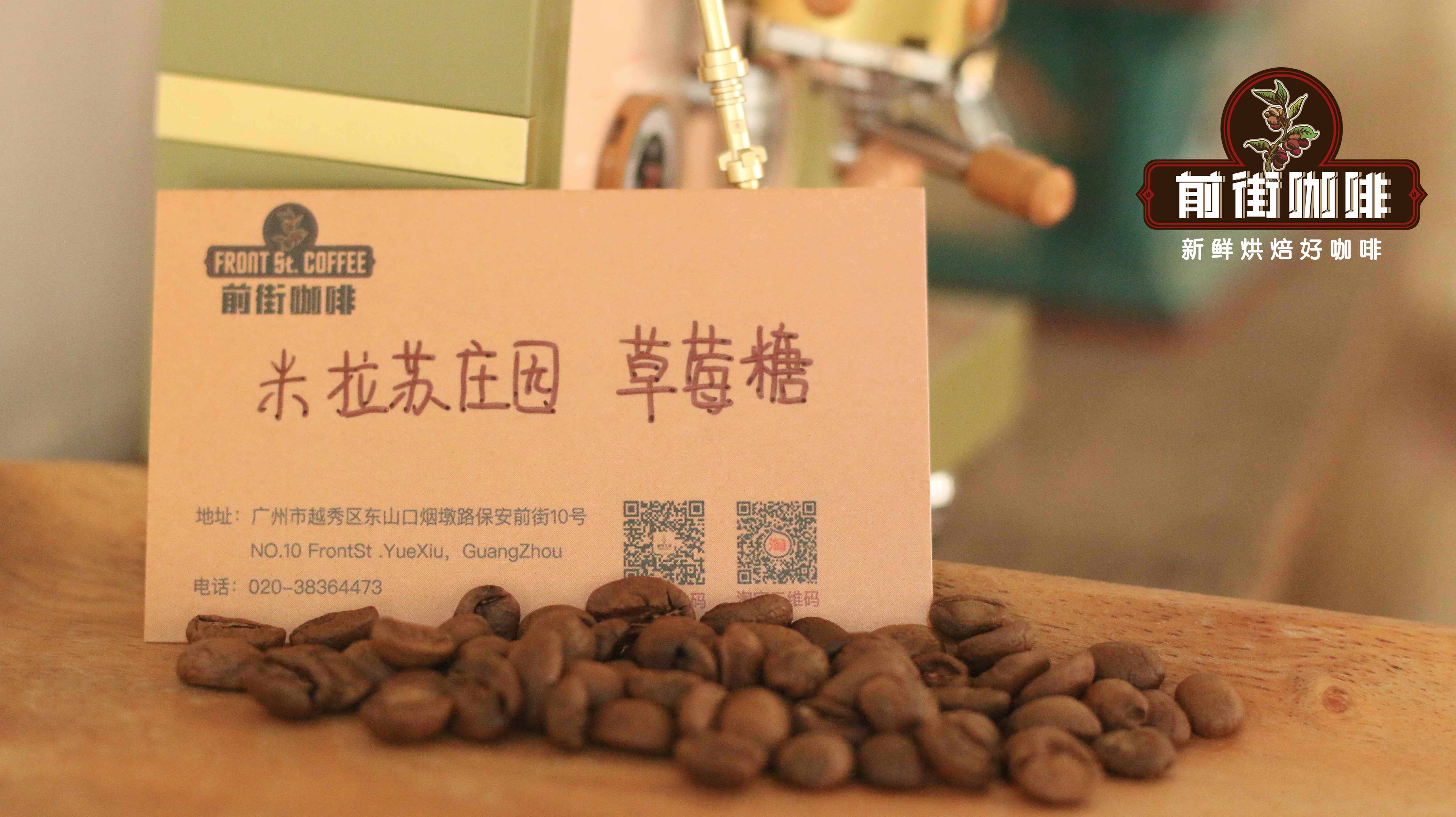
Where Does Coffee Flavor Come From? A Comparative Analysis of Colombian Strawberry-Note Beans: Sakura vs. Hanakatsuyo
Why can you taste strawberry in coffee? Starting from the growth logic of the coffee plant, this article sorts out the influence of six major factors—soil, climate, altitude, harvesting, processing, and roasting—on flavor, and focuses on comparing two strawberry-toned coffee beans from Colombia: Front Street Huayueye and Front Street Sakura. The two each have their own characteristics in terms of producing region, bean variety, processing method, and cupping performance. At the same time, Front Street Strawberry Candy coffee beans are also recommended as another option for getting started with strawberry flavors. [more…]
Colombian Coffee Varieties and Huayue Night Flavor Analysis: Characteristics of Good Coffee Beans and the Advantages of the Boquete Producing Region
Colombia is a globally renowned coffee-producing country, and the Huila region's Flower Moon Night coffee, produced through a combination of anaerobic natural processing and the Caturra variety, displays a unique flavor profile of strawberry, floral notes, and a dark cocoa finish. This article begins with Front Street Coffee's Flower Moon Night and extends to the advantages of the high-altitude microclimate and volcanic soil of Panama's Boquete region, analyzing the cultivation conditions and processing techniques behind good coffee beans. It also introduces the origins and flavor characteristics of the Caturra variety, as well as Gatineau Farm's practices of low-temperature slow fermentation and slow drying to enhance quality, providing coffee enthusiasts with a complete understanding from origin to cup. [more…]
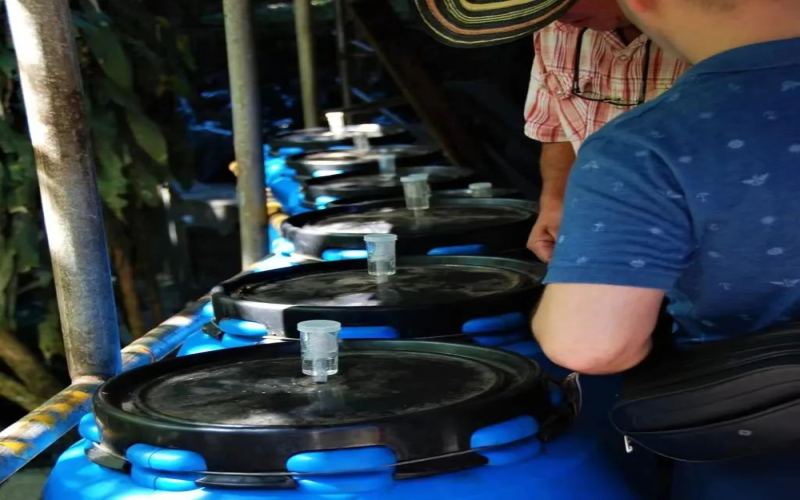
Coffee Enzyme Washed | What Is the Enzyme Washed Coffee Processing Method? How Does the Enzyme Washed Process Work? An Introduction to the Flavor and Taste Characteristics of Colombia Rose Valley Coffee
In recent years, there have been more and more innovative coffee processing methods, and new types of processing such as anaerobic processing, enzyme processing, and carbon dioxide maceration processing have begun to carve out a small niche for themselves. The enzyme-washed processing method that this article will introduce was met with mixed reviews when it first appeared, and now, years later, Front Street will take everyone back to observe this [more…]