







How Does Anaerobic Coffee Processing Change the Cup?
Anaerobic coffee processing ferments beans with little or no oxygen, and it works as an umbrella term covering anaerobic natural, anaerobic enzyme-washed, anaerobic double washed, and anaerobic honey methods. Each variant changes how sugars and acids develop, which is why special processing can produce cup profiles that washed and natural coffees alone do not deliver.
Fermentation is not new: traditional washed processing soaks de-pulped beans in water for 12 to 18 hours so pectin breaks down, with no added enzymes and no human intervention. Anaerobic methods take that stage and control it, whether by sealing tanks or by adjusting temperature. Roasting curves and pour-over parameters are then set to match the green bean's character, as with Huila lots such as Huayueye and Rose Valley.
Coffee lovers' taste demands are becoming increasingly refined. The origin flavors brought by traditional washed and natural processing methods can no longer satisfy diverse expectations, and various special processing methods have emerged as a result. From the perspective of Front Street, this article systematically sorts out the principles and classifications of anaerobic fermentation processing, compares the differences between natural fermentation and artificially controlled-temperature fermentation, and deeply analyzes three processing workflows: anaerobic natural, anaerobic washed, and anaerobic enzyme-washed. At the same time, using Front Street Huayueye coffee beans and Big Tree Estate Rose Valley coffee beans from the Huila region of Colombia as examples, it presents a complete approach from green bean processing to roasting curve selection, and then to pour-over parameter setting, helping readers understand how special processing methods shape the flavor in the cup.
With the evolution of coffee culture, drinkers' expectations for bean flavor and mouthfeel have continued to rise. The origin character presented by only the two traditional methods of washed and natural processing is no longer enough to cover increasingly diverse needs. As a result, various special processing methods have emerged one after another. Today, Front Street will introduce everyone to a coffee bean special processing method that has attracted much attention in recent years—anaerobic processing.
So-called anaerobic fermentation processing essentially allows coffee beans to complete fermentation under oxygen-free or low-oxygen conditions. Anaerobic processing is an umbrella term, and it can be further divided into categories such as anaerobic natural, anaerobic enzyme-washed, anaerobic double washed, and anaerobic honey processing. These terms may sound unfamiliar, but even traditional washed and natural processing also include a fermentation stage.
To put it simply, Front Street notes that in the fermentation stage of the three major coffee processing methods, traditional washed processing generally first removes the outer skin and pulp, then soaks the beans in water for 12 to 18 hours, during which pectin is decomposed—this is the fermentation process. The entire process has no human intervention and no specific enzymes added. The coffee beans ferment on their own in the natural environment, which Front Street calls natural fermentation. The same is true for natural processing: the pulp and skin are retained, and during the two-to-four-week drying period, the pectin continues to ferment under natural conditions, also without human intervention. Therefore, the sweetness and aroma of natural processing are often more abundant.
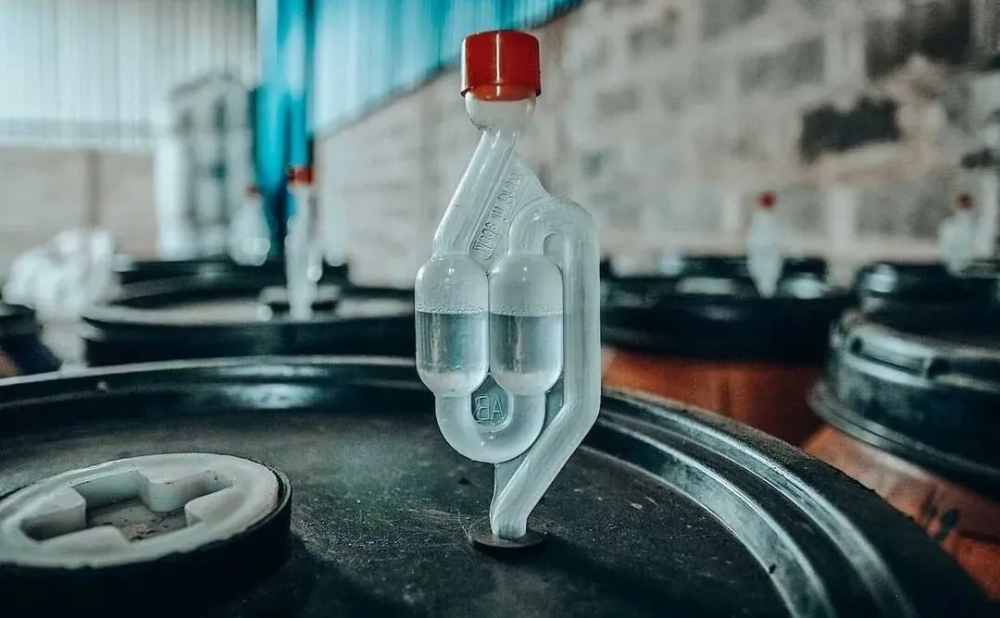
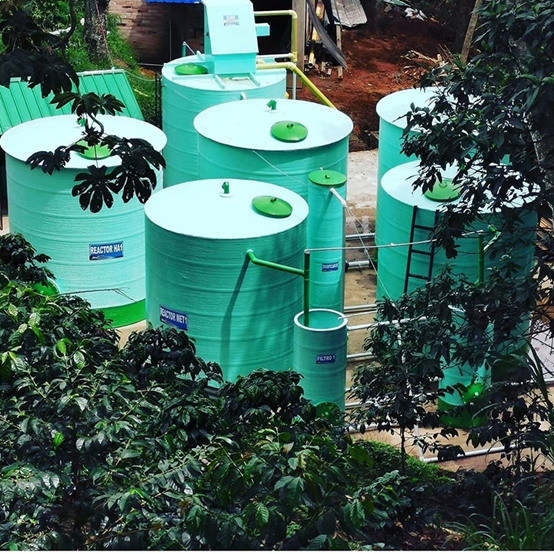
What Front Street described above all belongs to natural fermentation. Its flavor is extremely difficult to control, and there are many uncertain factors. For example, during washed processing, will the tank fermentation be excessive, causing the beans to be too sour? Or if the natural drying time is too long, will undesirable flavors develop during pectin fermentation? These are difficult to control, and one can only depend on the weather. It is precisely for this reason that anaerobic fermentation processing emerged. Its method is usually to place coffee beans into pressure-resistant sealed stainless steel tanks and, through artificial regulation of temperature, time, pH value, and the desired fermentation process, achieve the flavor direction expected by the merchant. Front Street stores also carry several coffees processed by anaerobic fermentation.
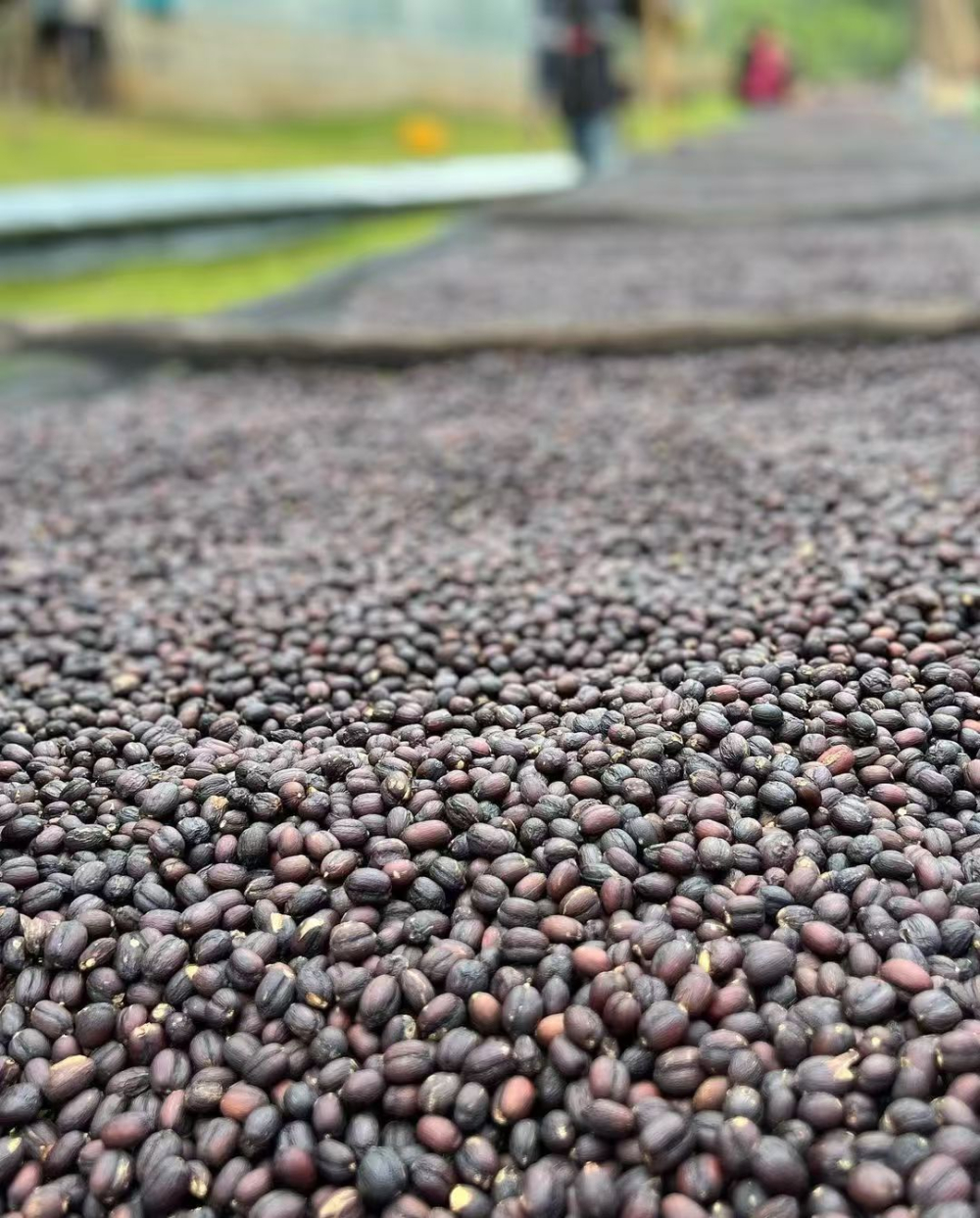
Front Street uses a Front Street Huayueye coffee bean from the Huila region of Colombia as an example to explain the general process of artificial fermentation. First, freshly harvested coffee cherries with defects removed are placed directly into sealed fermentation tanks for low-temperature fermentation, with the temperature maintained between 10 and 15 degrees Celsius. In an anaerobic environment, the decomposition rate of pectin sugars slows down because low temperatures inhibit microbial activity. Therefore, the fermentation time for this bean is even longer than traditional natural processing, and sweetness increases accordingly. After more than three days of anaerobic fermentation, the coffee cherries in the tank are removed for sun drying. After drying is complete, the skin and pulp are removed, and the beans can then be stored in the warehouse. Through cupping, Front Street found that this Front Street Colombia Huayueye has a very prominent sweetness, with flavors resembling strawberry jam, and a faint hint of fermented wine aroma.
Of course, washed processing can also be controlled to achieve anaerobic washed. The anaerobic washed process is more complicated than anaerobic natural: first, ripe coffee cherries are harvested and directly put into woven bags for 12 hours of dry fermentation; after completion, the skin and pulp are removed, and a second round of fermentation begins, lasting 24 hours. During the second round of fermentation, the coffee beans are moved into plastic barrels and sealed to block air from entering. After the second round ends, the beans are placed on drying beds for about one month until the moisture content drops to 11% to 13%. Through cupping comparisons of anaerobic natural and anaerobic washed, Front Street found that the acidity of anaerobic washed is brighter than that of anaerobic natural, while anaerobic natural has more pronounced sweetness and a richer aroma.
The two methods Front Street introduced above both achieve their results by controlling the time and temperature of the environment. Next, Front Street will introduce another approach that adds specific strains during fermentation to promote fermentation, namely coffee bean enzyme processing, specifically called anaerobic enzyme-washed processing.
The process of coffee bean enzyme processing is broadly similar to anaerobic washed. The only difference is that in the second round of anaerobic fermentation, that is, when the coffee cherries are moved into sealed barrels, a special enzyme group is added to drive the fermentation process. The subsequent steps are consistent with what Front Street described for anaerobic washed fermentation. A Front Street Colombia Big Tree Estate Rose Valley coffee currently listed by Front Street is precisely made using coffee bean enzyme processing.
Front Street is very interested in this Front Street Rose Valley coffee bean processed with anaerobic enzymes. When roasting this Front Street Rose Valley coffee, Front Street tested a total of three roasting curves, and each curve presented different flavors. After roasting was completed, Front Street cupped these three curves within 8 to 24 hours. Front Street's cupping found that Curve 1 had a relatively better overall flavor, with very intense peach and cranberry flavors, and a more prominent aroma resembling peach. Compared with Curve 1, Curve 2 had a lighter aroma and also carried a slight astringency. The bean flavor of Curve 3 lacked distinct layers; only rum chocolate was tasted, and the mouthfeel was more bitter than the first two curves. Therefore, Front Street planned to list the Front Street Colombia Rose Valley coffee from Curve 1. But before listing, Front Street still needed to brew Curve 1 as a pour-over to verify the cupping flavor.
To brew this anaerobic enzyme-processed Front Street Rose Valley coffee bean, Front Street selected 15 grams of coffee beans, a medium-fine grind, a 1:15 coffee-to-water ratio, and the common Hario V60 dripper, whose cone shape helps increase the coffee's layering, with the water temperature set at 91 degrees Celsius.
In the first stage, pour 30 grams of water for blooming, with a blooming time of 30 seconds, in order to properly release carbon dioxide and avoid its content being too high and interfering with extraction. In the second stage, pour 100 grams of water, bringing the total including the blooming water to 130 grams, pouring evenly in circles to strengthen the front and middle stages of extraction and enhance the release of small-molecule substances in the front and middle stages. After pouring, wait 10 seconds, then pour the remaining 95 grams of water, evenly in circles, with the final 25 grams poured vertically down the center to avoid excessive turbulence bringing out bitterness from the later stage.
Once brewing is complete, you can taste this specially processed Front Street Colombia Rose Valley coffee. At first sip, the acidity is relatively obvious, similar to citrus acidity, with rich layers; the middle section resembles dark berries, with caramel cocoa, and the lingering aroma in the finish is similar to the fermented sensation of fermented fruit. At the medium-temperature stage, it presents more berry-type flavors along with a dark chocolate note, and the finish is still a fermented sensation that lingers. At the low-temperature stage, dark berries dominate, sweetness increases, and dark chocolate and fermented notes coexist. The persistent fermented sensation in the finish, with a whisky-like alcoholic charm faintly visible, reminds one of rum chocolate.
The above content is compiled by CoffeeHunters, a coffee news website.


