







How Do You Brew Huila Coffee at Home?
Huila coffee is brewed with a KONO dripper at 88°C water and a 1:15 coffee-to-water ratio, using a three-stage pour. The cup shows nuts, caramel and soft fruit acidity. Huila's high altitude, volcanic soil and abundant water make it one of Colombia's most representative specialty origins.
Colombia is the world's third-largest coffee producer and the largest producer of washed Arabica, and by law only Arabica may be grown there. Caturra, Typica and Bourbon all perform well in Huila. Colombian beans also suit blending because both quantity and quality stay dependable across harvests.
Colombia's Huila region, with its high altitude, volcanic soil, and abundant water resources, has become one of the most representative origins in the global specialty coffee landscape. This article starts from Huila's geography, climate, and variety composition, systematically reviews the cultivation performance of Caturra, Typica, Bourbon, and other varieties in the region, and breaks down the complete process of the traditional washed processing method in detail. At the same time, drawing on Front Street Coffee's brewing experience, it provides specific parameters such as the KONO dripper, 88°C water temperature, and a 1:15 coffee-to-water ratio, along with a three-stage extraction procedure, to help coffee enthusiasts reliably reproduce at home the classic flavor of Huila coffee interwoven with nuts, caramel, and soft fruit acidity.
For more specialty coffee information, welcome to follow: Front Street Coffee (Frontsteet Coffee)
In Front Street's Colombian coffee lineup, besides Huayueye, Rose Valley, Hanami, and Swiss Water Process decaf, there is also a Huila coffee that serves as an everyday staple, and it is also an important component of specialty blends. Choosing Colombian beans for blending—outstanding flavor is only one reason; the more fundamental consideration is their stability—both quantity and quality can be reliably guaranteed. As the world's third-largest coffee producer, Colombia has a solid foundation in both output and quality, which has also allowed the country's coffee to occupy a pivotal position in the international market.
Colombia's climate conditions are quite diverse: the southern part of the eastern plains and the Pacific coast have a tropical rainforest climate, while the northwest has a tropical savanna climate. The average annual temperature ranges from 15.8 to 20.5°C, and the average temperature in coffee-growing areas is roughly between 18°C and 22.5°C, with annual rainfall of 1,000 to 2,500 mm. Due to the latitudinal span and the 86 different microclimates between the northern and southern production regions, Colombian coffee shows very distinct regional characteristics.
Colombian Coffee Regions
Colombia is the world's largest producer of washed Arabica and the only country in the world that legally restricts cultivation to Arabica varieties only. Coupled with strong support from government policies, Colombia transformed from once being a major heroin-producing country into today's major coffee-producing country. The country's specialty coffee bean production areas are mainly concentrated in the south, generally at altitudes above 1,500 meters, distributed across Huila, Cauca, Nariño, and Tolima, among other places. The coffees produced in these regions all have refined acidity and berry-like sweetness, with particularly outstanding sweetness performance.
Colombia Huila
Colombia Huila: Located in southwestern Colombia, it is one of the country's core specialty coffee growing regions, a high-mountain coffee bean specially selected by the Colombian state company, and is known as Colombia's national treasure-level coffee. This is a major coffee cultivation zone and Colombia's most renowned specialty coffee region. The area features hilly terrain surrounded by mountains, with an altitude exceeding 1,500 meters, and Colombia's most important rivers converge here, bringing abundant water resources and moisture. Unlike coffee enthusiasts' conventional impression of Colombian coffee as balanced and smooth, many smallholder micro-lot Colombian specialty coffees actually have strong regional character. Coffee beans from the Huila region have an intense mouthfeel and heavy body, usually with aromas of nuts, chocolate, and caramel, as well as moderate acidity.
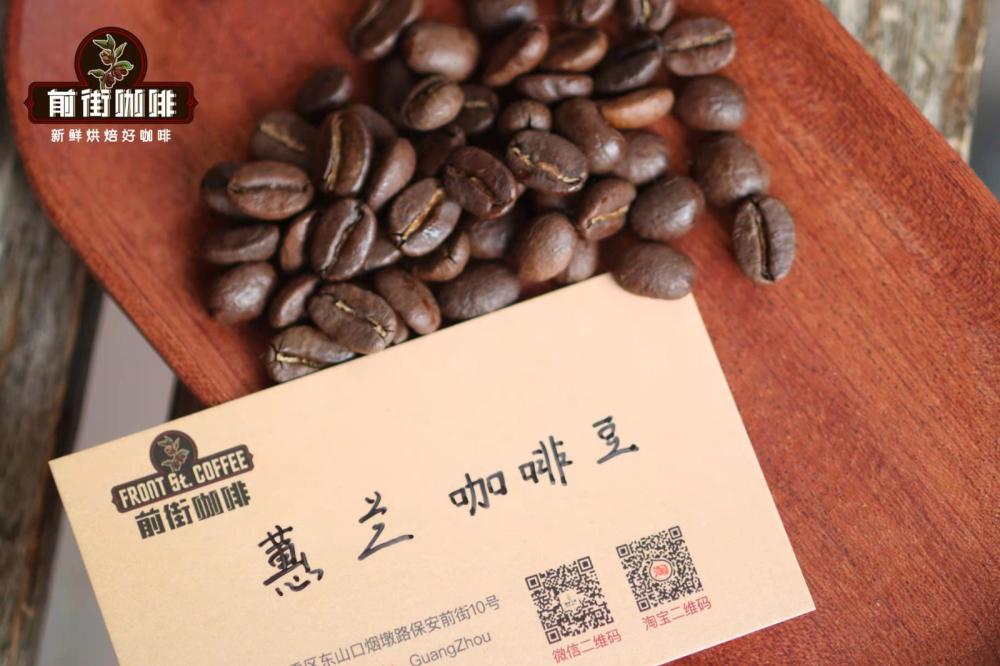
According to FNC (Colombian Coffee Growers Federation) statistics, the Huila region accounts for about 18% of Colombia's total coffee production and obtained official Designation of Origin certification in 2013. Front Street believes that Huila coffee is widely popular not only because of its considerable output, but also because of the dual guarantee of quality and reputation. Coffee lots produced by local farms have repeatedly won awards in Cup of Excellence competitions, and many roasters, baristas, and cafés prioritize recommending Huila coffee beans. This is due to Huila coffee combining full nutty aromas with bright, pleasant fruit acidity, and being recognized for its excellent balance as a representative product of Colombia's top specialty coffee.
Cauca Department
Cauca Department is a region certified for Colombian coffee origin, with an average altitude of 1,758 meters and a maximum of up to 2,100 meters. The region's topography, rainfall, temperature, and volcanic soil provide suitable conditions for coffee cultivation. 80% is mountainous, with parallel mountain ranges in the east and center that are part of the Andes; the central range includes two major volcanoes, Sotara and Petacas. Cauca's boundary characteristics are similar to other southwestern production regions, with rainfall showing a clear monomodal distribution, and the dry season mainly concentrated in August to September each year, followed by a rainy season that brings a concentrated coffee flowering season, and then the concentrated coffee harvest season the following year.
The biggest climatic difference between Cauca and other Colombian production regions is probably the relatively large temperature variation—the average daily temperature is 11°C, and the average daytime temperature is 18°C. The day-night temperature difference is an important factor in forming high-quality coffee. Low nighttime temperatures and relatively higher altitude slow the pace of coffee growth, allowing the coffee seeds and beans to more fully absorb nutrients from the coffee cherries, and also creating Cauca coffee's better acidity and much-praised distinctive sweetness.
Nariño Department
Nariño Department is located in southwestern Colombia, bordering the Pacific Ocean to the west and Ecuador to the south, with the Andes running across the entire department. Coffee is grown on high-altitude cloud belts from 1,600 to 2,300 meters, with fertile volcanic soil. The vast majority of Nariño's annual production is purchased by large American bean traders, but the department's total annual output is about 150,000 bags, of which only about 6,000 bags are specially selected beans.
Coffee Bean Varieties
Colombian Coffee Varieties
In addition to the Caturra, Bourbon, Colombian Typica, and Pacamara commonly seen in American production regions, Colombia also has its own three disease-resistant varieties: Castillo, Tabi, and the Colombia variety that shares the country's name. Of course, there are also some rare and precious varieties, such as Gesha, the small-beaned Mocca, Rume Sudan, Eugenioides, Laurina, Maraguesa, and Pink Bourbon.
The Huila region mainly cultivates Caturra and Catuai, varieties commonly found in Central and South America. The clean mouthfeel and soft acidity of these two varieties, combined with Huila's high altitude and volcanic soil, give the coffee beans produced in this region refined and soft berry acidity, roasted nut aromas, and a pronounced caramel finish, with abundant sweetness.
The coffee varieties of Huayueye and Rose Valley currently listed by Front Street Coffee (FrontStreet Coffee) are Caturra.
Typica
As in other regions, Typica is a coffee variety with a long history of cultivation in Colombia. Around the late 16th to early 17th century, a priest first introduced Typica to Colombia from the French Antilles via Venezuela. Typica has excellent flavor, with subtle floral aromas, outstanding acidity, and a full body. Popular coffees on Front Street's bean shelf, such as Jamaica Blue Mountain No. 1, Front Street 2013 Yunnan Arabica, and Papua New Guinea Bird of Paradise, are harvested from this ancient premium variety. However, precisely because Typica's yield is too low and its agronomic costs and technical requirements are high, most coffee farmers choose higher-yielding coffee varieties, which is also the main reason for its currently small share of cultivation.
At present, only a few regions in Colombia still cultivate Typica. This year Front Street Coffee (FrontStreet Coffee) cupped an anaerobic natural Typica from Colombia's Pearl Estate, with flavors of fine citrus acidity, passion fruit, and fermented aroma.
Bourbon
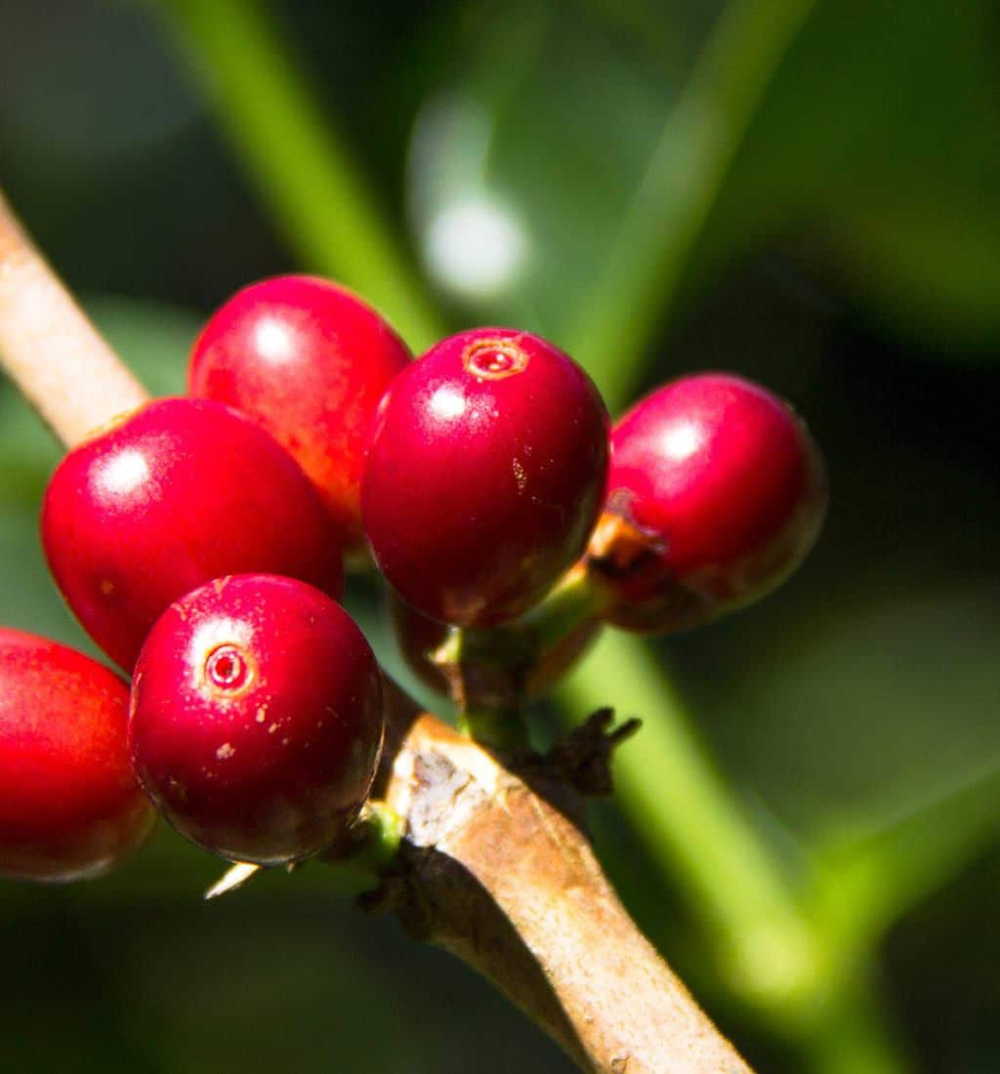
Bourbon is a mutation of Typica. Its biggest characteristic is that the bean becomes rounder, and it performs better in acidity, with a red-wine-like charm. In 1860, Bourbon was officially introduced to the South American continent. It was first introduced to Brazil to replace the low-yielding Typica, and later also spread to Colombia. However, Bourbon is not widely planted in Colombia and is grown in only a few areas. A Pink Bourbon from Paraiso Estate in Cauca Department that Front Street Coffee (FrontStreet Coffee) once listed showed clear, clean acidity like lemon and cherry tomato, reminiscent of Kenyan coffee.
Caturra
Caturra is a natural mutation of Bourbon. Compared with Bourbon, its advantages are its sun-exposure trait (no need for shade trees), short stature (easy to pick), and many branches (high yield). In flavor, it is comparable to Bourbon. Therefore, it became Colombia's main coffee variety. Interestingly, Caturra was discovered on a plantation in Minas Gerais, Brazil, and then screened by the São Paulo State Agricultural College (IAC) in Campinas, Brazil. However, the results of experimental planting in Brazil were not ideal; once it reached Colombia, Caturra immediately transformed and was planted nationwide.
Processing Methods in the Huila Region
Colombia's production regions are rich in water resources and very suitable for washed processing, so Colombian coffee beans are mainly washed. Family-based farms are equipped with specially made green bean processing machines (Ecomill or Eco-Pulper). With the popularity of special processing methods and Colombian coffee beans' "openness to all comers," more and more special processing methods are being applied to Colombian coffee beans, the most representative of which is anaerobic fermentation processing.
Examples include Front Street's Colombia Huayueye coffee, Rose Valley coffee, and Passion Fruit coffee, but most coffee farmers in the Huila region still insist on using traditional washed processing. Front Street also believes that washed processing best reflects the local coffee beans' native flavor, so Front Street selected Colombian washed Huila coffee as the representative coffee of Colombia as a coffee-producing country.
Washed Processing Method Procedure
1. First, the coffee farmers pour all the harvested coffee cherries into water. In this way, defective coffee beans will float to the surface, and those that sink to the bottom are qualified coffee cherries. This operation also greatly reduces the time wasted in selecting them one by one.
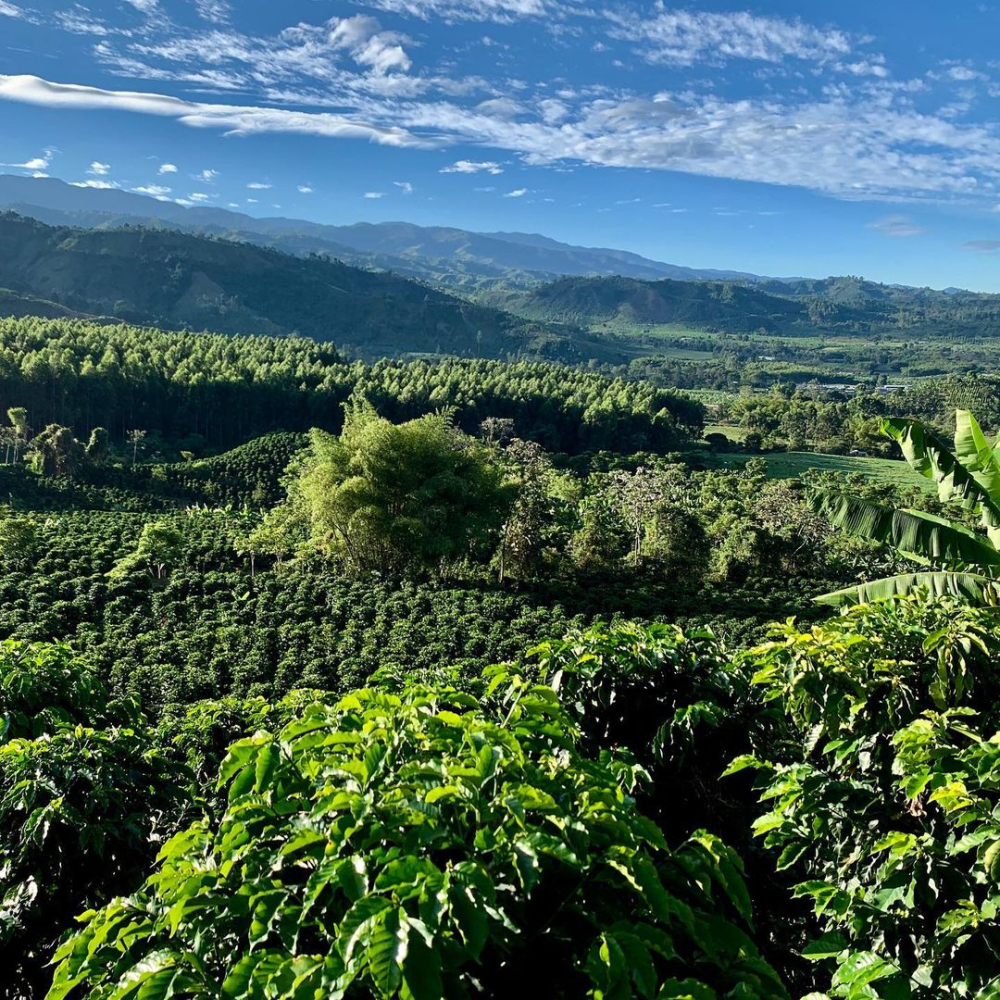
2. Put the screened coffee cherries into a depulper to remove the skin and pulp. After these are removed, a layer of mucilage still clings to the surface of the coffee cherries, so a large amount of clean water is used to wash the sticky substance off the surface of the coffee cherries.
3. Next, fermentation is used to completely remove the mucilage. This process takes about 18 hours, but after fermentation is complete, fermentation bacteria remain attached to the surface of the coffee cherries, so they need to be washed again with a large amount of clean water. In this step, obtaining 1 kilogram of coffee beans requires 40 to 50 kilograms of clean water. Front Street considers this a very large number, and this is precisely why arid countries cannot adopt washed processing.
4. The cleaned coffee beans can then be dried. Some regions take them directly outdoors to dry, while some more developed production regions send them to processing plants for machine drying, reducing the coffee's moisture content to about 11%. Finally, the dried coffee beans are stored and packaged, and can then be sold and exported.
Front Street Brewing Suggestions:
To brew a delicious cup of coffee, Front Street believes that any brewing method requires fresh coffee beans. Front Street has always held that the freshness of coffee beans has a great relationship with coffee flavor, so the coffee beans shipped by Front Street Coffee (FrontStreet Coffee) are all within 5 days of the roasting date. Front Street's roasting philosophy is "freshly roasted good coffee," so that every customer who places an order receives the freshest coffee when it arrives. Coffee's resting period is about 4-7 days, so when customers receive it, it is exactly at its best flavor.
For friends who need ground coffee, Front Street warmly reminds you: once coffee beans have been ground in advance, they no longer need to be rested, because during transportation, the pressure generated by carbon dioxide inside the packaging can also make the coffee flavor rounder, so once you receive the ground coffee, you can immediately brew a cup and drink it. However, ground coffee needs to be brewed promptly, because after ground coffee contacts air, it oxidizes relatively quickly; in other words, the coffee's flavor dissipates relatively quickly, and the coffee will not taste as good. Therefore, Front Street recommends buying whole beans and grinding fresh before brewing, so you can better taste the coffee's flavor.
Front Street's Parameters for Brewing Colombia Huila Coffee:
When brewing Huila coffee, Front Street uses the KONO dripper. KONO's ribs stop before reaching half the height of the dripper. This design is actually intended to ensure that after the dripper is wet, it fits closely against the dripper wall and restricts airflow. This increases the time for coffee grounds to absorb water, so the extracted coffee is overall more uniform and has an enhanced rich mouthfeel.
KONO dripper, 88°C water temperature, 1:15 coffee-to-water ratio, 15g coffee grounds, grind size (75% passing a No. 20 standard sieve), three-stage extraction.
Use staged extraction, blooming with 2 times the amount of water as the coffee grounds, that is, 30 grams of water for a 30-second bloom. The reason a bloom is needed is to allow the coffee grounds to release internal carbon dioxide gas, thereby making the later stages of extraction more stable. Pour in a small stream in circles until 125 grams, then pause; continue pouring until 225 grams and stop. After the water in the dripper has dripped through, remove the dripper. Start timing from the beginning of pouring; the extraction time is 2'00". Next, pick up the entire cup of coffee and swirl it to mix evenly, then pour it into a cup for tasting.
Flavor characteristics of Colombia Huila coffee: nutty flavor on the first sip, with a relatively high body. It leans toward caramel sweetness, and at lower temperatures there is a slight fruit acidity.
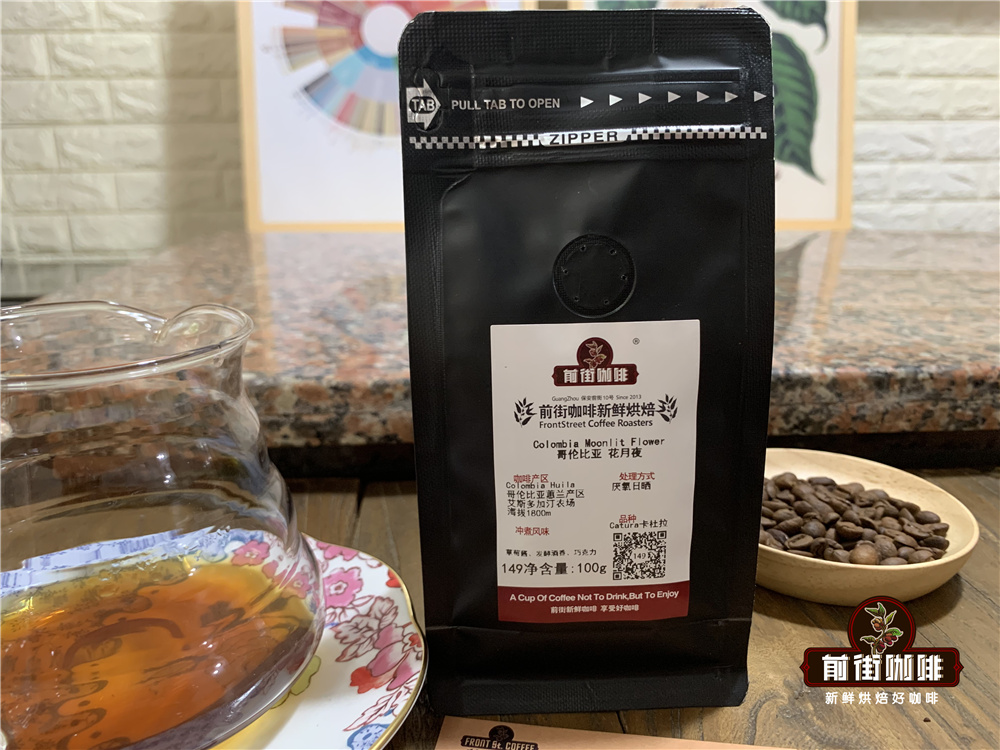
Although Front Street believes that washed coffee beans can better express native flavor, coffee beans with special processing methods also have unique flavors. For example, Front Street's Colombia Huayueye coffee has strawberry jam, chocolate, and fermented wine aromas, while Rose Valley coffee has rose, peach, and chocolate liqueur notes. These two single-origin coffees are very popular. For friends who like coffee but are afraid of not being able to sleep because of it, you can also choose Colombian Swiss Water Process decaf. Colombian decaf coffee beans also have very good flavor, with an intense mouthfeel and full body, carrying a sweet finish of vanilla and dark chocolate.
The above content is compiled by CoffeeHunters, a coffee news website.


