







What Defines Colombian Coffee Flavor and Its Growing Regions?
Colombian coffee flavor is rich and balanced, with nutty and cocoa notes typical of Latin America. The country's low latitude, high altitude, and volcanic soil allow harvests throughout the year. Starbucks House Blend has used Colombian beans since 1990. Growing regions differ in cup profile, and beans such as Pink Bourbon Isabella, Washed Huila, and Cauca Sakura show how much variety one origin can hold.
Altitude, climate, and soil drive flavor more than any other factor, with variety and processing method adding further variation. Colombia receives 2,000 to 3,000 millimeters of rain a year, and coffee areas average roughly 18 to 22.5 degrees Celsius. The subtropical mountains between 1,000 and 2,000 meters, plus volcanic soil, shape the coffee bean origin character behind Huila and Cauca lots.
Colombia occupies a significant place in the specialty coffee landscape thanks to its natural advantages of low latitude, high altitude, and volcanic soil. Its flavor is rich and balanced, often featuring nutty and cocoa notes—Starbucks House Blend became a core product in 1990 using Colombian beans. In this article, Front Street Coffee takes you through Colombia's coffee-growing conditions and the distribution of its main producing regions, and compares the flavor differences of Huila, Cauca, and other areas one by one, including detailed characteristics of several beans such as Pink Bourbon Isabella, Washed Huila, Anaerobic Natural Huayueye, and Cauca Sakura, helping coffee lovers gain a comprehensive understanding of the diversity of Colombian coffee.
In the specialty coffee world, Colombia's position cannot be overlooked, and this is inseparable from its exceptional growing environment. Coffee from this origin typically has a rich mouthfeel, balanced flavor, and the nutty and cocoa notes characteristic of Latin America, making it highly favored by coffee lovers worldwide. Starbucks House Blend uses Colombian beans and has been a core product since 1990. Next, Front Street Coffee will walk you through the flavor characteristics of this Colombian coffee bean.
As an agricultural product, coffee's flavor varies with the altitude, climate, and soil of its origin. Coffee variety and processing method also affect flavor, with the growing conditions of the origin having the most significant impact.
So what exactly are Colombia's coffee-growing conditions?
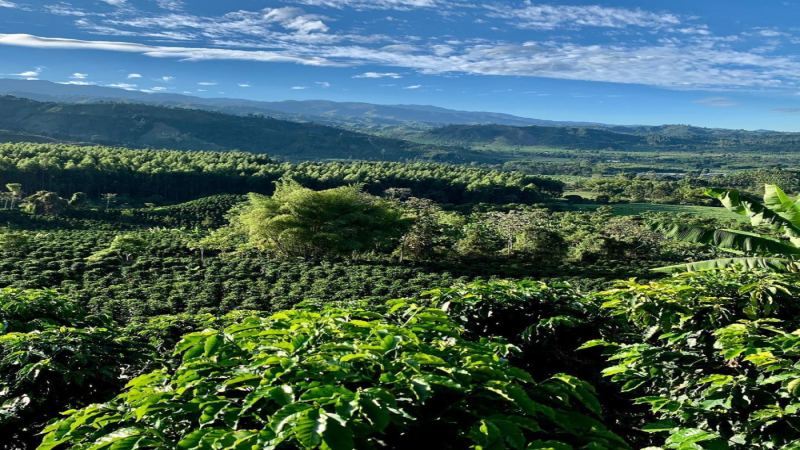
According to Front Street Coffee, Colombia is located in the northwest of the South American continent, bordering Panama in Central America. The country lies in the tropics, and its climate varies with terrain. It is rich in volcanic soil, with annual rainfall between 2,000 and 3,000 millimeters. The climate is mild and humid, and these diverse climate conditions allow Colombia to have coffee harvest seasons throughout the year. The southern part of the eastern plains and the Pacific coast have a tropical rainforest climate, the mountainous areas at altitudes of 1,000 to 2,000 meters have a subtropical climate, and the northwest has a tropical savanna climate. The average annual temperature ranges from 15.8 to 20.5 degrees Celsius, with coffee-growing regions averaging about 18 to 22.5 degrees Celsius.
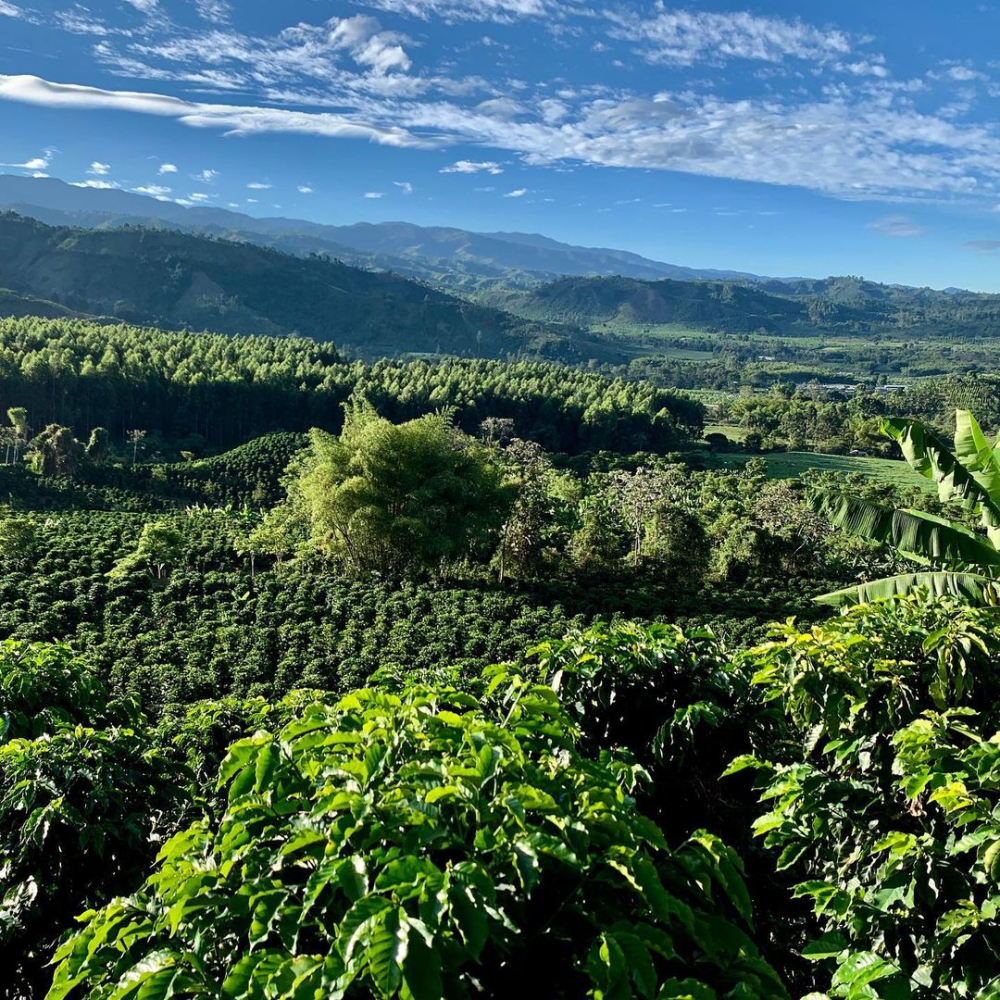
The combination of low latitude, high altitude, and volcanic soil gives Colombian coffee a balanced flavor, vibrant acidity, and distinctive flavor characteristics, with a relatively full body and sometimes a hint of red wine and admirable fruity notes.
Colombian Coffee Producing Regions
As Front Street Coffee mentioned above, the geography and climate vary among Colombia's smaller producing regions, so some regions can bear fruit twice a year. Next, Front Street Coffee will introduce several famous coffee-producing regions in Colombia.
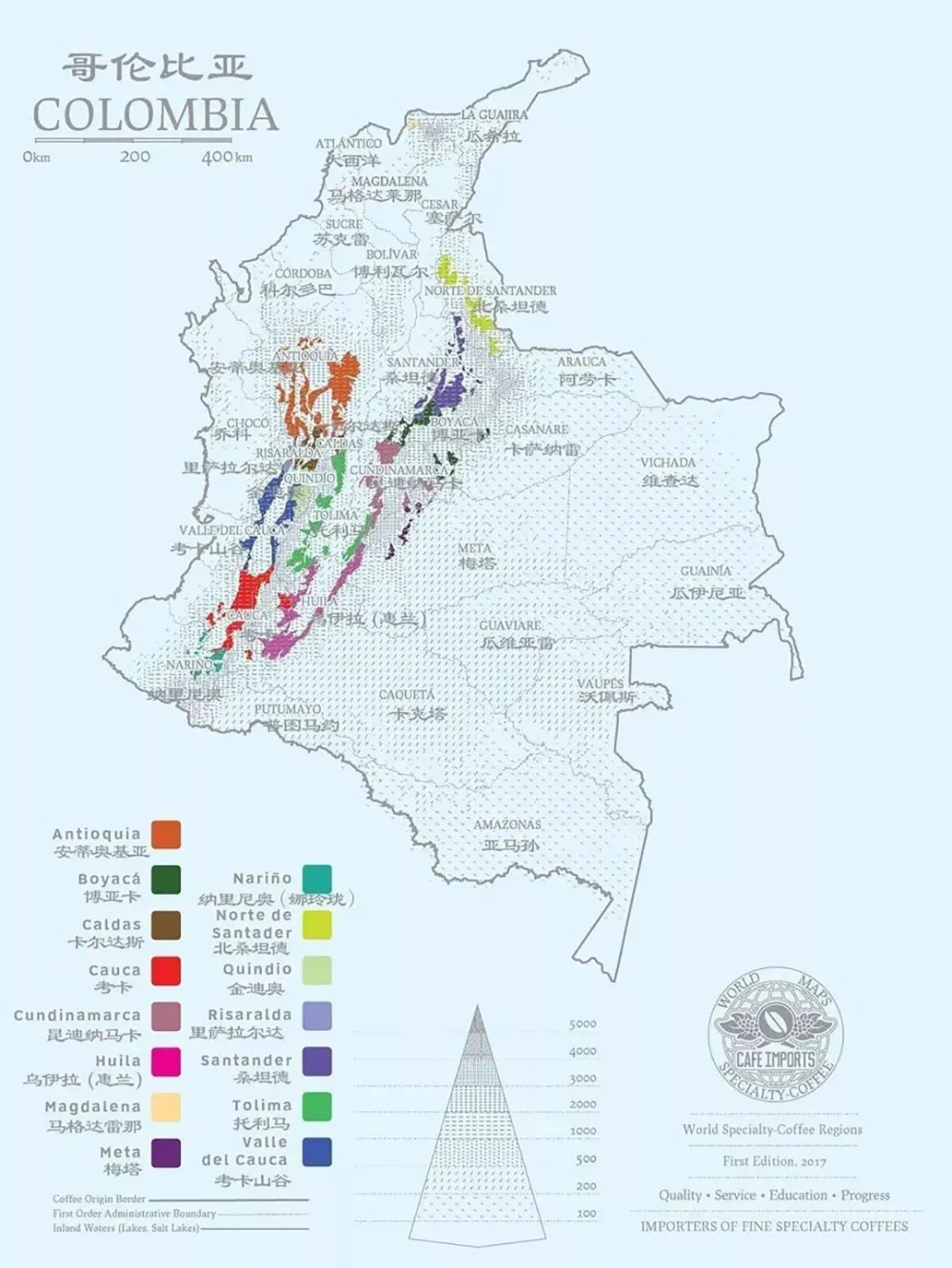
Colombia's coffee-producing regions are mainly concentrated in the south, all at altitudes above 1,500 meters, primarily in the departments of Huila, Cauca, Nariño, and Tolima. These regions generally feature refined acidity and berry-like sweetness, with abundant sweetness.
Huila Department
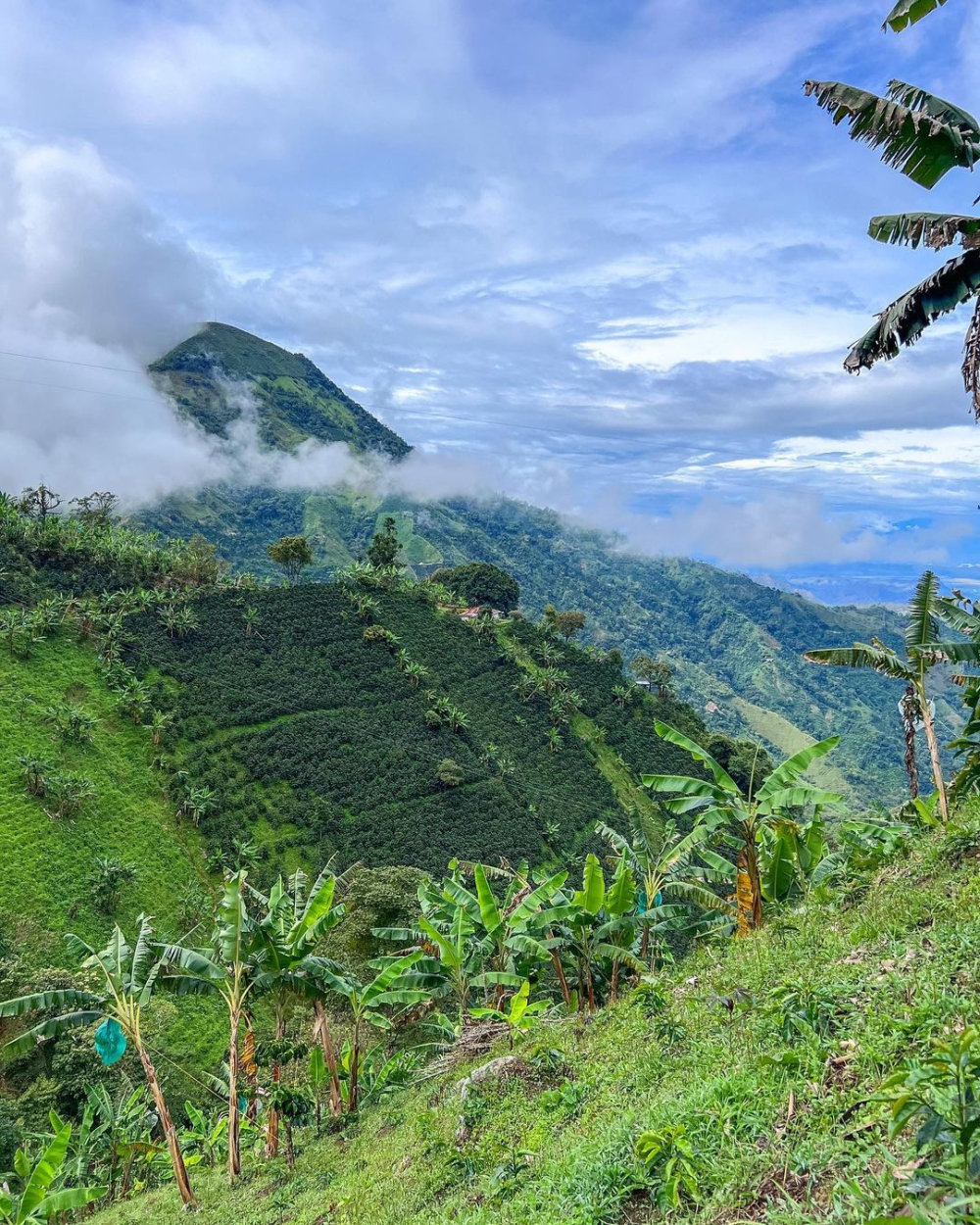
Huila Department is located in the southern part of Colombia's Central Cordillera. It is Colombia's most famous specialty coffee-producing region. This area consists of mountain-surrounded hills at altitudes above 1,500 meters, where Colombia's most important rivers converge, bringing abundant water resources and moisture. Unlike coffee fans' conventional impression of Colombian coffee as balanced and smooth, many micro-lot specialty Colombian beans produced by smallholders actually have strong regional flavor characteristics. Therefore, Front Street Coffee has also brought in several coffee beans from the Huila producing region, shared one by one below:
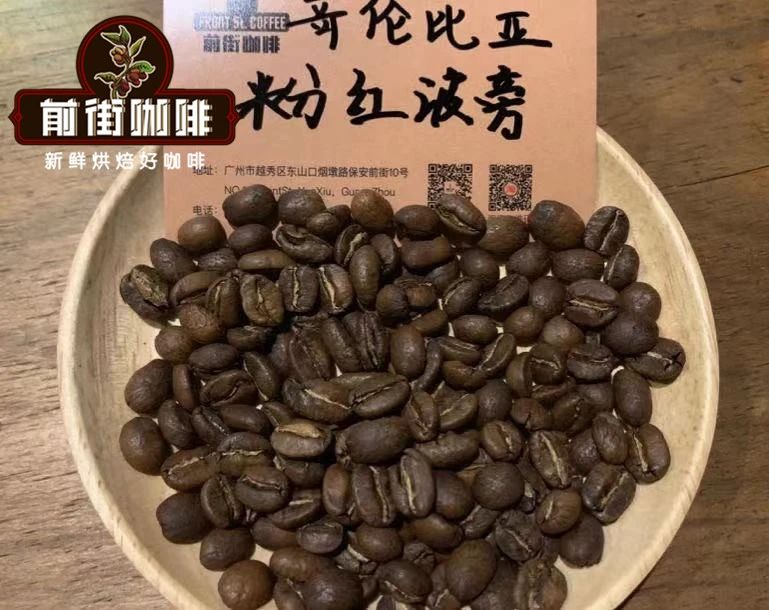
Front Street Coffee: Colombia Isabella Coffee Bean
Country: Colombia Region: Huila Altitude: 1,760m Variety: Pink Bourbon Processing: Semi-washed Flavor: Cherry tomato, citrus, floral, honey, fruit
The standout feature of Front Street's Isabella is that it is of the Pink Bourbon variety. This variety was first planted in the Huila region, initially interplanted with other Bourbon and Caturra varieties, and only later picked and processed separately.
Because the coffee cherries turn a romantic pink when ripe, it is called Pink Bourbon. However, maintaining this pink color is very difficult, because the color of the coffee fruit is ultimately determined by recessive genes in the pollen grains. This requires that the pollen grains involved in crossbreeding carry both the yellow gene tending toward Yellow Bourbon and the red gene tending toward Red Bourbon, and these are all recessive genes that easily interfere with each other. Therefore, Pink Bourbon is a very rare variety.
The reason Front Street put this Isabella coffee bean on its shelves is that the traditional flavor of Colombian specialty coffee is mostly heavy chocolate, while Isabella is different, with a distinctive cherry tomato flavor that easily evokes berry-like acidity, accompanied by vanilla and dark chocolate notes, with an overall sugarcane-like sweet finish and pronounced flavor layers. Therefore, Front Street introduced this Isabella for coffee fans to taste.
Front Street Coffee: Colombia · Huila Coffee Bean
Country: Colombia Region: Huila Altitude: 1,500–1,800 meters Variety: Caturra Processing: Washed Flavor: Nuts, dark chocolate, caramel, mild fruit acidity
This Huila coffee bean is the bean in Front Street Coffee's everyday-drink series that represents the flavor of the Colombian producing region. It uses the most traditional washed processing method, so it presents a clean and bright mouthfeel. Friends who want to understand Colombian coffee flavor may want to give it a try.
Front Street Coffee: Colombia · Huayueye Coffee Bean
Country: Colombia Region: Huila (Acevedo Gaitania Farm) Altitude: 1,800m Variety: Caturra Processing: Anaerobic natural Flavor: Strawberry, peach, fermented wine aroma, chocolate, fruit wine
Front Street's Huayueye coffee bean comes from Acevedo Gaitania Farm, where the estate owner Ramirez developed the anaerobic natural processing method. According to Front Street, he came from a coffee-growing family and began working in coffee production at the age of 18. He previously worked in professional coffee work in the city of Acevedo and later had the opportunity to buy Acevedo Gaitania Farm.
The farm grows the common Caturra variety. Caturra is a natural mutation of Bourbon, often featuring refreshing fruit acidity and mild sweetness in flavor, which also sets the tone for Huayueye coffee.
Cauca Department
Cauca Department is a certified region of origin for Colombian coffee, with an average altitude of 1,758 meters, reaching up to 2,100 meters. The region's terrain, rainfall, temperature, and volcanic soil provide suitable conditions for coffee cultivation. Eighty percent of the area is mountainous, with parallel mountain ranges in the east and center that are part of the Andes. The central range includes two major volcanoes, Sotara and Petacas. On the border, Cauca Department is similar to other southwestern producing regions in that rainfall shows a clear unimodal distribution, with the dry season mainly from August to September each year, followed by a rainy season that brings a concentrated coffee flowering season, and then a concentrated coffee harvest season the following year.
The biggest climatic difference between the Cauca producing region and other regions is probably its relatively large temperature variation, with a daily average temperature of 11 degrees Celsius and a daytime average of 18 degrees Celsius. The day-night temperature difference is an important factor in producing high-quality coffee. Low nighttime temperatures and relatively higher altitudes slow the pace of coffee growth, allowing the coffee seeds and beans to more fully absorb the nutrients of the coffee fruit, and also creating Cauca coffee's better acidity and widely praised distinctive sweetness. Therefore, Front Street Coffee has also brought in a Sakura coffee bean from Finca El Paraiso in Cauca Department to share with everyone.
Front Street Coffee: Colombia Cauca Sakura Coffee Bean
Country: Colombia Region: Cauca (Finca El Paraiso) Altitude: 2,050 meters Variety: Castillo Processing: Double anaerobic washed Flavor: Mugwort, berries, fermented aroma, spices, strawberry jam
According to Front Street Coffee, Finca El Paraiso is a coffee estate that Mr. Diego Samuel began operating in 2008, while also conducting research in agribusiness management. Initially, Finca El Paraiso was just a small 2.5-hectare family estate.
In 2015, Mr. Diego Samuel participated in a regional green bean cupping competition for the first time and won first place. After receiving recognition, he was even more motivated to devote himself to growing high-quality coffee. Currently, Finca El Paraiso mainly grows Bourbon, Laurina, Geisha, Castillo, and Colombia variety coffee trees. The Sakura coffee bean Front Street obtained uses the Castillo variety.
Castillo is known for its smoothness, aroma, and citric acidity. According to blind test results from Colombia's National Coffee Research Center, Castillo's flavor can reach the flavor quality of Caturra and Bourbon. This is also one of the reasons Front Street Coffee introduced this coffee bean.
Nariño Department
Nariño Department is located in southwestern Colombia, bordering the Pacific Ocean to the west and Ecuador to the south, with the Andes running across the entire department. Coffee is grown in the high-altitude cloud belt at 1,600 to 2,300 meters, with fertile volcanic soil. The vast majority of Nariño's annual production is purchased by large American bean traders. The department's total annual output is about 150,000 bags, of which only about 6,000 bags are hand-selected beans.
Tolima
Tolima is adjacent to Huila and Cauca, with the north-south trending Andes and Cordillera running through it. Between these two famous mountain ranges flows the Magdalena River from south to north, and the water and soil conditions are very suitable for coffee cultivation.
According to Front Street, farms in Tolima are generally slightly larger than those in other southern Colombian producing regions, at about 10 to 15 hectares. Cooperatives are prevalent here, with farmers sending small batches of fresh coffee cherries to cooperative processing plants. Some farmers also choose to process themselves, using their own small-scale processing facilities to handle the day's harvest.
The above is the relevant information compiled by Front Street Coffee about Colombian coffee bean origins and stories. We hope it can help coffee lovers who want to learn about related knowledge, so they can later choose Colombian coffee beans that suit their own taste.
For professional coffee knowledge exchange and more coffee bean information, please follow Coffee Workshop (WeChat public account: cafe_style)
For more specialty coffee beans, please add the personal WeChat of Front Street Coffee: kaixinguoguo0925
The above content is compiled by CoffeeHunters, a coffee news website.


