







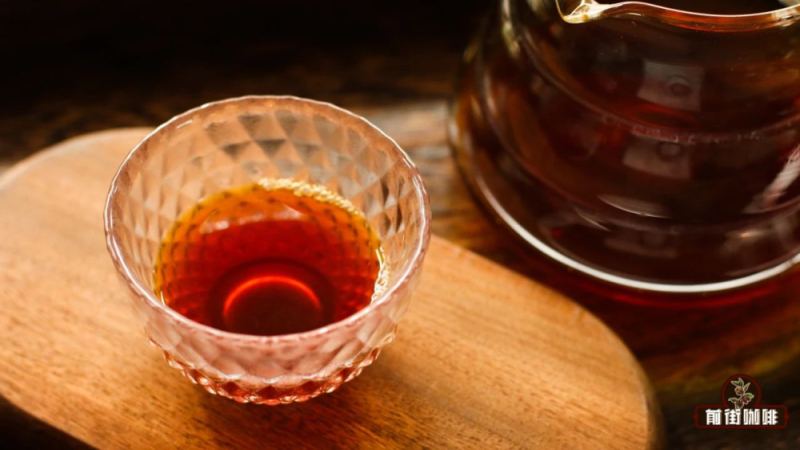
What separates arabica beans from Huila and Santander?
Colombia's Huayueye from the Acevedo Estate in Huila and Rose Valley from Finca El Arbol in Santander are both Caturra variety, yet they taste quite different. Huayueye is processed as an anaerobic natural, while Rose Valley undergoes a double anaerobic enzyme wash, so the two arabica beans land in separate flavor directions even though both carry rose-like aromatic notes in the cup.
Terroir explains part of the gap: Huila sits in southern Colombia's Central Cordillera with elevations above 1,500 meters, and arabica colombia growing conditions generally run from 1,200 to 2,000 meters with volcanic soil and 2,000 to 3,000 millimeters of annual rainfall. That mild, humid climate lets Colombia harvest cherries year-round, and processing then shapes how much rose aroma reaches the final cup.
In the world of coffee, some beans have inherently poetic names, and Rose Valley and Huayueye are prime examples. When many enthusiasts first hear these names, they can't help but wonder: do they really carry the scent of roses? And what's the difference between the two beans? This article will take you deep into Colombia's Huila region's Huayueye and Santander region's Finca El Arbol's Rose Valley, analyzing everything from terroir and varieties to processing methods and final cup profile. Front Street Coffee's selected Huayueye comes from the Acevedo Estate in Huila, while Rose Valley originates from Finca El Arbol. Both are Caturra variety, yet due to different processing methods—anaerobic natural and double anaerobic enzyme wash—they present completely different flavor directions. After reading this article, you'll clearly grasp the core characteristics and tasting points of these two beans.
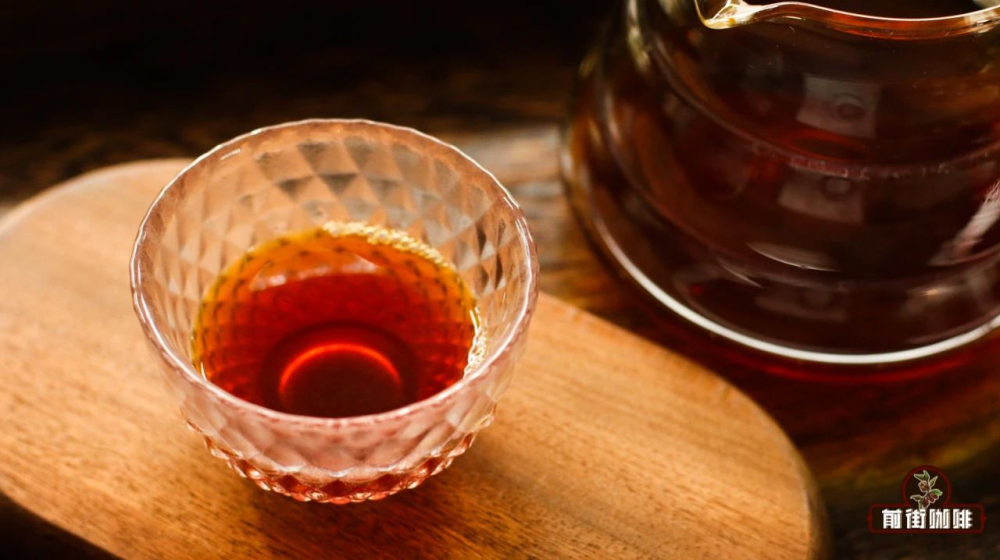
Coffee with poetic names often reminds people of personal names. Coffee bean naming is actually more evocative, such as Rose Valley and Huayueye. Upon hearing these names, one naturally wonders: is it called Rose Valley because the coffee carries a rose aroma? That line of thinking is quite interesting. Front Street will now guide everyone to explore whether these coffees truly contain rose fragrance, and what exactly the differences are between them.
Colombia's Huila Region
Even beginners in coffee know that Colombia is the world's third-largest coffee producer, mainly growing Arabica beans for the specialty coffee market, thus giving rise to many famous coffees, and Colombia's Huila is one of them. Front Street's Huayueye originates precisely from the Acevedo Estate in the Huila region.
At the same time, Colombia's coffee-growing conditions are truly exceptional. According to Front Street, Colombia's growing elevations generally range between 1,200 and 2,000 meters, covered with rich volcanic soil, with annual rainfall of 2,000 to 3,000 millimeters, a mild climate, and humid air. Because of this, Colombia can harvest coffee cherries year-round, which is also its inherent advantage as a major coffee-producing nation.
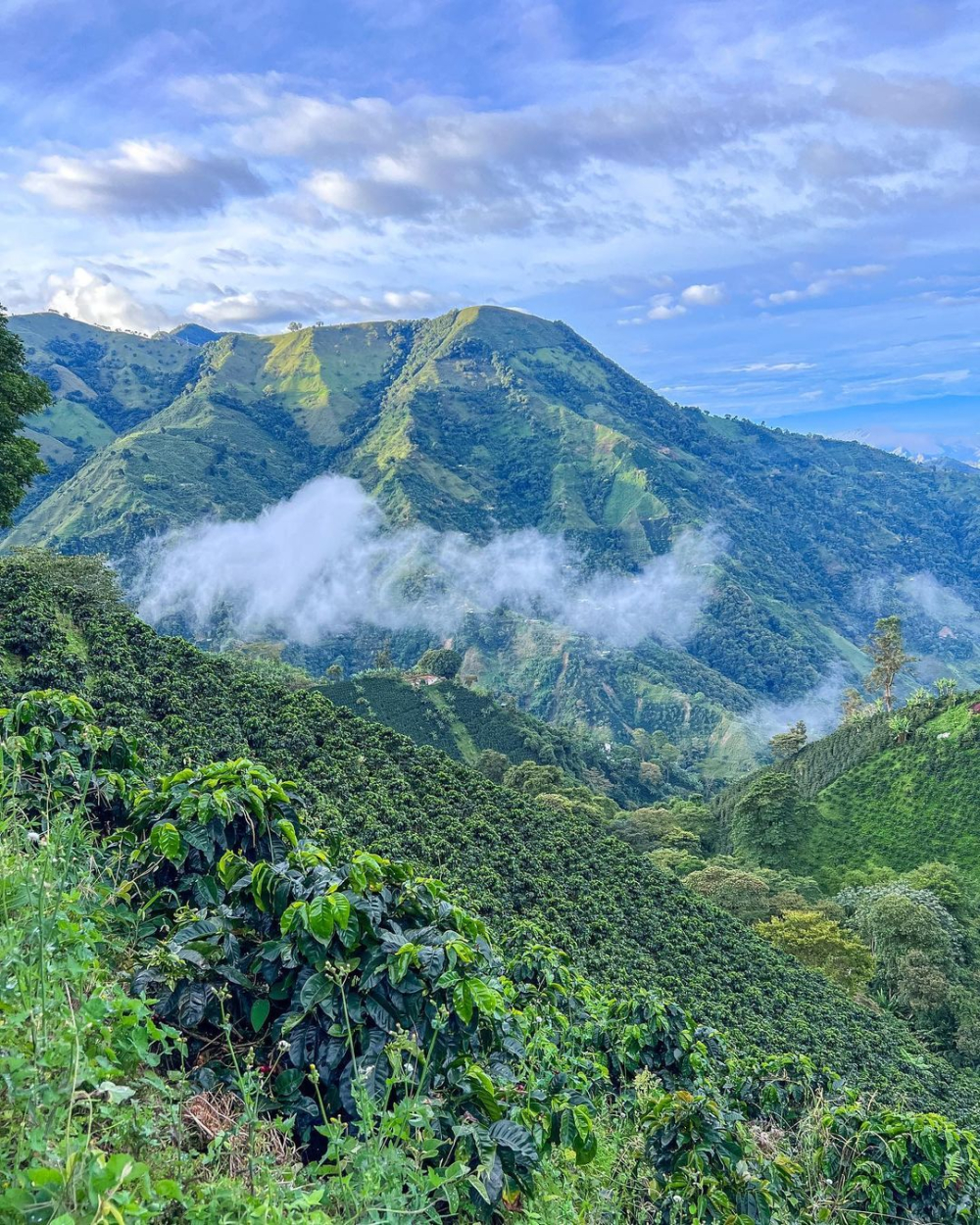
Huila Province is located at the southern end of the Central Cordillera in southern Colombia and is the country's most renowned specialty coffee region. This area is surrounded by mountains, mostly hilly terrain, with growing elevations exceeding 1,500 meters. Colombia's most important rivers converge here, bringing abundant water resources and moisture. Colombia Huayueye coffee comes from Huila, where mountains surround it, growing elevations are above 1,500 meters, water and soil resources are very rich, and it is also Colombia's most famous coffee region.
Coffee in the Huila region is all planted on canyon slopes, possessing the high elevation and suitable temperatures needed for growing quality Arabica beans. The canyon slope climate not only blocks cold winds from intruding, but gusts of mountain breeze bring coolness, avoiding high temperatures, and rainfall is also relatively abundant. According to Front Street, coffee cherry pickers in Colombia all go up the mountains to hand-pick coffee cherries, allowing for careful selection, picking only the ripest and fullest cherries.
Variety
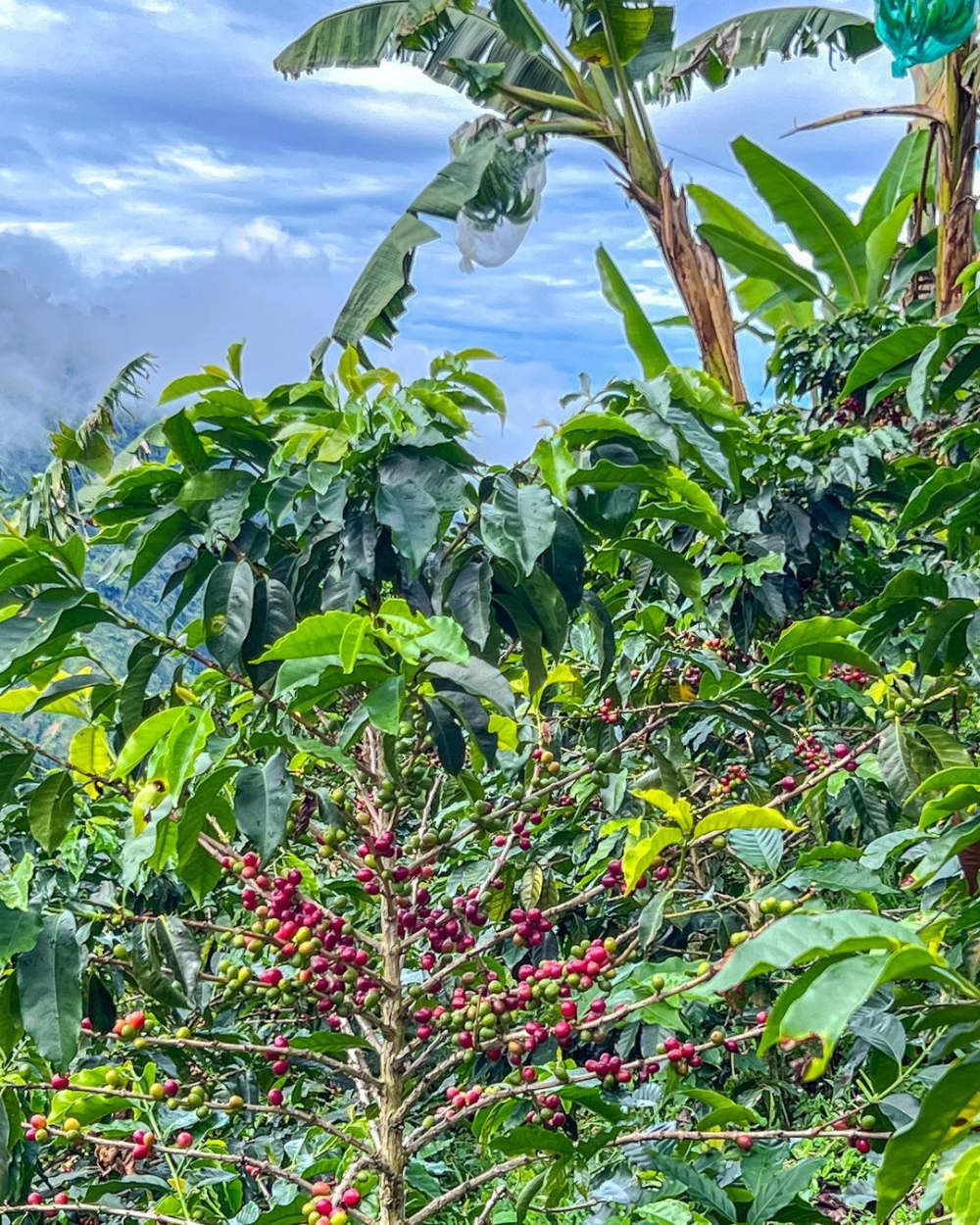
Caturra is a natural mutation of Bourbon, discovered in Brazil in 1937. Its tree is not as tall as Bourbon, being shorter. Caturra was introduced from Brazil in 1960 and currently accounts for 45% to 50% of Colombia's coffee cultivation, having replaced the earliest Typica. Caturra is suitable for planting at elevations of 700 to 1,750 meters; the higher the elevation, the better the flavor, typically featuring a refreshing fruit acidity and a light sweetness.
Front Street Coffee (FrontStreet Coffee): Colombia Huayueye Coffee Beans
Country: Colombia
Region: Huila
Altitude: 1800m
Variety: Caturra
Processing Method: Anaerobic Natural
Flavor: Strawberry jam, fermented wine aroma, chocolate
Rose Valley: Santander Region & Finca El Arbol
The Santander region is a famous producing area in northern Colombia, bordered by the Magdalena River to the west, with growing elevations of about 1,400 to 1,600 meters. Coffee beans from this region are known for their intense flavor, long finish, and unique fresh herbal notes.
Finca El Arbol's owner Vargas has been operating Finca El Arbol growing coffee for 20 years. At Finca El Arbol, only fully ripe coffee cherries with bright red skins are selected for picking, and floating defective beans are removed through washing, followed by two rounds of anaerobic fermentation and fermentation with a special enzyme group. Great attention is also paid to the drying process of the coffee beans, avoiding excessively high temperatures and adopting a slow drying method.
Rose Valley coffee cupping flavor: Winey chocolate, rose, cranberry, peach, cream
Huayueye Huila Region & Acevedo Estate
Huila Province is located in the southern part of Colombia's Central Cordillera and is the country's most famous specialty coffee region. This area is hilly terrain surrounded by mountains, with growing elevations above 1,500 meters. Colombia's most important rivers converge here, bringing quite abundant water resources and moisture.
Acevedo Estate is located in Acevedo city, Huila Province. The estate owner Ramirez comes from a coffee-growing family and has been engaged in coffee production since the age of 18. He worked in coffee-related professional jobs in Acevedo city, and later bought this estate called Acevedo, planting Caturra.
Rose Valley & Huayueye Processing Methods
Rose Valley: Double Anaerobic Enzyme Wash
This bean adopts the popular special anaerobic processing method of recent years, removing defective coffee beans through washing, then placing the processed coffee beans into a sealed container, injecting carbon dioxide to expel oxygen. In an oxygen-free environment, the decomposition rate of sugars in the coffee mucilage is slowed, pH also decreases at a slower rate, extending fermentation time, thereby developing better sweetness and more balanced flavors in the coffee.
Huayueye: Anaerobic Natural Processing Method.
The coffee beans are placed into sealed fermentation tanks, using low temperatures to extend the entire fermentation time. A fermentation period of 15-20 days allows the coffee to gain more flavor. After fermentation is complete, these coffee beans undergo sun-drying.
Variety: Also Caturra
Also Caturra, it is a natural mutation of Bourbon, discovered by people in Brazil in 1937. Its tree is not as tall as Bourbon, being shorter.
【Flavor Description】
In terms of processing methods, Rose Valley uses double anaerobic enzyme wash, so the acidity is more pronounced, while Huayueye uses anaerobic natural processing, making it overall more intense and balanced.
Overall, Rose Valley drinks more like a glass of juice, with grape and strawberry notes interwoven with floral aromas. Huayueye is more balanced, with floral and strawberry notes accompanied by a dark cocoa finish, cream, and fermented notes.
The above content is compiled by CoffeeHunters, a coffee news website.


