








Coffee Bean Processing: Comparing Anaerobic Natural and Anaerobic Washed
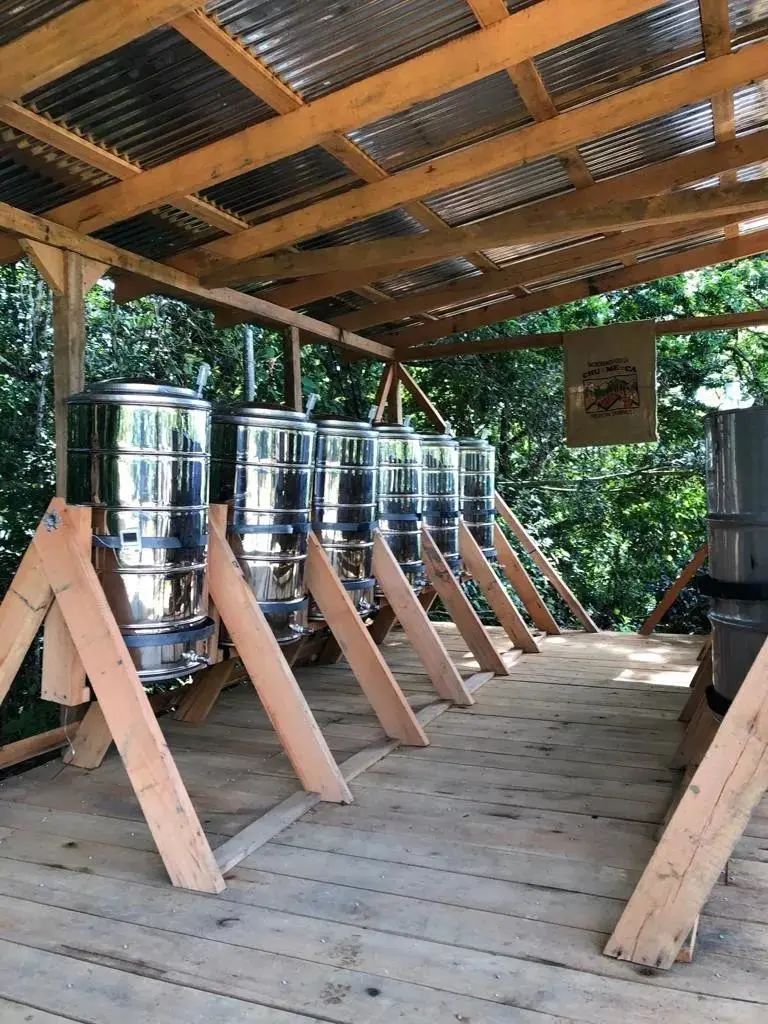
Anaerobic coffee bean processing ferments whole cherries in sealed stainless steel tanks or washing channels, using controlled microorganisms before drying. The sealed tank keeps aromas from prior lots out, so flavors stay clean. Both the anaerobic natural and anaerobic washed routes start this way, but diverge after fermentation in how the fruit and mucilage are handled before the drying stage.
That difference shows up in the cup. Anaerobic natural lots tend to carry heavier fruit and fermented sweetness, while anaerobic washed versions usually stay cleaner and brighter. Comparing them with standard washed and natural green coffee bean lots makes the impact of processing easier to taste. Cupping and brewing side by side, as with Huayueye and Monster Estate, gives a practical reference for buying and tasting.
As coffee enthusiasts deepen their understanding of coffee, more and more people are paying attention to coffee bean processing methods. Anaerobic fermentation, as a post-processing method that has attracted much attention in recent years, has brought more possibilities to coffee flavors. This article will analyze in detail the steps, processes, and flavor differences between anaerobic natural and anaerobic washed processing methods, and share Front Street Coffee's cupping and brewing experience. By comparing the characteristics of washed, natural, and anaerobic processing, it helps readers understand how different processing methods affect the final flavor of coffee. Front Street Coffee's two anaerobic natural beans, Huayueye and Monster Estate, will also be used as examples to show their unique charm. Whether you are a beginner or a seasoned enthusiast, you can gain practical references for purchasing and tasting.
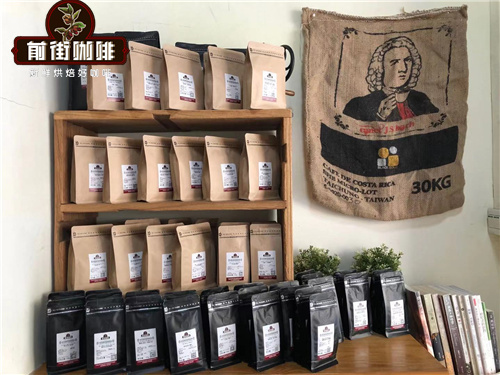
The coffee craze continues to heat up, and everyone's understanding of coffee has gradually deepened. From initially only looking at the packaging, to studying bean varieties, and then to pondering processing methods, this is a process of continuous accumulation. In this article, Front Street Coffee will chat with you about knowledge related to green coffee bean processing methods.
Friends who often come to Front Street Coffee will notice that the shop's pour-over single-origin lineup is quite large, with these beans covering more than fifty different producing regions. In addition, Front Street Coffee's baristas often brew some beans that are not yet listed to share with everyone, among which washed and natural processed beans are the most common, and occasionally anaerobic natural processed coffee beans that everyone is less familiar with also appear.
The anaerobic fermentation mentioned by Front Street Coffee is a very popular post-processing method in recent years. Generally, coffee cherries are placed in a sealed container, or fermented in water in a washing tank. During the process, different microorganisms are used to create unique flavors, and after fermentation ends, they are taken out for natural drying. The main characteristics of this processing method are as follows:
1. Use stainless steel containers (not prone to absorbing the aroma of previous coffee beans) to hold coffee cherries, which can make the flavor cleaner. 2. Fermentation in a sealed environment makes various variables easier to control, the quality of each batch of beans tends to be more stable, and aromatic substances are less likely to dissipate. 3. Under anaerobic fermentation conditions, the flavor is rounder and often carries creamy, buttery aromas. 4. Coffee beans using this method usually have a fuller body and are accompanied by vinous aromas.
The number of anaerobic natural beans listed by Front Street Coffee is relatively small. One reason is that before deciding to list them, Front Street Coffee goes through multiple rounds of baking plan adjustments and necessary processes such as cupping and brewing. If a bean lacks distinctive features, Front Street Coffee will create a file for it but will not put it on sale.
Therefore, every bean listed by Front Street Coffee has sufficient reason. Although anaerobic natural beans are fewer than washed and natural beans, Front Street Coffee still has products listed. For example, the Colombia Front Street Huayueye coffee beans are processed using the anaerobic natural method.
This Front Street Huayueye coffee bean introduced by Front Street Coffee comes from the Acevedo Galindo farm in the Huila producing region, and Huila is Colombia's most famous specialty coffee producing region. Coffee from Huila is usually planted on canyon slopes, where high altitude and superior climate complement each other, with abundant rainfall. Front Street Coffee has cupped many Huila beans and generally believes that Huila coffee has a full mouthfeel, heavy body, aromas of nuts, chocolate, caramel, and soft, pleasant fruit acidity.
This anaerobic natural Front Street Huayueye coffee bean also went through the cupping process. Front Street Coffee's barista used a 200ml standard cupping bowl, with the grind size set so that 70%-75% passed through a No. 20 standard sieve, 11.3g of coffee powder, and a water temperature of 94 degrees Celsius. First grind and smell the dry aroma. The dry aroma of Front Street Huayueye coffee beans gives off fermented vinous and chocolate notes, then pour water to fill the bowl and confirm the wet aroma. After 4 minutes, break the crust and remove the grounds for flavor evaluation. The wet aroma carries the scent of strawberry jam. Next, conduct a second confirmation through pour-over brewing.
When Front Street Coffee brews this Front Street Huayueye coffee bean, it uses a Hario V60 dripper, with the grind size set at 10 on an EK43s grinder (caster sugar coarseness), a coffee-to-water ratio of 1:15, and a water temperature of 90-91 degrees. The brewing method uses Front Street Coffee's most commonly used three-stage extraction method in stores, which is also suitable for beginners.
In the first stage, pour 30 grams of water and bloom for 30 seconds, then pour 95 grams (the electronic scale shows about 125 grams), finishing in about 1 minute; when the water level drops to 2/3 of the coffee bed, pour the remaining 100 grams (the electronic scale shows about 225 grams), finishing in about 1 minute 40 seconds. Dripping is completed at 2 to 2 minutes 10 seconds. Remove the dripper, and extraction is finished.
Front Street Colombia Huayueye brewing flavor: intense strawberry aroma, strawberry acidity on entry, jam-like sweetness in the middle, a slight cocoa note in the finish, and a mouthfeel as smooth as juice.
You will find that coffee beans processed by anaerobic natural have a stronger fermented vinous aroma than washed or natural processed beans, and a higher body as well. In addition to Front Street Huayueye, Front Street Coffee also has a Costa Rica Front Street Monster Estate coffee bean, also processed using the anaerobic natural method. After cupping it, Front Street Coffee found that the dry aroma has a very rich cinnamon flavor, and the wet aroma, in addition to cinnamon, also carries caramel sweetness.
Then brewing was carried out, and sure enough, it presented rich cinnamon, caramel, and gingerbread notes, so Front Street Coffee jokingly calls this Front Street Monster Estate coffee bean "Christmas coffee bean."
It can be seen that processing method is also an important factor affecting coffee flavor, so when choosing coffee beans, everyone may as well start from this angle. Front Street Coffee believes that the washed processing method can show the coffee's origin characteristics, variety characteristics, and acidity to the greatest extent; moreover, the washed method removes the pulp first and then dries the beans, which can reduce the risk of problems with the beans. Natural processing, on the other hand, dries the beans together with the skin and pulp, so the fruit flavor seeps into the beans during drying instead of being washed away like in the washed method. The flavor brought by natural processing is very unique, with a richer fruitiness than washed beans, and while acidity is reduced, it also carries sweetness.
Each processing method gives the beans a different flavor, and everyone can choose according to their own taste preferences.
For more specialty coffee beans, please add the private WeChat of Front Street Coffee, WeChat ID: kaixinguoguo0925
The above content is compiled by CoffeeHunters, a coffee news website.


