







Search Results for: Honduras Sweet Orange Estate
Honduras Coffee Regions, Grading, and Flavor Characteristics: Front Street Coffee's Selection of Sweet Orange Estate and Washed Caturra Introduction
Honduras, as an important coffee-producing country in Central America, was long classified as a "medium-quality blended coffee," but since hosting its first COE competition in 2004, its high-quality potential has gradually been recognized by the world. This article reviews Honduras's six major producing regions and emerging micro-regions, with a focus on two beans offered by Front Street Coffee—Sweet Orange Estate and Washed Caturra—covering origin information, cupping flavors, roasting curves, and brewing parameters, giving you a comprehensive understanding of this Central American producing country's coffee strength and unique charm. [more…]
An Analysis of Honduran Coffee Aroma Characteristics: From COE Champions to Sweet Orange Estate Specialty Beans Overview
As an important coffee-producing country in Central America, Honduras has long been labeled as a source of "average-quality blended coffee," but the inaugural COE competition in 2004 made the world re-examine the terroir potential of this land. From the perspective of Front Street, this article will review Honduras's six major producing regions and distinctive micro-regions, with a focus on specialty coffee beans from Sweet Orange Estate in La Paz Department in the southwest and Mocha Estate in the Marcala region, analyzing the source of their orange aroma and their cupping performance. It also includes Front Street's roasting curve and brewing parameters for washed Caturra, providing coffee enthusiasts with a complete reference from understanding producing regions to hands-on brewing. [more…]
The Past and Present of Honduras Sweet Orange Estate Catuai Coffee Beans and a Pour-Over Flavor Analysis
Honduras, as a Central American coffee producer that has risen to prominence, is known for its coffee's floral and fruity aromas and soft juicy notes, along with exotic spicy hints and a rich, nutty-chocolate finish. This article starts with Honduras's geographical conditions and coffee development history, systematically outlining its altitude classification and defect grading standards, detailing the flavor characteristics of its six major producing regions, and highlighting the Catuai coffee beans from the Sweet Orange Estate in the La Paz region. Front Street Coffee will share this bean's roasting curve, cupping performance, and pour-over parameters, providing coffee enthusiasts with a complete brewing reference. [more…]
Flavor Characteristics of Honduras Sweet Orange Estate Washed Coffee Beans and Pour-Over & French Press Brewing Techniques
Honduran coffee is renowned for its unique flavors, and this time Front Street Coffee focuses on the washed beans from Sweet Orange Estate, rather than specially processed varieties like Sherry or Lychee Orchid. Sweet Orange Estate is located in the Marcala region, where wild orange trees provide shade, endowing the coffee with rich sweetness and floral-fruity aromas. These washed beans present flavors of almond, cedar, dark chocolate, dark fruits, and caramel, with a full body, suitable both for espresso blends and single-origin brewing. Through repeated roasting and cupping, Front Street determined that a medium roast best showcases its sweetness and aromatic layers. This article will share two brewing methods: the three-pour pour-over and the French press. The former highlights pomelo peel and citrus acidity, while the latter delivers balanced chocolate notes and a lingering caramel finish, helping enthusiasts easily recreate the ideal flavor at home. [more…]

Exploring Honduras' Sweet Orange Estate: The Rise of High-Altitude Specialty Coffee and the Secret to Its Frequent Wins at the Cup of Excellence
Honduras has performed impressively on the international coffee stage in recent years, with its export volume now ranking third in Latin America and fifth globally. From early industry lag to today's frequent emergence of specialty coffees, this Central American country has completed a remarkable transformation. Among them, El Naranjo estate, located in the Marcala region, has become one of the representative estates of Honduran specialty coffee thanks to its high altitude of 1,800 meters, the careful cultivation of Catuai and Geisha varieties, and its strong track record of multiple Cup of Excellence (COE) awards. Front Street Coffee takes you on an in-depth look at this estate, named after the orange trees used for shade, exploring its flavor characteristics, management philosophy, and sustainable development practices. [more…]
Honduras Sweet Orange Estate Caturra Washed Beans: Flavor Profile, Processing Method, and Brewing Parameters Explained
Honduran coffee is known for its high sweetness and citrus notes, and El Naranjo is one such bean worth savoring. The estate is located in Marcala in the La Paz region, with wild orange trees as shade trees, infusing the coffee with rich floral and fruity aromas. This article focuses on Front Street Coffee's Caturra washed bean, covering the estate background, variety characteristics, washed processing flow, roasting curve, cupping report, and V60 brewing parameters, fully presenting its flavor performance and brewing approach. It is suitable for enthusiasts who want to gain a deeper understanding of Honduran coffee or are looking for an everyday staple bean. [more…]

A Comprehensive Analysis of the Pour-Over Parameters and Flavor Characteristics of Honduras Sweet Orange Estate Coffee Beans, Light Roast
Honduras, as the largest coffee-producing country in Central America, has seen its coffee industry travel a winding road from obscurity to the ranks of the world's leaders. This article will start with Honduras's coffee development history, producing regions, and grading system, then focus on the washed Catuai variety from Sweet Orange Estate in the La Paz producing region in the southwest. Front Street Coffee will share this bean's green coffee characteristics, the design approach for its roasting curve, and complete brewing parameters for pour-over at a light roast, including grind size, water temperature, and coffee-to-water ratio, as well as a detailed description of its flavor layers of spicy roasted peanut dry aroma, berry acidity, and genmaicha finish, providing coffee lovers with a practical brewing reference. [more…]
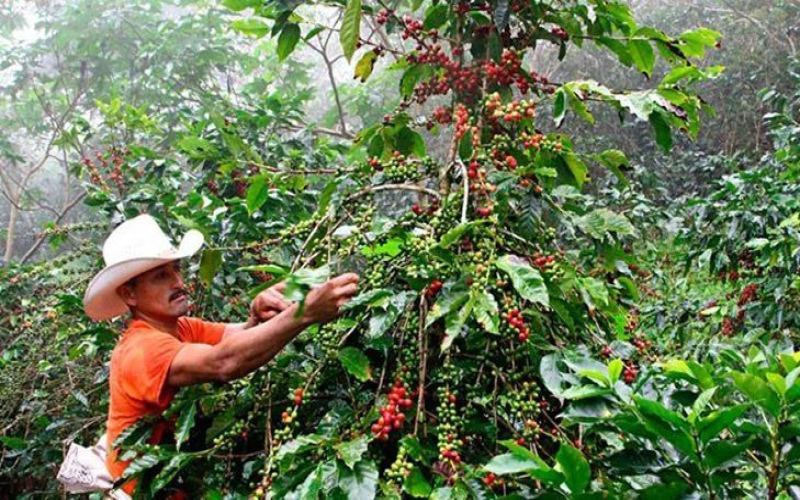
The Rise of the Honduran Coffee Industry and a Complete Guide to Front Street Honduran Coffee Beans: Pour-Over Parameters, Water Temperature, and Ratios
Honduras is an important coffee-producing country in Central America. Although it started late, it caught up quickly: by 2011 its output had surpassed Guatemala's, and today it ranks firmly among the world's top ten coffee producers. This article will provide a comprehensive overview of Honduran coffee from the perspectives of its historical development, producing regions, variety characteristics, grading standards, and processing methods. It will also combine the practical brewing experience of several Honduran coffee beans from Front Street Coffee to share pour-over parameters and water-temperature ratios in detail. Whether you want to understand the regional flavors of Honduran coffee or are looking for practical pour-over solutions, this article can provide valuable reference. [more…]
A Complete Guide to Honduran Coffee: Six Major Regions, Grading System, Bean Characteristics, and Front Street Coffee's Top Picks
Honduras is the largest coffee-producing country in Central America and a major global exporter of washed Arabica beans. Coffee here is known for its exotic spice-like aromas, rich nutty and chocolatey finish, and balanced complexity. Since its introduction in the late 18th century, Honduran coffee has gone through a tortuous journey from lagging behind to rising, and today it has six major regions including Copán and Opalaca, as well as a strict grading system based on altitude and defect rate. This article will give you a comprehensive understanding of Honduras coffee's geographical conditions, development history, regional distribution, processing methods, and main varieties, and introduce specialty coffee beans selected by Front Street Coffee, such as Sweet Orange Estate, Mocha Estate Sherry, and Lychee Orchid. [more…]
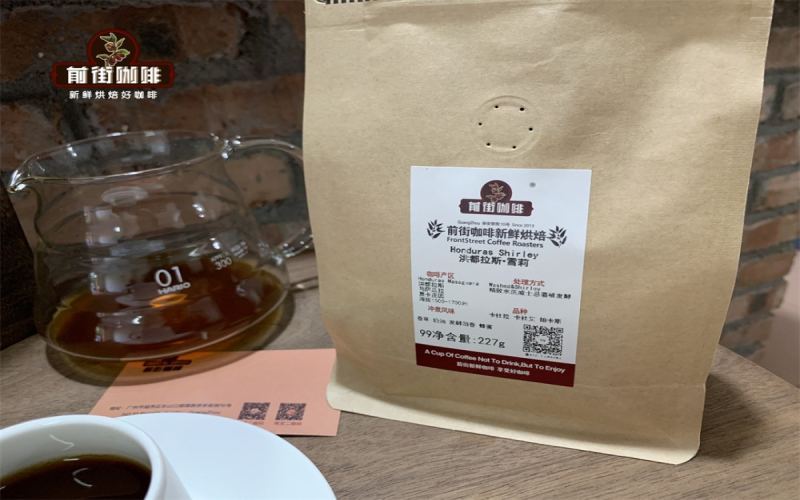
Flavor Analysis of Honduran Coffee Regions and Brewing Guide for Sweet Orange Estate Barrel-Aged Coffee
Honduras, as the largest coffee-producing country in Central America, has rapidly gained popularity in recent years thanks to its barrel-fermented Sherry and Litchi orchids coffees. This article will systematically review the terroir characteristics and flavor profiles of Honduras's six major coffee-producing regions, explain in detail the characteristics of major varieties such as Caturra, Catuai, and Pacas, and provide an in-depth introduction to the barrel-processing technique of Sweet Orange Estate (Mocha Estate). At the same time, Front Street Coffee will share the brewing parameters and flavor descriptions of two popular beans, Sherry and Litchi orchids, to give you a comprehensive understanding of the unique charm of this emerging specialty coffee-producing country. [more…]
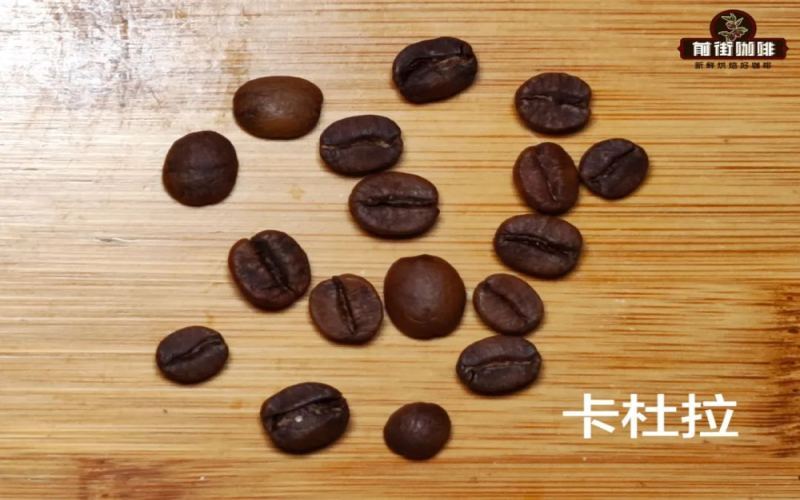
Caturra vs. Catuai Coffee Varieties: Flavor Characteristics and Brewing Performance of Catuai
In the variety labeling of South American specialty coffee, the similarly named pair of varieties Caturra and Catuaí often appear together, sparking curiosity among many coffee enthusiasts. What exactly is the relationship between the two? As a natural mutation of Bourbon, Caturra changed the planting landscape of Central America with its compact plant size and adaptability to sun exposure; Catuaí, a cross between Mundo Novo and Yellow Caturra, combines high yield with resistance to wind and rain. This article systematically sorts out the differences and connections between the two, from variety origins and botanical characteristics to cup profile, and uses the Catuaí from Honduras's Sweet Orange Estate as an example to showcase Front Street Coffee's brewing approach and flavor performance. [more…]
A Detailed Guide to Honduran Coffee Origins and Processing Methods, with Pour-Over Parameters for El Laurel Estate Washed Parainema
Honduras is the largest coffee producer in Central America and a globally important supplier of washed Arabica beans. From the perspective of Front Street Coffee, this article systematically reviews the origin history, washed processing procedures, varieties, and grading system of Honduran coffee, and focuses on sharing the roasting curves, cupping performance, and pour-over extraction parameters of two beans: Sweet Orange Estate and Laurel Estate. Among them, the flavor layers and grind size adjustment approach of the washed Parainema variety from Laurel Estate are the core highlights of this article, making it suitable for enthusiasts who want to gain a deeper understanding of the flavor sources and brewing details of Honduran coffee. [more…]
A Complete Analysis of the Caturra and Catuai Coffee Varieties: Origins, Characteristics, and Front Street Coffee's Recommended Bean List
Caturra and Catuai are common variety labels on coffee beans from Central and South America, and the two names are similar with deep connections. Caturra originated from a natural Bourbon mutation discovered in Brazil, with a compact size, high yield, and no need for shade; Catuai is a hybrid offspring of Mundo Novo and Yellow Caturra, combining high yield with stress resistance. This article provides a detailed overview of the discovery history, plant characteristics, cupping performance, and cultivation adaptability of these two varieties, and explains why they often appear together in the same coffee. Front Street Coffee also recommends a number of related bean lists, including Colombia Huila, Costa Rica Musician Series, and Honduras Sweet Orange Estate, with brewing demonstrations and flavor descriptions to help you fully understand the charm of these two varieties. [more…]
A Complete Guide to Honduran Coffee Regions: Six Major Origins, Grading System, and Flavor Characteristics
Although Honduras entered the coffee industry relatively late, it quickly rose to prominence thanks to its superior geographical conditions and microclimates, becoming the largest coffee producer in Central America and a major global producer of Arabica. This article systematically reviews the historical development, growing environment, and grading standards of Honduran coffee, and provides detailed explanations of six major producing regions: Copán, Opalaca, Montecillos, Comayagua, Agalta, and El Paraíso. It also includes Front Street Coffee's on-location photos, roasting curves, and brewing suggestions, giving you a comprehensive understanding of the unique charm of this rising star of Central American coffee. [more…]
A Comprehensive Guide to Honduran Coffee: From Six Major Regions to Specialty Estates, Pour-Over Flavors, Varieties, and Processing Methods
Honduras is now a major global Arabica coffee producer, but its rise to prominence has not been smooth sailing. From the perspective of Front Street Coffee, this article systematically reviews the development history, grading system, and six core producing regions of Honduran coffee, and provides an in-depth analysis of the varieties, processing methods, and roasting and brewing details of three specialty beans: Twin Blossom Estate, Laurel Estate, and Sweet Orange Estate. You will learn about the chocolatey sweetness of the Copán region, the lively fruit acidity of Montecillos, and the flavor differences brought by washed and natural processing, making it suitable for enthusiasts who want a comprehensive understanding of Honduran coffee. [more…]
A Complete Guide to Honduran Coffee Regions: Sweet Orange Estate Catuai Variety and Pour-Over Techniques Explained
Honduras is the largest coffee-producing country in Central America, and its six major regions each have their own distinctive terroir. This article will guide you through Honduras coffee's geographical environment, the distribution of its main producing regions, the characteristics of varieties such as Caturra and Catuai, and processing methods including washed and barrel-aged fermentation. At the same time, two popular beans from Front Street Coffee, Sherry and Litchi Orchid, also originate from this country. The article will also share specific pour-over parameters and brewing suggestions to help you better savor the wine-like aroma and fruity notes of Honduran coffee. [more…]
A Complete Analysis of Honduran Coffee Bean Origins and Flavors: From Geographical Conditions to Six Major Regions, Varieties, and Processing
Honduras is the largest coffee-producing country in Central America and an important global supplier of washed Arabica beans. This article will systematically introduce the flavor characteristics of Honduran coffee beans and the reasons for their popularity from the perspectives of geography, historical development, the grading system, the six major producing regions, varietal characteristics, and processing methods. Through field investigations and repeated cupping, Front Street Coffee has listed a number of Honduran beans with diverse styles, covering producing regions such as Copán, El Paraíso, and Marcala, featuring both the clean fruit acidity of washed beans and the unique wine aroma of barrel-fermented beans, offering coffee enthusiasts a rich variety of choices. [more…]
A Complete Guide to Honduras's Six Major Coffee Regions: Flavor Profiles, Grading System, and Origin Stories
Honduras is located in northern Central America. Although its coffee industry started relatively late, it has risen rapidly thanks to its excellent natural conditions and has become an important global producer of Arabica coffee. This article will systematically review Honduras's coffee development history, geographical advantages, and grading system, and introduce one by one the six major producing regions of Copán, Opalaca, Montecillos, Comayagua, Agalta, and El Paraíso. At the same time, it will also present Front Street Coffee's bean selection and brewing practices in Honduras, helping coffee lovers gain a comprehensive understanding of the unique charm of this Central American coffee newcomer. [more…]
Key Points for Brewing Honduran Pour-Over Coffee and a Detailed Guide to Washed Beans from San Juan and Other Regions
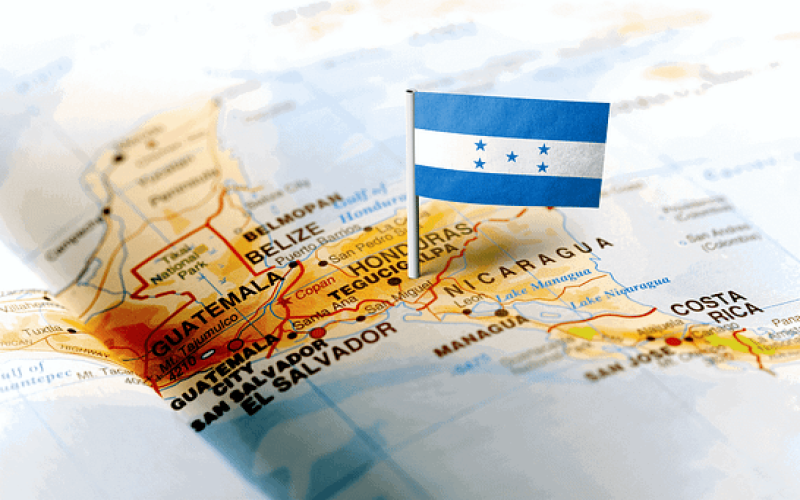
Although Honduras is a latecomer to the Central American coffee industry, it has risen rapidly thanks to its production advantages and distinctive flavors. This article systematically reviews the characteristics of Honduran washed coffee beans, from producing regions and grading to specific brewing parameters. Using several Honduran beans as examples, Front Street Coffee shares a complete practical approach from roasting curves to staged extraction, helping coffee enthusiasts master the key points of pour-over Honduran coffee and presenting its balanced expression of floral and fruity notes with nutty and chocolate tones. [more…]
Honduran Coffee Bean Grading System, Flavor Characteristics, and the Stories Behind the Geographical Indications of Eight Major Producing Regions
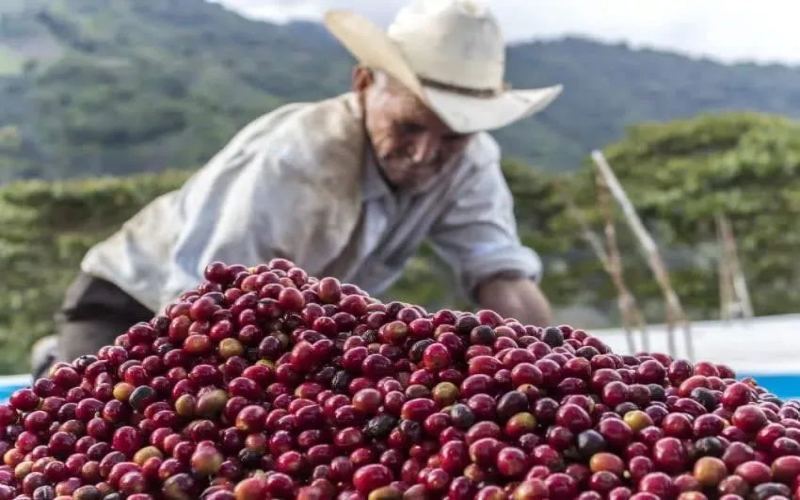
Honduras, as an important coffee-producing country in Central America, has seen its coffee industry undergo a transformation from rudimentary processing to specialty-grade refinement. This article will guide you through Honduras's coffee bean grading standards, the distribution of its six major regions and eight sub-regions of western coffee, as well as the country's first government-protected geographical indication system. At the same time, we will also share Front Street Coffee's brewing recommendations for Honduras's Sweet Orange Estate, helping coffee enthusiasts better savor the unique flavors of this Central American origin. [more…]