







How does the roasting process shape Honduras coffee flavor?
Honduras Sweet Orange Estate washed beans, grown in the Marcala region under wild orange shade trees, show flavors of almond, cedar, dark chocolate, dark fruit, plum, and caramel with a full body. Front Street Coffee found through repeated roasting and cupping that a medium roast highlights the sweetness and aromatic layers, as the roasting process balances the fruit acidity against the deeper notes.
Honduras began cultivating coffee in 1804, and its plantation coffee beans now cover 280,000 hectares, mostly farmed by smallholders. For home brewing, a three-pour hand drip brings out pomelo peel and citrus acidity, while a French press yields balanced chocolate and a lingering caramel aftertaste. The beans work both in espresso blends and as a single origin.
Honduran coffee is famous for its unique flavors. This time, Front Street Coffee focuses on the washed beans from Sweet Orange Estate, rather than specially processed varieties like Sherry or Lychee Orchid. Sweet Orange Estate is located in the Marcala region, where wild orange trees provide shade, giving the coffee a rich sweetness and floral-fruity aroma. These washed beans present flavors of almond, cedar, dark chocolate, dark fruits, and caramel, with a full body, suitable for both espresso blending and single-origin brewing. Through repeated roasting and cupping, Front Street has determined that a medium roast best showcases its sweetness and aromatic layers. This article will share two brewing methods: the three-pour hand drip and the French press. The former highlights pomelo peel and citrus acidity, while the latter brings a balanced chocolate flavor and a lingering caramel aftertaste, helping enthusiasts easily recreate the ideal flavor at home.
When it comes to Honduran coffee, Front Street Coffee guesses that the first thing that comes to mind might be specially processed beans like Sherry or Lychee Orchid, which, besides the coffee's original taste, carry whiskey or brandy-like notes. However, today Front Street Coffee is not talking about those two, but rather coffee beans from Honduras Sweet Orange Estate.
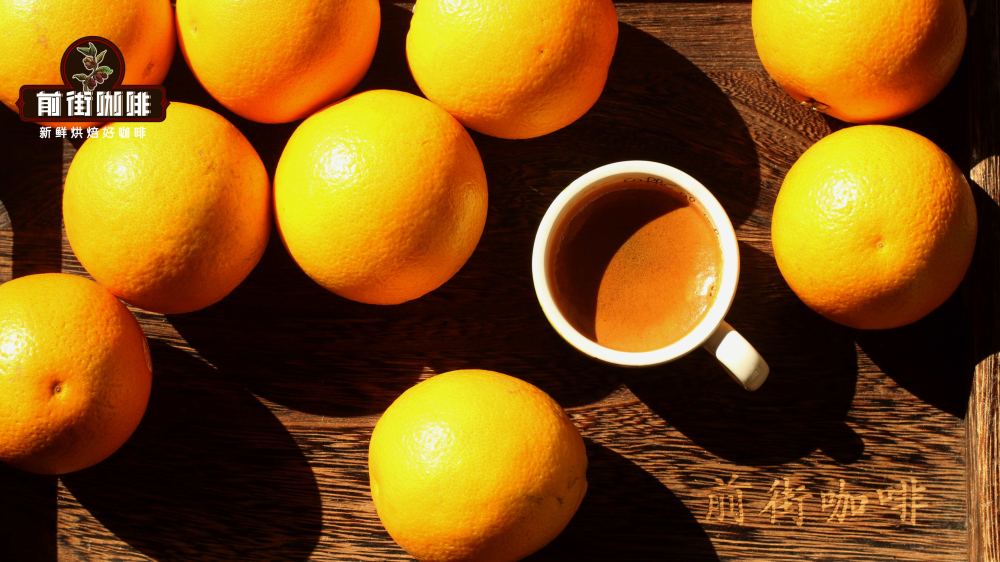
Honduras began cultivating coffee in 1804, and today the coffee plantation area reaches 280,000 hectares, mostly operated by smallholders. Sweet Orange Estate is located in the Marcala region of Honduras, where tall wild orange trees serve as shade trees. The wild oranges have an exceptionally rich aroma, which gives the coffee produced here a rare sweetness, and the orange trees also infuse the coffee with layered floral and fruity notes.
The Sweet Orange Estate beans that Front Street Coffee has purchased are different from Sherry and Lychee Orchid; they use the washed processing method. The flavor characteristics of this Honduran coffee are mainly almond, cedar, dark chocolate, dark fruits, plum, and caramel, with a full body. It can be used in blends or brewed as a single origin. If Honduran coffee is used to make espresso, the result will be surprising.
Before Front Street Coffee releases any beans, they first roast and then cup them, repeating this cycle and continuously adjusting the roasting curve to maximize the best flavor of each bean.
During the roasting process of Honduran coffee beans, Front Street Coffee noticed a characteristic: as the roast level changes, the flavor and layers of the beans also change. When Front Street sets the roast to medium, the coffee shows a pleasant sweetness; after entering dark roast, the bitterness increases like most beans, but the sweetness of Honduras does not disappear. Therefore, Front Street's conclusion when roasting Honduran beans is that a medium roast has the best taste, with rich and unique aromas.
Every bean you receive has gone through multiple rounds of selection by Front Street Coffee. So how to express the citric acidity of these Sweet Orange Estate beans, as well as the smoothness of nuts and cocoa, is also a question Front Street Coffee needs to consider.
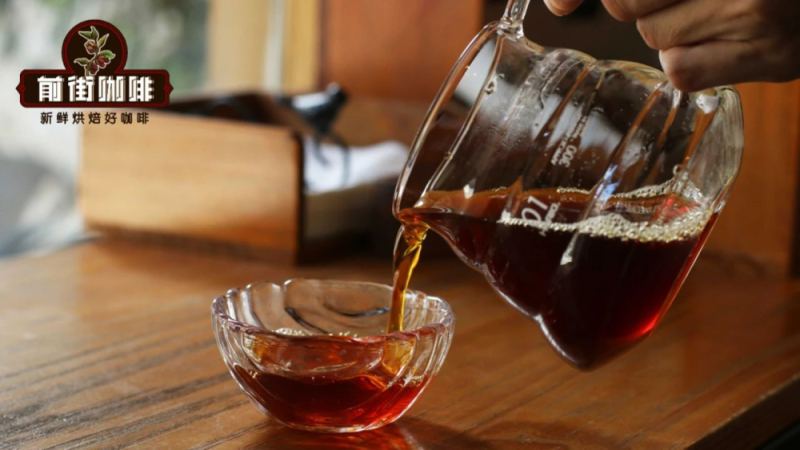
The first brewing method that Front Street Coffee thought of is hand drip, planning to use a water temperature of 90-91°C, which can better release the acidity and nutty cocoa flavors of this coffee. Too high a temperature easily extracts off-flavors, while too low may only extract acidity, and other flavors cannot be fully released. Water temperature: 90°C, coffee dose: 15 grams, coffee-to-water ratio: 1:15, using a Hario V60 dripper, grind size: 80% passing a standard No. 20 sieve (fine sugar consistency).
Step one, first bloom with 30 grams of water. When pouring, the stream should not be too large, otherwise it will scatter the coffee grounds and lose the blooming effect. Pouring 30 grams of water takes about 10 seconds, then let it sit for 20 seconds. After the total time reaches 30 seconds, proceed to step two.
Using a fine stream, slowly pour 125 grams of water in a circular motion from the center outward. At this point, the total time is about one minute. After the coffee bed drops, pour water again. In step three, continue pouring. When the total water reaches 225 grams, the time is about two minutes; stop pouring at this point. Next, wait for all the coffee liquid in the dripper to flow into the server, then remove the dripper. Finally, swirl the server to even out the coffee concentration, and you can enjoy a delicious cup of coffee.
The Honduran coffee brewed by Front Street Coffee with the three-pour extraction has the acidity of pomelo peel and citrus, a nutty aftertaste, and a faint smoky note, similar to the performance when Front Street Coffee cupped these beans. So, if brewed with another method, how would the flavor of these Sweet Orange Estate beans be?
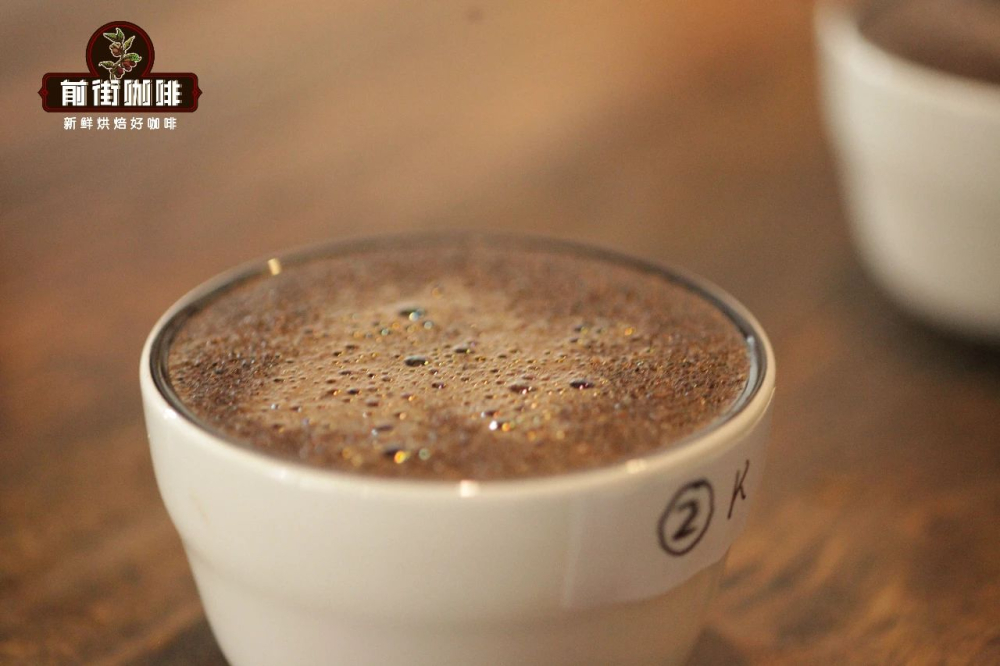
Another method that Front Street Coffee thought of is the French press. The French press is simple to operate and can also present the complete flavor of a cup of coffee well. It is somewhat similar to Front Street Coffee's cupping process, allowing the oils, aromas, and essence components in the coffee to be fully expressed, bringing a smooth, sweet, and rich mouthfeel.
Next, Front Street Coffee will teach everyone how to brew Honduran coffee beans with a French press.
Once you get the beans, first grind them, then pour into the French press. Unlike hand drip, the grind should not be too coarse for a French press; medium grind is fine, slightly coarser than usual hand drip. Front Street Coffee recommends grinding as evenly as possible, because when coffee grounds of uneven size are extracted in water, the very fine particles release substances faster than the coarser particles, causing the fine part to be over-extracted while the normal-sized part is not fully extracted, and the final coffee liquid will not taste good.
The recommended water temperature is around 90°C, and the recommended coffee-to-water ratio is 1:10-1:13. After pouring in the hot water, stir with a spoon to let the coffee grounds fully contact the water. Then cover the French press lid with the filter resting at the highest position and let it sit for 4 minutes.
When the time is up, before pressing down the filter, you can first open the lid and use a spoon to skim off the foam and fragments floating on top, then press the filter all the way down. After brewing, immediately pour it into another insulated container without delay, because the coffee grounds are still soaking in it. Then you can pour a cup and enjoy it slowly. The Honduran coffee brewed with a French press is relatively balanced, with chocolate flavors, and a lingering caramel sweetness in the aftertaste.
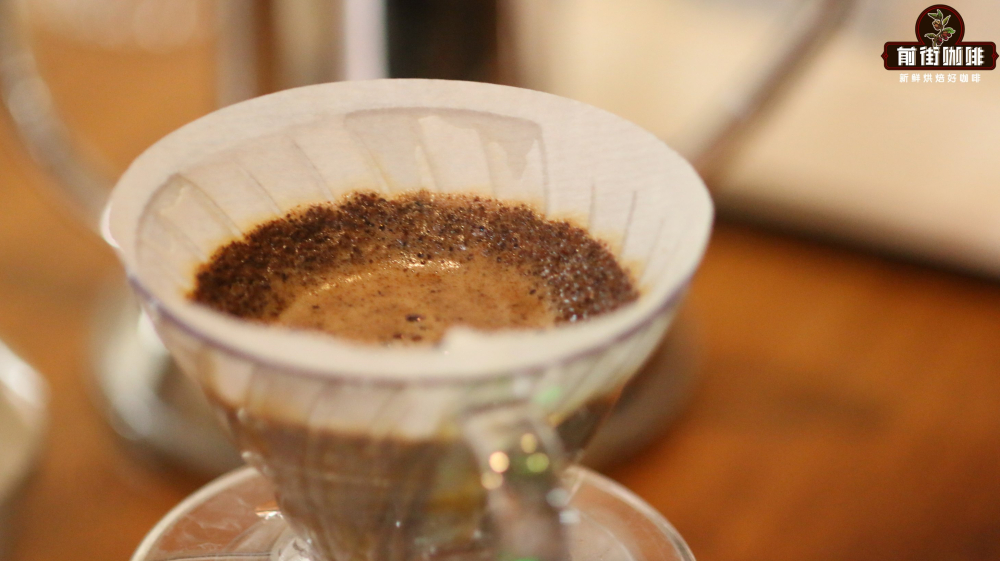
Not only do Honduran coffee beans have different flavors, but each bean also performs differently when brewed with different equipment. If you are interested, why not try it at home yourself.
For more specialty coffee beans, please add the private WeChat of Front Street Coffee, WeChat ID: kaixinguoguo0925
The above content is compiled by CoffeeHunters, a coffee news website.


