







Search Results for: Parainema

2024 Nicaragua Cup of Excellence Results Announced: Pacamara Variety Debuts and Wins Runner-Up
The results of the 2024 Nicaragua Cup of Excellence (COE) competition were recently announced, with the Geisha variety continuing its strong performance, sweeping first, third, and fourth places, among which the natural Geisha won the championship with 91.10 points. However, the most eye-catching aspect of this competition was undoubtedly the Parainema variety, which made its first appearance in Nicaragua, winning second place with 89.85 points. This rare variety, which previously won the 2017 Honduras COE, has what kind of genetic origins behind it? Can it break buyers' prejudice against the cup quality of leaf rust-resistant varieties? This article will provide a detailed interpretation of the origins, development, and outstanding performance of Parainema in this competition, while also introducing Front Street Coffee's attention to and recommendation of this variety. [more…]
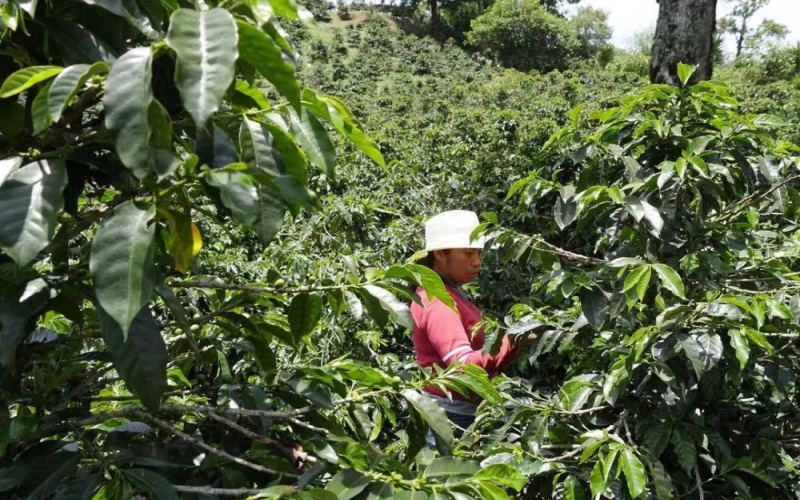
A Detailed Guide to Honduran Coffee Origins and Processing Methods, with Pour-Over Parameters for El Laurel Estate Washed Parainema
Honduras is the largest coffee producer in Central America and a globally important supplier of washed Arabica beans. From the perspective of Front Street Coffee, this article systematically reviews the origin history, washed processing procedures, varieties, and grading system of Honduran coffee, and focuses on sharing the roasting curves, cupping performance, and pour-over extraction parameters of two beans: Sweet Orange Estate and Laurel Estate. Among them, the flavor layers and grind size adjustment approach of the washed Parainema variety from Laurel Estate are the core highlights of this article, making it suitable for enthusiasts who want to gain a deeper understanding of the flavor sources and brewing details of Honduran coffee. [more…]
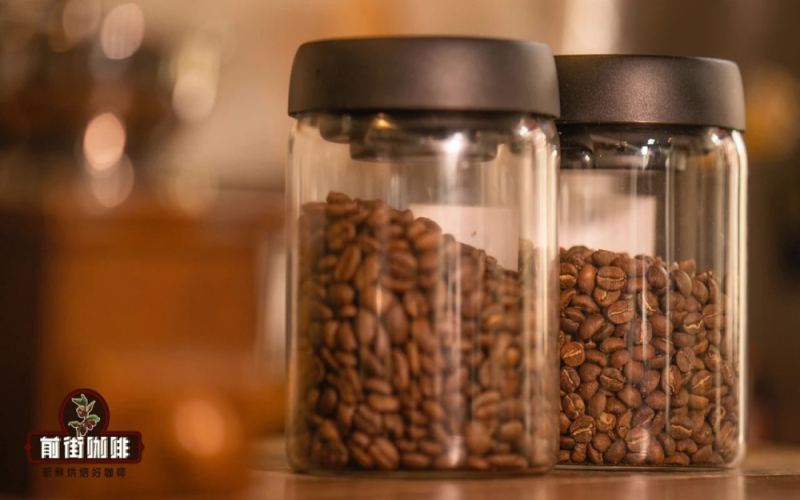
Flavor Analysis of Honduras Santa Barbara Coffee Beans and Key Producing Region Knowledge
Located in northern Central America, Honduras, though not as renowned as Guatemala or Costa Rica, has gradually emerged in the specialty coffee scene thanks to its suitable mountain climate and abundant rainfall. This article will focus on the Santa Bárbara region, introducing the washed Parainema beans produced by the San Vicente processing plant and the Sacastume family, analyzing their flavor characteristics of floral notes, orange, and maple syrup, while also outlining the industrial turning points of Honduran coffee, the distribution of its six major regions, grading system, and processing methods. Front Street Coffee will also share roasting ideas for Honduran hard beans, helping enthusiasts gain a more comprehensive understanding of this rising coffee-producing country. [more…]
A Complete Analysis of Honduran Coffee Regions: Flavor Profiles of Six Major Areas and Brewing Tips for Litchi Orchid
Honduran coffee has performed impressively on the international stage in recent years. Unlike traditional producing countries such as Brazil and Colombia, it is a rising star in Central America. This article systematically reviews six major Honduran coffee regions—Copán, Opalaca, Montecillos, Comayagua, El Paraíso, and Agalta—introducing each one's geographical conditions, altitude ranges, common varieties, and cup flavors. It also features Front Street Coffee's recommended Lychee Orchid from the Marcala region, describing its layered notes of lychee, brandy, cream, and chocolate, and explaining how medium roasting balances acidity, sweetness, and bitterness. [more…]
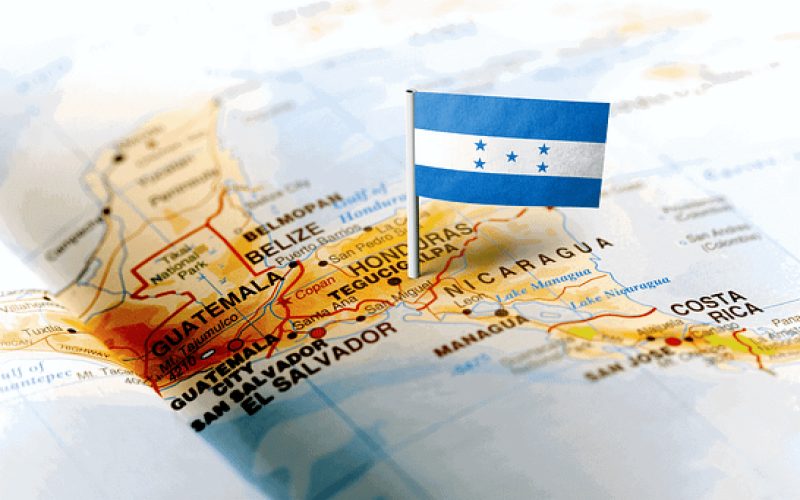
Key Points for Brewing Honduran Pour-Over Coffee and a Detailed Guide to Washed Beans from San Juan and Other Regions
Although Honduras is a latecomer to the Central American coffee industry, it has risen rapidly thanks to its production advantages and distinctive flavors. This article systematically reviews the characteristics of Honduran washed coffee beans, from producing regions and grading to specific brewing parameters. Using several Honduran beans as examples, Front Street Coffee shares a complete practical approach from roasting curves to staged extraction, helping coffee enthusiasts master the key points of pour-over Honduran coffee and presenting its balanced expression of floral and fruity notes with nutty and chocolate tones. [more…]
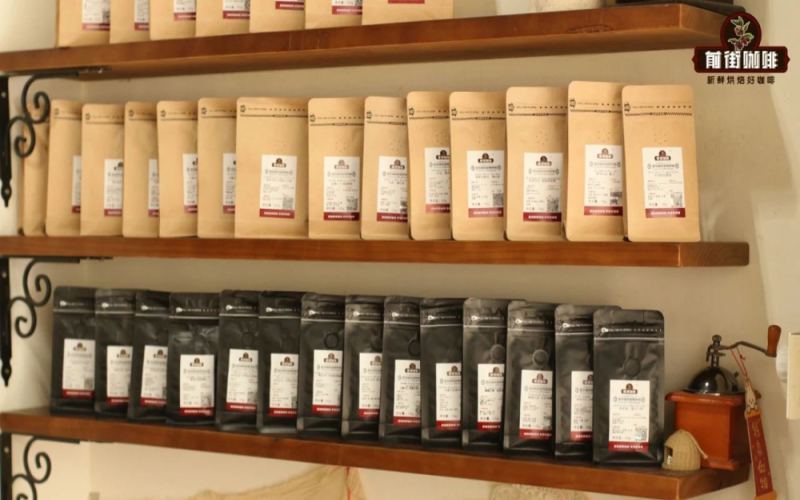
A Complete Guide to Honduran Coffee Regions: Six Major Origins, Grading System, and Flavor Characteristics
Although Honduras entered the coffee industry relatively late, it quickly rose to prominence thanks to its superior geographical conditions and microclimates, becoming the largest coffee producer in Central America and a major global producer of Arabica. This article systematically reviews the historical development, growing environment, and grading standards of Honduran coffee, and provides detailed explanations of six major producing regions: Copán, Opalaca, Montecillos, Comayagua, Agalta, and El Paraíso. It also includes Front Street Coffee's on-location photos, roasting curves, and brewing suggestions, giving you a comprehensive understanding of the unique charm of this rising star of Central American coffee. [more…]
A Complete Guide to Honduras's Six Major Coffee Regions: Flavor Profiles, Grading System, and Origin Stories
Honduras is located in northern Central America. Although its coffee industry started relatively late, it has risen rapidly thanks to its excellent natural conditions and has become an important global producer of Arabica coffee. This article will systematically review Honduras's coffee development history, geographical advantages, and grading system, and introduce one by one the six major producing regions of Copán, Opalaca, Montecillos, Comayagua, Agalta, and El Paraíso. At the same time, it will also present Front Street Coffee's bean selection and brewing practices in Honduras, helping coffee lovers gain a comprehensive understanding of the unique charm of this Central American coffee newcomer. [more…]

A Complete Guide to Honduran Coffee: Six Major Regions, Grading System, Bean Characteristics, and Front Street Coffee's Top Picks
Honduras is the largest coffee-producing country in Central America and a major global exporter of washed Arabica beans. Coffee here is known for its exotic spice-like aromas, rich nutty and chocolatey finish, and balanced complexity. Since its introduction in the late 18th century, Honduran coffee has gone through a tortuous journey from lagging behind to rising, and today it has six major regions including Copán and Opalaca, as well as a strict grading system based on altitude and defect rate. This article will give you a comprehensive understanding of Honduras coffee's geographical conditions, development history, regional distribution, processing methods, and main varieties, and introduce specialty coffee beans selected by Front Street Coffee, such as Sweet Orange Estate, Mocha Estate Sherry, and Lychee Orchid. [more…]
A Complete Analysis of Honduran Coffee Bean Origins and Flavors: From Geographical Conditions to Six Major Regions, Varieties, and Processing
Honduras is the largest coffee-producing country in Central America and an important global supplier of washed Arabica beans. This article will systematically introduce the flavor characteristics of Honduran coffee beans and the reasons for their popularity from the perspectives of geography, historical development, the grading system, the six major producing regions, varietal characteristics, and processing methods. Through field investigations and repeated cupping, Front Street Coffee has listed a number of Honduran beans with diverse styles, covering producing regions such as Copán, El Paraíso, and Marcala, featuring both the clean fruit acidity of washed beans and the unique wine aroma of barrel-fermented beans, offering coffee enthusiasts a rich variety of choices. [more…]
2024 Nicaragua COE Champion Alpine Estate: The Road to Consecutive Wins in the Nueva Segovia Region
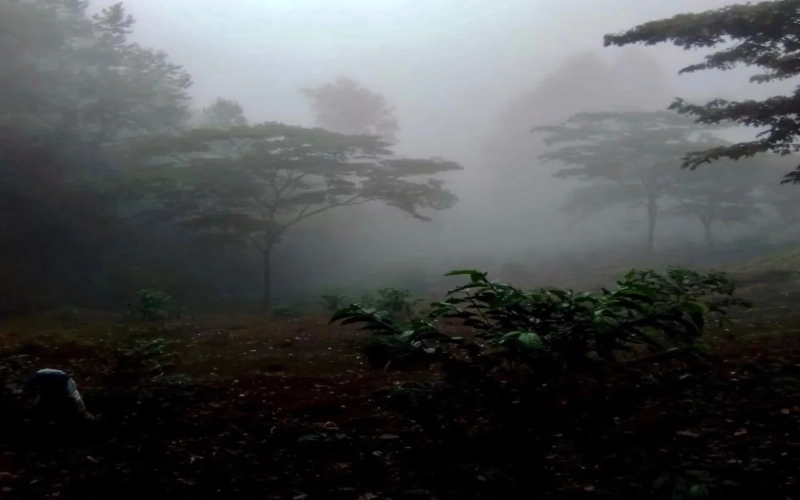
The 2024 Nicaragua Cup of Excellence (COE) has concluded, with a sun-dried Geisha from Finca Los Alpes in the Nueva Segovia region winning the championship with a score of 91.1, successfully defending its title. This article will guide you through Nicaragua's coffee-growing environment and the distribution of its main production regions, and take a deeper look at this champion estate that has won the COE for two consecutive years. From the two farms owned by estate owner Olman Balladares, to the planting layout of varieties such as Caturra, Catuai, Bourbon, and Geisha, and to the coffee research and quality control team behind them, we will explore the origins of their excellent results. At the same time, Front Street Coffee will also recommend related products for you. [more…]
The Rise of the Honduran Coffee Industry and a Complete Guide to Front Street Honduran Coffee Beans: Pour-Over Parameters, Water Temperature, and Ratios
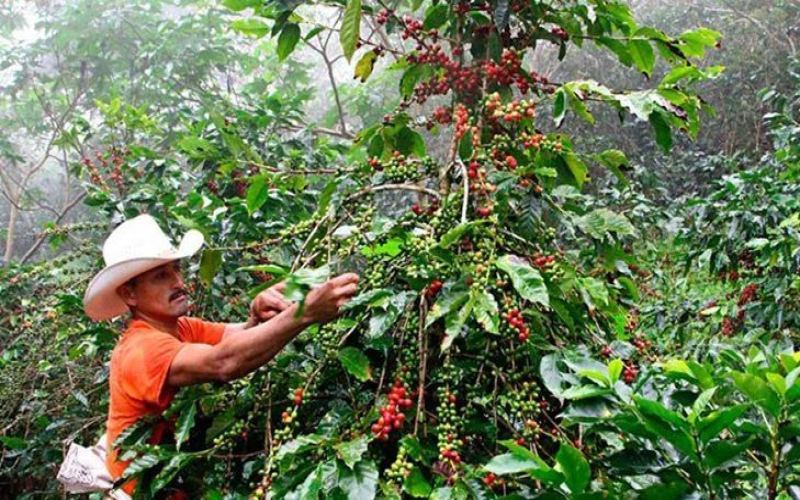
Honduras is an important coffee-producing country in Central America. Although it started late, it caught up quickly: by 2011 its output had surpassed Guatemala's, and today it ranks firmly among the world's top ten coffee producers. This article will provide a comprehensive overview of Honduran coffee from the perspectives of its historical development, producing regions, variety characteristics, grading standards, and processing methods. It will also combine the practical brewing experience of several Honduran coffee beans from Front Street Coffee to share pour-over parameters and water-temperature ratios in detail. Whether you want to understand the regional flavors of Honduran coffee or are looking for practical pour-over solutions, this article can provide valuable reference. [more…]
Sarchimor Variety Analysis: Costa Rican Coffee Bean Flavor Characteristics, Price, and Pour-Over Parameters
Costa Rican coffee is famous for its honey processing method, a technique that falls between natural and washed processing, retaining a clean cup while greatly enhancing sweetness and caramel notes. Sarchimor is a disease-resistant variety originating from a Portuguese breeding institution, with disease resistance inherited from Timor and flavor derived from Villa Sarchi, and it has considerable production in both Costa Rica and Brazil. Front Street Coffee focuses on this bean in this issue, breaking down everything from green bean characteristics and roasting curves to cupping performance, and provides specific pour-over recipes along with sweetness, acidity, and bitterness scores. It also includes a brand recommendation of 227 grams for 95 yuan, costing about 6 yuan per cup, offering outstanding value and suitable for everyday drinking. [more…]
Flavor Analysis and Pour-Over Parameter Recommendations for Costa Rican Sarchimor Red Honey Process Coffee Beans
Today, Front Street Coffee would like to share with you a Costa Rican coffee from the Western Valley: a Sachimo variety bean with red honey processing. This bean is produced by the Alchimia Estate and processed at the Cerro San Luis micro-mill, at an altitude of about 1,550 meters. As one of the two mother varieties of disease-resistant coffee worldwide, Sachimo has considerable production in both Costa Rica and Brazil, and its flavor heritage comes from Villa Sarchi. Red honey processing retains about 75% of the mucilage, giving the coffee higher sweetness and caramel notes. This article will provide a complete breakdown of this bean's flavor performance and brewing approach from the perspectives of the mill's background, the principles of honey processing, the traceability of the green bean variety, roast profile design, and pour-over parameter recommendations, for the reference of coffee enthusiasts. [more…]
Analysis of Bourbon Family Derivatives: Flavor Comparison of Pacamara, Caturra, Catuai, and Sachimo
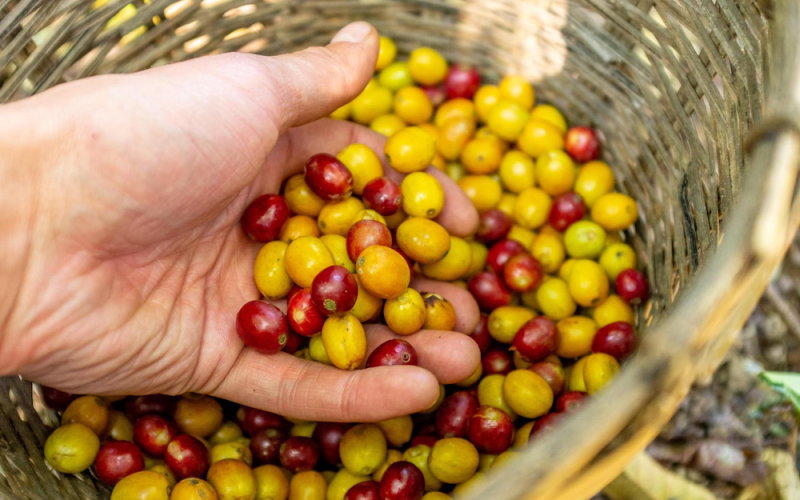
Bourbon is one of the most important varieties in coffee history, originating from a mutation of Typica. It was named after being introduced from Yemen to Bourbon Island, and subsequently spread to Brazil, Central and South America, and the island of St. Helena, becoming a consistent winner in cupping competitions for specialty coffee in the Americas. Its green fruit turns bright red when ripe, and it has broad leaves and dense growth. Although it produces a crop every two years with low yield, it possesses a wine-like acidity and a sweet aftertaste. This article, brought to you by Front Street Coffee, introduces four Bourbon-derived or related varieties: Pacamara, Caturra, Catuai, and Sarchimor, systematically covering their origins, plant characteristics, adaptability, and cup profiles. Combined with the performance of specific origins such as Guatemala Borsa, Colombia Cauca, Honduras Sweet Orange Estate, and Costa Rica Monte Soleil, it helps coffee enthusiasts understand how varieties profoundly influence the flavor direction of a cup of coffee. [more…]