







Although Honduras entered the coffee industry relatively late, it rapidly rose to prominence thanks to its superior geographical conditions and microclimates, becoming the largest coffee producer in Central America and a major global producer of Arabica. This article systematically reviews the historical development of Honduran coffee, its growing environment, and grading standards, and provides a detailed breakdown of six major producing regions: Copán, Opalaca, Montecillos, Comayagua, Agalta, and El Paraíso. It also includes Front Street Coffee's on-location photos, roasting curves, and brewing suggestions, giving you a comprehensive understanding of the unique charm of this Central American coffee rising star.
For more specialty coffee knowledge, welcome to follow: Front Street Coffee (Frontsteet Coffee)
Honduras is located in northern Central America, bordering Guatemala and Nicaragua. Although the country's coffee industry started relatively late, it has shown strong late-mover advantages, surpassing Guatemala in production as early as 2011. After tasting coffee beans from multiple Central American countries, Front Street found that they share a type of flavor characteristic: floral and fruity notes with a smooth, juicy mouthfeel.
Of course, not every country necessarily has a unique flavor label. When introducing each origin, Front Street first points out that country's coffee flavor baseline to help readers form an impression. But it is important to understand that national borders are artificially drawn, and the flavor of coffee beans does not suddenly change just because they cross a border. Within shared characteristics, each country still has its own emphasis. Take Africa as an example: African beans as a whole are known for fruity acidity, which is a common trait of most African producing countries, but each country has its own strengths. Ethiopia's acidity is transparent and clean, Kenya's is intense and bright, and Rwanda's acidity is not as strong as Kenya's but is fuller than Ethiopia's...
Back to Honduras: although its coffee flavors are similar to those of neighboring countries, Honduran coffee beans often capture exotic spice notes in the aroma, while the finish presents the richness of nuts and chocolate, making the overall cup balanced and layered.
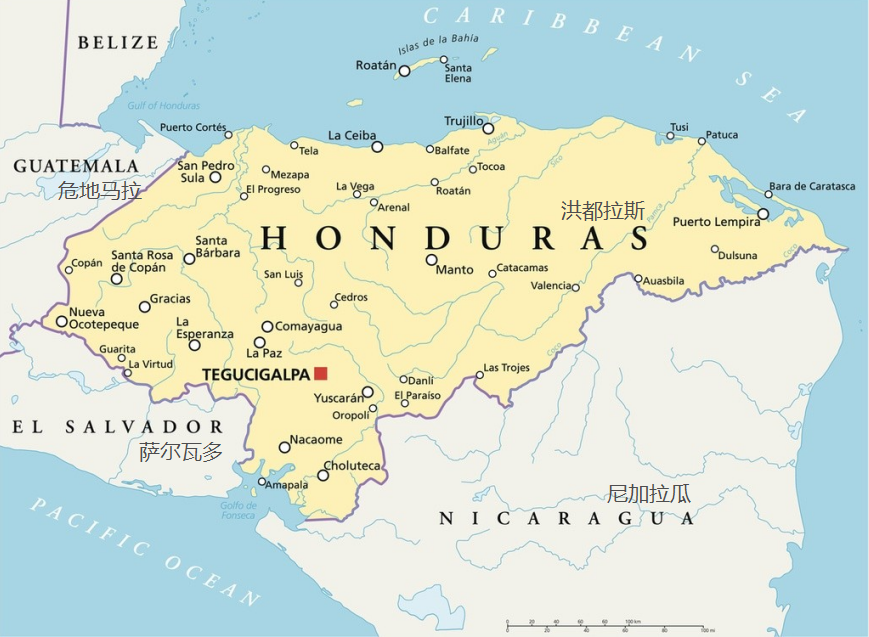
Honduras Geographical Conditions Honduras is a mountainous country located in northern Central America. It borders the Caribbean Sea to the north, the Gulf of Fonseca and the Pacific Ocean to the south, Nicaragua and El Salvador to the southeast, and Guatemala to the west. More than three-quarters of the country is mountainous and plateau terrain, with mountain ranges extending from west to east, a volcanic plateau inland, numerous intermontane valleys, and plains along the coast. The tropical climate is pronounced, and the coastal plains have a tropical rainforest climate. Honduras possesses an environment suitable for growing high-quality coffee, including microclimates, altitude, soil conditions, and abundant rainfall.
Honduras is not only the largest coffee producer in Central America; if counting only washed Arabica beans, its production ranks second in the world. In the early 21st century, coffee only replaced bananas as the country's most important cash crop. The banana industry was dominated by large American companies, while coffee cultivation is mainly carried out by smallholders. Honduras currently has about 110,000 coffee farmers, and manual harvesting of coffee cherries is the main harvest method, with the harvest season running from November to March of the following year.
Development History of Honduran Coffee Coffee was first introduced to Honduras by Spanish merchants in the late 18th century. By 1804, the country already had small-scale coffee cultivation. The late start in coffee development had historical reasons—Honduras long lacked transportation infrastructure connecting producing areas to ports, which prevented the coffee industry from taking off for a long time.
The turning point came after 1970, when the government established an official coffee institution, Instituto Hondureño del Cafe (IHCAFE), dedicated to improving coffee quality. In addition, because coffee trees can be grown throughout Honduras, production surpassed Costa Rica and Guatemala in 2011. In 1975, Brazil suffered frost damage, causing a sharp drop in coffee production. Honduras took the opportunity to "move up," with production surging from 500,000 bags to 1.8 million bags, all of which sold out. Only after this did Honduras's coffee production truly enter a stage of development.
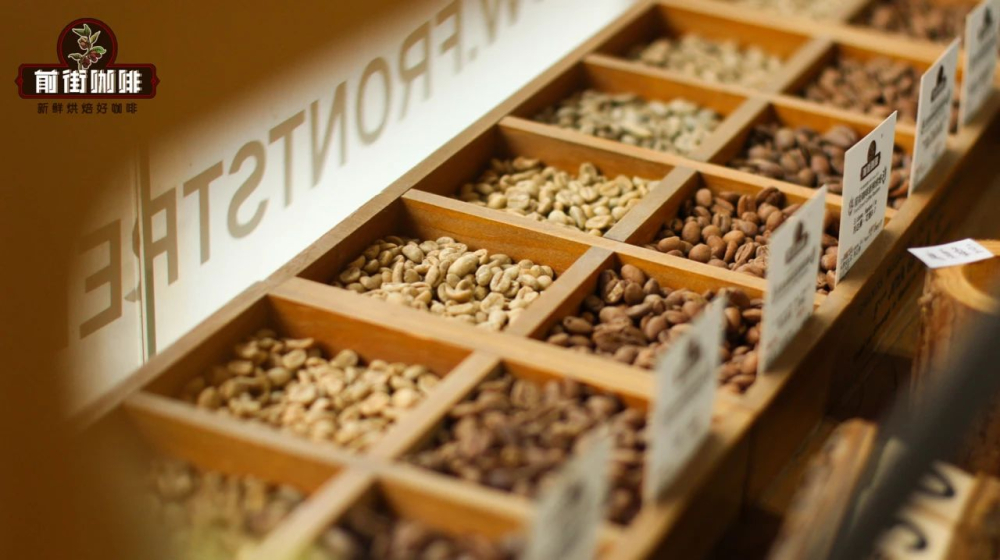
In the 1990s, specialty coffee rose in Central America. While other countries competed on quality, Honduras lagged behind in quality. The main reason lay in the green bean processing stage: mountainous areas had abundant and irregular rainfall, which affected the final drying step.
In 2004, Honduras held its first Cup of Excellence green bean competition. Twenty-one coffees from across the country received recognition and participated in an online auction. In 2011, Honduras became the largest coffee producer in Central America and the world's second-largest Arabica coffee producer. Today, Honduras ranks among the world's top ten coffee producing countries and is the world's second-largest Arabica producer. Coffee plays an important role in the country's economy and national development. Honduras has 280,000 hectares of coffee farms, mainly small coffee farms, most of which are less than 3.5 hectares; together, these small farms contribute 60% of the country's coffee production.
Honduras Coffee Grades
[Grading by Growing Altitude] Strictly High Grown (SHG): above 1,200 meters
High Grown (HG): 1,000-1,200 meters
Central Standard (CS): 600-1,000 meters
[Grading by Defect Rate] US standard USP, namely US preparation; European standard EP, namely Euro preparation. Honduran green coffee naming rule: Honduras SHG EP (country + altitude grade + defect standard)
Honduras Coffee Producing Regions Since 2007, Honduras has strengthened its origin labeling system, dividing coffee producing areas mainly into six major regions:
1. Copán Region (Copan) Location: Located in western Honduras, bordering Guatemala, covering Copán Department, Ocotepeque Department, Cortés, Santa Bárbara Department, and part of Lempira Department. Altitude: 1,000 - 1,500 meters Temperature: 11.5-22.5℃ Rainfall: 1,300-2,300 mm Harvest period: November - March
Front Street Honduras Las Gemelas Estate Region: Copán (Copan) Estate: Las Gemelas Altitude: 1,250 Variety: Red Catuai Processing method: Natural Flavor: Brown sugar, berries, raisins, fermented wine aroma
2. Opalaca Region (Opalaca) Location: Located between the Santa Bárbara, Intibucá, and Lempira areas. Altitude: 1,100-1,500 meters Temperature: 11.5-22.5℃ Rainfall: 1,400-1,950 mm Harvest season: November - February Varieties: Bourbon, Typica, Catuai, Pacas Flavor: Extremely delicate acidity, overall balanced, with obvious tropical fruit flavors such as grapes and blackberries.
3. Montecillos (Montecillos) Location: Located in La Paz, Comayagua, Santa Bárbara, and Intibucá along the border between southwestern Honduras and El Salvador. Altitude: 1,200-1,600 meters Temperature: 12-21.2℃ Rainfall: 1,300-2,300 mm Harvest season: November - April Varieties: Bourbon, Catuai, Typica Flavor: Bright and lively acidity, with orange and peach notes, a long finish, and a velvety smooth mouthfeel.
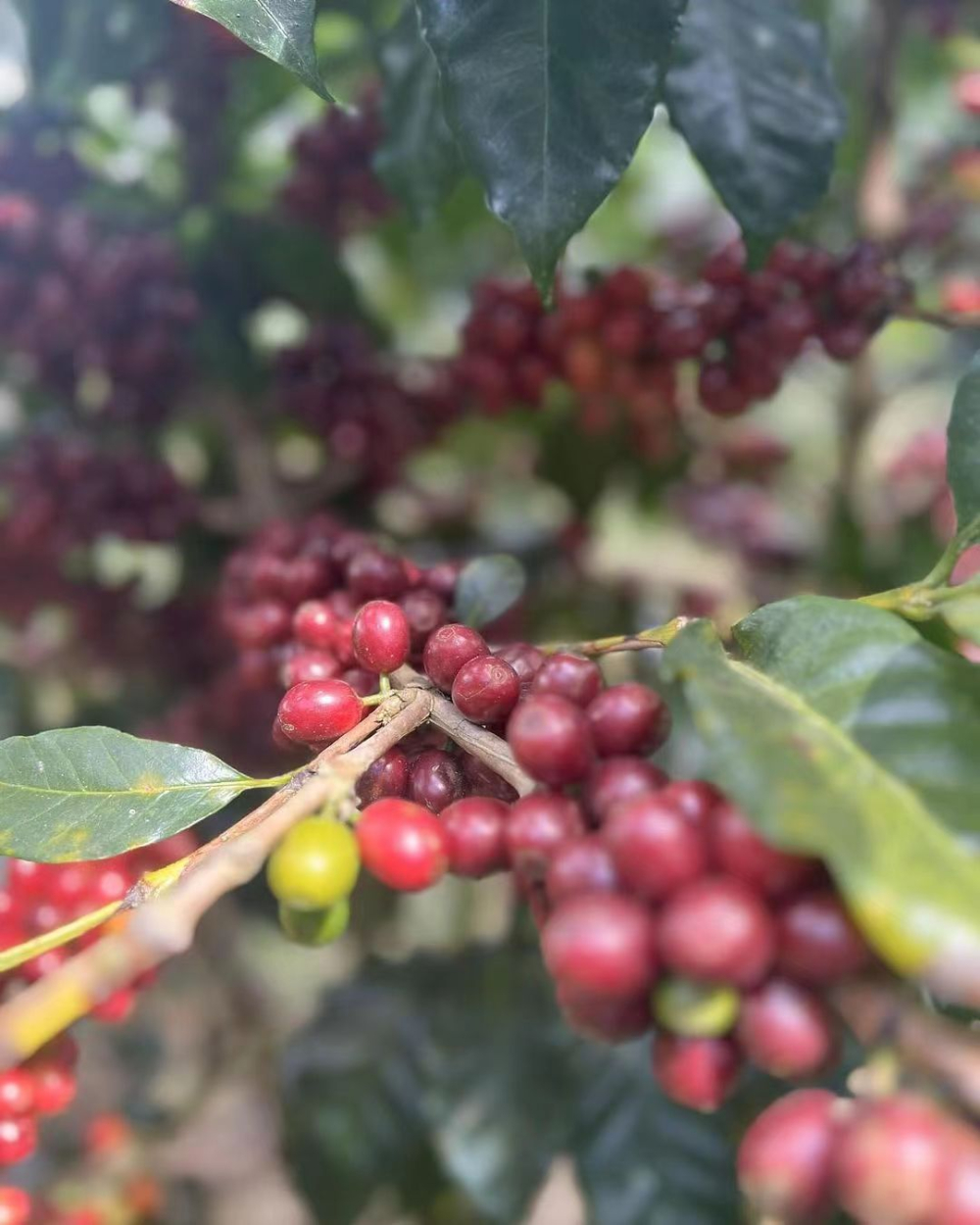
4. Comayagua (Comayagua) Location: Located in Comayagua and Francisco Morazán in central Honduras. Altitude: 1,000 - 1,500 meters Temperature: 14.0 - 22.0℃ Rainfall: 1,350 - 1,700 mm Varieties: Bourbon, Caturra, Typica, Pacas Harvest season: December - March Flavor: Dominated by lemon notes, with obvious sweet fruit aroma, a creamy and rich mouthfeel, citrus sweetness, and sweet and chocolate notes.
5. Agalta Tropical (Agalta Tropical) Location: Located in Olancho and Yoro in southeastern Honduras. Altitude: 1,000-1,400 meters Temperature: 14.5-22.5℃ Rainfall: 1,300-1,950 mm Harvest season: December - March Varieties: Bourbon, Catuai, Typica Flavor: Honey-like aroma, strong citrus notes, subtle yet obvious acidity.
6. El Paraíso (El Paraiso) Location: Located in El Paraíso in southern Honduras, bordering Nicaragua. Altitude: 1,100-1,500 meters Temperature: 16-22.5℃ Rainfall: 1,000-1,400 mm Harvest season: December - March
Front Street Honduras Laurales Estate Washed Parainema Coffee region: El Paraiso Growing altitude: 1,400 meters Coffee variety: Parainema Processing method: Washed Coffee grade: SHG Flavor: Citrus, berries, grapefruit peel, nuts when cooled, dark cocoa finish, obvious berry acidity, tea-like
In addition to the six major producing regions above, there are also some small producing regions worth noting. Next, Front Street will introduce El Naranjo Estate from the La Paz producing region in southwestern Honduras. Front Street Coffee (FrontStreet Coffee) · Honduras · El Naranjo Estate Catuai
Region: Marcala Altitude: 1,425 meters Variety: Catuai Processing method: Washed Flavor: Citrus, melon, floral, cane sugar, orange peel, nuts, tea-like
El Naranjo Estate
El Naranjo Estate is located in Marcala, under the La Paz producing region, and its coffee can rival that of Santa Bárbara, another Honduran producing region. The estate is named after its shade trees, and El Naranjo's shade trees are precisely tall wild orange trees. The varieties currently grown on the estate include Catuai, Caturra, Bourbon, and Geisha. The beans tasted this time are Catuai.
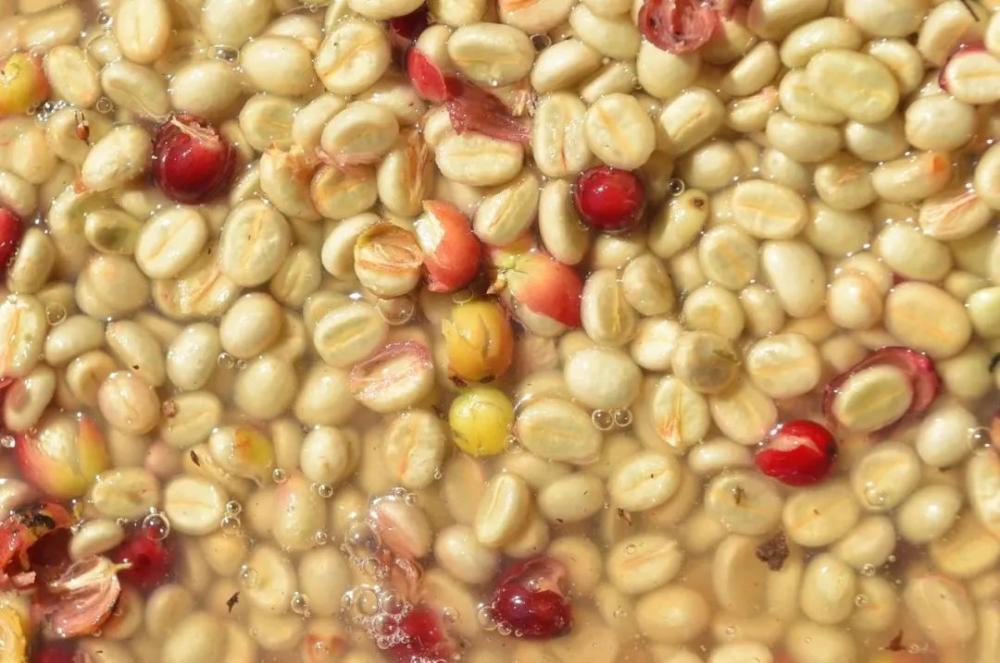
Catuai was created by artificially crossing Caturra and Mondu Novo. It has relatively good resistance to natural disasters, especially wind and rain. The Catuai tree is shorter, and compared with other coffee trees, its fruit is more firmly attached and not easy to pick.
Roasting Suggestions
The roaster is a Taiwanese Yang Chia Feima 800N, with a bean charge of 300 grams. Front Street uses a medium roast profile.
Bean charge temperature: 200℃
Turning point: 5'15", 154℃
First crack: 9'11", 186.5℃
Development after first crack 2'00'', discharged at 192.4℃
Coffee Cupping and Brewing Report
Dry aroma: spices, roasted peanuts, chocolate Wet aroma: herbal freshness On the palate: orange peel, nuts, cream, lemon tea
[Brewing Suggestions]
The brewing parameters used by Front Street are: Dripper: Hario V60
Water temperature: 90℃
Coffee dose: 15 grams
Coffee-to-water ratio: 1:15
Grind size: 80% passing a standard No. 20 sieve
[Brewing Method]
Front Street uses staged extraction: bloom with 30 grams of water for 30 seconds, then pour in a small stream in circles to 125 grams for the first stage; when the water level drops and is about to expose the coffee bed, continue pouring to 225 grams and stop; when the water level drops and is about to expose the coffee bed, remove the dripper. The extraction time is 2'00" (timing starts at the beginning of blooming).
[Brewed Flavor] Obvious acidity, berries, citrus, melon, floral, cane sugar, orange peel, nuts, tea-like.
The above content is compiled by CoffeeHunters, a coffee news website.


