







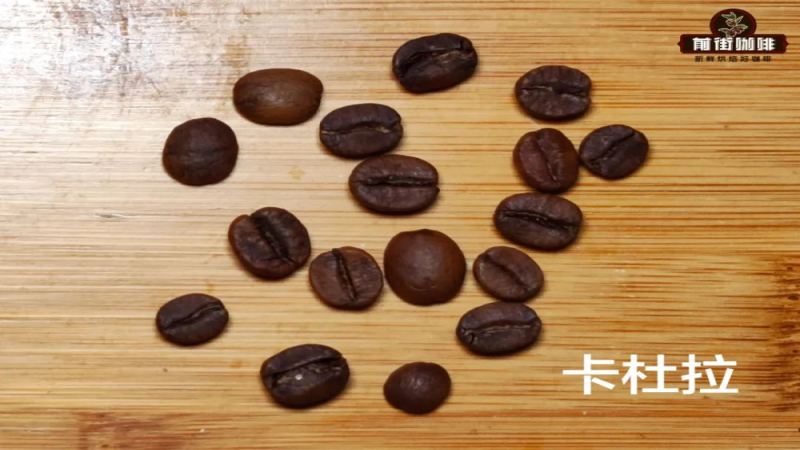
What links the Caturra and Catuai coffee varieties?
Caturra and Catuai are variety labels seen often on Central and South American beans, and the two are closely related. Caturra comes from a natural Bourbon mutation found in Brazil between 1915 and 1918, compact and high-yielding with no shade requirement. Catuai is a cross of Mundo Novo and Yellow Caturra, bred for high yield plus stress resistance, which is why the names travel together.
Brazil's IAC began selecting Caturra in 1937 using mass selection, and though it was never officially released there, it spread through Central America. The article points to Colombia Huila, which commonly grows Caturra, washed and medium-dark roasted with black chocolate and caramel notes, plus Costa Rica Musician Series and Honduras Sweet Orange Estate.
Caturra and Catuai are common variety labels on coffee beans from Central and South America. Their names are similar, and they share a deep connection. Caturra originated from a natural Bourbon mutation discovered in Brazil; it is compact in size, high-yielding, and requires no shade. Catuai is a cross between Mundo Novo and Yellow Caturra, combining high yield with stress resistance. This article provides a detailed overview of the discovery history, botanical characteristics, cup profile, and cultivation adaptability of these two varieties, and explains why they often appear together in the same coffee. Front Street Coffee also recommends several related bean offerings, including Colombia Huila, Costa Rica Musician Series, and Honduras Sweet Orange Estate, with brewing demonstrations and flavor descriptions to help you fully appreciate the charm of these two varieties.
For more specialty coffee information, welcome to follow our WeChat official account: Front Street Coffee (FrontStreet Coffee).
The coffee family has a vast array of varieties, and those who frequently drink coffee from South American origins will surely notice that many coffee beans list Caturra or Catuai in their variety column. These two names are so similar—what exactly is the connection between them? Front Street Coffee (FrontStreet Coffee) will today guide you through the origins and development of these two varieties.
What is Caturra?
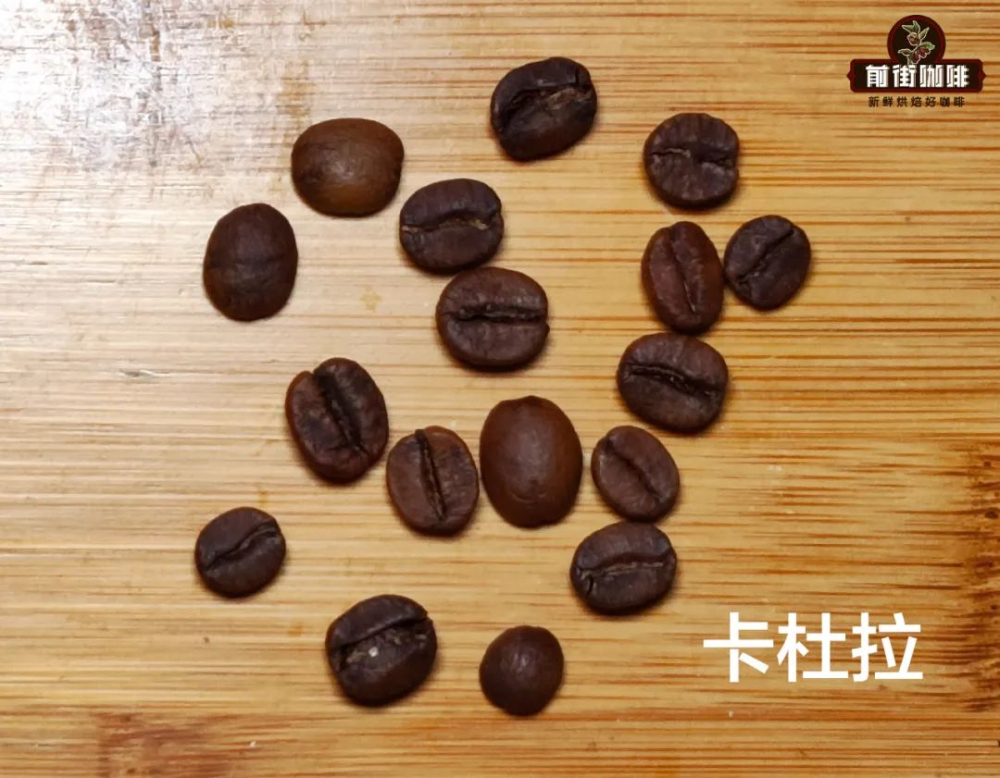
Caturra is a natural mutation of the Bourbon variety. Between 1915 and 1918, at an estate in Minas Gerais, Brazil, a genetic mutation was discovered among planted Bourbon trees, causing the plants to become compact and exhibit a dwarf-like form. The locals named this new coffee variety "Caturra," which means "small" in the Guarani language, and it is sometimes also called "Nanico."
The São Paulo State Agricultural College (IAC) in Campinas, Brazil, began selection work on Caturra in 1937. The breeding method used was mass selection, which involves selecting a group of individuals based on desirable traits, mixing their seeds to grow the next generation, and repeating the cycle. Interestingly, this variety was never officially released and promoted in Brazil, yet it took root in Central America. Front Street Colombia Huila coffee beans use the locally common Caturra variety, washed processed and medium-dark roasted, presenting black chocolate, caramel, roasted nuts, and soft fruit acidity when brewed.
The Caturra tree has a compact form, allowing for higher planting density. Combined with short internodes on secondary branches, the same area of land can produce more fruit, significantly increasing yield per unit area. The short stature of the plant also makes harvesting more convenient.
The most critical advantage is that it does not rely on shade trees like traditional varieties such as Typica and Bourbon; it thrives under direct sunlight, which is why coffees like Caturra are also called "Sun Coffee." Caturra is suitable for cultivation at altitudes of 700 to 1700 meters, with better environmental adaptability than Bourbon. The higher the altitude, the more outstanding the flavor performance.
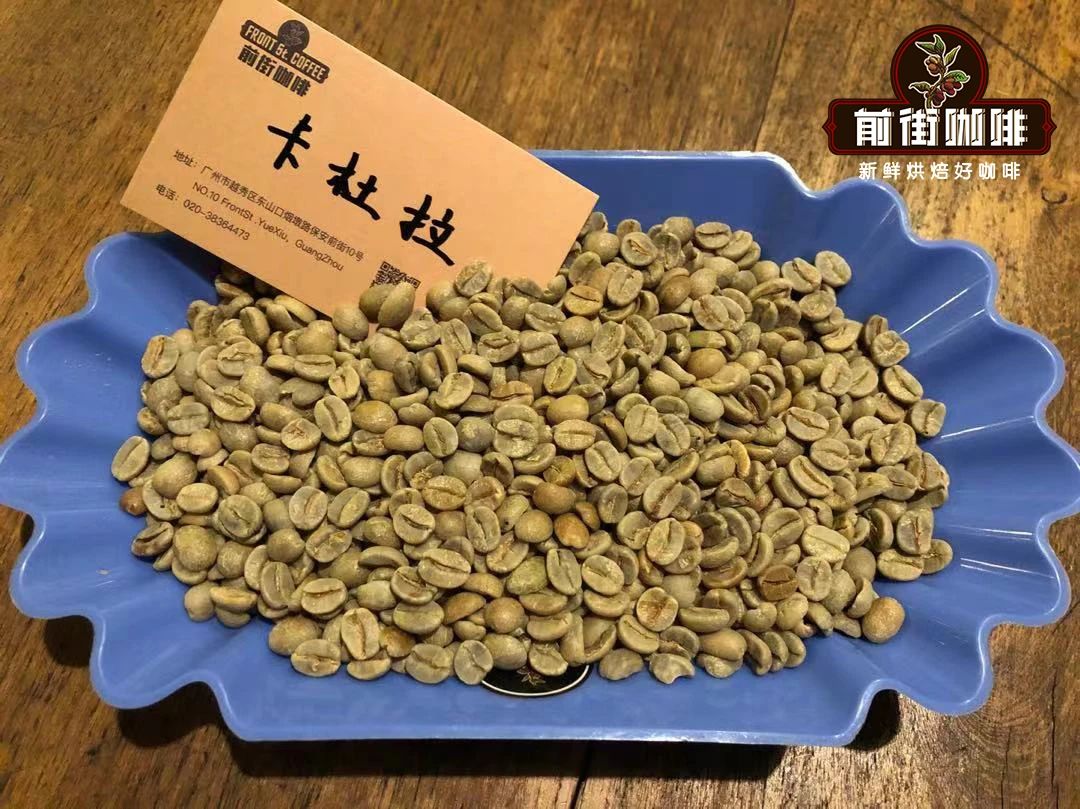
Like Bourbon, Caturra also exhibits cyclical productivity fluctuations every two years. It combines excellent acidity and aroma, with an overall bright profile and quite good sweetness.
What is Catuai?
The name Catuai immediately reveals its close relationship with Caturra. It was developed by the São Paulo State Agricultural College (IAC) in Campinas, Brazil, through artificial hybridization of Mundo Novo and Yellow Caturra, initially coded as "H-2077." Mundo Novo itself is a natural hybrid of Bourbon and Typica, first discovered in 1943 in Tietê, São Paulo, Brazil.
Catuai inherited Mundo Novo's high yield, strong disease resistance, and good cup quality, while also incorporating Caturra's advantages of compact stature, excellent acidity, and suitability for sun cultivation. As a result, Catuai has strong resilience against adversities, especially wind and rain. Due to its smaller size, planting density can reach twice the conventional rate, and the short plants make pest and disease control relatively easier. Catuai grows vigorously and is short in height, but is susceptible to leaf rust.
Because this variety performed so outstandingly, it was named Catuai, which means "very good" in the Guarani language. However, the variety initially called "H-2077" performed mediocrely in cupping; its advantages were mainly reflected in disease resistance, pest resistance, yield, and environmental adaptability.
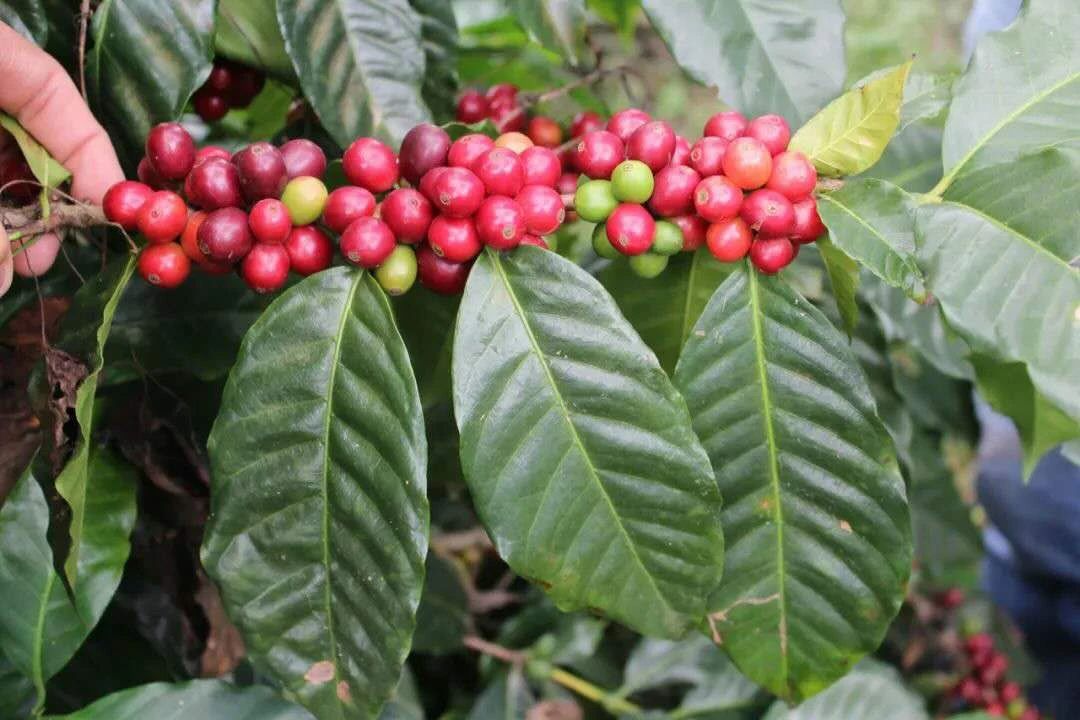
The São Paulo State Agricultural College then conducted pedigree selection on "H-2077" (continuous multi-generation selection of individual plants) and widely promoted its cultivation in Brazil in 1972. Catuai's high yield also attracted Central American countries to introduce it, but research found that its productivity seemed to decline after transplanting to Central America.
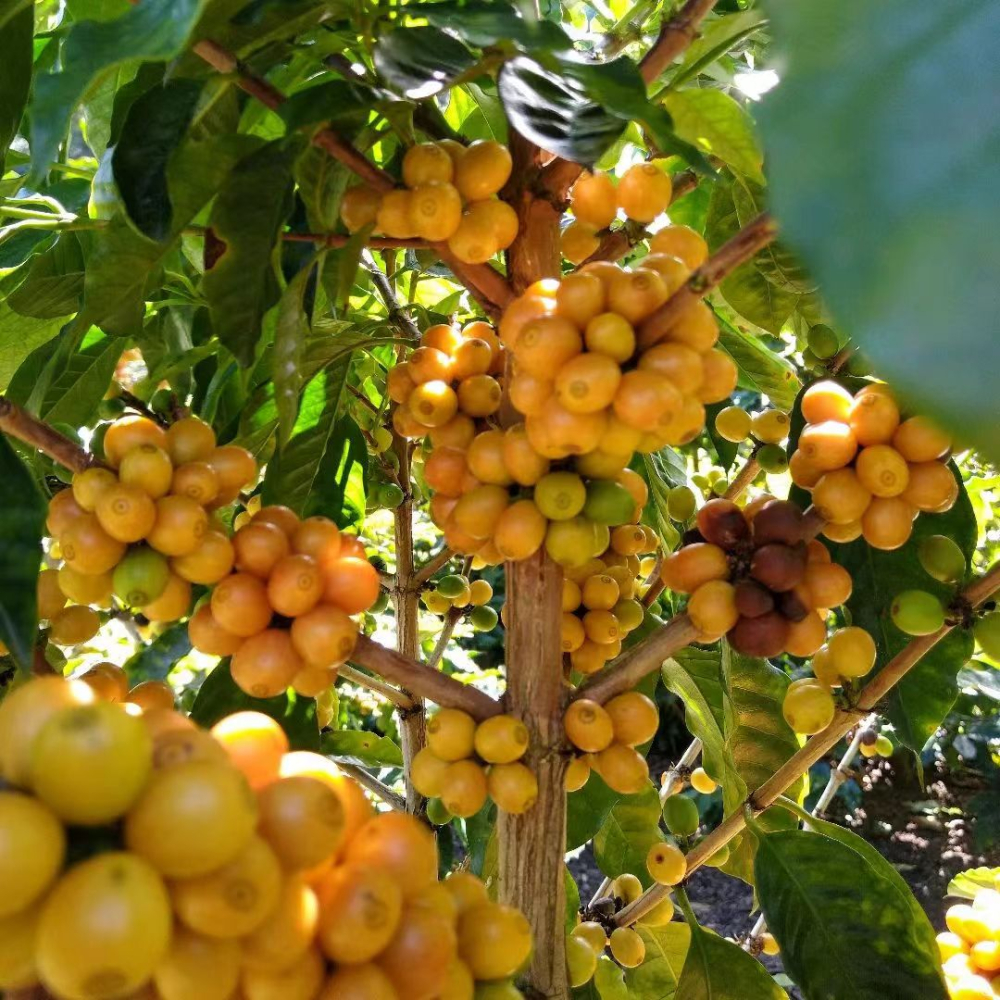
Catuai performs well in cupping and has red and yellow fruit types, planted in different countries according to their characteristics. For example, Costa Rica introduced Yellow Catuai in 1985. Front Street Coffee (FrontStreet Coffee) offers a Costa Rica Musician Series Beethoven, which is a coffee product composed entirely of the Yellow Catuai variety, possessing excellent acidity and a clean mouthfeel, and more importantly, fruity aromatics.
Why do Caturra and Catuai often appear in the same coffee?
Research in Honduras and Costa Rica (tested by the Honduran Coffee Institute IHCAFe, selecting two lines to begin cultivation) found that no significant productivity differences were observed between Caturra and Catuai. Coffee estates in Central America had originally planted Caturra to replace Bourbon, and later introduced Catuai for localized cultivation. Since Catuai itself contains Caturra's genes, their biological habits have gradually converged, making secondary classification within the same planting area increase labor costs. Therefore, the Latin American estate-level coffee beans we purchase today often list Caturra, Catuai, and others together in their variety descriptions.
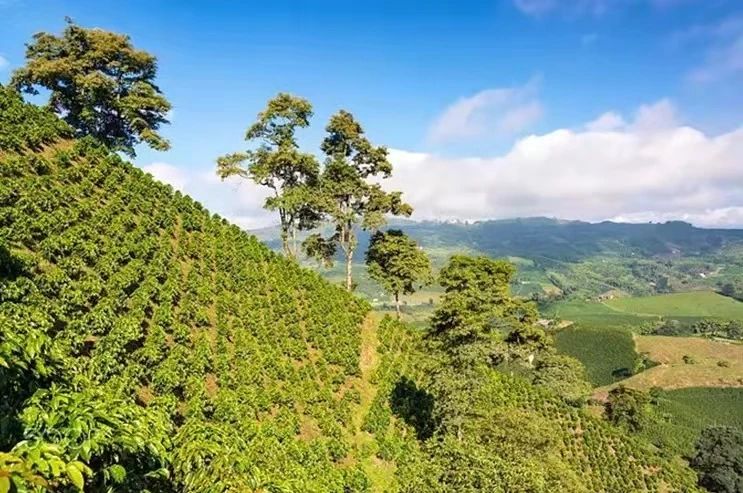
Currently, Catuai is widely cultivated in Brazil, Costa Rica, Honduras, and other Central American regions. Examples include Front Street Coffee's (FrontStreet Coffee) Costa Rica Musician Series Bach and Mozart (Caturra, Catuai), Honduras Sweet Orange Estate's Catuai, and Panama Butterfly (70% Geisha, Caturra, Catuai).
How does Catuai perform in flavor?
Front Street Coffee (FrontStreet Coffee) demonstrates with Honduras Sweet Orange Estate's Catuai as an example:
Front Street Coffee (FrontStreet Coffee): Honduras Sweet Orange Estate Region: Honduras Marcala Region Estate: Sweet Orange Estate Altitude: 1425 meters Variety: Catuai Processing Method: Washed
To highlight this coffee's sweet orange aroma and pleasant acidity, a fine grind is used, close to fine granulated sugar, with a passing rate of 80% using the national standard 850-micron sieve. A higher water temperature of 92°C is chosen, as high temperatures better release the coffee's aroma and sweetness. A V60 dripper is selected; this pour-over style dripper helps accentuate a specific flavor of the coffee, and this brewing aims to emphasize the orange-like sweetness.
This brewing still uses 15g of coffee grounds, with a coffee-to-water ratio of 1:16. After grinding, one can clearly smell the aroma of melon seeds and fresh berries. After adding the coffee grounds, first pour 30g of water for a 30-second bloom, and you can observe the coffee absorbing water, expanding, and releasing gases.
For the second pour, spiral in 150g of water. The pour after blooming is crucial, essentially determining the main flavor direction of this cup; pouring a 1:10 ratio better highlights sweetness. After the coffee bed slightly drops, pour 60g of water to raise the bed back to the level of the second pour. End extraction when all the coffee liquid has flowed into the server; total time is about 2 minutes.
Flavor: Brewed this way, you will smell the aroma of orange peel and sugarcane. On the palate, there is lemon acidity, orange sweetness, and a juice-like sensation. The finish carries a flavor of genmaicha.
The above content is compiled by CoffeeHunters, a coffee news website.


