







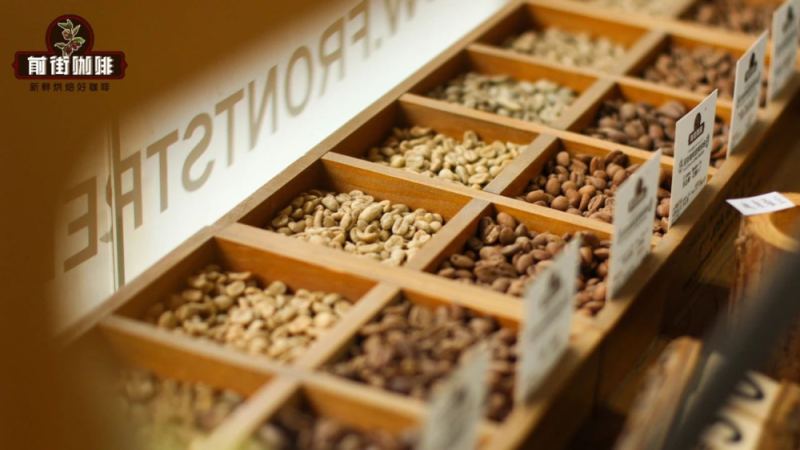
What Defines Honduras Coffee Producing Regions?
Honduras has become a major coffee producer in Central America, known for floral and fruity notes, a soft juice-like body, exotic spice aroma, and a nutty, chocolatey finish. Its coffee industry started later than its neighbors but grew quickly, and by 2011 production had already surpassed Guatemala. The country uses altitude and defect grading standards and has six main producing regions.
Compared with other coffee producing countries in Central America, Honduran beans share the region's common floral and fruity profile, yet they stand out in the aroma, where spice elements appear, and in the finish, which leans nutty and chocolatey. The Catuai from El Naranjo Estate in La Paz shows this balance well, and roasting curves, cupping scores, and pour-over parameters all shape the final cup.
Honduras, as a rising major coffee producer in Central America, is known for its coffee's floral and fruity notes with a soft juice-like quality, along with exotic spice aromas and a nutty, chocolatey mellow finish. This article starts with Honduras's geographical conditions and coffee development history, systematically reviews its altitude grading and defect grading standards, details the flavor characteristics of its six main producing regions, and focuses on the Catuai coffee beans from El Naranjo Estate in the La Paz region. Front Street Coffee will share this bean's roasting curve, cupping performance, and pour-over parameters, providing coffee enthusiasts with a complete brewing reference.
Honduras is located in northern Central America, adjacent to Guatemala and Nicaragua. Although the country's coffee industry started later than neighboring countries, its momentum is strong, and by 2011 its production had already surpassed Guatemala. After tasting and comparing coffee beans from multiple Central American producing countries, Front Street found a common flavor characteristic among them: floral and fruity notes with a smooth juice-like texture.
Some may question whether not every country has a unique flavor label. Indeed, when introducing each producing country, Front Street first points out the overall flavor direction of that country's coffee so that readers can build a memory framework. But it should be recognized that national borders are ultimately man-made boundaries, and coffee beans do not suddenly change flavor just because they cross a border. Commonality does not mean a lack of individuality; each country's coffee has its own emphasis. Taking Front Street's observation of African producing regions as an example, African coffee beans overall take fruity acidity as the main axis, which is a common trait of most African countries, but each country expresses it differently: Ethiopia's acidity is transparent and clear, Kenya's is strong and bright, and Rwanda's acidity, though not as sharp as Kenya's, is fuller than Ethiopia's……
Returning to Honduras, although its coffee flavors are similar to those of neighboring countries, the distinctiveness of Honduran coffee beans is reflected in the aroma, where exotic spice elements can be detected, while the finish presents a nutty and chocolatey mellow feeling, overall balanced and layered.
Geographical Conditions of Honduras
Honduras is mostly mountainous throughout its territory. It is located in northern Central America, bordered by the Caribbean Sea to the north, the Gulf of Fonseca of the Pacific Ocean to the south, Nicaragua and El Salvador to the southeast, and Guatemala to the west. More than three-quarters of the country is mountains and plateaus, with mountain ranges stretching from west to east, a lava plateau inland, numerous intermontane valleys, and plains along the coastal areas. The country has a tropical climate, and the coastal plains have a tropical rainforest climate. These conditions—microclimates, altitude differences, soil types, and abundant rainfall—together form the natural foundation for Honduras to grow high-quality coffee.
Honduras is not only the largest coffee producer in Central America, but if counting only washed Arabica beans, its production ranks second in the world. In the early 21st century, Honduran coffee surpassed bananas to become the country's most important cash crop. The banana industry was controlled by large American companies, while coffee cultivation was dominated by small farmers. Honduras currently has about 110,000 coffee farmers, and manual harvesting of coffee cherries is the main harvesting method, with the harvest season from November to March of the following year.
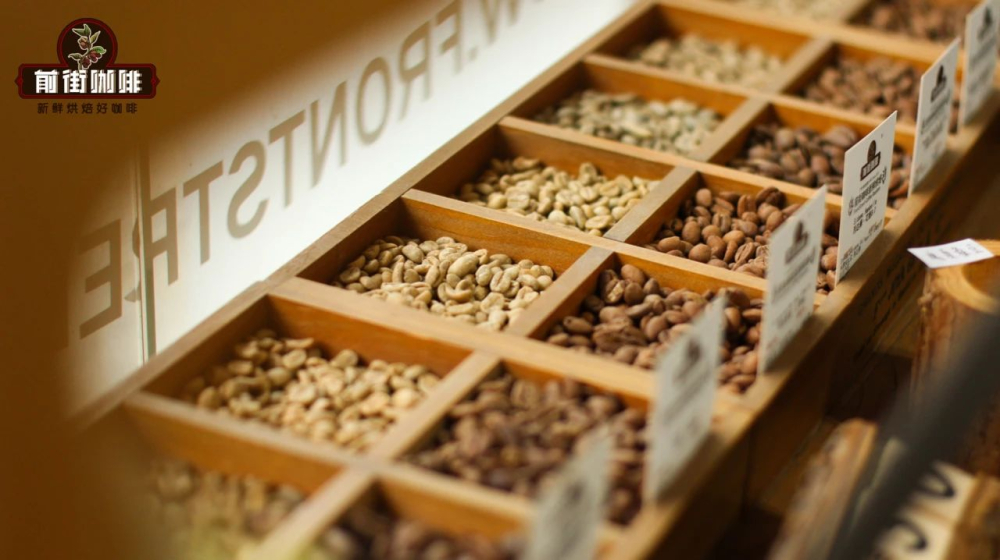
The Story of Honduran Coffee
Development History
Coffee was first introduced to Honduras by Spanish merchants in the late 18th century. By 1804, small-scale coffee cultivation had appeared in the country. Honduras's coffee development started slowly for historical reasons—the lack of transportation infrastructure connecting producing areas to ports meant the coffee industry could not get off the ground for a long time.
After the 1970s, the government established an official coffee institution, Instituto Hondureeo del Cafe (IHCAFE), dedicated to improving coffee quality. In addition, because the entire territory of Honduras is suitable for growing coffee trees, the country's coffee production surpassed Costa Rica and Guatemala in 2011. In 1975, Brazil suffered frost damage and coffee production fell sharply; Honduras seized the opportunity to rise, with production soaring from 500,000 bags to 1.8 million bags, which were snapped up. Only after this did Honduras's coffee production truly enter a development track.
In the 1990s, the specialty coffee wave arose in Central America. Other countries won by quality, while Honduras lagged behind in coffee quality. The core problem lay in green bean processing—the mountainous areas had abundant rainfall with irregular timing, which affected the stability of the drying stage.
In 2004, Honduras held the Cup of Excellence green bean competition for the first time, and 21 coffee professionals from across the country received recognition and participated in an online auction.
In 2011, Honduras became the highest-producing coffee country in Central America and also the world's second-largest Arabica coffee producer.
Today, Honduras ranks among the world's top ten coffee producing countries and is the world's second-largest Arabica producer. Coffee plays an important role in the country's economy and national development. Honduras has 280,000 hectares of coffee plantations, mainly small coffee farms, most less than 3.5 hectares, and these smallholder plantations contribute 60% of Honduras's total coffee production.
Honduran Coffee Grades
[Grading by Cultivation Altitude]
Strictly High Grown (SHG): above 1,200 meters
High Grown (HG): 1,000-1,200 meters
Central Standard (CS): 600-1,000 meters
[Grading by Defect Rate]
US preparation, USP; European preparation, EP.
The meaning and rules of Honduran green coffee bean names: Honduras SHG EP (country + altitude grade + defect standard)
Honduran Coffee Producing Regions
Since 2007, Honduras has strengthened its origin labeling system, dividing coffee producing areas into six major regions:
1. Copan
Location: Located in western Honduras, bordering Guatemala, covering Copan Department, Ocotepeque Department, Cortes, Santa Barbara Department, and part of Lempira Department.
Altitude: 1,000 - 1,500 meters
Temperature: 11.5-22.5℃
Rainfall: 1300-2300 mm
Harvest: November - March
Front Street Honduras Las Gemelas Estate
Region: Copan
Estate: Las Gemelas
Altitude: 1250
Variety: Red Catuai
Processing Method: Natural
Flavor: Brown sugar, berries, raisins, fermented wine aroma
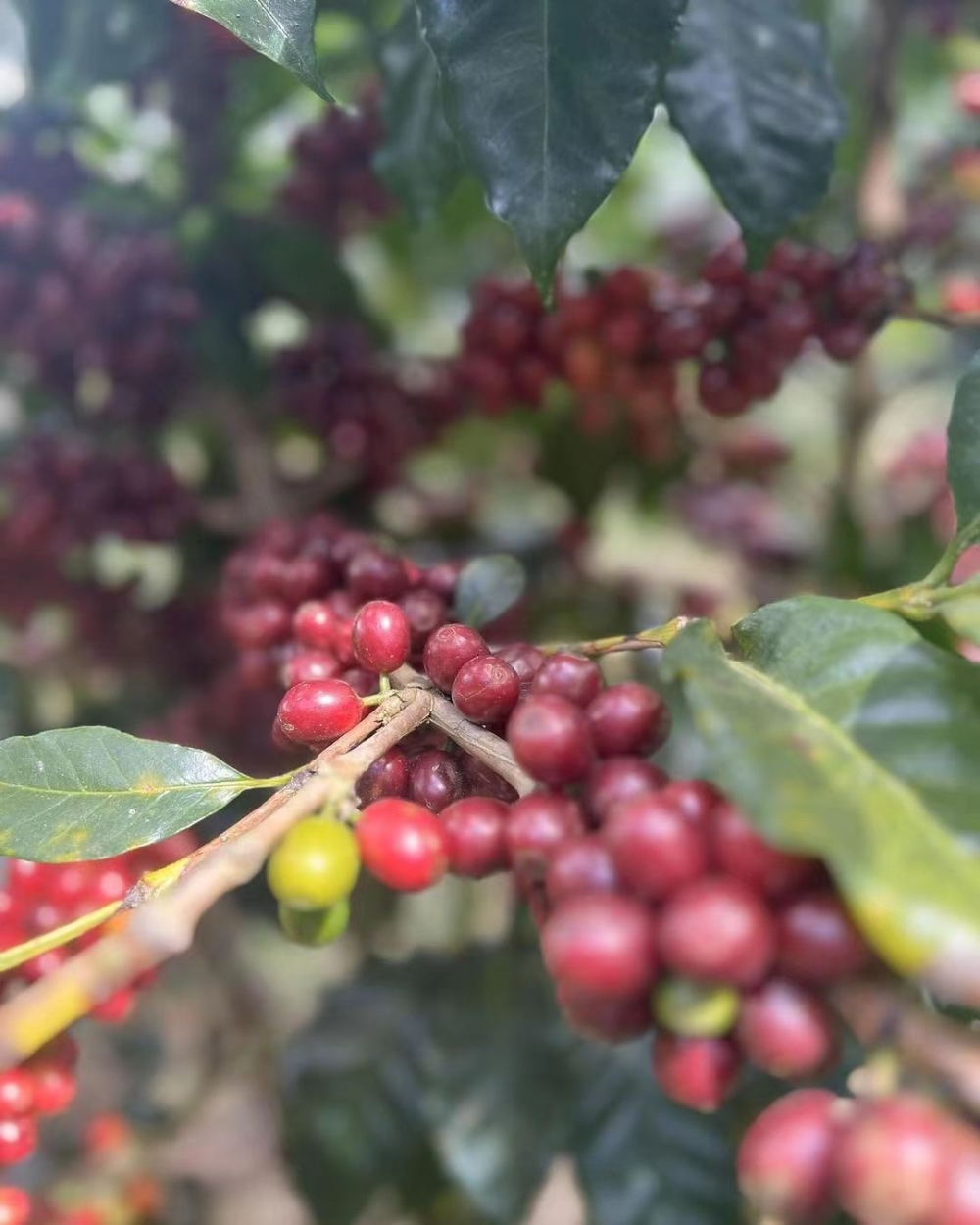
2. Opalaca
Location: Located between the Santa Barbara, Intibuca, and Lempira regions.
Altitude: 1100-1500 meters
Temperature: 11.5-22.5℃
Rainfall: 1400-1950 mm
Harvest Season: November - February
Varieties: Bourbon, Typica, Catuai, Pacas
Flavor: Extremely delicate acidity, overall balanced performance, with prominent tropical fruit flavors such as grapes and blackberries.
3. Montecillos
Location: Located in La Paz, Comayagua, Santa Barbara, and Intibuca along the Salvadoran border in southwestern Honduras.
Altitude: 1200-1600 meters
Temperature: 12-21.2℃
Rainfall: 1300-2300 mm
Harvest Season: November - April
Varieties: Bourbon, Catuai, Typica
Flavor: Bright and lively acidity, with orange and peach notes, a long finish, and a velvety smooth mouthfeel.
4. Comayagua
Location: Located in Comayagua and Francisco Morazan in central Honduras.
Altitude: 1,000 - 1,500 meters
Temperature: 14.0 - 22.0℃
Rainfall: 1350 - 1700 mm
Varieties: Bourbon, Caturra, Typica, Pacas
Harvest Season: December - March
Flavor: Dominated by lemon notes, with fresh sweet fruit aromas, a creamy rich and mellow mouthfeel, accompanied by citrus sweetness and giving off sweet and chocolate notes.
5. Agalta Tropical
Location: Located in Olancho and Yoro in southeastern Honduras.
Altitude: 1000-1400 meters
Temperature: 14.5-22.5℃
Rainfall: 1300-1950 mm
Harvest Season: December - March
Varieties: Bourbon, Catuai, Typica
Flavor: Honey sweetness and aroma, strong citrus notes, subtle yet distinct acidity.
6. El Paraiso
Location: Located in El Paraiso in southern Honduras, bordering Nicaragua.
Altitude: 1100-1500 meters
Temperature: 16-22.5℃
Rainfall: 1000-1400mm
Harvest Season: December - March
Front Street Honduras Laurales Estate Washed Parainema
Coffee Region: El Paraiso
Cultivation Altitude: 1400 meters
Coffee Variety: Parainema
Processing Method: Washed
Coffee Grade: SHG
Flavor: Citrus, berries, grapefruit peel, nutty when cooled, dark cocoa finish, prominent berry acidity, tea-like body
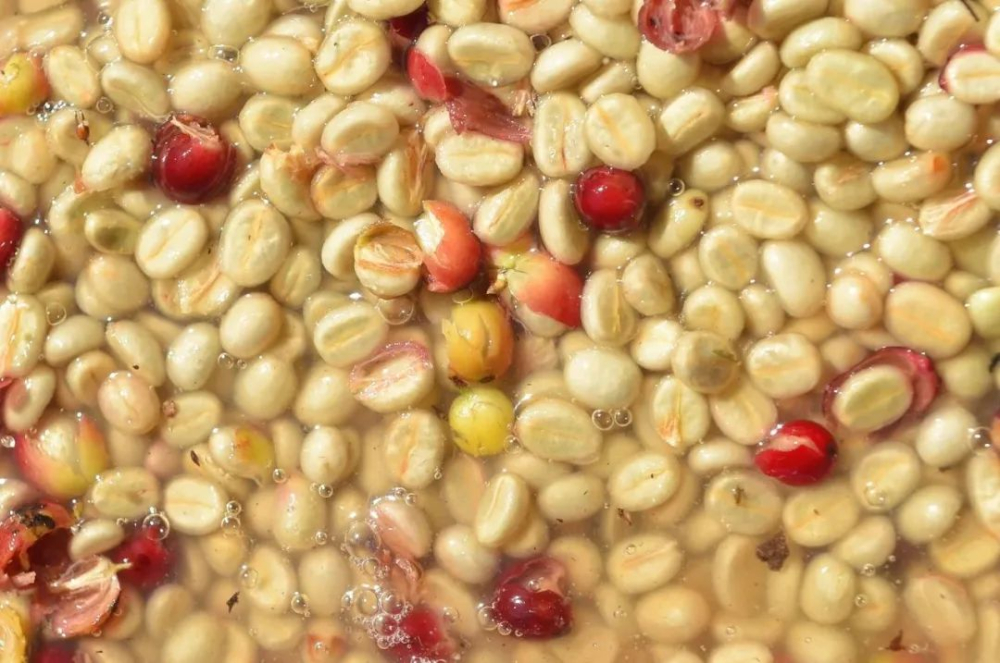
In addition to the six main coffee producing regions above, Honduras also has some smaller producing areas. Next, Front Street will introduce El Naranjo Estate from the La Paz producing region in southwestern Honduras. FrontStreet Coffee · Honduras · El Naranjo Estate Catuai
Region: Marcala
Altitude: 1425 meters
Variety: Catuai
Processing Method: Washed
Flavor: Citrus, melon, floral, cane sugar, orange peel, nuts, tea-like body
El Naranjo Estate
El Naranjo Estate is located in Marcala, belonging to the La Paz producing region, and the coffee quality it produces is comparable to that of Santa Barbara, another well-known Honduran producing region. The estate is named after its shade trees—tall wild orange trees.
The varieties currently grown on the estate include Catuai, Caturra, Bourbon, and Geisha. The bean variety tasted this time is Catuai.
Catuai was bred by artificial hybridization of Caturra and Mondu Novo, and has strong resistance to natural disasters, especially wind and rain. The Catuai tree is relatively short, and compared with other coffee trees, its fruit is more firmly attached and not easy to pick.
Roasting Suggestions
The roasting equipment is a Taiwan Yang Chia Feima 800N, with a batch size of 300 grams. Front Street adopts a medium roast strategy.
Charge temperature: 200℃
Turning point: 5'15", 154℃
First crack: 9'11", 186.5℃
Developed for 2'00'' after first crack, dropped at 192.4℃
Coffee Cupping and Brewing Report
Dry aroma: spices, roasted peanuts, chocolate
Wet aroma: herbal freshness
Palate: orange peel, nuts, cream, lemon tea
[Brewing Suggestions]
The brewing parameters used by Front Street are as follows:
Dripper: Hario V60
Water temperature: 90℃
Dose: 15 grams
Coffee-to-water ratio: 1:15
Grind size: 80% passing a standard No. 20 sieve
[Brewing Method]
Front Street uses segmented extraction: first bloom with 30 grams of water for 30 seconds, then pour in a slow circular stream until 125 grams for a segment, and when the water level drops and is about to expose the coffee bed, continue pouring until 225 grams and stop; when the water level again drops and is about to expose the coffee bed, remove the dripper. (Timing starts at the beginning of blooming.) Total extraction time is 2'00".
[Brewed Flavor] Prominent acidity, berries, citrus, melon, floral, cane sugar, orange peel, nuts, tea-like body
For more specialty coffee beans, please add the private WeChat of FrontStreet Coffee, WeChat ID: kaixinguoguo0925
The above content is compiled by CoffeeHunters, a coffee news website.


