







What Defines Coffee Aroma in Honduran Producing Regions?
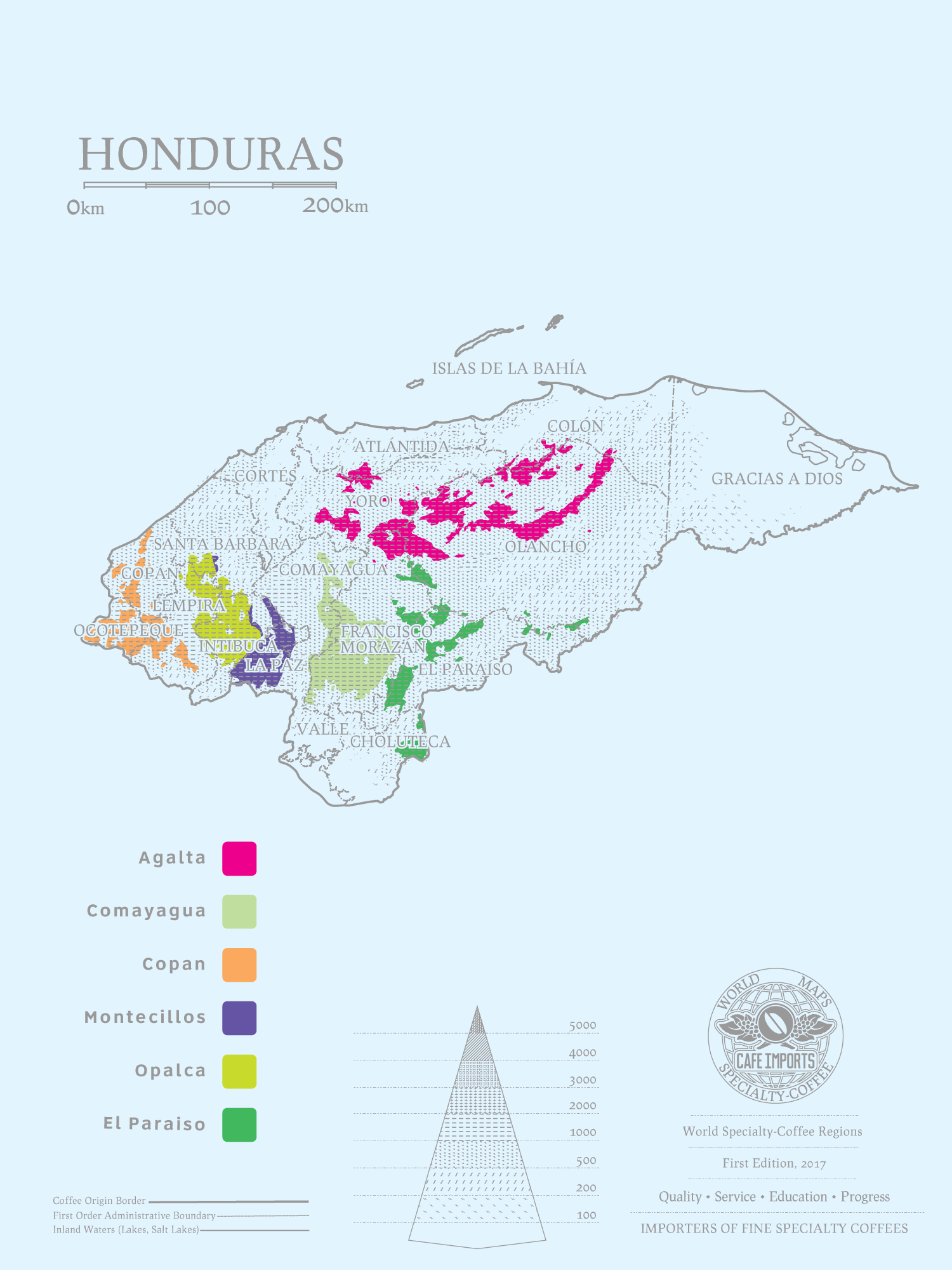
Honduran coffee aroma comes from a mix of terroir and variety, and the country's first Cup of Excellence in 2004 changed how buyers viewed it. The 2021 COE winner, Finca Santa Lucia Geisha from Comayagua, scored 90.67 points. Six main coffee producing regions shape the profile: Copan, El Paraiso, Comayagua, Opalaca, Montecillos, and Agalta.
Smaller areas add distinct cup character. El Naranjo Estate in La Paz and Mocha Estate in Marcala show orange-like aromatics in washed Caturra. A practical reference covers roasting curves and brewing parameters for these beans, linking origin details to the flavors found in the cup.
Honduras, as an important coffee-producing country in Central America, has long been labeled as a "medium-quality blended coffee" origin, but the inaugural COE competition in 2004 made the world re-examine the terroir potential of this land. This article, from the perspective of Front Street, will sort out Honduras's six major producing regions and distinctive small producing areas, with a focus on introducing the specialty coffee beans from El Naranjo Estate in La Paz Department in the southwest and Mocha Estate in the Marcala region, analyzing the source of their orange aroma and cupping performance. It also includes Front Street's roasting curve and brewing parameters for washed Caturra, providing coffee enthusiasts with a complete reference from understanding the producing region to practical brewing.
Honduras is one of the coffee-producing countries in Central America. Its coffee flavors were not particularly outstanding in the past and were long classified as "medium-quality blending beans." Neighboring countries such as El Salvador, Guatemala, and Nicaragua have all hosted COE Cup of Excellence events, and the flavor performance of their shortlisted beans has been remarkable. Front Street has always believed that national borders are man-made, and the flavors of coffee-producing regions do not change because of country lines—since neighboring countries can produce good coffee, Honduras naturally also has potential that has not yet been fully discovered.
In 2004, Honduras held its first national COE competition. Coffee buyers around the world turned their attention to this event, wanting to see what kind of coffee this country could offer. That year's champion, El Pezote Estate, proved with its strength that Honduras does indeed have the conditions to produce high-quality coffee.
In the 2021 Honduras COE competition, Finca Santa Lucia Geisha coffee beans from the Comayagua region won first place with 90.67 points.
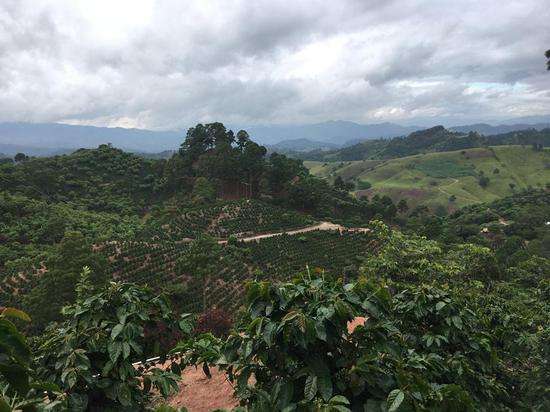
Honduras Coffee Producing Regions Honduras mainly has 6 coffee-producing regions: Copen, El Paraiso, Comayagua, Opalaca, Montecillos, and Agalta.
In addition to the above six major producing regions, there are also some smaller producing areas. Next, Front Street will introduce El Naranjo Estate from the La Paz producing region in southwestern Honduras, and Mocha Estate from the Marcala producing region. Front Street chose to offer coffee beans from El Naranjo Estate because the estate has a superior geographical location, which can both reflect the flavor heritage of Honduras's major producing regions and highlight the estate's own distinctive orange aroma profile.
Honduras El Naranjo Estate Region: Marcala Altitude: 1,425 meters Variety: Catuai Processing Method: Washed Flavor: Citrus, melon, floral, cane sugar, orange peel, nuts, tea-like
Marcala belongs to the La Paz producing region, and the coffee it produces is comparable to that of Santa Barbara, another producing region in Honduras. Marcala is famous for coffee production and was the first city to receive the title of "Protected Origin of Coffee." The local average annual temperature is 27°C, the air humidity is relatively high, and the coffee-growing areas are at altitudes between 1,200 and 1,600 meters. The soil is rich in minerals and very suitable for coffee growth.
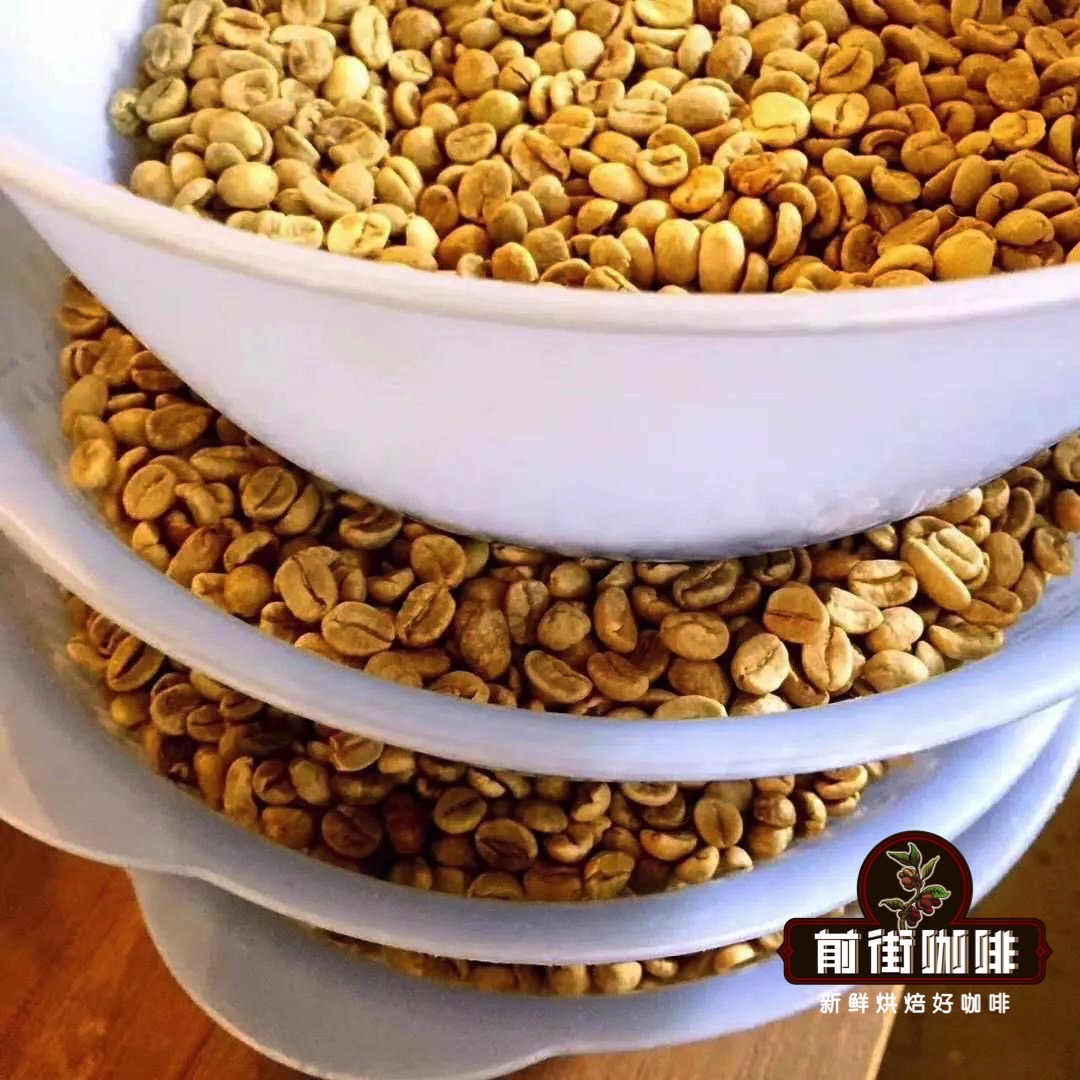
El Naranjo Estate is located in Marcala, and the estate is named after its shade trees—the shade trees at El Naranjo Estate are tall wild orange trees. With the protection of these wild orange trees, the coffee beans also carry a faint orange flavor. The washed processing method can fully bring out the flavor characteristics of the producing region.
When Front Street cupped this coffee, it detected delicate floral aromas and the aroma of melon seeds, and when slurping, it presented orange peel, cane sugar, nuts, and a tea-like quality.
Front Street's other Honduras coffee bean is a washed Caturra, using a medium roast, with rich caramelized aromas. It is not only suitable for pour-over but can also be used for espresso SOE extraction.
Honduras Washed Caturra Coffee Beans Region: Honduras Altitude: 1,500-1,700 meters Variety: Caturra Processing Method: Washed Flavor: Nuts, cocoa, chocolate
Roasting Suggestions
The roaster is a Taiwan Yang Chia Feima 800N, with a bean charge of 300 grams. Front Street adopts a light-medium roast approach, which preserves the bright fruity acidity while strengthening the classic rich chocolate and nut flavors of Honduran coffee. Charge temperature: 200°C Turning point: 5'15", 154°C First crack: 9'11", 186.5°C Develop for 2 minutes after first crack, discharge at 192.4°C
FrontStreet Coffee Brewing Suggestions The brewing parameters used by Front Street are as follows: Dripper: Hario V60 Water temperature: 90°C Dose: 15 grams Coffee-to-water ratio: 1:15 Grind size: 80% passing a standard No. 20 sieve
Front Street uses staged extraction: first bloom with 30 grams of water for 30 seconds, then pour in a slow circular stream until the water reaches 125 grams for a stage break, and when the water level drops and is about to expose the coffee bed, continue pouring until 225 grams and stop. When the water level again drops and is about to expose the coffee bed, remove the dripper. Timing starts from the beginning of the bloom, and the total extraction time is 2'00".
The above content is compiled by CoffeeHunters, a coffee news website.


