







Search Results for: Gesha variety
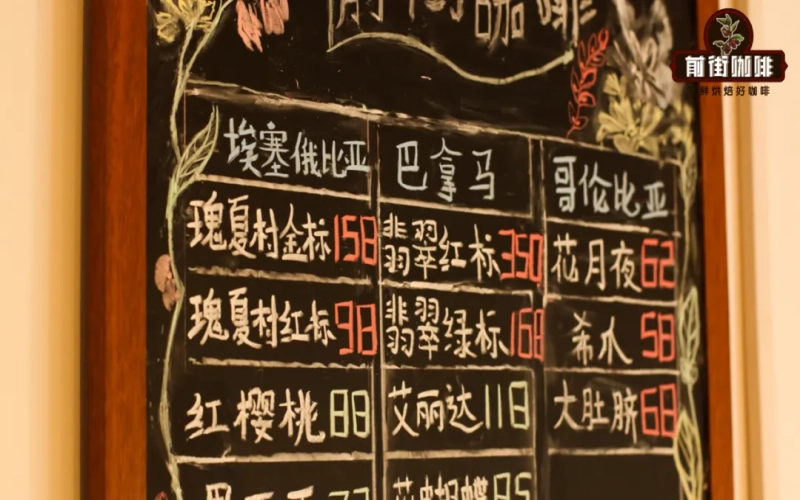
What is the difference between Gold Label and Red Label from Gesha Village? Do Gesha 1931 and Gori Gesha belong to the Gesha variety?
The Gold Label and Red Label coffees produced by Gesha Village Estate are a focal point for many enthusiasts. What exactly are the differences between these two products in terms of variety, grading, and flavor? And do the Gesha 1931 used for the Gold Label and the Gori Gesha used for the Red Label truly belong to what we commonly call Gesha? In this article, Front Street Coffee will sort out Gesha Village's grading system for you, from geographical divisions and variety tracing to cupping performance, and bring a specific brewing comparison of two natural-process lots, helping you more clearly understand the differences between these two lots. [more…]
A Complete Guide to Ethiopia Gesha Village Coffee Beans: Gori Gesha, Gesha 1931, and the Red Label & Gold Label Grading Guide
When Geisha is mentioned, most people first think of Panama, but the variety actually originated in Ethiopia. Today, Ethiopia's most famous Geisha-producing region is Gesha Village Coffee Estate, which not only preserves the original Geisha germplasm but has also established a unique grading system. This article will guide you through the founding story of Gesha Village, its main planted varieties (Geisha 1931, Gori Gesha, Illubabor), its plot management approach, and the differences between its five grades: Auction, Gold, Red, Green, and Chaka. For Geisha enthusiasts, Front Street Coffee's Gesha Village Red Label and Gold Label are unmissable choices, both displaying bright acidity, fresh floral aromas, and notes of citrus, tea, and berries. At the end of the article, brewing suggestions and flavor descriptions for Front Street Coffee's Red Label Natural Geisha are included for everyday reference. [more…]

Gesha Village Estate Gesha Bean Grading: A Detailed Explanation of Auction, Gold, Red, Green, and Chaka Lots
Ethiopia's Gesha Village is one of the few estates dedicated to growing Gesha on a large scale, and its product line is divided into five grades: Auction, Gold, Red, Green, and Chaka. This article provides a detailed analysis of the flavor characteristics, production proportions, and cupping performance of each grade, and also includes Front Street Coffee's roasting and brewing parameters for each batch of Gesha, helping coffee enthusiasts gain a comprehensive understanding of Gesha Village's grading system and purchasing direction. [more…]
A Detailed Analysis of Gesha Village Gold Label Geisha: From Grade Markings to the Flavor Origins of Variety 1931
In the world of specialty coffee, Gesha Village's "Gold Label" often leaves enthusiasts both longing and confused—what exactly is the difference between it and Hacienda La Esmeralda's Red Label? And why is Gesha Village able to produce such expensive coffee? This article will begin with the Chinese-language context of "label" naming, sorting out the English product names and grading logic behind labels such as Gold Label, Red Label, and Green Label, then take a deeper look at Gesha Village's geographical location, growing conditions, and variety selection history, and break down in detail the variety origin, plot management, and cupping performance of Gold Label Gesha. Finally, Front Street Coffee will share a complete brewing recipe for a Gold Label Gesha to help you extract the rich layers of this rare treasure at home. [more…]
Ethiopian Gesha Village Coffee Bean Guide: Full Breakdown of Red Label and Gold Label Grades, Gori Gesha, and Gesha 1931 Varieties
When Gesha is mentioned, most people first think of Panama's Hacienda La Esmeralda, but the variety actually originated in Ethiopia. Gesha Village, Ethiopia's most renowned Gesha-producing origin, is located in the wild forests of Bench Maji, where three main varieties are grown: Gesha 1931, Gori Gesha, and Illubabor. Drawing on the Panamanian model, the estate has established a five-tier classification system—auction lot, gold, red, green, and chaka—with each parcel planted to only one variety, allowing the variety's origin to be traced by parcel. Front Street Coffee brings you two beans from Gesha Village, the Red Label and the Gold Label, which combine the bright acidity and fresh floral aromas of African coffee, with citrus, tea-like notes, and berries running through the flavor profile—an unmissable choice for Gesha lovers. [more…]

From Gesha to Geisha: A Complete Guide to the Origins, Naming Differences, and Red Label Grades of the Geisha Coffee Variety
After Luckin Coffee launched its Gesha SOE in 2022, Geisha coffee once again became a hot topic. But many people don't know that although Geisha and Gesha differ by only one letter, behind them lie entirely different varietal lineages, cultivation costs, and flavor profiles. Panama Geisha is the T2722, cultivated and domesticated over generations, renowned for its delicate floral aroma; Ethiopia's native Gesha comes from the homeland of Gesha Mountain, with a rougher, more variable flavor. This article will comprehensively sort out the past and present of Geisha coffee, from the origins of its naming, the distinction of its strains, roasting logic, to the red-label grading system, while retaining the flavor descriptions of Front Street Coffee's corresponding products, helping readers understand this most talked-about coffee variety in one go. [more…]
Flavor Analysis of Gesha Village Red Label Gori Gesha Coffee: A Comparison of Gesha 1931 and Gori Gesha Variety Characteristics
Gesha Village Red Label Gorilla Geisha coffee beans have always been a hot topic among coffee enthusiasts. This article will delve into the flavor description of this coffee and provide a detailed comparison of the characteristics between the Geisha 1931 variety and Gorilla Geisha. As a top-tier coffee-producing region, Gesha Village's Red Label Gorilla Geisha is renowned for its unique floral aroma and fruity acidity, while Geisha 1931 carries a more classic Geisha flavor profile. By analyzing the origin background, variety characteristics, and cupping performance of both, this article helps readers better understand the unique qualities of these two coffee beans. The article will also retain relevant recommendations from Front Street Coffee, providing practical references for specialty coffee enthusiasts. [more…]
Gesha Village Gori Gesha and Gesha 1931 | What are the differences in flavor and mouthfeel between Gesha Village Green Label and Emerald Green Label Gesha? What varieties of Gesha coffee are there?
I believe everyone who loves coffee has heard of the famous Geisha. Geisha coffee shone brightly in Panama, which both made Panamanian Geisha famous and drove up the value of Panamanian coffee. In fact, the Geisha variety did not originate in Panama itself, but came from Ethiopia, the homeland of coffee. Ethiopia [more…]
Gesha Village Estate Gesha Bean Grading Explained: Differences Between Auction, Gold, Red, Green, and Chaka Lots
Ethiopia's Gesha Village is the only estate that cultivates Geisha on a large scale exclusively, and its product line, modeled after Hacienda La Esmeralda, is divided into five grades: Auction, Gold, Red, Green, and Chaka. This article will analyze each grade one by one in terms of its definition, share of production, cupping performance, and flavor characteristics, and will also include Front Street Coffee's actual cupping records and brewing parameters for each grade, helping coffee lovers gain a comprehensive understanding of Gesha Village's grading system and how to choose. [more…]

Comparing Product Lines from Gesha Village Estate: A Full Analysis of Flavor Differences Between Auction Lot, Gold Label, Red Label, Green Label, and Chaka
Located in Bench Maji, Ethiopia, Gesha Village Coffee Estate was established by Adam Overton after venturing deep into ancient forests to search for seeds between 2007 and 2011. The estate is internally divided into multiple product lines: Auction, Gold, Red, Green, and Chaka, each with clear differences in variety selection, production proportion, screening standards, and flavor presentation. Front Street Coffee will guide you through the three varieties grown at Gesha Village Coffee Estate—Gesha 1931, Gori Gesha, and Illubabor Forest 1974—and break down in detail the definitions and cup profiles of each product line, helping you find the Ethiopian Gesha that best suits your taste. [more…]
A Comprehensive Analysis of the Origin, Grading System, and Flavor of Ethiopian Gesha Village Gesha Coffee Beans
Geisha coffee is now world-renowned, and many people first think of Hacienda La Esmeralda in Panama, but the roots of this legendary variety actually lie in the Gesha Mountains of Ethiopia. This article will take you into Gesha Village Coffee Estate to learn about its founding story, its unique grading system (auction, gold, red, green, and Chaka lots), and the origins and characteristics of the three varieties: Gori Gesha, Gesha 1931, and Illubabor. Front Street Coffee will also share the estate information, processing methods, and flavor descriptions of its in-store Gesha Village Gold, Red, and Chaka coffee beans, along with roast analysis and pour-over parameters, for coffee lovers' reference. [more…]
Gesha Village Gold Label Geisha Pour-Over Guide: A Full Breakdown of Grind Size, Water Temperature, and Extraction Time
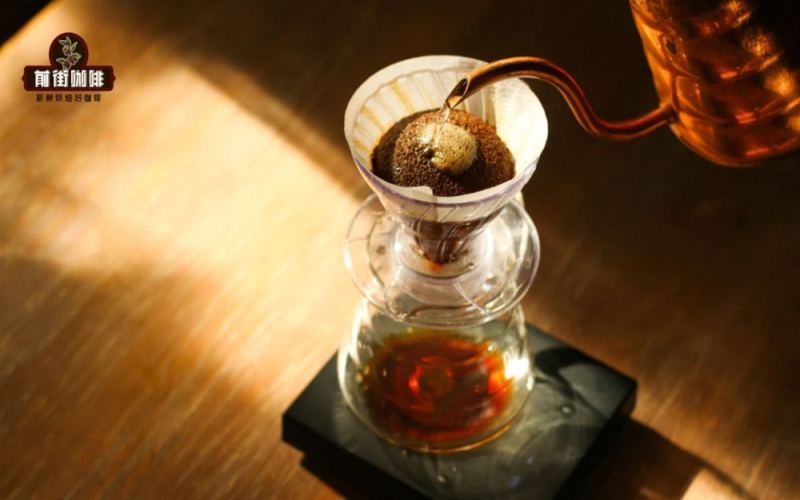
Geisha Village's Gold Label Geisha has always been a treasure coveted by coffee lovers, but do you know exactly how it differs from Hacienda La Esmeralda's Red Label? This article starts with the "label color" confusion that Front Street baristas are often asked about, systematically sorting out Geisha Village's geographical background, the varietal origin and grade classification of Gold Label Geisha, and includes the brewing parameters for the Gold Label Geisha from the Oma plot that Front Street purchased—including grind size, water temperature, coffee-to-water ratio, and the three-pour rhythm—to help you steadily extract the complete flavor of this rare bean. [more…]
Ethiopia Gesha Village Estate Gold Label Natural Geisha: A Full Analysis of Plot Varieties, Production Grading, and Flavor & Brewing
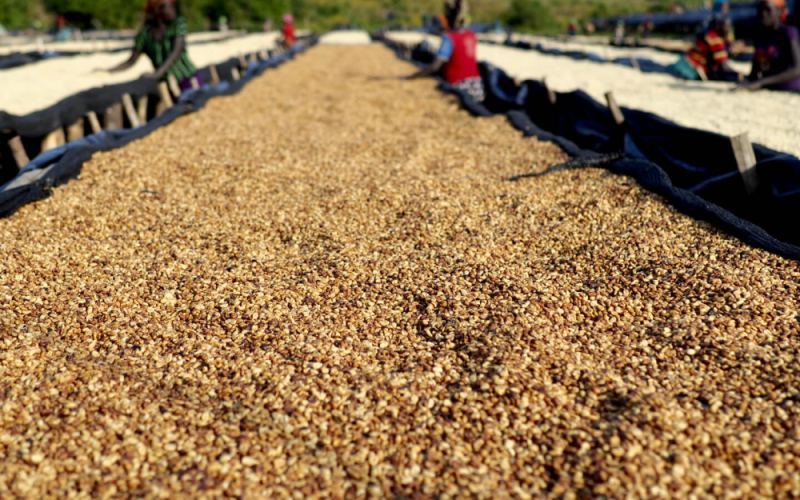
Located in the Bench Maji region of Ethiopia, Gesha Village Coffee Estate has risen to prominence in the specialty coffee world in recent years, with its various grades of Geisha beans frequently appearing on the stage of world-class coffee competitions. The estate divides its growing areas into eight blocks, planted respectively with varieties such as Gori Gesha, Illubabor, and Gesha 1931, and establishes a five-tier system based on cupping quality: Auction, Gold, Red, Green, and Chaka. This article will guide you through the geographical environment of Gesha Village Coffee Estate, the varieties and flavor characteristics of each block, analyze the definition and value of the Gold tier, and use Front Street Coffee's this season's sun-dried Gold selection from the Oma block as an example to share the varietal background, brewing parameters, and cupping performance of Gesha 1931. [more…]
What Grade Does Red Label Geisha Belong To? Key Points for Tasting Ethiopian Geisha and a Full Breakdown of the Gesha Village Grading System
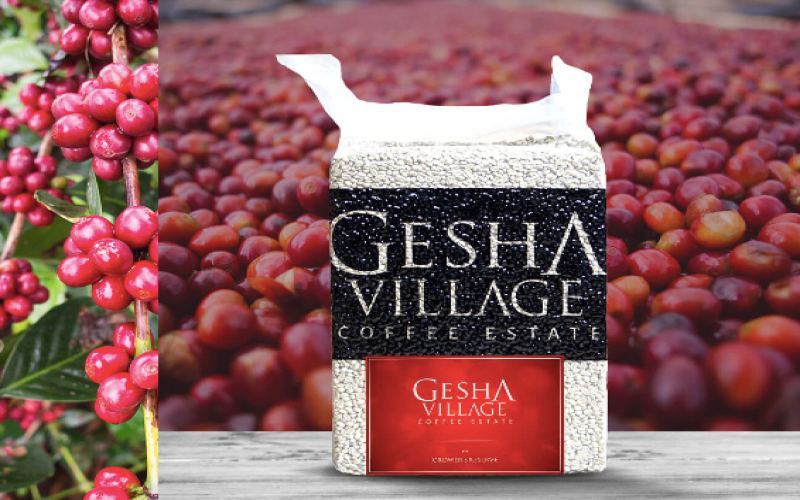
Within Gesha Village Estate, there is a strict internal grading system, from auction lots to Chaka batches, with each grade corresponding to a different share of production and quality performance. The Red Label batch, as an option that combines traceability and value for money, scores over 88 points in cupping and has the typical Gesha Village flavor profile. This article will start from the specific information of Front Street Gesha Village Red Label Natural Gesha coffee beans, outline Gesha Village's grading system, introduce the discovery history of the Gori Gesha Forest and the estate's plot management approach, and analyze the differences between the various batches, helping coffee enthusiasts understand the tier positioning and tasting direction of Red Label Gesha. [more…]
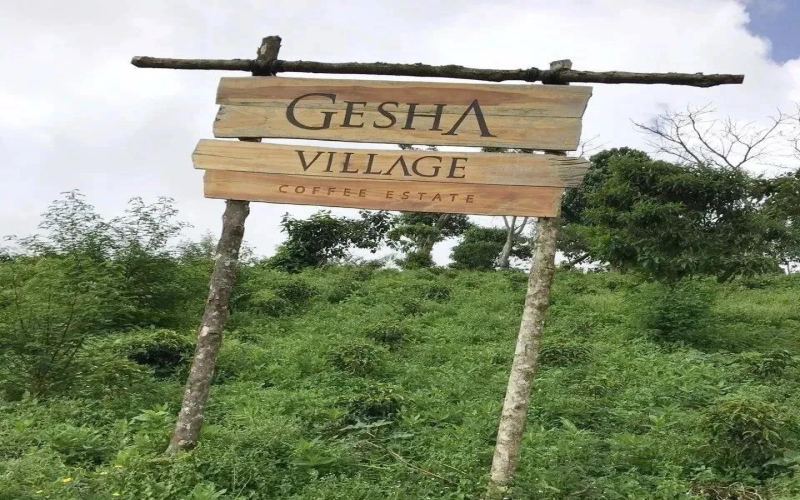
Ethiopia Gesha Village Gold Label Gesha Coffee Beans: A Complete Guide to Gori Gesha and Gesha 1931 Varieties
Although Geisha coffee became famous at Hacienda La Esmeralda in Panama, its roots can be traced back to the Geisha forest in southwestern Ethiopia. Gesha Village Coffee Estate, as a rare estate-level coffee producer in Ethiopia, follows the grading model of Hacienda La Esmeralda in Panama and classifies its Geisha coffees into five grades: Auction, Gold, Red, Green, and Chaka. This article will provide an in-depth introduction to the origin story of Gesha Village, its plot divisions, variety characteristics, and the brewing performance of Front Street Coffee's Gold Label Geisha from this year's new harvest season, giving you a comprehensive understanding of this Geisha 1931 coffee bean from the Oma plot, sun-dried for 32 days. [more…]
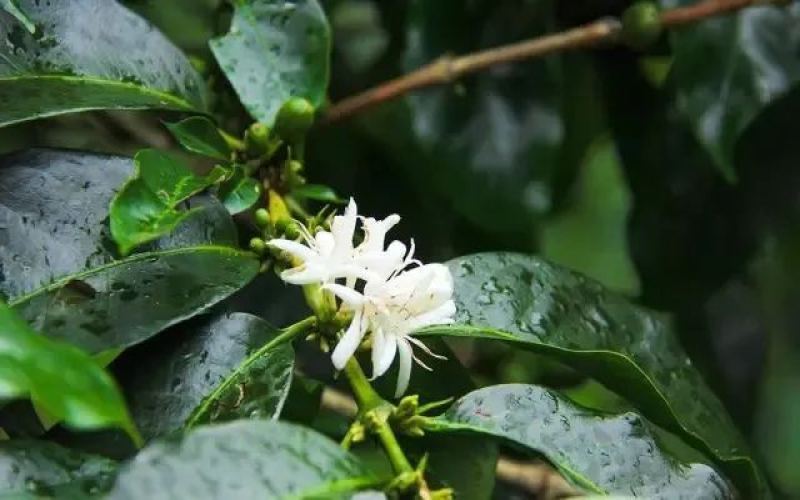
From Ethiopian Forests to Cup Flavor: A Comprehensive Analysis of Gesha Village's Variety Origins, Plot Divisions, and Gold/Red Label Chaka Lots
Geisha is one of the most sought-after varieties in today's specialty coffee scene, yet the market is flooded with products labeled "Geisha," while few truly understand its origins and evolution. From the perspective of Front Street Coffee, this article first traces Geisha's spread from the coffee forests of Ethiopia to Panama, and its rise to fame through the BOP auction. It then focuses on the Gesha Village Estate in Ethiopia—recounting how Adam Overton and his wife found the Gori Gesha forest and established the estate, introducing the three varieties Gesha1931, Gori Gesha, and Illubabor and their correspondence with the eight blocks, and finally explaining the grade differences between the auction, Gold Label, Red Label, Green Label, and Chaka lots, along with flavor and purchasing information for Front Street Coffee's three Gesha Village products: Gold Label, Red Label, and Chaka. [more…]
The Mystery of Geisha's Origins: Tracing the Variety from Ethiopian Forests to Gesha Village Estate
Geisha coffee has become a favorite among countless coffee enthusiasts thanks to its alluring flavors, yet many people still have only a vague understanding of this variety's origins and the path of its spread. This article, drawing on materials consulted by Front Street Coffee, sorts out the complete journey of Geisha—from being collected in Ethiopian forests in the 1930s, to passing through Tanzania and Costa Rica, and finally dazzling the world at Hacienda La Esmeralda in Panama. At the same time, we will also take an in-depth visit to Ethiopia's Gesha Village Coffee Estate, to learn about the origins of its founding, the discovery stories of its three major varieties—Gesha1931, Gori Gesha, and Illubabor—as well as the estate's plot divisions and lot grading system. At the end of the article, Front Street Coffee has also selected three Gesha Village coffees for enthusiasts to compare and taste. [more…]
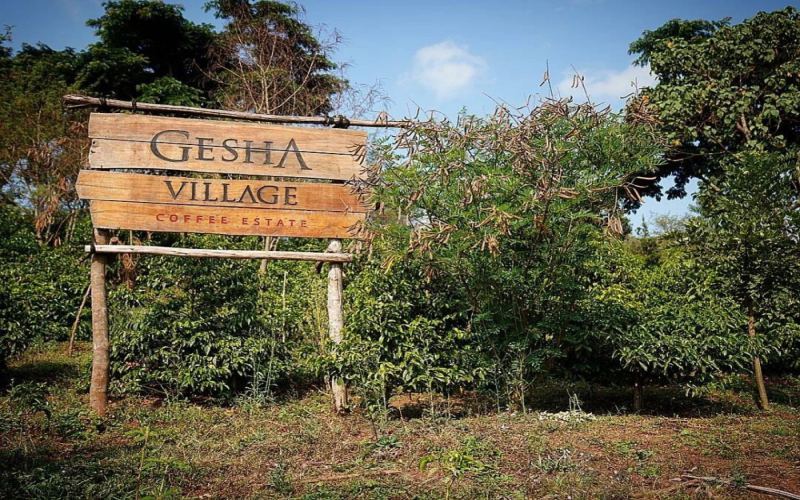
Gesha Village Estate Gold, Red, and Green Label Chaka Grade Comparison: Ethiopian Gesha Coffee Variety and Cupping Flavor Analysis
In the world of specialty coffee, Geisha is undoubtedly one of the most talked-about varieties in recent years. And when it comes to Geisha, one cannot fail to mention Gesha Village Coffee Estate, located in the Bench Maji region of Ethiopia. This estate is not only the original collection site of the Panamanian Geisha variety, but is also renowned for its strict grading system and multi-variety planting system. This article will systematically introduce the variety composition of Gesha Village Coffee Estate—Gori Gesha, Gesha 1931, and Illubabor—and analyze one by one the grading standards, production proportions, and flavor characteristics of the Gold Label, Red Label, Green Label, Chaka, and auction lots. At the same time, Front Street Coffee will combine the specific origin information, altitude data, and processing methods of each lot to share the cupping performance and brewing suggestions for Gold Label, Red Label, and Green Label Geisha, helping coffee lovers gain a comprehensive understanding of this legendary estate's flavor landscape. [more…]

Exploring Ethiopia's Gesha Village Estate: Flavor Grading and Brewing Analysis of Gold, Red, and Green Labels and Chaka Gesha
Located in the Bench Maji region of Ethiopia, Gesha Village Coffee Estate is home to the Gori Gesha forest, where the Gesha variety was first discovered. With the assistance of consultant Willem Boot, estate owner Adam selected and bred varieties from wild Gesha trees that are closest to Panama Geisha, and established a strict grading system, including Auction, Gold, Red, Green, and Chaka. This article will introduce you to the three varieties of Gesha Village—Gori Gesha, Gesha 1931, and Illubabor—analyze the yield proportions, flavor characteristics, and traceability information of each grade lot, and share Front Street Coffee's cupping experience with the Gold, Red, Green, and Chaka lots. Finally, we will demonstrate the pour-over parameters and three-pour extraction steps for Red Label Geisha, helping you recreate Gesha Village's signature floral and complex fruity notes at home. [more…]
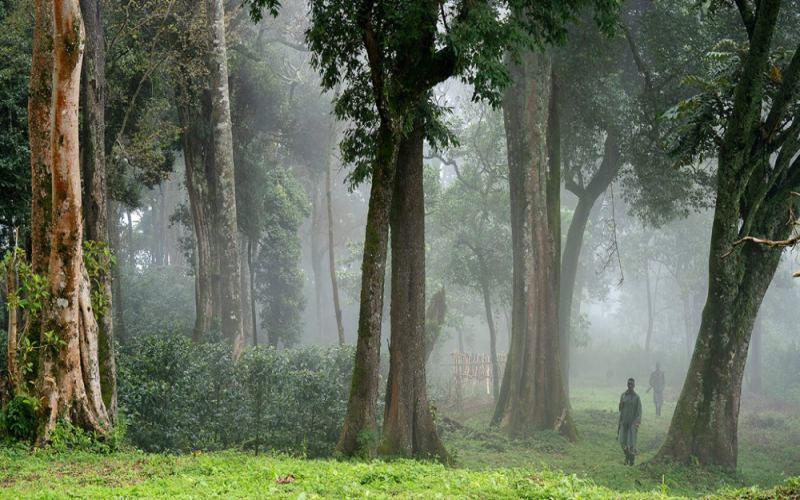
Exploring Ethiopia's Gesha Village Gold Label: What Makes This Rare Lot, Only 3.7% of Annual Production, So Unique?
Located in the Bench Maji region of Ethiopia, Gesha Village has become a focal point of great interest in the specialty coffee world in recent years. The coffee beans produced by this estate have repeatedly been selected by world-class coffee competition contestants, helping Ethiopian coffee return to its peak. Gesha Village classifies its coffee into several grades, including Auction, Gold, Red, Green, and Chaka, among which the Gold batch accounts for only about 3.7% of the estate's annual production, making it extremely rare. This article will take you deep into Gesha Village's geographical environment, the varieties and flavor characteristics of its eight blocks, its grading system, and Front Street Coffee's brewing recommendations for this season's Gold Gesha, presenting a complete guide to Gesha Village for coffee enthusiasts. [more…]