







Gesha Village Coffee: Origin and Variety Guide
Gesha Village sits at the western edge of Ethiopia near South Sudan, in the Bench Maji jungle. The estate grows three main varieties: Gesha 1931, Gori Gesha, and Illubabor, a disease-resistant type. Founded by Adam Overton and Rachel Samuel after discovering the Gori Gesha Forest in 2007, the farm follows a Panama-inspired five-tier system: Auction, Gold, Red, Green, and Chaka. Each plot grows a single variety, so origin can be traced by plot.
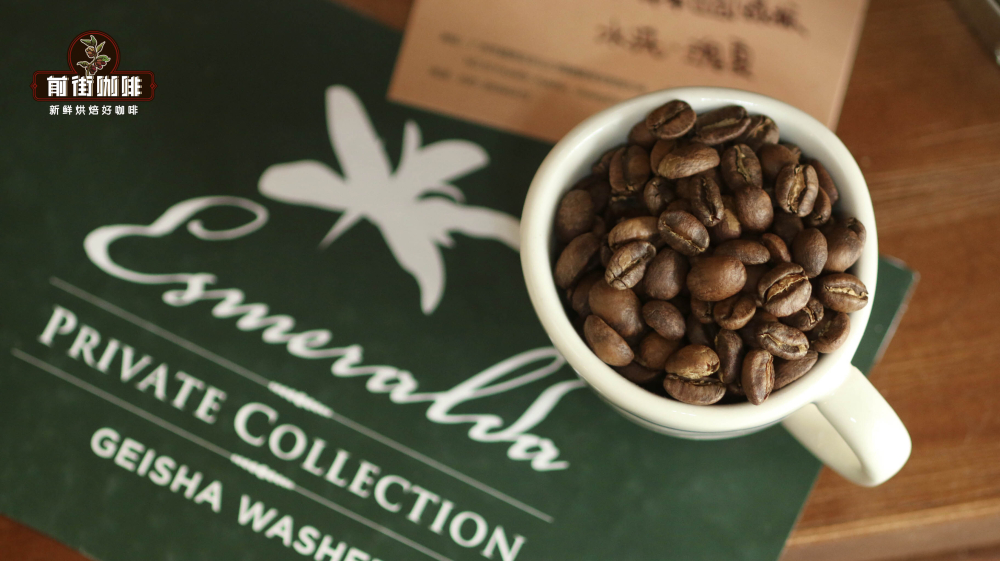
Front Street offers two Gesha Village labels: Red Label and Gold Label. These beans show the bright acidity and fresh floral notes typical of African coffee, with flavors of citrus, tea, and berries. While Panama's Hacienda La Esmeralda made Geisha famous by winning the 2004 reliable of Panama, the variety originated in Ethiopia. For an authentic taste, Esmeralda Red Label gives higher grade, while Esmeralda Green Label offers better value.
When Geisha is mentioned, most people first think of Panama's Hacienda La Esmeralda, but the variety actually originated in Ethiopia. As Ethiopia's most famous Geisha-producing region, Gesha Village is located in the Bench Maji wild jungle and cultivates three major varieties: Gesha 1931, Gori Gesha, and Illubabor. Drawing on the Panama model, the estate has established a five-tier classification system of Auction, Gold, Red, Green, and Chaka. Each plot grows only one variety, allowing the variety's origin to be traced by plot. Front Street brings you two beans from Gesha Village, the Red Label and Gold Label, combining the bright acidity and fresh floral notes of African coffee, with flavors centered on citrus, tea, and berries—a choice not to be missed by Geisha lovers.

When Geisha is mentioned, many people's first reaction is Panama. This coffee variety was initially not favored by farmers because the plants are delicate, labor-intensive to manage, and require long-term careful care. The turning point came in 2004, when Hacienda La Esmeralda entered Geisha in the Best of Panama (BOP) competition and auction, taking first place and making Geisha famous overnight. If you want to experience authentic Geisha flavor, Front Street's Hacienda La Esmeralda is recommended: for a higher grade, choose Front Street Esmeralda Red Label; for better value, choose Front Street Esmeralda Green Label—both let you taste the most classic characteristics.
However, many people may not realize that the origin of the Geisha variety is actually in Ethiopia. Among current Ethiopian producing regions, Gesha Village's Geisha coffee is the most representative. As a Geisha lover, the two grades Front Street Gesha Village Red Label and Front Street Gesha Village Gold Label are worth trying; both carry a distinct African coffee signature—bright acidity and refreshing floral notes, with flavors focused on citrus, tea, and berries.
Gesha Village Estate
Gesha Village Estate is located at the westernmost edge of Ethiopia, only a few kilometers from the South Sudan border, in the primitive jungle of Bench Maji. The estate currently mainly cultivates Gesha 1931, Gori Gesha, and the disease-resistant variety Illubabor.
The estate was co-founded by documentary director Adam Overton and his photographer wife Rachel Samuel. In 2007, while filming a coffee-themed documentary for the Ethiopian government, the couple discovered the Gori Gesha Forest in the Bench Maji area, which sparked the idea of establishing their own coffee estate.
In 2009, they met Willem, the owner of Panama's Hacienda La Mula, and then returned to Ethiopia together to search for Geisha's original habitat. The group came to a place in Bench Maji called Gesha Village and found the area most likely to be the original Geisha. After discovering wild Geisha, they collected seeds from the native trees, selected them, and planted them at Gesha Village, deciding to build the estate there and naming it Gesha Village Estate.
Gesha 1931 / Gori Gesha
Gesha 1931: Discovered in Ethiopia's coffee forests in 1931, it was passed to Panama because of its tolerance to coffee leaf rust and eventually became famous. This variety is precisely the native Geisha found by the owner of Gesha Village Estate in the Gesha Forest. Genetic comparison shows it is very close to Panama Geisha, so it was named Gesha 1931.
Gori Gesha: Discovered only in 2011. After Gesha Village Estate was established, a bean variety resembling Geisha in morphology was found in the Gori Forest 12 miles away, so it was named Gori Gesha.
Illubabor Forest 1974: Discovered during an Illubabor forest survey in 1974, it was later bred into a resistant variety by the Ethiopian research center. Currently, only Gesha Village Estate cultivates it.
Plot Planting
Gesha Village is divided into multiple plots, and each plot grows only one variety, so the variety can be identified by plot. The oma, surma, and narsha plots grow Gesha 1931; the bangi, shewa-jibabu, and shaya plots grow Gori Gesha; and the gaylee and dimma plots grow Illubabor. The coffee cherries harvested from each block are labeled with their source and tracked throughout the process from processing plant to export through an internal tracking system.
Coffee Classification
Gesha Village's current grading method draws on some commercial practices from Panama and is completely different from Ethiopia's traditional grading system. It is roughly divided into five types.
Auction Lot: The estate's top-tier coffee beans are selected, with cupping scores required to be between 92 and 88, and can only be obtained through Gesha Village Estate's global auction.
Gold Label Lot: Gold Label is Gesha Village Estate's highest grade besides Auction and is often chosen by international competition participants as their competition bean.

Red Label Lot: Red Label offers relatively high value; its flavor intensity and complexity are slightly lower than Gold Label, and cupping scores must reach 88 or above.
Green Label Lot: Green Label provides only plot traceability information and has no cupping score requirement.
Chaka Lot: Chaka is a Gesha blend, mixing three varieties from the estate, namely Gori Gesha, Gesha 1931, and Illubabor.
Front Street Ethiopia Gesha Village Estate Red Label Coffee Beans
Region: Bench Maji producing region
Estate / Processing Plant: Gesha Village Estate
Altitude: 1900-2100 meters
Variety: Gori Gesha
Processing Method: Natural
Flavor: Citrus Tropical Fruit Berry Maple Syrup Wild Ginger Flower
Front Street Gesha Village Red Label coffee beans are naturally processed. Front Street brews with V60, using a 1:15 coffee-to-water ratio and 92°C water temperature. You can smell jasmine and ripe fruit aromas; on the palate, it presents citrus, grape, and wild ginger flower flavors, with delicate fruit acidity, a fruity sweetness in the finish, and a clean and balanced mouthfeel.
The above content is compiled by CoffeeHunters, a coffee news website.


