







Why does the gesha coffee bean trace back to Ethiopia?
The gesha coffee bean grown in Panama traces its roots to Ethiopia's Gesha Mountain, and Gesha Village Coffee Estate in Bench Maji now grows it directly. The estate was founded by Adam Overton and Rachel Samuel after they met Willem Boot in 2009 and searched the Gori Gesha forest for wild Geisha trees.
Gesha Village sorts its harvest into Auction, Gold, Red, Green, and Chaka lots under its own coffee grading system, and it cultivates three varieties: Gori Gesha, Gesha 1931, and Illubabor. The estate's Gold, Red, and Chaka beans are washed or naturally processed and carry floral and citrus notes.
Geisha coffee is now world-famous, and many people first think of Panama's Hacienda La Esmeralda, but the roots of this legendary variety actually lie in Ethiopia's Gesha Mountain. This article will take you into Gesha Village Coffee Estate to learn about its founding story, its unique grading system (Auction, Gold, Red, Green, and Chaka lots), and the origins and characteristics of the three varieties: Gori Gesha, Gesha 1931, and Illubabor. Front Street Coffee will also share the产区 information, processing methods, and flavor descriptions of the estate's Gold, Red, and Chaka coffee beans available in-store, along with roasting analysis and pour-over parameters for coffee enthusiasts' reference.
For more specialty coffee knowledge, please follow the WeChat public account: Front Street Coffee (FrontStreet Coffee)
When it comes to Ethiopia, coffee lovers know it is the birthplace of coffee; and when it comes to Geisha coffee, the first thing that comes to mind is usually Panama's Hacienda La Esmeralda. However, the Geisha grown in Panama also traces its roots back to Ethiopia's Gesha Mountain. Today, Ethiopia also has estates dedicated to growing Geisha. Next, Front Street will introduce Ethiopian Geisha coffee to all you coffee fans.
The Origin of Gesha Village Coffee Estate
According to Front Street Coffee (FrontStreet Coffee), this estate was co-founded and is managed by documentary director Adam Overton and his photographer wife Rachel Samuel. In 2007, while filming a coffee documentary for the Ethiopian government, they discovered the Gera coffee forest in the Bench Maji region, which sparked the idea of creating their own coffee estate and brand.
In 2009, they met Willem Boot, owner of Finca La Mula and a BOP judge. The approach proposed by Willem Boot gave the Overtons a new direction: return to Ethiopia and search for the birthplace of Geisha. So they came to a place called Gesha Village in Bench Maji, which is considered the area most likely to contain the original Geisha.
Afterward, Adam followed Willem Boot to explore the surrounding forests, and in a jungle surrounded by dense forest they discovered multiple wild coffee tree species, the most surprising of which was wild Geisha.
Only later did they learn that this was the Gori Gesha forest—the very place where the Geisha variety was first discovered. They collected seeds from the native Geisha trees, selected them, and planted them in Gesha Village, and ultimately decided to establish an estate there, naming it Gesha Village Coffee Estate.
Unlike most Ethiopian coffee estates, Gesha Village Coffee Estate is not a small-scale farm but a large farm with nearly 500 hectares of land. Its facilities are complete, and the entire estate grows only the Geisha variety.
Gesha Village Geisha Coffee Grading System
According to Front Street Coffee (FrontStreet Coffee), Willem Boot also introduced Panama's business model to Gesha Village Coffee Estate, thus forming the estate's current Geisha grading system—namely the Gesha Village Auction, Gold, Red, Green, and Chaka Geisha coffee beans on Front Street Coffee's (FrontStreet Coffee) menu. However, these grading standards differ considerably from those of Panama's Hacienda La Esmeralda. Below, Front Street briefly explains the standards for each Gesha Village Coffee Estate grade.
Auction Lot: Accounting for only 3.7% of Gesha Village's annual production, this is the estate's top lot after rigorous selection, obtainable only through the 2018 Gesha Village Coffee Estate global auction. The 2018 auction lots scored 88.15–92.67 points in cupping, and are further divided into Champion's Reserve and Farm Reserve. For example, Gesha Village 2018 Auction Lot RSV.6 belongs to the auction lot.
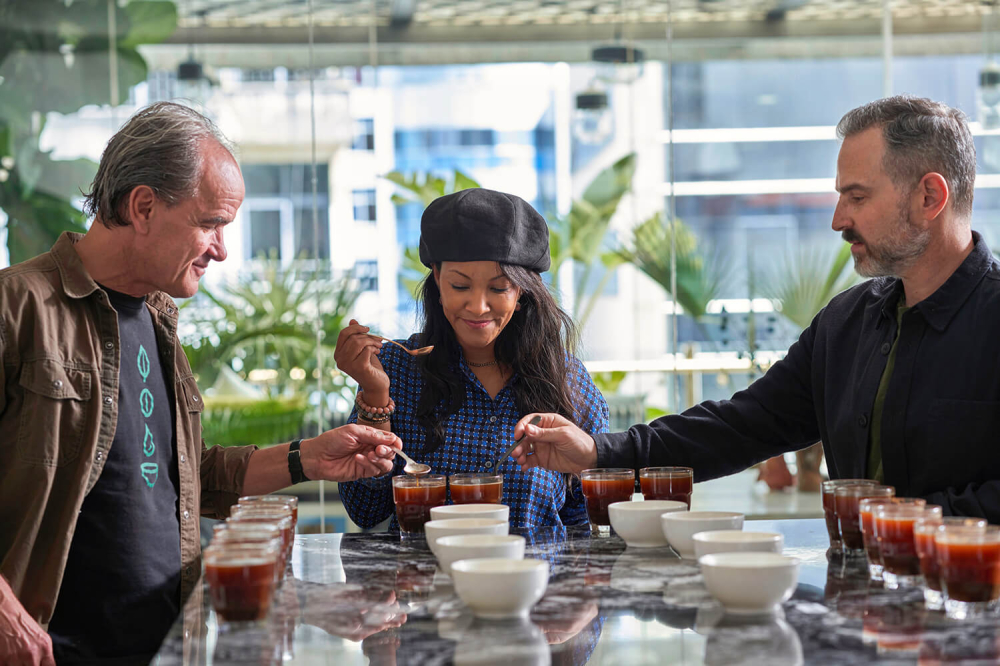
Gold Lot: Gold accounts for only 5% of Gesha Village's annual production and can almost be said to be at the same level as the auction lots. It is the lot commonly chosen by competition participants around the world—for example, at the 2018 WBC World Championship held in the Netherlands, the champions from Australia and Japan chose Gold lots to compete~ Roasters with high quality demands also purchase it. It has complete traceability, and each lot has prominent flavor and high complexity, making it the estate's best grade after the auction. The Gesha Village Gold that Front Street obtained comes from the Oma 059 lot.
Red Lot: A lot with complete traceability, possessing typical Gesha Village flavor. Its flavor intensity and complexity are slightly weaker than the Gold lot, making it a single-origin lot with very high cost-effectiveness.
Green Lot: Its official name is SINGLE-TERROIR (single terroir/plot). This coffee bean comes from a single farm within Gesha Village. Complete traceability information for each lot number in the Single-Terroir series can be found, including farm name, coffee variety, and processing date.
Chaka Lot: This is a Geisha coffee bean blend produced by Gesha Village, including three varieties: Gori Gesha, Gesha 1931, and Illubabor (a native Ethiopian disease-resistant variety).
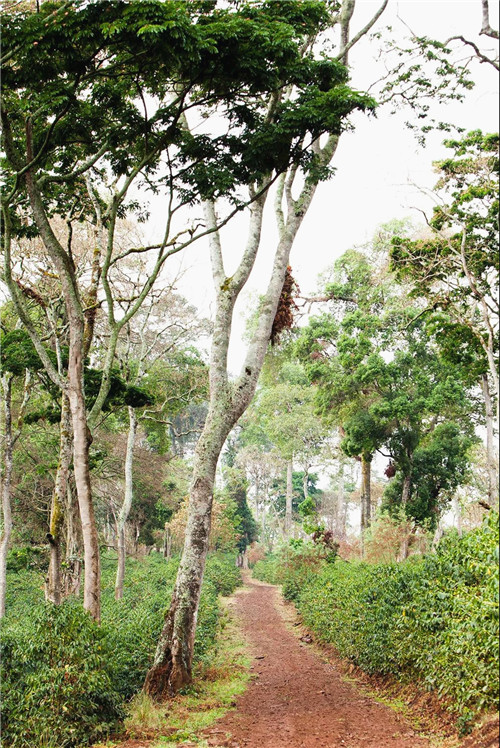
Gesha Village Coffee Varieties
As mentioned above, Front Street noted that Gesha Village's Geisha coffee has three varieties: Gesha 1931, Gori Gesha, and Illubabor provided by the Ethiopian Coffee Research Center. Among them, Gesha 1931 and Gori Gesha are both named after the expedition teams at the time the coffee trees were discovered.
Gesha 1931 was confirmed by observing plant morphology, bean shape, size, and cupping, and it is the closest maternal parent to Panama Geisha. The Gori Gesha native variety was collected by the owner of Gesha Village Coffee Estate in 2011 through his own expedition from the wild Gori Gesha coffee forest about 20 kilometers from the current Gesha Village Coffee Estate, and no duplicate samples have been found elsewhere.
Next, Front Street Coffee (FrontStreet Coffee) will briefly describe the characteristics of these three Gesha Village Geisha coffee varieties.
Gori Gesha: This variety replicates the genetic diversity found within the Gori Gesha coffee forest.
Gesha 1931: Possessing a combination of varieties from various different forests, it is very similar to Panama Geisha, selected by observing its plant morphology, bean appearance, screen size, and cup profile.
Illubabor Forest 1974: Discovered during an expedition to the Illubabor forest in 1974, it was later developed by the Ethiopian research center into a variety with resistance.
The Area and Planted Varieties of Different Plots in Gesha Village
Moreover, according to Front Street's understanding, the owner of Gesha Village Coffee Estate numbered the plots in great detail, which facilitates later management and flavor traceability; the following image shows the area and planted varieties of different plots in Gesha Village.
From this image, it can be seen that the terrain on the west side of the estate is relatively higher, so the three plots OMA, SURMA, and SHEWA-JIBABU are at slightly higher altitudes, while the south side has a relatively higher shade ratio, and the north side receives longer sunlight. Among the eight plots, the estate managers choose the most suitable variety for each plot based on microclimate differences such as altitude, soil conditions, and shade conditions, ensuring that each plot develops distinct characteristics. Currently, Front Street has Gesha Village Gold Geisha, Gesha Village Red Geisha, and Gesha Village Chaka Geisha coffee beans in-store. Next, Front Street will briefly share the profiles of these coffees along with roasting and pour-over data. Front Street Coffee (FrontStreet Coffee): Ethiopia Gesha Village Coffee Estate Gold Geisha Coffee Beans Region: Ethiopia, Bench Maji
Estate: Gesha Village Coffee Estate, Oma plot
Altitude: 1900-2040 meters Variety: Gesha 1931 Processing method: Natural process Flavor: Citrus, lemon, tropical fruit, cream, nuts, tea-like
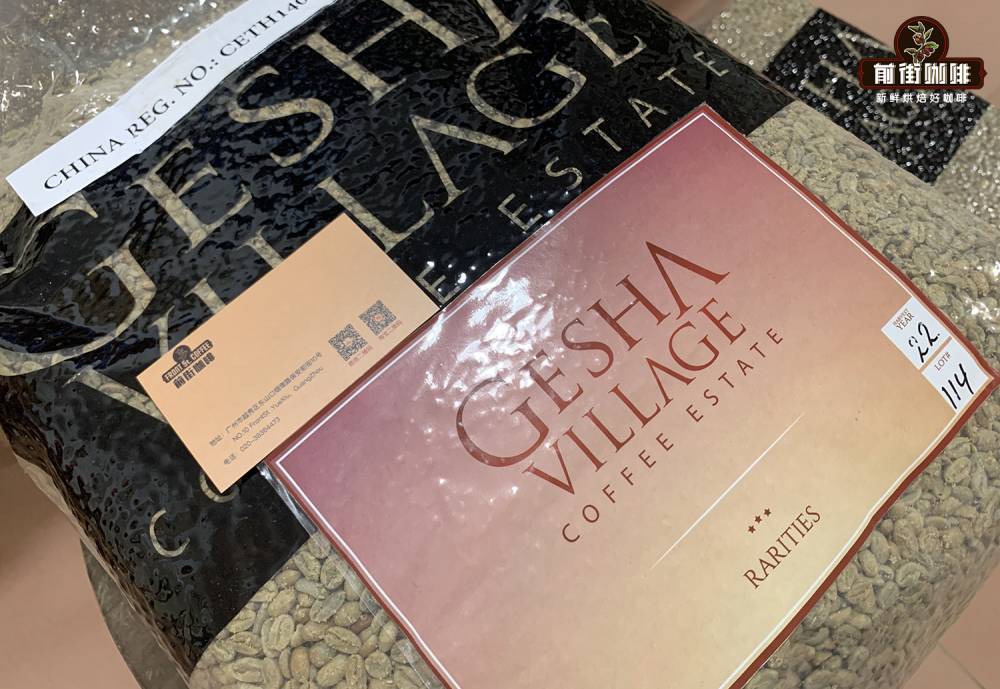
Front Street Coffee (FrontStreet Coffee): Ethiopia Gesha Village Coffee Estate Red Geisha Coffee Beans
Region: Ethiopia, Bench Maji Estate: Gesha Village Coffee Estate Altitude: 1909-2069 meters Variety: Gori Gesha Processing method: Natural process Flavor: Coconut, licorice, cream, chocolate, toffee, citrus, almond, strawberry
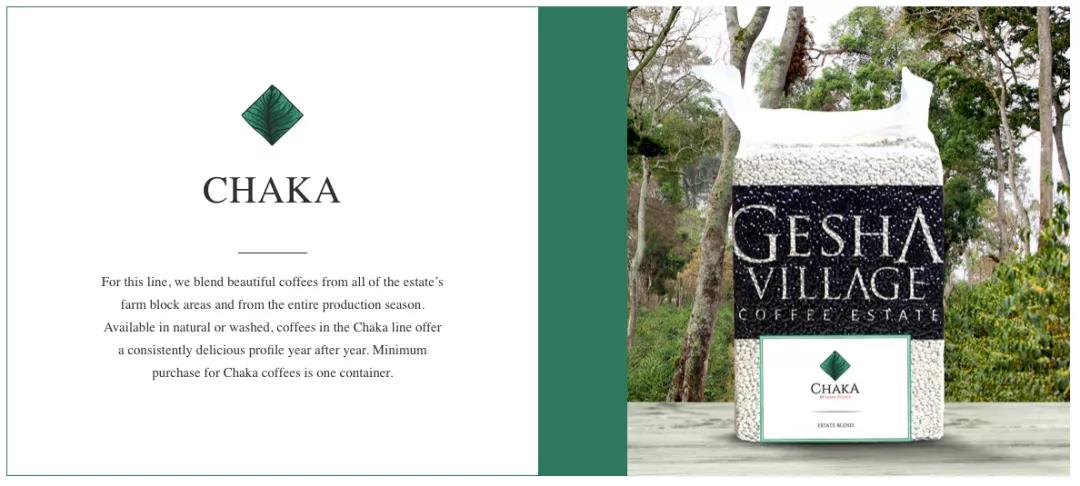
Front Street Coffee (FrontStreet Coffee): Ethiopia Gesha Village Coffee Estate Chaka Geisha Coffee Beans
Region: Ethiopia, Bench Maji Estate: Gesha Village Coffee Estate Altitude: 1909-2069 meters Variety: Gori Gesha Processing method: Natural process Flavor: Citrus, grapefruit, cream, chocolate caramel
Gesha Village Geisha Coffee Bean Processing Method
As mentioned above, Front Street Coffee's (FrontStreet Coffee) Gesha Village Geisha coffee beans all use natural processing. Therefore, in terms of flavor expression, the aroma is relatively intense, and it also tastes fermented.
Natural Processing Method Workflow
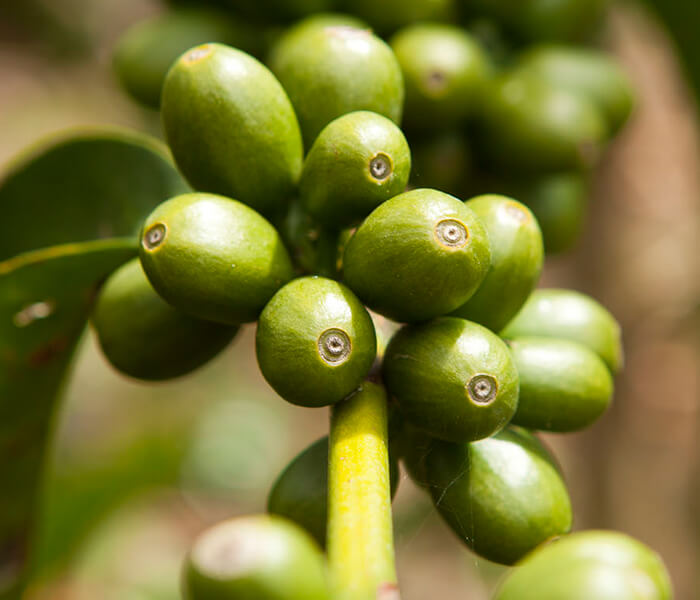
First remove floating impurities, then dry on African raised beds with a thin layer covered by plastic sheeting for sun drying. When drying on the raised beds, another round of selection is carried out to pick out insect-damaged beans and greenish beans. The total drying time is 18-30 days. Front Street believes that naturally processed coffee has obvious sweetness, soft acidity, and a flavor profile with complex fruity notes.
Front Street Coffee (FrontStreet Coffee) Roasting Analysis For this roasting share, Front Street Coffee (FrontStreet Coffee) used Gesha Village's Red Lot coffee beans. Since this batch is coffee from the new 2022 crop, its moisture content is relatively high, so the dehydration time is extended. The final roast level was determined to be medium-light to highlight the fruity sweetness.
Yangjia 800N, charge 500g: charge at 175°C, power 130, airflow 3; turning point at 1'36", at 92.8°C increase airflow to 4 at 3 minutes and raise power to 140; at 152.6°C (6'26) the bean surface turns yellow, the grassy smell completely disappears, entering the dehydration phase, lower power to 100; at 8'20" ugly wrinkles and dark streaks appear on the bean surface, and the toast scent clearly turns into coffee aroma, which can be defined as the prelude to first crack. At this time, listen clearly for the sound of first crack. First crack begins at 9'55", airflow to 5, develop 1'30 after first crack, drop at 193.5°C.
Front Street Coffee (FrontStreet Coffee) Pour-Over Sharing
If you want to taste a relatively rich flavor in the coffee, Front Street recommends using freshly roasted coffee beans, ground and brewed on the spot. Generally, for light-roast coffee beans, counting from the roast date, the flavor will be relatively rich after 4-7 days of resting. Freshly ground coffee has a better flavor than pre-ground coffee powder, because after coffee beans are ground into powder, half of the aroma and flavor volatilizes within half an hour, and by the time you drink it there is not much aroma and flavor left. Although Front Street provides a grinding service, if you have your own grinder, it is still best to buy whole beans.
Brewing parameters: Dose: 15 grams Coffee-to-water ratio: 1:15 Grind size: fine pour-over grind (78% passing a No. 20 standard sieve) Water temperature: 90°C
Brewing method: First rinse the filter paper and preheat the dripper and coffee pot. Use 30 grams of water for a 30-second bloom, then pour in a small stream in circles until 125 grams for a stage break. When the water level is about to expose the coffee bed, continue pouring in circles until 225 grams and stop pouring. When the water level is about to expose the coffee bed, remove the dripper. (Start timing from the beginning of the bloom.) Total extraction time is exactly 2 minutes.
Brewing flavor: Rich jasmine aroma. Flavors of peach, apricot, candied fruit, melon, and mandarin, plus honey sweetness.
The above content is compiled by CoffeeHunters, a coffee news website.


