







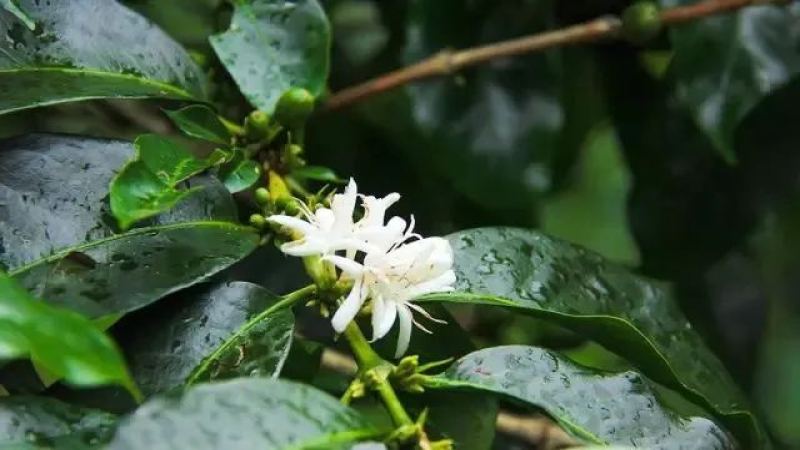
How Did Panamanian Geisha Reach Hacienda La Esmeralda?
The Geisha variety was first collected in Ethiopian coffee forests in the 1930s, sent to Tanzania's Lyamungu Research Station, and moved to CATIE in Costa Rica in 1953, where it was recorded as T2722. It reached Panama in the 1960s, but farmers avoided it because the branches break easily. Hacienda La Esmeralda's 2005 BOP entry and auction made the variety famous.
Panama gesha coffee is not the only source; Costa Rica and Colombia also grow it. Ethiopia's Gesha Village Coffee Estate, founded after director Adam Overton and his photographer partner began work there in 2007, keeps its own selections: Gesha 1931, Gori Gesha, and Illubabor, each tied to specific plots and a batch grading system.
Geisha coffee has become a favorite among countless coffee enthusiasts thanks to its captivating flavors, but many people still have only a partial understanding of the origins and spread of this variety. This article, based on information consulted by Front Street, traces the complete journey of Geisha—from being collected in Ethiopian forests in the 1930s, to its travels through Tanzania and Costa Rica, and finally to its dazzling rise at Hacienda La Esmeralda in Panama. We will also take an in-depth look at Ethiopia's Gesha Village Coffee Estate, exploring the origins of its founding, the discovery stories of its three varieties—Gesha 1931, Gori Gesha, and Illubabor—as well as the estate's plot divisions and batch grading system. At the end of the article, Front Street has also selected three Gesha Village coffees for enthusiasts to compare and taste.
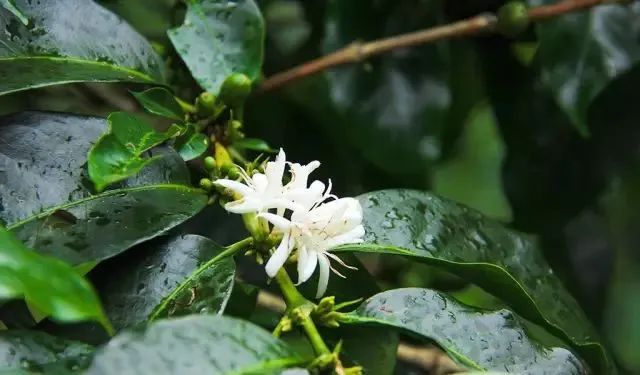
For more specialty coffee knowledge, please follow: Front Street Coffee ( Frontsteet Coffee ) Geisha has undoubtedly become a single-origin coffee that many coffee enthusiasts are passionate about, but there are many coffees on the market labeled "Geisha." So what characteristics does this variety have that make everyone so fascinated by it? Today, Front Street will start from the birthplace of Geisha. Through research, Front Street has learned that the Geisha variety was initially collected from Ethiopian coffee forests in the 1930s. From there it was sent to the Lyamungu Research Station in Tanzania, and then in 1953 it was brought to the Centro Agronómico Tropical de Investigación y Enseñanza (Tropical Agricultural Research and Higher Education Center, CATIE) in Costa Rica, but it was recorded as T2722.
After people recognized the variety's tolerance to coffee leaf rust, it was distributed through CATIE to Panama for planting in the 1960s. However, because the branches of this variety's plants are very fragile, it was not favored by farmers, so it was not widely planted. It was not until 2005 that Hacienda La Esmeralda used the Geisha variety to participate in the BOP competition and auction. The unusually high score made this bean suddenly famous.
But besides Panama, countries such as Costa Rica and Colombia also grow Geisha. However, when it comes to Geisha, one cannot fail to mention Ethiopia's Gesha Village Coffee Estate.
Gesha Village Coffee Estate In 2007, director Adam Overton and his photographer wife Adam Samuel, while filming a documentary about Ethiopian coffee for the Ethiopian government, came into contact with the Bench Maji region in the westernmost part of Ethiopia, near South Sudan, and discovered the Gori Gesha Forest there, which gave them the idea of establishing their own coffee estate and brand.
\n\n
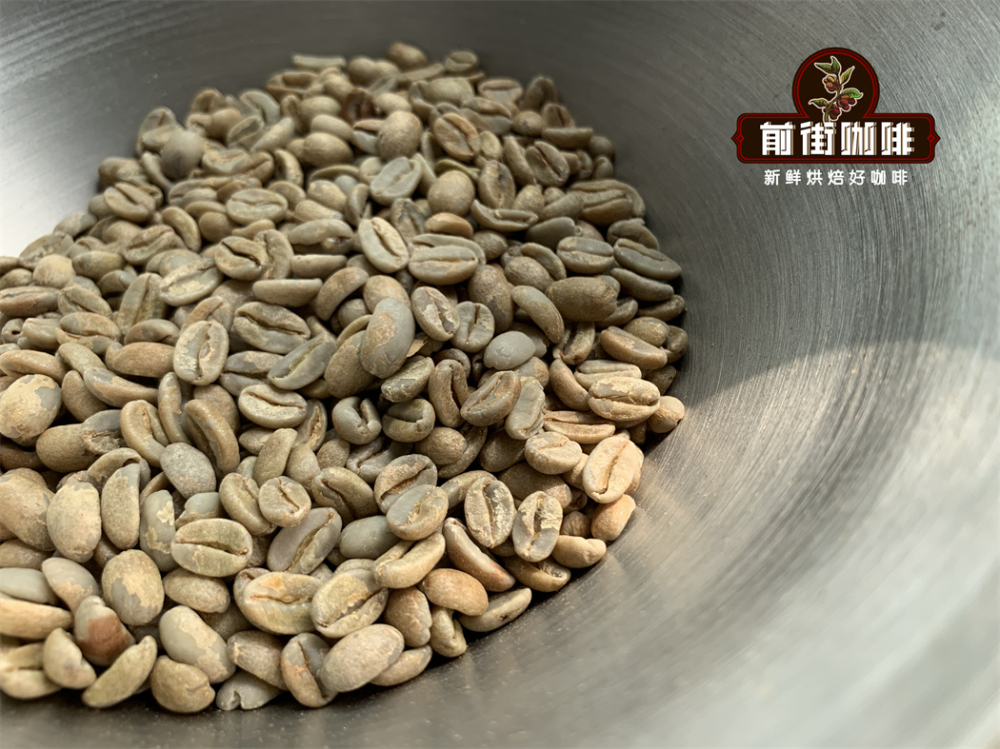
Gesha Village has three varieties: Gesha 1931, Gori Gesha, and Illubabor. Gesha 1931 (G31) traces the source of Geisha to 1931, when it was collected from the Geisha forest in Ethiopia by the British border and after several twists and turns made its way to Panama. Later, when Adam Overton and Willem Boot searched for native Geisha near the estate, its genetics were found to be very close to the Panamanian Geisha variety, so it was named Gesha 1931. Gori Gesha (GG) was discovered in 2011, after Adam and his wife established Gesha Village Coffee Estate, when they found a bean variety 12 miles away in the Gori Gesha Forest that looked very much like Geisha. Since it was discovered in the Gori Gesha Forest, it was named Gori Gesha.
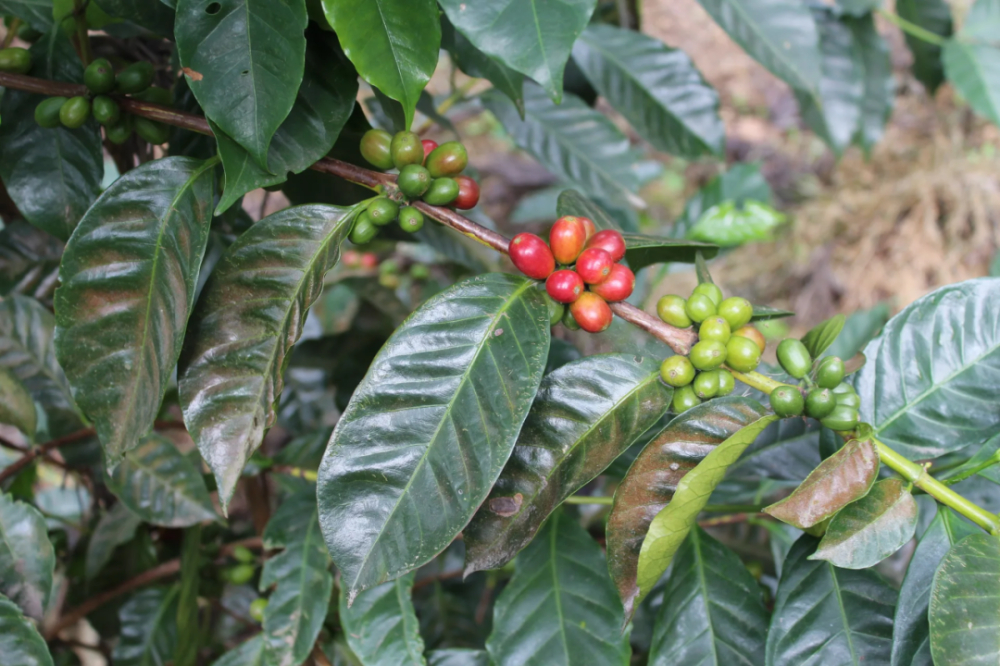
Illubabor Forest 1974 (IF) was discovered in 1974 during an expedition in the Illubabor Forest, and later the Ethiopian research center developed a variety with resistance from it. Gesha Village is divided into eight major plots, and each plot is planted with only one variety, so the variety can be identified by the plot. The oma, surma, and narsha plots are planted with Gesha 1931; the bangi, shewa-jibabu, and shaya plots are planted with Gori Gesha; and finally the gaylee and dimma plots are planted with Illubabor.
\n\n
Originally, there were almost no large estates in Ethiopia. When Adam and his wife started Gesha Village Coffee Estate, they brought the management model of Panamanian coffee estates to this place. Therefore, Gesha Village Coffee Estate also has plot divisions with detailed plot numbering, which facilitates later management and traceability. In terms of grading, there is an auction lot, accounting for 3.7% of Gesha Village's annual production, which can only be obtained through the Gesha Village Coffee Estate global auction.
The Gold Label lot is the tier second only to the auction lot, accounting for 5% of the estate's annual production. The Red Label lot is second only to the Gold Label, requiring a cupping score above 88 points, and is also a single-origin lot with relatively high cost performance. There is also a Green Label lot, which only provides traceability information but has no cupping score requirement. Finally, there is the Chaka lot, which is a Gesha blend, using the estate's three Gesha varieties and mixing plots, namely Gori Gesha, Gesha 1931, and Illubabor.
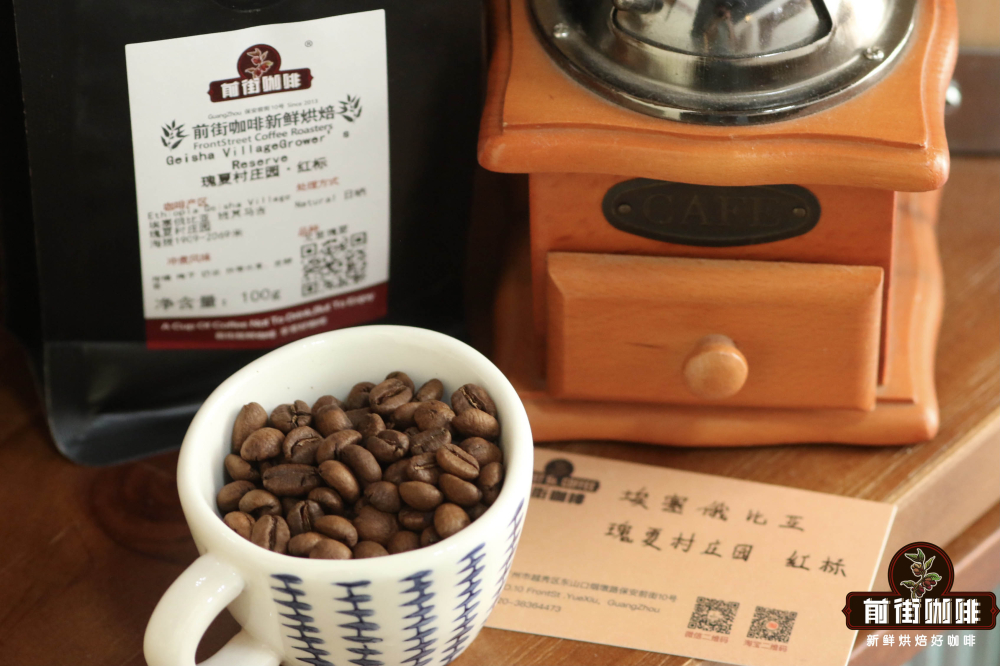
For Gesha Village coffees, we separately purchased three grades: Front Street Gesha Village Gold Label Geisha, Front Street Gesha Village Red Label Geisha, and Front Street Gesha Village Chaka, all using natural processing and medium-light roasting. Front Street Gold Label Geisha has obvious chamomile and orange flavors, accompanied by the charm of tangerine pu-erh tea; Front Street Red Label Geisha leans more toward a fresh citrus profile, with a rounded mouthfeel; and Front Street Chaka is the single-origin coffee with the best cost performance, with soft berry flavors. All three Gesha Village coffees above can be ordered from the Front Street flagship store and Front Street Taobao store.
The above content is compiled by CoffeeHunters, a coffee news website.


