








Gesha Village Estate: Product Lines and Flavor Differences
Gesha Village Coffee Estate in Bench Maji, Ethiopia, was established by Adam Overton after searching for seeds in ancient forests from 2007 to 2011. The estate offers five product lines: Auction, Gold, Red, Green, and Chaka. Each line differs in variety selection, production proportion, screening criteria, and flavor expression. The estate primarily grows Gesha 1931, Gori Gesha, and Illubabor Forest 1974. This analysis breaks down the definitions and cup profiles of each line to help you find the Ethiopian Gesha that reliable suits your taste.
Gesha 1931 was discovered in the same forest as Panama Gesha and resembles it closely. Gori Gesha comes from the Gori Forest, about 100 kilometers away, and has a different appearance. Illubabor Forest 1974 was found in 1974 and carries natural resistance. The Auction line represents the highest quality, followed by Gold, Red, Green, and Chaka. Understanding these differences helps coffee enthusiasts appreciate the distinct flavors of each product line from Gesha Village Estate.
Located in Bench Maji, Ethiopia, Gesha Village Coffee Estate was established by Adam Overton after searching for seeds in ancient forests between 2007 and 2011. The estate divides its offerings into several product lines: Auction, Gold, Red, Green, and Chaka, each differing distinctly in variety selection, production proportion, screening criteria, and flavor expression. Front Street Coffee will guide you through the three varieties grown at Gesha Village—Gesha 1931, Gori Gesha, and Illubabor Forest 1974—and break down the definitions and cup profiles of each product line in detail, helping you find the Ethiopian Gesha that best suits your taste.

Between 2007 and 2011, Adam Overton repeatedly ventured into Ethiopia's pristine forests solely to find coffee varieties with exceptional performance. After multiple explorations, he finally chose a place called Gesha Village in the Bench Maji region, established his estate there, and introduced the superior varieties he had discovered for cultivation. This estate is what is now known as Gesha Village Coffee Estate.
Similar to the well-known Hacienda La Esmeralda, Gesha Village Coffee Estate also divides its products into multiple lines: Auction, Gold, Red, Green, and Chaka. This has led many coffee enthusiasts to wonder: what exactly are the differences between these product lines?
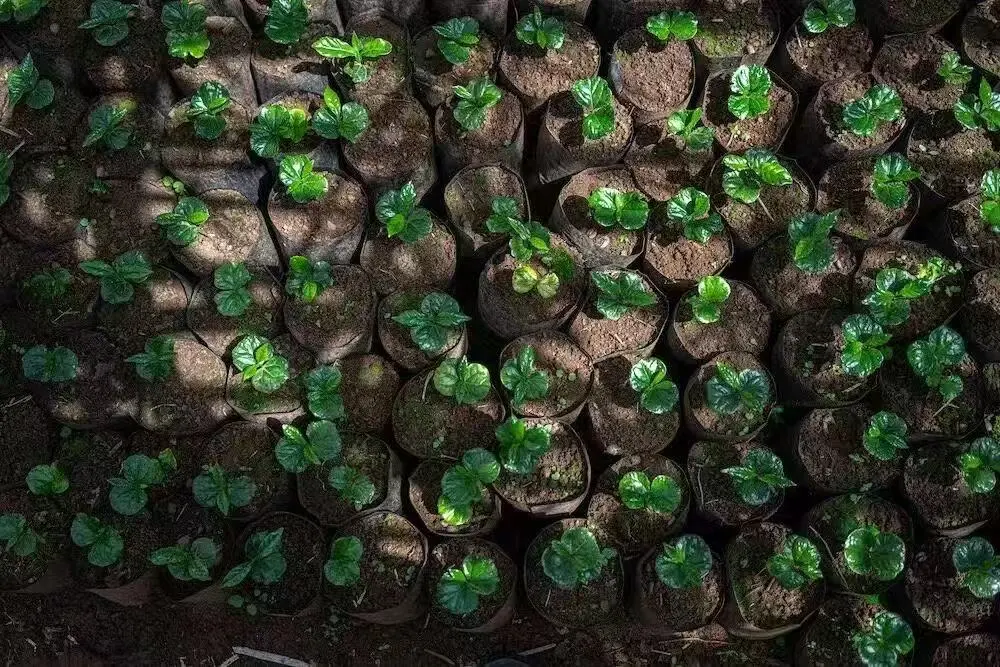
The varieties grown at Gesha Village Coffee Estate Before introducing each product line one by one, Front Street will first walk you through the varietal composition of Gesha Village Coffee Estate. The estate primarily cultivates three varieties: Gesha 1931, Gori Gesha, and a variety called Illubabor Forest 1974 (abbreviated as IF). Gori Gesha was discovered by the estate owner in the Gori Forest, about 100 kilometers from the estate, and is named after its place of discovery. Although the name contains "Gesha," it is easy to see from the image below that its appearance is not similar to Gesha. Gesha 1931, on the other hand, was discovered in the same Gesha forest where Panama Gesha was originally found. Both its tree shape and appearance are very close to Panama Gesha, so the estate owner named it Gesha 1931 after the year Panama Gesha was discovered.
Illubabor Forest (IF) differs from the previous two varieties in origin. It was discovered in 1974 in the Illubabor Forest and later cultivated by the Ethiopian research center, carrying natural resistance.
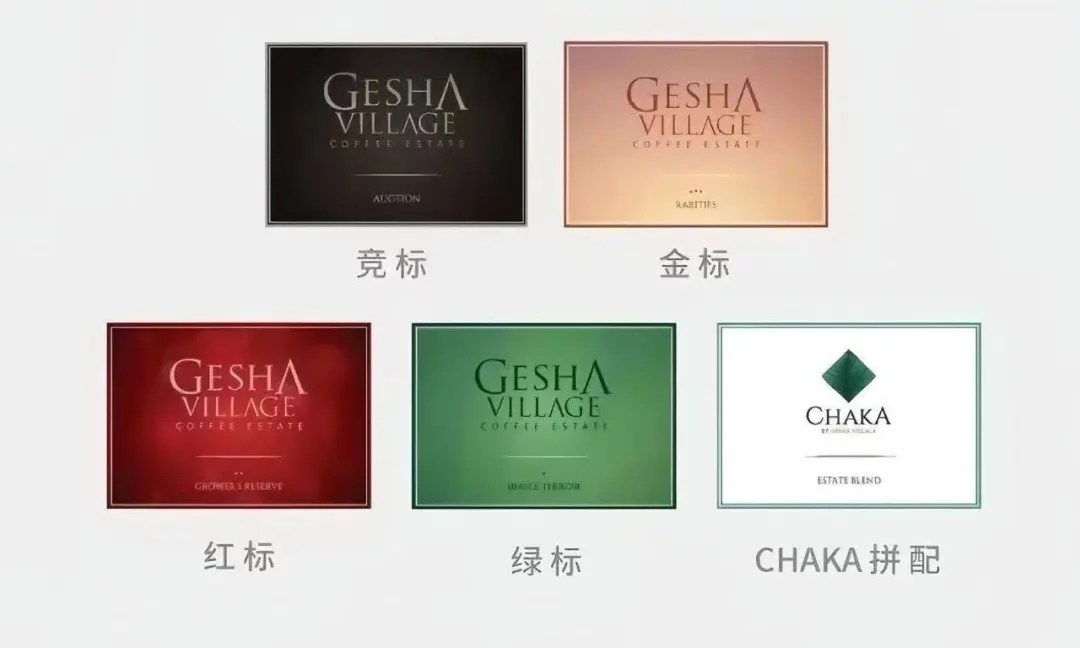
These are the main varieties grown at Gesha Village Coffee Estate. Next, Front Street will introduce each product line of Gesha Village Coffee Estate one by one. Product Lines of Gesha Village Coffee Estate Auction Lot: The Auction Lot is the estate's most premium coffee, produced after rigorous screening. Its output accounts for less than 5% of Gesha Village's total annual production, making it extremely limited and available only through auctions held by Gesha Village Coffee Estate. The auction lots are further divided into "Champion's Reserve" and "Farm Reserve," both representing the highest standard of Gesha Village coffee. Gold Label: The Gold Label is the highest-tier series among Gesha Village Coffee Estate's non-auction product lines. Its original name was "Rarities," meaning "diluted treasures." Its output accounts for only about 10% of the estate's annual production, making it equally scarce, and it comes with complete traceability information.
The Gold Label uses the "Gesha 1931" variety. As Front Street mentioned earlier, this variety is not only very close in appearance to Panama Gesha but also quite similar in flavor expression. Front Street's bean list once featured Front Street Gesha Village Gold Label Gesha, which when brewed presented flavors of honeysuckle, citrus, oolong tea, and berries, with very rich layering. Red Label: The official name for Gesha Village Coffee Estate's Red Label is "Growers Reserve," which can be translated into Chinese as "Growers Reserve." Red Label coffee accounts for 15% of the estate's total annual production. The screening criteria require it to be a single variety, from a single plot, and to score above 88 points in cupping. Only when all these conditions are met can it be classified as Red Label.
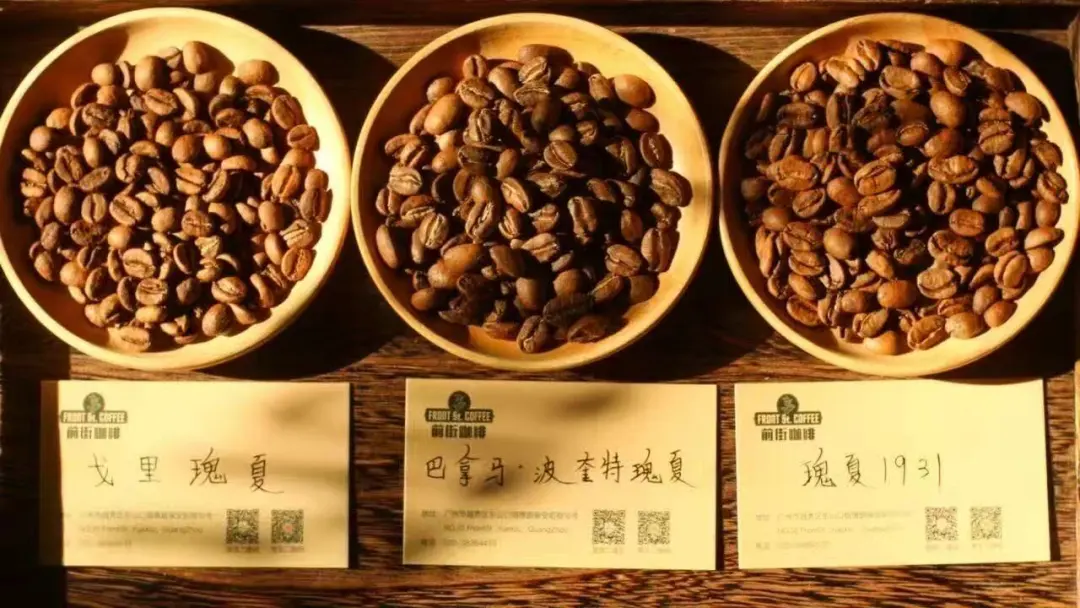
The variety used in Front Street Gesha Village Red Label Gesha is Gori Gesha, with a medium-light roast. When brewed, it presents flavors of pineapple, citrus, berries, oolong tea, and light floral notes, with equally rich layering. In terms of price, it is also relatively affordable, making it an excellent Ethiopian Gesha.
Green Label: The screening criteria for Gesha Village Coffee Estate's Green Label are similar to those of the Red Label, also requiring a single variety from a single plot. In addition, the Green Label can also be traced through batch numbers for complete information, including the farm plot name, coffee variety, and processing time.
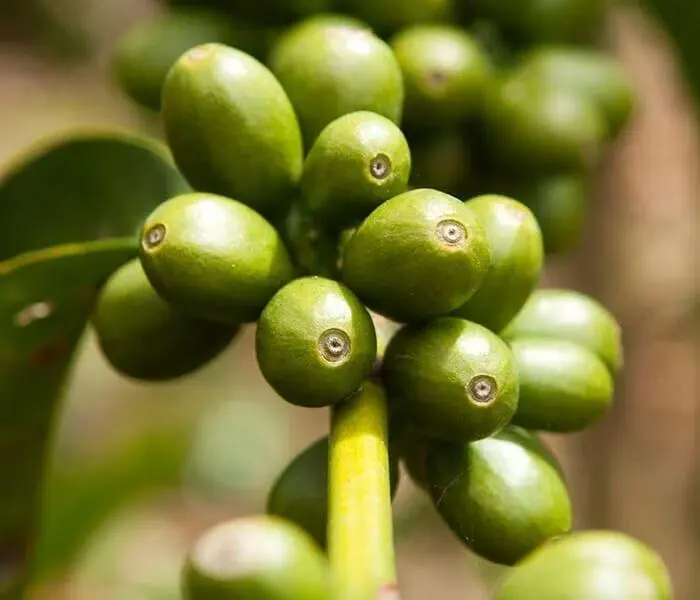
Chaka Lot: The Chaka Lot can be said to be the most cost-effective product line at Gesha Village Coffee Estate. It blends coffee beans from all plots of the estate, so it may include Gesha 1931, Gori Gesha, and Illubabor varieties. As one can imagine, its flavor layering is also quite rich.
Chaka Lot coffee is available in both natural and washed processing methods. Front Street selected the naturally processed Chaka, with a medium-light roast. The coffee brewed with Front Street Gesha Village Chaka has a very fresh mouthfeel, with flavors of lemon, berries, oolong tea, and light floral notes. It is light-bodied, clean in texture, and very delicious. That concludes the introduction to each product line of Gesha Village Coffee Estate. If you are interested in Gesha Village coffee, Front Street Coffee's Tmall and Taobao flagship stores both carry Gesha Village Red Label and Chaka for sale. You are welcome to check them out.
- END -
The above content is compiled by CoffeeHunters, a coffee news website.


