







Search Results for: Geisha History
A comprehensive interpretation of the origin, cultivation history, and flavor characteristics of the Geisha coffee variety from the Boquete region of Panama.
Geisha coffee is now renowned in the specialty coffee world, and the Geisha produced in Panama has conquered countless enthusiasts with its astonishing flavors. But many people do not know much about this variety's origins and characteristics. This article will guide you through Geisha's birthplace, its winding migration and cultivation history, and how it rose to fame in 2004. At the same time, we will also explore the unique terroir conditions that the Boquete region gives Geisha, and analyze the reasons behind its lively acidity, delicate layers, and rich mouthfeel. Front Street Coffee will also recommend related products for you, so together we can experience the charm of this legendary variety. [more…]
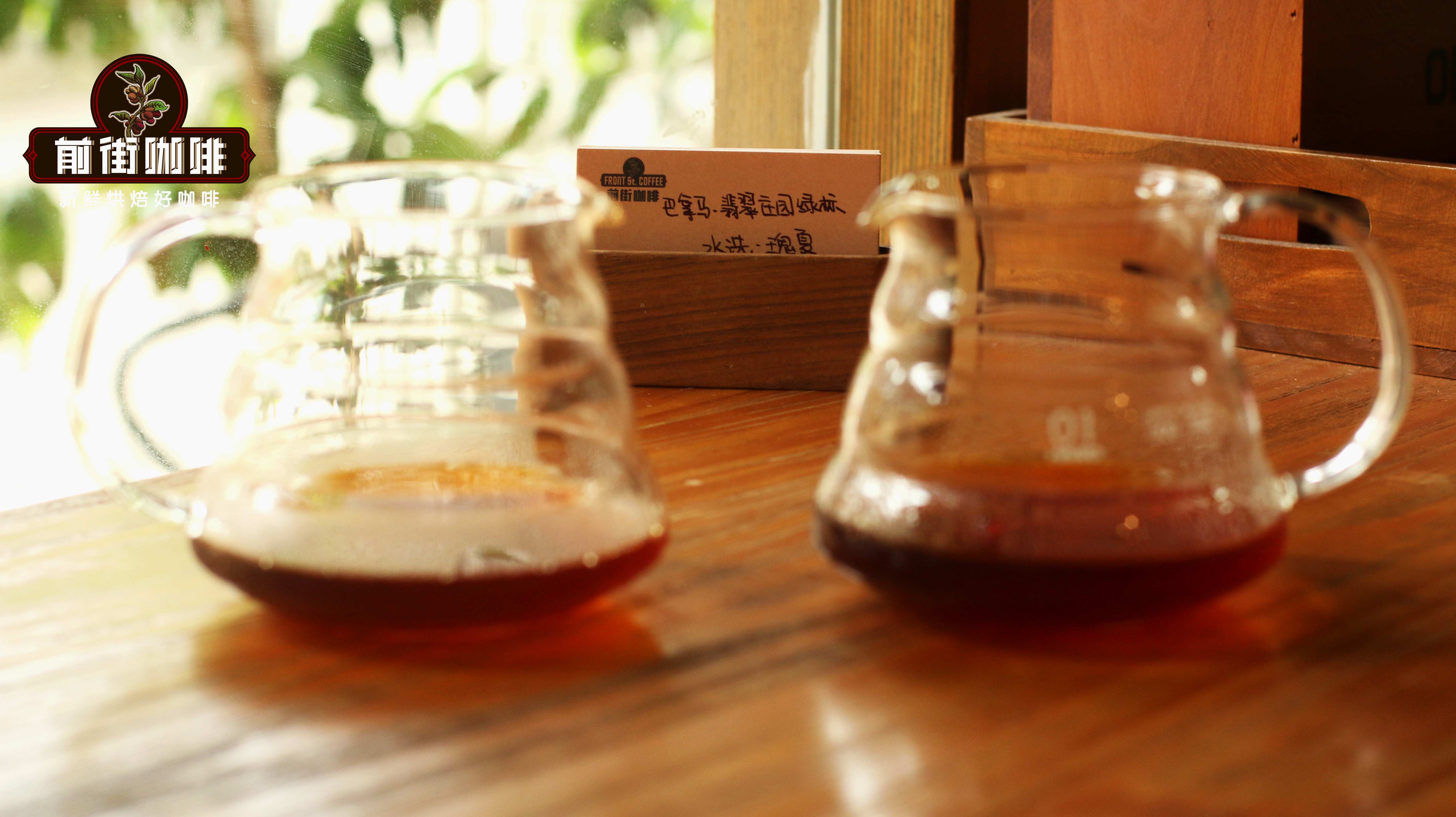
The Variety Origins and Cultivation History of Yunnan Geisha Coffee, and Why Its Flavor Falls Short of Panama's
Geisha coffee is renowned worldwide for its elegant floral aroma and complex fruit notes, and in recent years Yunnan has also begun to introduce this variety. Yunnan Geisha can be traced back to 2012 at the earliest, with the seed source believed to come from the green-tipped Geisha of Hacienda Elida in Panama. It was not until around 2016 that it successfully bore fruit and was gradually propagated. Because the altitude, climate, and shade conditions differ from those of Central America, Yunnan Geisha exhibits plum acidity, berry sweetness, and a finish of nuts and brown sugar, with a flavor profile that is balanced but not as refined as Panama Geisha. Front Street Coffee also confirmed this characteristic in its cupping sessions. This article will sort out the introduction history and variety characteristics of Yunnan Geisha, and analyze the terroir reasons behind its flavor differences. [more…]
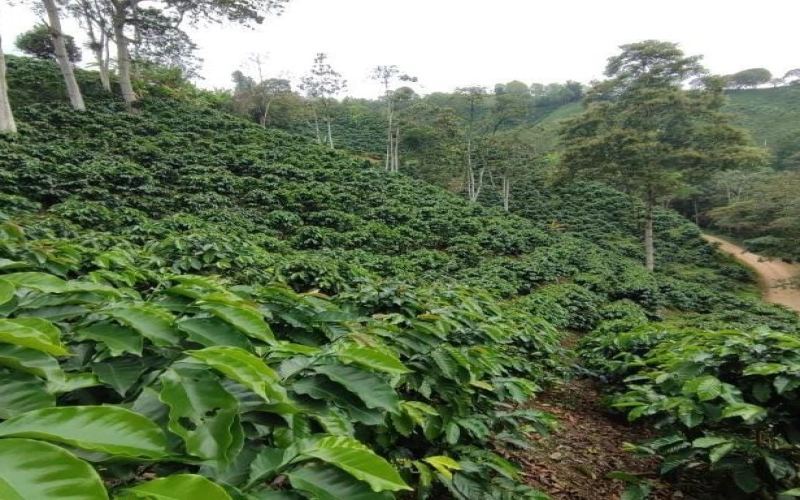
The History of Coffee Cultivation in Colombia and the Origins of the Geisha Variety: From Producing Regions to the Flavor Evolution of Hacienda La Esmeralda
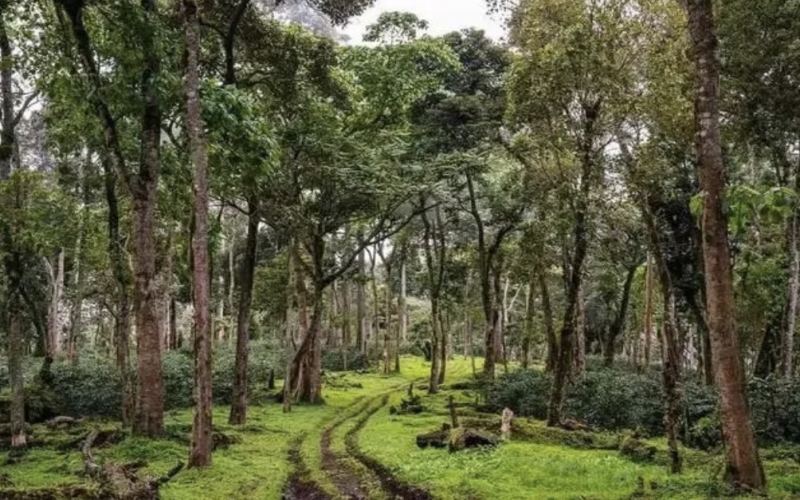
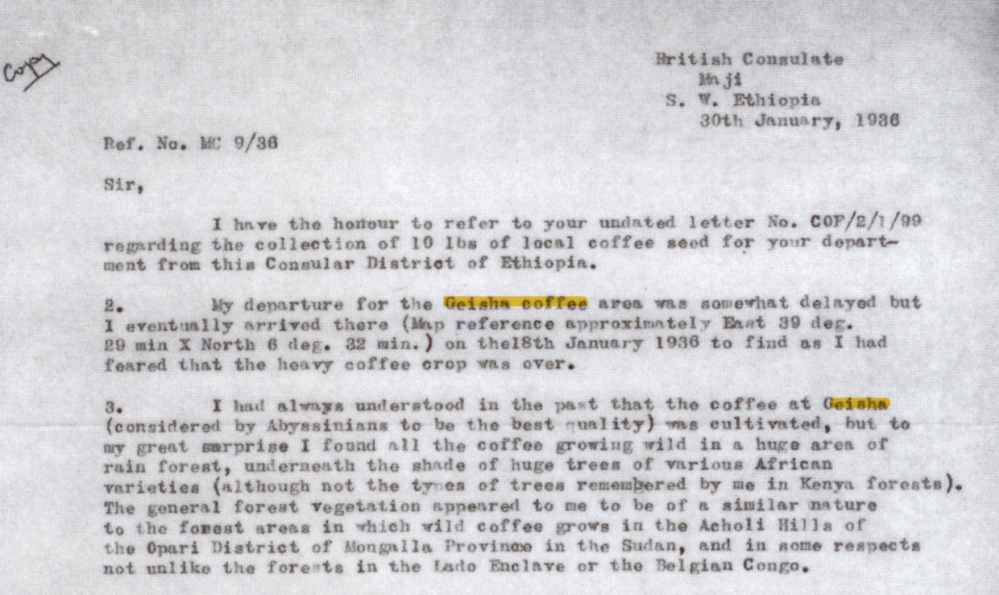
Colombia is the world's second-largest coffee producer, and its coffee-growing history dates back to the Spanish colonial period in the sixteenth century. Today it has developed a dual structure of commercial Arabica in the north and specialty production areas in the south. Starting from Colombia's topography and microclimates, this article outlines its production regions, harvest seasons, and green bean grading system, and then takes an in-depth look at the legendary Geisha variety's wandering journey—from being discovered in an Ethiopian village, through Kenya and Costa Rica, to finally shining brightly at Hacienda La Esmeralda in Panama. Through cupping, Front Street Coffee has recorded Geisha coffee's full-bodied blackcurrant juice character, rich berry aroma, and red wine finish, giving you a comprehensive understanding of the terroir and stories behind this "green gold." [more…]
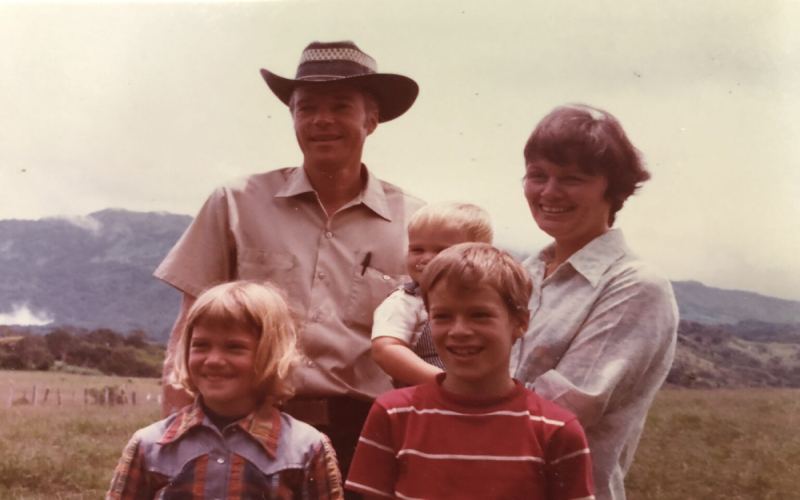
The Development History of Hacienda La Esmeralda Geisha Coffee and a Detailed Explanation of the Red, Green, and Blue Label Grade Classifications
Panama's Hacienda La Esmeralda is the starting point from which Geisha coffee rose to global fame. From the Peterson family taking over the farm in 1964 to Geisha winning first place in the BOP competition in 2004, this history became a legend in the specialty coffee world. This article will trace the evolution of Hacienda La Esmeralda's production areas and the discovery of the Geisha variety, with a focus on explaining the grading standards and differences among the three tiers: Red Label, Green Label, and Blue Label. At the same time, drawing on Front Street Coffee's sourcing experience, it will introduce the specific product information, flavor profiles, and pour-over extraction parameters for Red Label and Green Label Geisha, helping coffee enthusiasts gain a comprehensive understanding of this top-tier Geisha's origins and key tasting points. [more…]
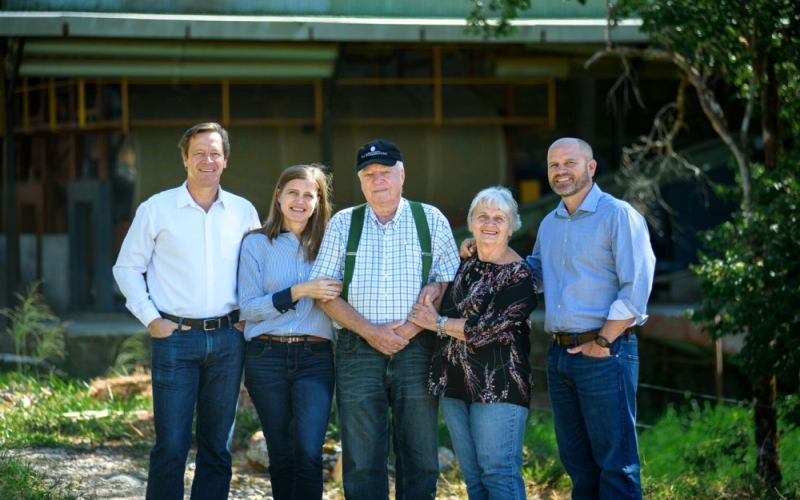
Why Does Panama Geisha Surpass Blue Mountain? Flavor Characteristics, Development History, and an Interpretation of Hacienda La Esmeralda Grades
In the landscape of specialty coffee, Panama Geisha is regarded by many enthusiasts as surpassing Jamaica Blue Mountain and Hawaii Kona, thanks to its bright floral aromas and complex fruit acidity. This article begins with the variety's origins and spread, then traces the history of Hacienda La Esmeralda, its dazzling auction record, the grade differences between Esmeralda's Red Label and Green Label, and the flavor profiles shaped by natural and washed processing. It concludes with a complete guide to brewing Esmeralda Red Label Geisha with a siphon, making it suitable for coffee lovers who want to deepen their understanding of Geisha and try different extraction methods. [more…]
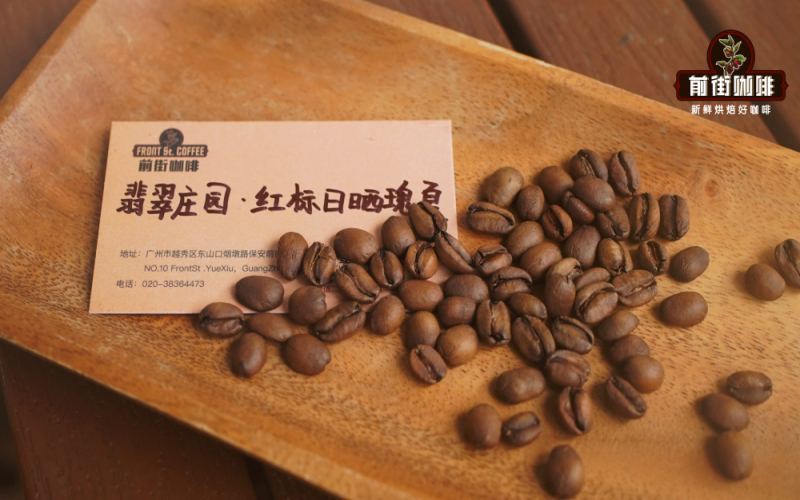
Panama Hacienda La Esmeralda Red Label Geisha Tasting: Front Street Coffee Washed Single-Origin Bean Flavor Profile and Estate History
On the specialty coffee map of Central America, Panama's Hacienda La Esmeralda is world-famous for its Geisha. In this issue, Front Street Coffee brings you a Boquete high-altitude Red Label Geisha—grown at 1,400–1,700 meters, SHB grade, washed process—which, once brewed, reveals a bright acidity reminiscent of fresh oranges, intense floral aromas, and a juicy mouthfeel, with a long, lingering finish. The article also traces the estate's century-long history, from a Swedish buyer's land purchase and an American banker's takeover, to its transformation from a beef cattle farm into a dairy farm and then its venture into coffee, helping you understand the provenance of these beans while you sip. [more…]
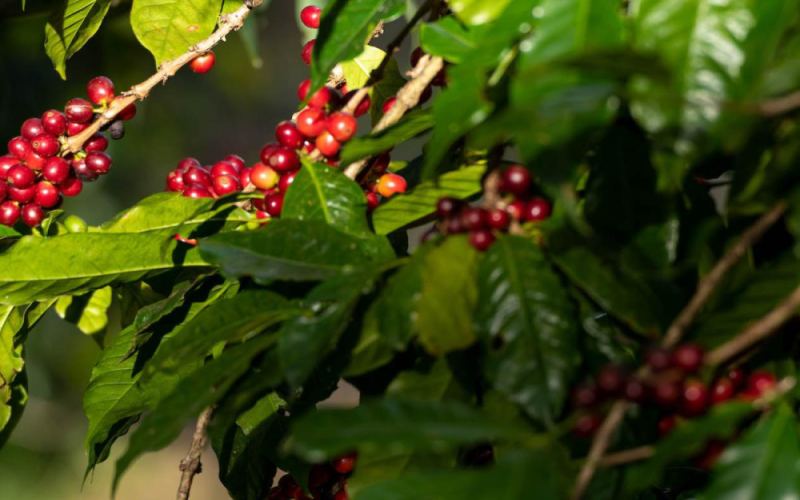
Analysis of the Flavor Characteristics of Panama Geisha Coffee: The Origin of the Name Geisha in Japan and the Development History of the Variety
Geisha coffee is a variety in the Arabica family with extremely strict growing conditions; it favors high altitudes, misty cloud cover, fertile soil, and sufficient accumulated heat. This variety was first discovered by botanists near the village of Geisha in Ethiopia, then made its way through Kenya, Uganda, Tanzania, and Costa Rica, and finally took root and flourished in Panama. Because the pronunciation of Geisha is similar to the Japanese word for "geisha," Geisha coffee is also called geisha coffee in Japan and elsewhere. This article will trace the spread of Geisha, introduce Panama's main producing regions and the rise of Hacienda La Esmeralda, and help you understand why Front Street Coffee's Boquete Geisha coffee is so popular among beginners for its floral notes, citrus, peach, and oolong tea finish. [more…]
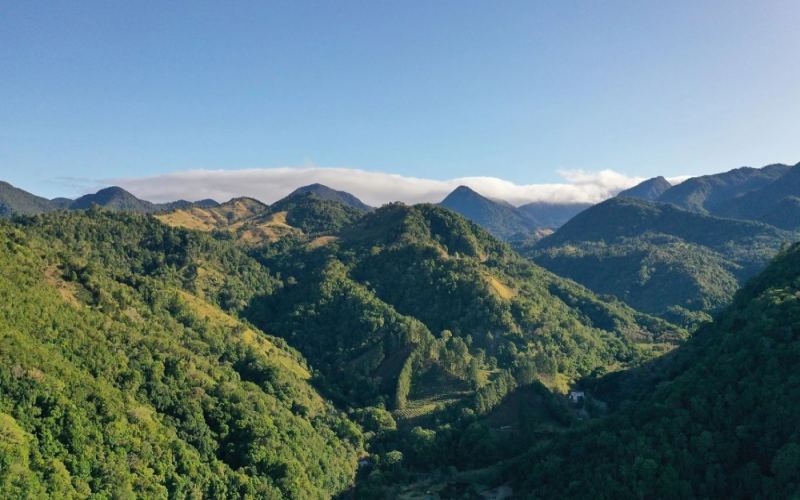
An Analysis of Panama's Coffee Development History and Geisha Variety Characteristics, Plus Front Street's Guide to Making an Aussie White
Although Panama is not the earliest country in Central America to grow coffee, it has reached the pinnacle of the world's specialty coffee thanks to the Geisha variety. This article will trace the historical thread of Panamanian coffee from its introduction in the 18th century to large-scale cultivation in the 19th century, introduce the main producing regions such as Boquete and Volcan centered on Chiriqui Province, analyze Geisha's legendary journey from being ignored to making its name at BOP in one battle, and share the flavor performance of Front Street Boquete Geisha. Finally, we will also use this Geisha to make a cup of flat white coffee, providing complete extraction parameters and operating steps to help you recreate a milk coffee with both floral aromas and citrus notes at home or in a shop. [more…]
Panama Hacienda La Esmeralda Geisha Coffee Beans: A Comprehensive Analysis of Variety Traceability, Cultivation History, and Flavor Achievements
Hacienda La Esmeralda is a legendary coffee estate in the Boquete region of Panama, and it is precisely here that the Geisha variety rose to the world stage. From the Peterson family's purchase of it in 1967 as a retirement ranch, to winning the BOP championship with Geisha in 2004 and setting an auction record of $21 per pound, Hacienda La Esmeralda has written a bold and colorful page in the history of specialty coffee. This article will sort through the estate's planting and development history, its main cultivated varieties, the terroir conditions of the Boquete region, and the signature flavors of jasmine, peach, and orange that Geisha presents, and will introduce Front Street Coffee's recommended products from various lots of Hacienda La Esmeralda, taking you through a comprehensive understanding of this world-class star estate. [more…]
A Complete Analysis of the Origin, Cultivation History, and Flavor Characteristics of Yunnan Geisha Coffee
Geisha coffee has swept the globe with its rich floral aroma and complex fruity acidity reminiscent of citrus and peach. Its delicate varietal characteristics and demanding growing conditions make it scarce and expensive. This article traces Geisha's journey from Hacienda La Esmeralda in Panama to the world, and ultimately its introduction to Yunnan, China. It examines the starting point of Geisha cultivation in Yunnan, the lineage of its seed sources, and its varietal performance, while comparing how the terroir differences between Panama and Yunnan shape the flavors in the cup. The article also covers Front Street Coffee's cupping impressions of Yunnan Geisha, as well as the role of post-processing methods such as anaerobic fermentation in enhancing body. [more…]
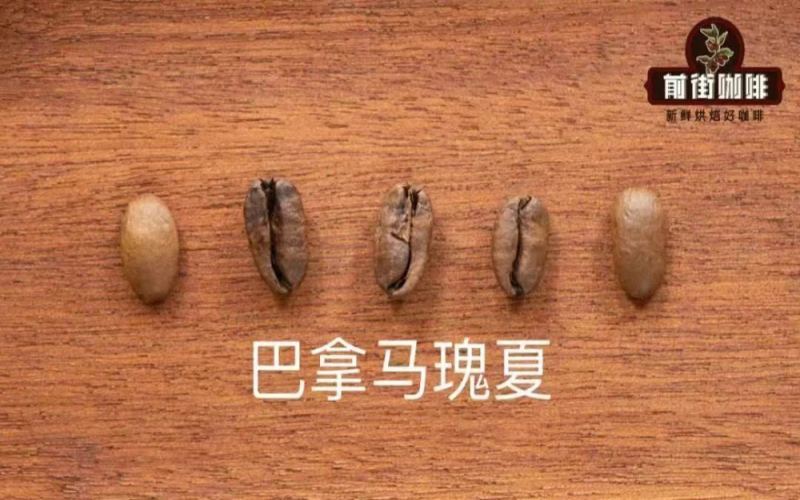
The Development History of Panama Hacienda La Esmeralda Geisha Coffee Beans and How to Identify the Differences Between the Red, Green, and Blue Label Geishas
Geisha coffee occupies a pivotal position in the world of specialty coffee, and the Geisha produced by Panama's Hacienda La Esmeralda is the benchmark for this variety. This article begins with the origin of the name Geisha, reviews how Hacienda La Esmeralda transformed from a dairy-focused farm into a specialty coffee mecca, and how its 2004 BOP victory rewrote the history of specialty coffee. The article focuses on sorting out the grading criteria, altitude ranges, flavor profiles, and market positioning of Hacienda La Esmeralda's three product lines: Red Label, Green Label, and Blue Label, and introduces the emergence of the "Volcanic Rock" Geisha after the discontinuation of Blue Label. Front Street Coffee also shares Geisha coffee brewing parameters and suggestions to help readers fully understand this legendary variety. [more…]
A Complete Analysis of Panama's Coffee Regions: From Planting History to the Specialty Path of Geisha Auctions
Although Panama is a small country, it occupies a pivotal position in the world of specialty coffee. From coffee's first arrival in the Americas in the 18th century to Geisha repeatedly setting record auction prices today, this volcanic land nourished by air currents from two oceans has given rise to flavors that captivate coffee lovers around the world. Front Street Coffee takes you into Panama, tracing its cultivation history, its three core producing regions, the Best of Panama competition, and sharing brewing insights on a washed Boquete Geisha. [more…]
Geisha Coffee Quality Grades and Price Analysis: A Complete Guide to Its History, Green Bean Appearance, and Pour-Over Flavor
Geisha coffee is hailed as the champion variety among specialty coffees, renowned worldwide for its full-bodied sweetness, clean mouthfeel, and rich floral and fruity aromas. From its quiet export origins in Ethiopia's Geisha Mountains to its meteoric rise at Hacienda La Esmeralda in Panama, Geisha has traversed a legendary journey spanning more than seventy years. This article will guide you through the historical trajectory of Geisha coffee, the appearance characteristics of green and roasted beans, the flavor differences across various origins, and the brewing parameters recommended by Front Street Coffee for the Savage series Geisha from Panama's Deborah Estate, offering coffee enthusiasts a complete Geisha tasting guide. [more…]

Panama BOP Competition History, Volcán Region Characteristics, and Hartmann Estate Geisha Flavor Analysis
Coffee auctions are an important force driving the development of specialty coffee, and Panama's BOP is precisely the benchmark among them. This article begins with the founding background of BOP and its first auction, sorting out how it helped Panamanian coffee emerge from a price crisis, and focuses on the Volcan region, which has performed brilliantly in recent years, introducing the region's altitude, climate, and flavor characteristics. It then delves into Hartmann Estate to learn about its history, forestland protection, and cultivated varieties, and finally brings a brewing flavor description of the Hartmann Geisha anaerobic natural beans purchased by Front Street Coffee, suitable for coffee enthusiasts to systematically understand the context of Panamanian specialty coffee. [more…]

A Complete Guide to Panama's Elida Estate: The Flavor and Mouthfeel of Boquete Region Green Tip Geisha Natural Coffee
In this year's Panama BOP Geisha auction, Elida Estate's natural Geisha set a new record at $10,013 per pound, becoming the top lot. This is not the estate's first time at the top—it has won the BOP championship multiple times and was the first-ever double champion in Geisha history, with a number of wins second only to Hacienda La Esmeralda. Elida Estate was established in 1918 and officially upgraded to a century-old prestigious estate in 2018. It is now managed by the fourth generation of the Lamastus family, and in recent years it has also acquired the high-altitude El Burro Estate as the family's fifth estate. The Elida Geisha cupped by Front Street Coffee this time displays rich flavors of pomegranate, peach, white florals, grape, and black tea, with extremely high sweetness, rounded acidity, and a silky mouthfeel. This article will take you deeper into the history and charm of this legendary estate. [more…]
Flavor Characteristics of Panama Elida Estate Washed Geisha Coffee Beans and the Estate's Development History
Elida Estate is a micro specialty estate in Panama covering only 12.5 hectares, yet it rose to fame by taking first place in the 2011 Best of Panama competition. That year, it defeated the long-dominant Hacienda La Esmeralda with a cupping score of 92.3 points, and the winning bid set a new record at US$70.25 per pound. The estate owner cultivates multiple varieties on the limited land, including Typica, Red Catuai, and Pacamara, and since 2008 has gradually introduced Geisha, which now accounts for nearly half of the planted area. The high-mountain environment at 1,500 to 1,675 meters above sea level, combined with native forest and fruit trees, forms a self-sufficient ecological system. This article will guide you through the background of Geisha cultivation at Elida Estate, its competition performance, and the flavor characteristics brought by washed processing, along with purchasing suggestions from Front Street Coffee. [more…]
Panama Geisha Coffee Beans Flavor Profile Analysis: A Complete Guide from Origin History to Front Street Coffee Pour-Over Parameters
Geisha coffee holds an unshakable position in the specialty coffee world thanks to its bright, complex floral and fruity aromas and delicate, soft acidity. This article will guide you through the complete historical journey of Geisha, from the forests of Ethiopia to Panama's Hacienda La Esmeralda, sort out the grade differences between Red Label and Green Label, and analyze the key role that high-altitude cultivation plays in flavor development. At the same time, the article will also share Front Street Coffee's roasting approach for Geisha beans and V60 three-pour brewing parameters, helping you recreate a classic Geisha flavor at home. Whether you are encountering it for the first time or looking to deepen your understanding, you will find practical reference here. [more…]
Starbucks Geisha Coffee Price Per Cup Explained: The Variety's Characteristics and Legendary History
Geisha coffee is often called the "Hermès" of the specialty coffee world, but its price is not necessarily out of reach. From entry-level everyday beans to competition-grade Red Label, the world of Geisha has rich layers and stories. This article will walk you through the price range of a cup of Geisha coffee, the price differences across different origins, trace the legendary journey of this variety from the forests of Ethiopia to Hacienda La Esmeralda in Panama, explain the Red Label, Green Label, and Blue Label grade classifications, and share the pour-over brewing method recommended by Front Street Coffee. Whether you are a beginner just getting to know Geisha or an enthusiast who wants to understand the variety's background in depth, you will find practical reference information here. [more…]
A brief description of the development history of Panama coffee bean cultivation.
Panama coffee is highly renowned in the global coffee market. At the end of the 19th century, when European immigrants settled in Panama, they brought coffee to Panama; the first area where these immigrants grew coffee was the province of Chiriquí. T [more…]
The Origin and History of Geisha Coffee | What Are the Characteristics of the Panamanian Geisha Variety? Which Famous Coffee Estates Grow Geisha? What Should You Pay Attention to When Hand-Brewing Geisha Coffee?
People's definition of top-tier coffee is constantly changing, and the old rich, full-bodied cup has long become a thing of the past. Nowadays, if you casually ask any coffee lover which coffee can represent the very best, the answer you get is very likely Panama Geisha. There are many varieties of Panama Geisha, and when faced with Front Street's tasting [more…]