







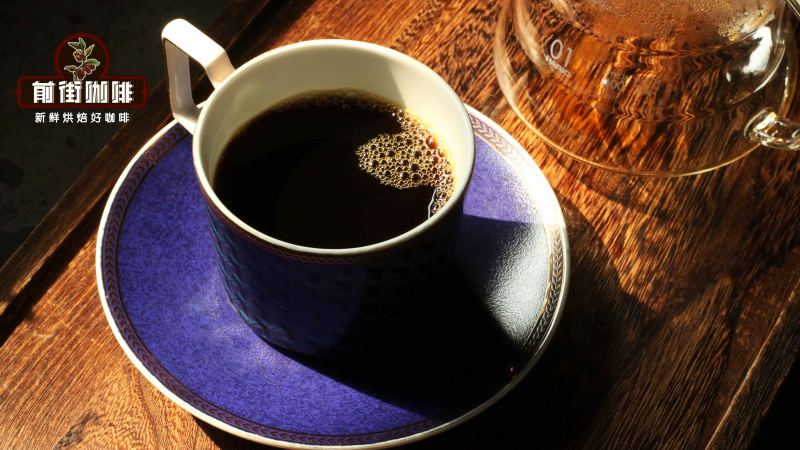
What Defines the Flavor of Panama Geisha Coffee Beans?
Panama geisha coffee beans are valued for bright, complex floral and fruity aromas with delicate, soft acidity. The variety was first found in 1931 in Ethiopia's Geisha forest, reached Kenya, Uganda, Tanzania, Costa Rica, and finally Panama in 1970, and became known after Hacienda La Esmeralda separated it and won the BOP competition in 2004.
Geisha coffee sits apart from Blue Mountain, Hawaii, and Mandheling for its layered tropical-fruit sweetness, and it is graded as Red Label or Green Label depending on quality. High-altitude cultivation plays a key role in flavor formation. A lighter roast suits it well, and a V60 three-pour method helps bring out the aromatics at home.
Geisha coffee occupies an unshakable position in the specialty coffee world thanks to its bright, complex floral and fruity aromas and delicate, soft acidity. This article will walk you through the complete historical journey of Geisha from the forests of Ethiopia to Panama's Hacienda La Esmeralda, sort out the grade differences between Red Label and Green Label, and analyze the key role high-altitude cultivation plays in flavor formation. At the same time, the article will also share Front Street Coffee's roasting approach for Geisha beans and V60 three-pour brewing parameters, helping you recreate a classic Geisha flavor at home. Whether you are encountering it for the first time or want a deeper understanding, you will find practical reference here.
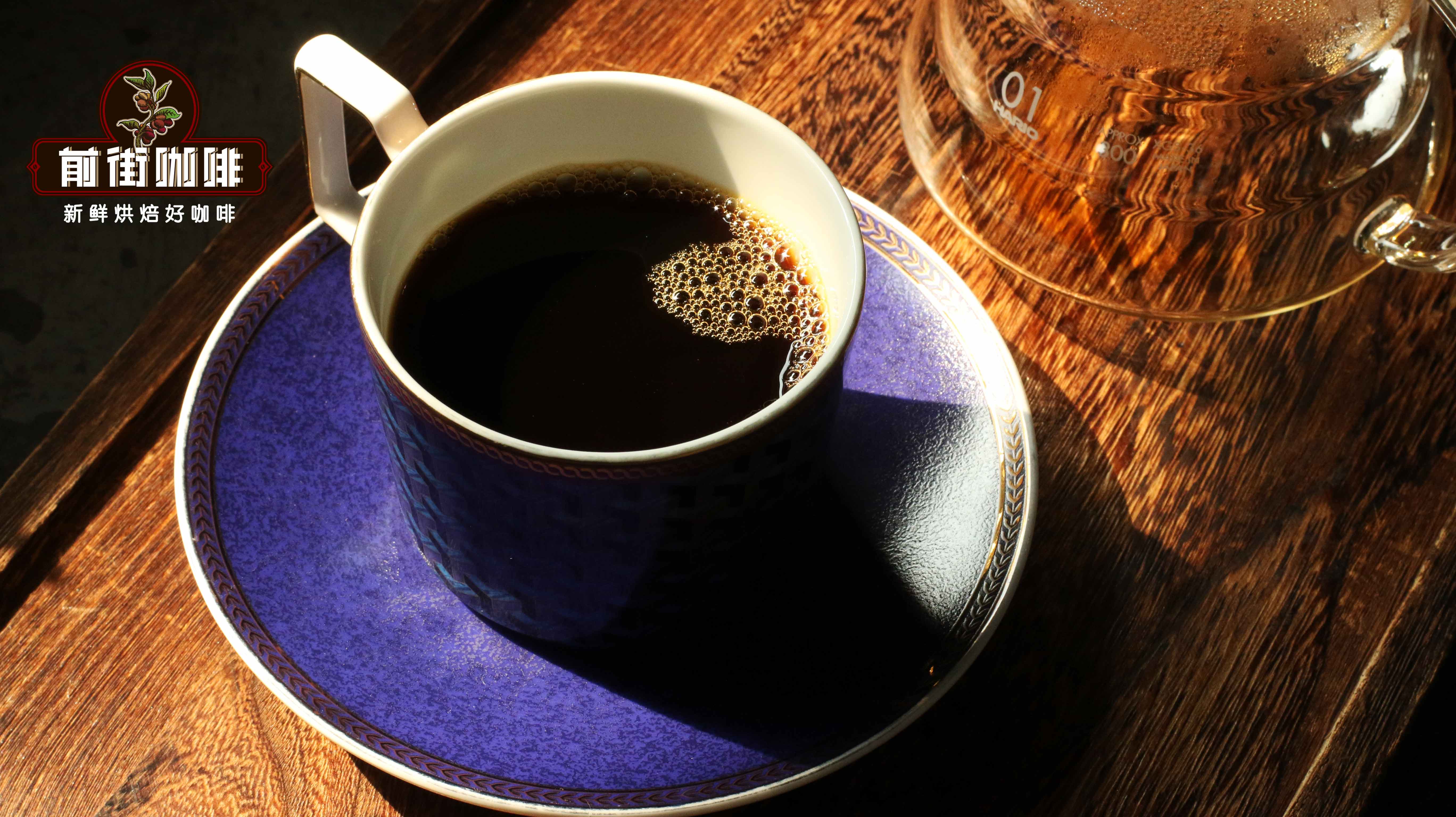
Coffee liquid contains multiple taste layers such as acidity, sweetness, bitterness, and saltiness, and to bring these tastes into a harmonious sweet-and-sour balance, the roasting stage plays a decisive role. In the past, almost all coffee followed the dark roast path, but with the rise of the third wave of coffee, the world of specialty coffee has undergone earth-shaking changes. Dark-colored beans are no longer synonymous with quality, and light roast and medium roast have gradually taken the mainstream position, with the most representative examples being Front Street. Yirgacheffe and Front Street. Geisha.
The Chinese translation of Geisha sounds similar to the Japanese word for "geisha," so it is also called "Geisha coffee." Compared with well-known coffees such as Blue Mountain, Hawaii, and Mandheling, Geisha has a richer and more varied floral and fruity aroma, and its intense tropical-fruit-like sweetness has clearly distinguishable layers. In the hearts of coffee lovers, Geisha is truly a goddess-level existence, and countless people are captivated by her bright and complex floral and fruity aromas, multi-layered high-sweetness fruit profile, and refined soft acidity.
This variety was first discovered in 1931 in the Geisha forest of Ethiopia. Geisha was subsequently sent to a coffee research institution in Kenya, introduced to Uganda and Tanzania in 1936, arrived in Costa Rica in 1953, and was introduced to Panama in 1970. At first Geisha did not attract much attention, until Panama Geisha Hacienda La Esmeralda separated it from other varieties in 2003 and won the BOP competition championship in 2004, only then did the Geisha variety truly enter the public eye. Although Geisha's flavor is exquisite and enchanting, this elegant trait is inseparable from its specific growing environment. This variety is extremely demanding about growing conditions, requiring high altitude, cloud cover or plenty of shade trees, and fertile soil. Geisha grown in high-altitude environments has pronounced floral aromas and refined, elegant fruit acidity, which is also one of the important reasons it has become popular worldwide.
After becoming famous, Geisha was introduced and planted by coffee-producing countries around the world. But to obtain a delicious cup of Geisha, it must be planted in high-altitude areas, where a large temperature difference between day and night can form, where it is warm year-round without frost, and where it is ideally close to volcanoes so as to provide the Geisha coffee trees with nutrient-rich soil material.
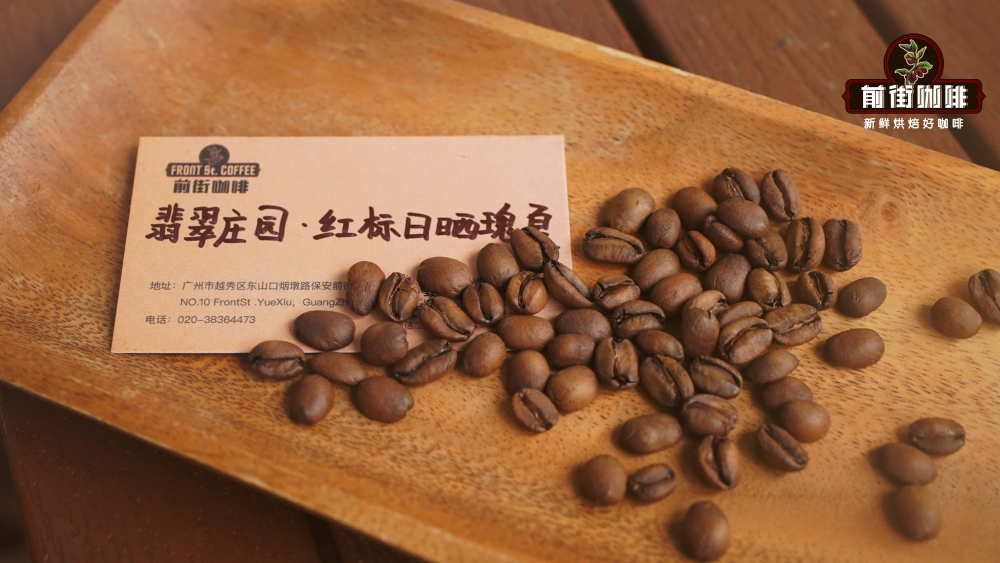
Geisha rose to fame because of Panama. Before 2004, almost no one knew the name "Geisha." When Hacienda La Esmeralda planted this variety that year, it did not distinguish it and instead mixed it among other coffee trees. Later, the estate discovered that Geisha's flavor was quite stunning, so it began selecting and processing it separately, and in 2004 won the BOP championship, after which the name Geisha spread across the globe. For this reason, Front Street regards the flavor of Panama Geisha as the most authentic Geisha flavor, and Hacienda La Esmeralda Geisha as the representative of classic top-tier Geisha. Hacienda La Esmeralda's current Geisha product line includes two types: Red Label and Green Label. Red Label is the Esmeralda Special grade (including auction lots), produced from high-altitude Geisha above 1,700 meters, requiring a cupping score of 91 points, and can be traced back to a specific planting plot. Front Street. Esmeralda Red Label Geisha is also very suitable as a fine gift for relatives and friends;
Front Street. Green Label corresponds to Private Collection, a blended-harvest Geisha grown at high altitude, requiring a cupping score above 90 points, and is a top-tier Geisha with relatively high cost performance.
If you are trying this famous coffee bean for the first time, you might as well choose Front Street. Panama Boquete Washed Geisha. This bean comes from the same producing region as the major famous estates, and its refined washed processing paired with medium-light roasting presents clean and bright white floral, honeydew, green tea, and grapefruit flavors. Compared with the high price of estate Geisha, it is positioned as an entry level, very suitable for beginners as the first touchstone for experiencing Geisha's charm.
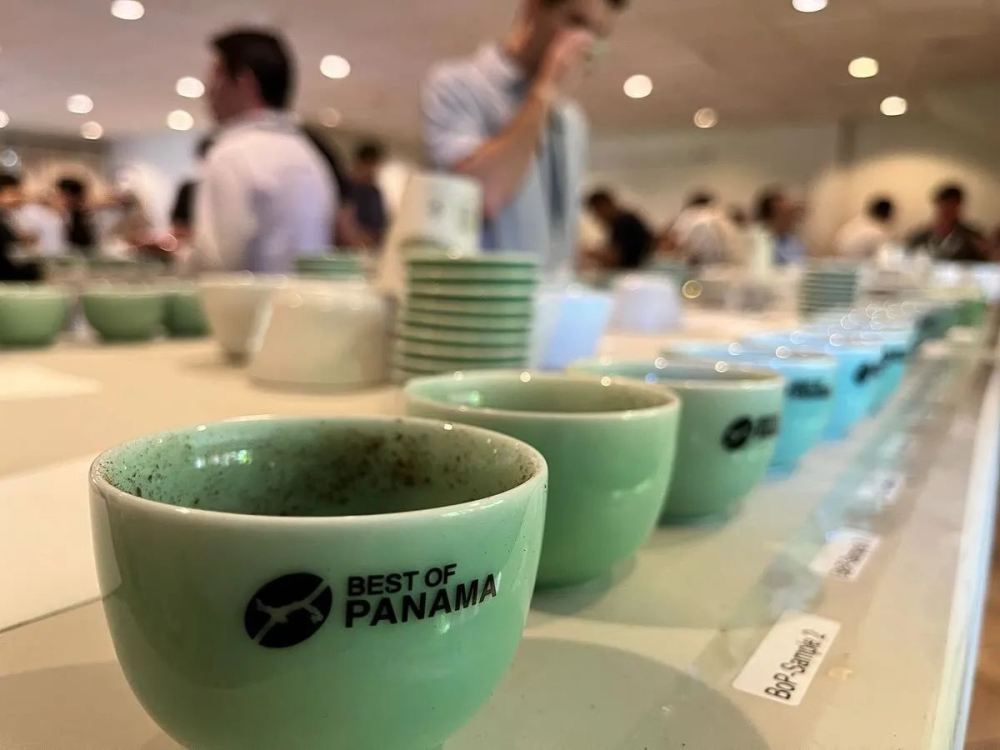
Front Street believes that to present the classic "Geisha flavor," more floral aroma and acidity need to be preserved, so Front Street's Geisha coffee beans are all light-roasted, and the roasting curve is adjusted accordingly based on different processing methods and flavor differences.
So how should such an elegantly flavored Panama Geisha coffee bean be brewed to taste good? The Geisha coffee beans sold by Front Street Coffee are all light-roasted to preserve their high-quality acidity and elegant aroma. Coffee beans grown at high altitude are usually harder in texture, so when brewing, you can use a medium-fine grind paired with relatively high-temperature mountain spring water.
When Front Street Coffee brews Geisha daily, it uses the following dripper and brewing parameters: V60 dripper, 15g coffee powder, a 1:15 coffee-to-water ratio, 91 degrees Celsius Nongfu Mountain Spring Water, and coffee powder particle size controlled to the size of fine granulated sugar (medium-fine, 80% passing rate on the Chinese No. 20 standard sieve).
The three-pour brewing method is as follows: after starting the timer, pour water for the first time to 30g and let it bloom for 30 seconds; then in the second stage, pour in a slow circular stream to 125g, and when the water level in the coffee bed drops to half, pour again, continuing to pour in a slow circular stream to 225g, and after all dripping is complete, the total extraction time is about 2 minutes 10 seconds to 2 minutes 20 seconds.
The above content is compiled by CoffeeHunters, a coffee news website.


