







In the landscape of specialty coffee, Panama Geisha, with its bright floral aromas and complex fruit acidity, is regarded by many enthusiasts as surpassing Jamaica Blue Mountain and Hawaii Kona. This article begins with the variety's origins and spread, then weaves together the history of Hacienda La Esmeralda, its dazzling competition record, the grade differences between the estate's Red Label and Green Label, and the flavor profiles brought by natural and washed processing. It also includes a complete siphon brewing guide for Esmeralda Red Label Geisha at the end, suitable for coffee lovers who want to understand Geisha more deeply and try different extraction methods.
For more specialty coffee knowledge, please follow our WeChat official account: Front Street Coffee (FrontStreet Coffee)
For a long time, when it came to top-tier coffee, people often followed Japanese standards of evaluation, with Jamaica Blue Mountain and Hawaii Kona occupying the positions of "one king and one queen." However, as coffee-producing countries continued to improve their standards and information flowed more freely, the specialty coffees available to us became increasingly diverse. It was against this backdrop that Panama Geisha rose to prominence, becoming a much-watched rising star in coffee in recent years.
Introduction to the Geisha variety:
According to Front Street Coffee, the Geisha variety was first discovered in 1931 in the Geisha forest of Ethiopia, then sent to the Coffee Research Institute in Kenya; in 1936 it was introduced to Uganda and Tanzania, in 1953 Costa Rica began importing it, and in Panama it was not until the 1970s, when Mr. Francisco Serracin of Don Pachi Estate obtained seeds from CATIE in Costa Rica, that Geisha coffee was officially cultivated.
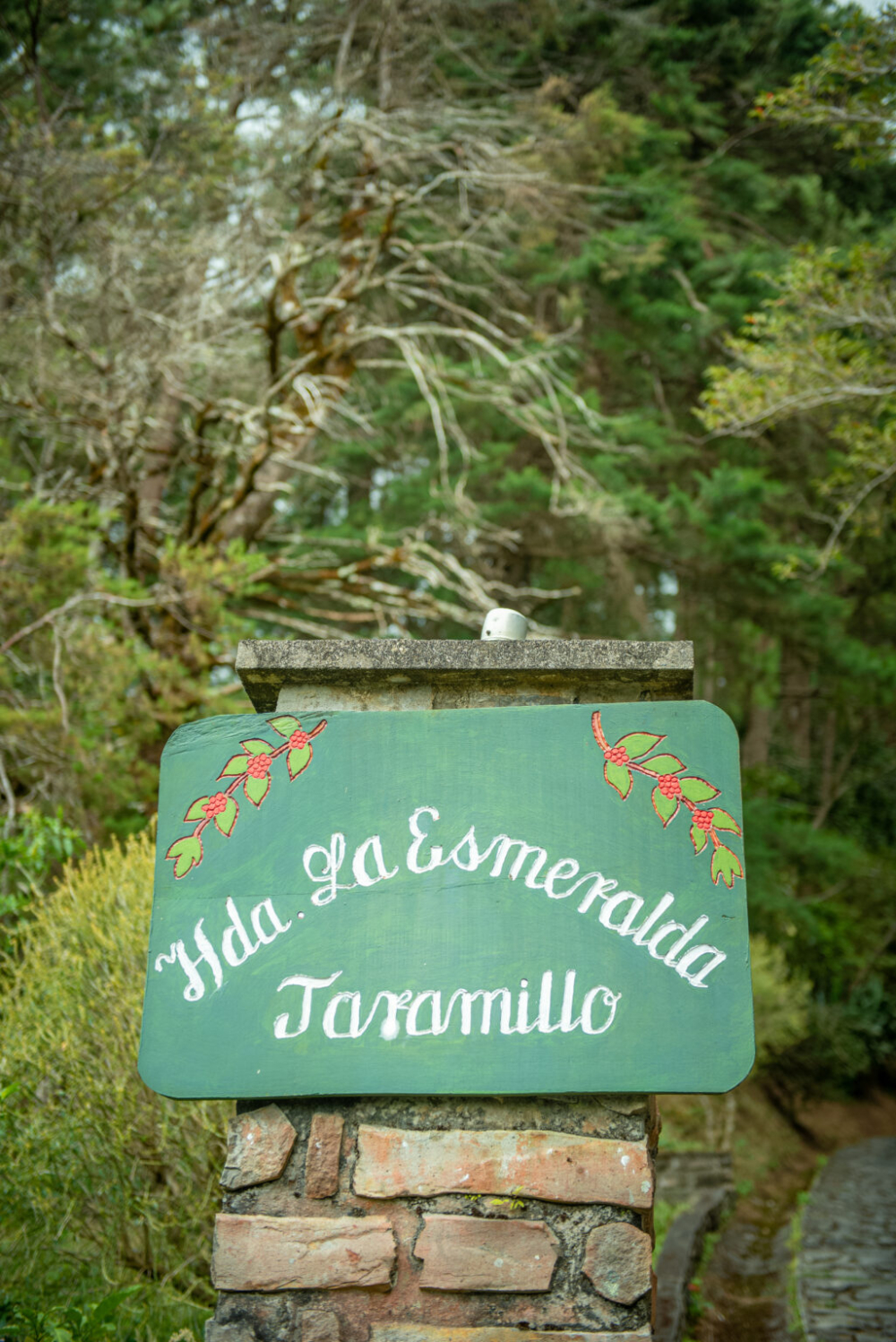
Geisha swept through the coffee world like a fierce storm. This coffee revolution came with such force that even the long-reigning king and queen of the coffee kingdom—Jamaica Blue Mountain and Hawaii Kona—had to yield some ground. This wild variety native to Ethiopia, after enduring countless competition trials, is now widely planted across major coffee origins, and its most famous standard-bearer is the "La Esmeralda" estate from Panama.
The history of Hacienda La Esmeralda:
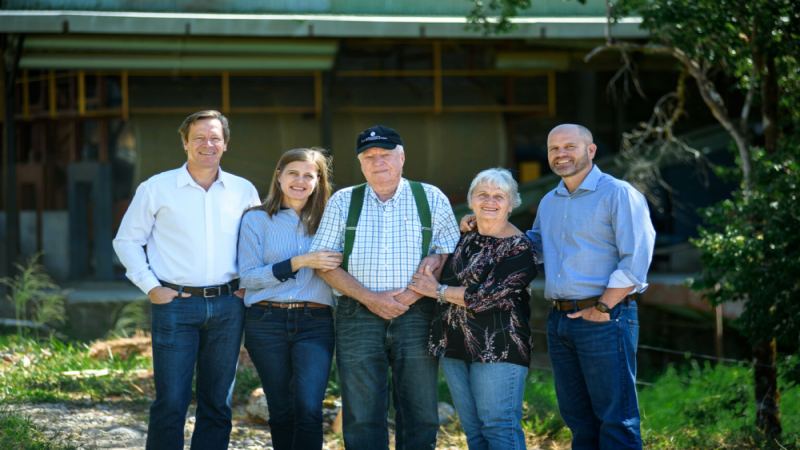
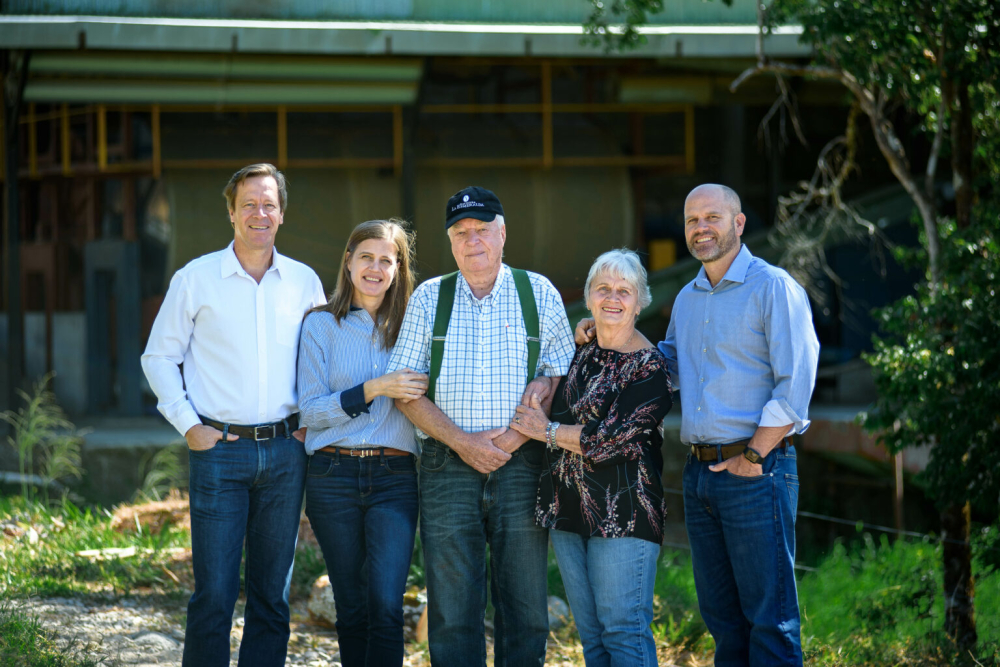
In 1924, Swedish native Hans Elliott established Hacienda La Esmeralda. Initially it was not a coffee farm but a cattle ranch. Forty years later, in 1964, Mr. Daniel Peterson's grandfather, Mr. Rudolph Peterson, bought Hacienda La Esmeralda so he would have a place to settle after retirement. Grandfather Rudolph Peterson was born in Sweden and had served as president of the Bank of America and director of the United Nations Development Programme.
His son, Mr. Price Peterson, moved from California to Panama in 1973 to take over the management of his father's estate. In 1987 he converted most of the estate to coffee cultivation, and in 1994 he invested in purchasing precision coffee-processing machinery to establish the brand. As Mr. Price Peterson and his wife Susan gradually brought the coffee estate into proper operation, they also raised three children: Eric (born in Philadelphia in 1966), Rachel (born in Sweden in 1967), and Daniel (born in Panama in 1974).
In 1996, Price and Rachel visited a farm for sale in the Jaramillo area of the Boquete valley and were drawn to this beautiful estate, so they bought it immediately. This was Hacienda La Esmeralda·Jaramillo, and it was here that their third son, Mr. Daniel Peterson, grew the coffee that would astonish the coffee world—Geisha coffee!
Geisha is pronounced the same as the Japanese word for "geisha," so some also call it geisha coffee. Because its tree form is taller than ordinary coffee trees, it was initially planted only in a small section of the estate as a windbreak. Later, the estate owner's son, in order to compete in the annual Best of Panama coffee competition, tested every coffee variety on the estate one by one, which gave Geisha its chance to formally debut; afterward it also entered various international coffee competitions and won a total of eleven championships.
-Champion: Best of Panama (2004, 2005, 2006, 2007)
-Champion: SCAA Roasters Guild Cupping Pavilion (2005, 2006, 2007)
-Champion: Rainforest Alliance Cupping for Quality (2004, 2006, 2007, 2008)
Such dazzling results made Geisha shine like a green diamond, and it has also been highly recognized in the international coffee auction market, repeatedly setting high-price records.
-Best of Panama 2004 Auction: $21/lb
-Best of Panama 2005 Auction: $20/lb
-Best of Panama 2006 Auction: $50/lb
-Best of Panama 2007 Auction: $130/lb
In the following two years, 2008 and 2009, Esmeralda held its first single-estate auction, classifying products from the Esmeralda estate by harvest region or time and opening them directly to buyers from around the world for bidding. The highest auction prices in 2008/2009 once again broke through the hundred-dollar mark!
-Esmeralda Special 2008 Auction: $105/lb
-Esmeralda Special 2009 Auction: $117/lb
Geisha grades at Hacienda La Esmeralda
On Front Street Coffee's bean list, there are about 10 Geisha coffees alone. If you are drinking Geisha for the first time, Front Street Coffee would recommend the estate's naturally processed Red Label or washed Green Label. The so-called Red Label is the Esmeralda Special grade (including auction lots), while Green Label refers to Private Collection.
The highest-grade Red Label is picked from high-altitude Geisha (1600–1800 m) coffee cherries, with a cupping score above 90, mainly from the two farms Jaramillo and Cañas Verdes. Although the altitude brings challenges in cultivation and harvest, in the Boquete region Geisha's floral and fruity charm is most prominent. Hacienda La Esmeralda holds its own independent auction event; among the divided plots, the Red Label lots put forward for competition are called auction lots. Auction lots have a unique number, and each number corresponds to the entire lot from one plot. The one we hear about most often is probably the Mario plot at Jaramillo farm. The Esmeralda Red Label Geisha beans Front Street Coffee obtained come from the Mario plot and are naturally processed.
In addition, a washed Green Label Geisha from Front Street Coffee performs in cupping with fresher, more natural flavors of lemon, berries, pomelo, and Tieguanyin tea. Green Label is selected from micro-lots grown at 1600–1800 m, from Jaramillo, Cañas Verdes, and other areas without specific plot separation. Green Label does not participate in auctions; although its grade is not as high as Red Label, it mainly showcases the signature classic flavor of high-altitude Geisha. Front Street Coffee's Green Label Geisha uses washed processing, which better presents Geisha's own citrus aroma and honeyed tone.
Washed method, translated from Washed Process, also called washed processing, is a traditional processing method that uses water to process coffee cherries. Generally speaking, the washed steps include flotation, removing the pulp, soaking and fermenting to remove pectin, washing or continuing to soak, and after drying, hulling to obtain the coffee beans we need.
Front Street Coffee believes that to present the classic "Geisha flavor," more floral aroma and acidity must be retained. Therefore, Front Street Coffee's Geisha coffees are all light-roasted, with roasting curves adjusted according to different processing methods and flavor differences.
For high-grade Geisha coffee, some friends say they do not know which extraction method to use. Front Street Coffee thinks that if you are "tired" of pour-over coffee, you might try brewing it with a cool siphon pot. The Esmeralda Red Label Geisha made this way will have thicker fruit acidity and a rounder tea-like body.
Tools to prepare: siphon pot, coffee beans, alcohol lamp (any other heat source will do), hot water, dry cloth
Step 1: Set up the alcohol lower chamber and alcohol lamp, and install the hook of the upper chamber filter cloth in advance (place the filter device into the upper chamber and pull the hook out from below the tube to hang it on the end of the tube).
Step 2: Pour in 220 ml of hot water.
Step 3: Wipe the lower chamber dry and turn on the heat source (wipe the lower chamber dry to prevent it from cracking during heating).
Step 4: Insert the upper chamber diagonally into the lower chamber; the explosion-proof bead must touch the bottom of the lower chamber.
Step 5: When the lower chamber begins to boil and droplets appear, straighten the upper chamber and press it firmly, then wait for the water in the lower chamber to be drawn up into the upper chamber.
Step 6: When the upper chamber stops drawing water, add the coffee grounds and start timing. In the first stage, use a patting motion to press the coffee grounds into the water and begin even extraction.
Step 7: In the second stage, at 25 seconds, begin using the stirring method recommended by Front Street Coffee and shake evenly so that the coffee can clearly separate into three layers: coffee foam, coffee liquid, and coffee grounds.
Step 8: In the final stage, at fifty seconds, stir clockwise. At 60 seconds, remove the heat source and wait for the coffee liquid to flow back into the lower chamber. (After removing the heat source, wiping the lower chamber with a dry cloth can speed up the return flow.)
The above content is compiled by CoffeeHunters, a coffee news website.


