







Geisha coffee is renowned worldwide for its elegant floral aroma and complex fruit-toned character, and in recent years Yunnan has also begun to introduce this variety. Yunnan Geisha can be traced back as early as 2012, with its genetic source believed to come from the green-tipped Geisha of Panama's Elida Estate; it only successfully bore fruit around 2016 and was gradually propagated from there. Because the altitude, climate, and shade conditions differ from those of Central America, Yunnan Geisha presents plum-like acidity, berry sweetness, and a nutty brown-sugar finish, with a flavor profile that trends balanced but is not as refined as Panama Geisha. Front Street also confirmed this characteristic in its cupping. This article will sort out the introduction history of Yunnan Geisha, its varietal characteristics, and analyze the terroir reasons behind its flavor differences.
The reason Geisha coffee is so sought after globally lies at its core in the layered floral aromas in the cup, the bright acidity of citrus and peach, the creamy smooth mouthfeel, and the oolong tea-like sweet resonance that emerges in the finish. One sip often makes people feel as if they are drinking a fragrant cup of fruit tea rather than coffee. Front Street has repeatedly mentioned in many past articles that coffee is ultimately a crop, and its flavor direction cannot be separated from the combined effects of varietal genetics, climate conditions, altitude, soil composition, and field management. It is the most direct and truthful expression of the variety and the terroir of its origin. As for post-processing and roasting, their role should be to preserve, restore, and present as completely as possible the flavor characteristics that already exist in the beans. The fact that Geisha can reach such heights is precisely the result of all the above conditions working together.
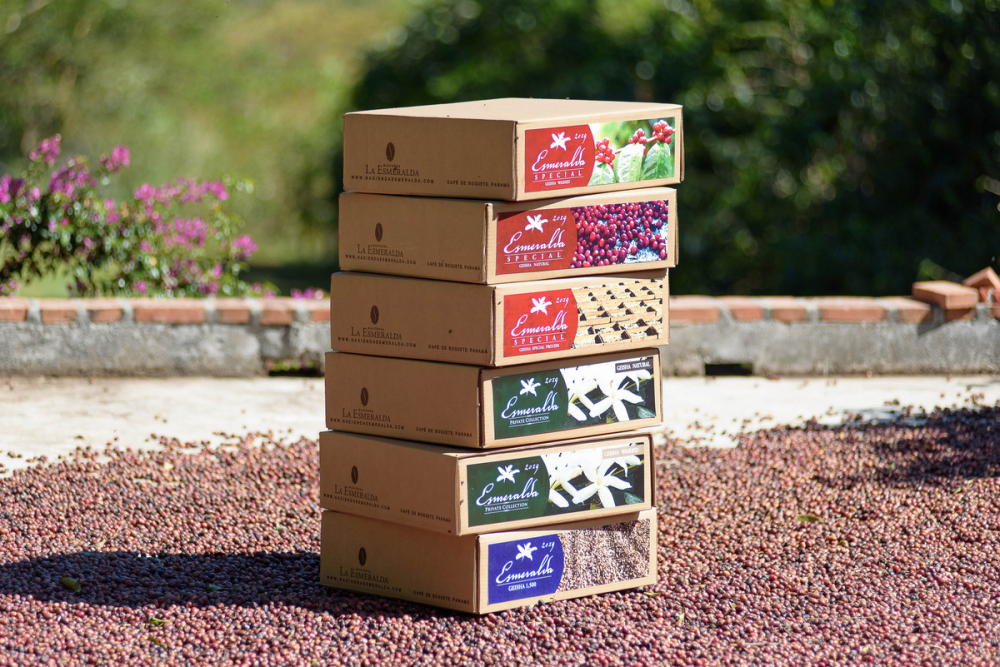
As the saying goes, things are precious because they are rare, and Geisha coffee has extremely low yields. Taking Panama as an example, the country's annual coffee production is about 10,000 tons, while the famous Hacienda La Esmeralda produces only about 150 bags of green beans each year, equivalent to around 9,000 kilograms. If we estimate that Geisha accounts for only 3% of that, the actual amount available is only 270 kilograms. The media's continued hype around Geisha's flavor, combined with enthusiasts' ever-increasing passion for it, naturally keeps prices high for a long time.
Compared with other Arabica varieties, Geisha has a lower fruit yield, and the plant itself is relatively fragile, with extremely demanding requirements for its growing environment. It prefers high altitudes and fertile soil, needs misty conditions or the protection of shade trees, and cannot be exposed to direct sunlight for long periods. Geisha's leaf tissue is very thin, so its photosynthetic efficiency is correspondingly low, and its root system is not strong enough either, making the absorption of water and nutrients relatively slow; as a result, yields remain low. In addition, under high-altitude conditions the fruit maturation period is naturally later, and the fruit load of a single Geisha tree is only about half that of the Caturra variety, which is also an important reason why its price remains so high.
Front Street believes that Geisha's current status is largely owed to Panama's Hacienda La Esmeralda. Daniel, the estate's third-generation owner, once recalled that after years of comparison and testing, he only finally confirmed this variety in 2003. Two weeks before that year's Best of Panama (BOP) competition began, while screening competition lots on the internal cupping table, he discovered that Geisha exhibited outstanding flavors such as jasmine, citrus, peach, blueberry, bergamot, and sugarcane. These flavors did not entirely match the mainstream preferences of the coffee world at the time, but Daniel still decided to enter Geisha in the competition and took first place in one stroke.
In 2005, Hacienda La Esmeralda sent Geisha to the Specialty Coffee Association of America (SCAA) for evaluation, where it defeated many star varieties and won the honor of world-class specialty coffee. It then went on to take the world championship consecutively in 2006 and 2007, once again drawing intense attention from coffee professionals around the world. After that, coffee-producing regions successively introduced Geisha, and China's Yunnan also began growing this popular variety amid this wave.
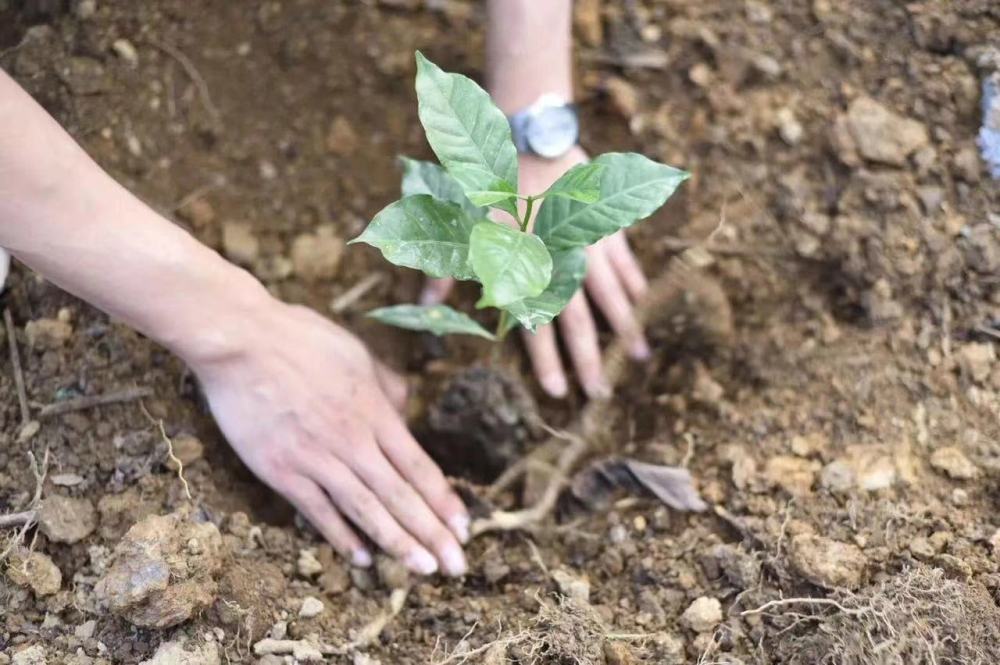
Yunnan Geisha does not have a long cultivation history, with the earliest research planting beginning around 2012. It is understood that this batch of Yunnan Geisha coffee beans originated from the green-tipped Geisha of Panama's Elida Estate. At the time, only about 10 trees were planted, and the entire research process was extremely cautious.
Coffee usually takes 3 to 4 years from seedling raising and field planting to successfully bearing fruit. Around 2016, this batch of trees successfully bore fruit and began to cultivate a second generation of seedlings, and only then did the outside world gradually begin to hear about Yunnan Geisha.
Green-tipped Geisha belongs to the highest grade in the classification of Geisha green beans. The lineage of Geisha varieties grown in Central and South America may perhaps be traced back to the T2722 variety originally labeled by CATIE in Costa Rica.
Interestingly, however, the actual situation of each coffee estate differs, and cross-pollination may also occur. In addition, not all estates' Geisha seeds come from CATIE; some were obtained through transactions between estates.
The owner of Hacienda La Esmeralda, who brought Geisha to the world, once said that in early botanical descriptions, the new leaves of the Gesha cultivar were bronze-colored and its cupping performance was mediocre, but it had strong resistance to fungi. Panama Geisha, by contrast, has tender green new shoots, excellent cupping flavor, and resistance to leaf rust, yet it cannot withstand coffee leaf spot (Ojo de Gallo), the biggest headache for coffee farmers in Central and South America. As for whether the Geisha of Panama is actually T2722, there is currently no clear research conclusion.
Later, as Yunnan Geisha gradually gained fame, other Yunnan estates also claimed to have planted Yunnan Geisha, with seeds said to come from Panama's Hacienda La Esmeralda.
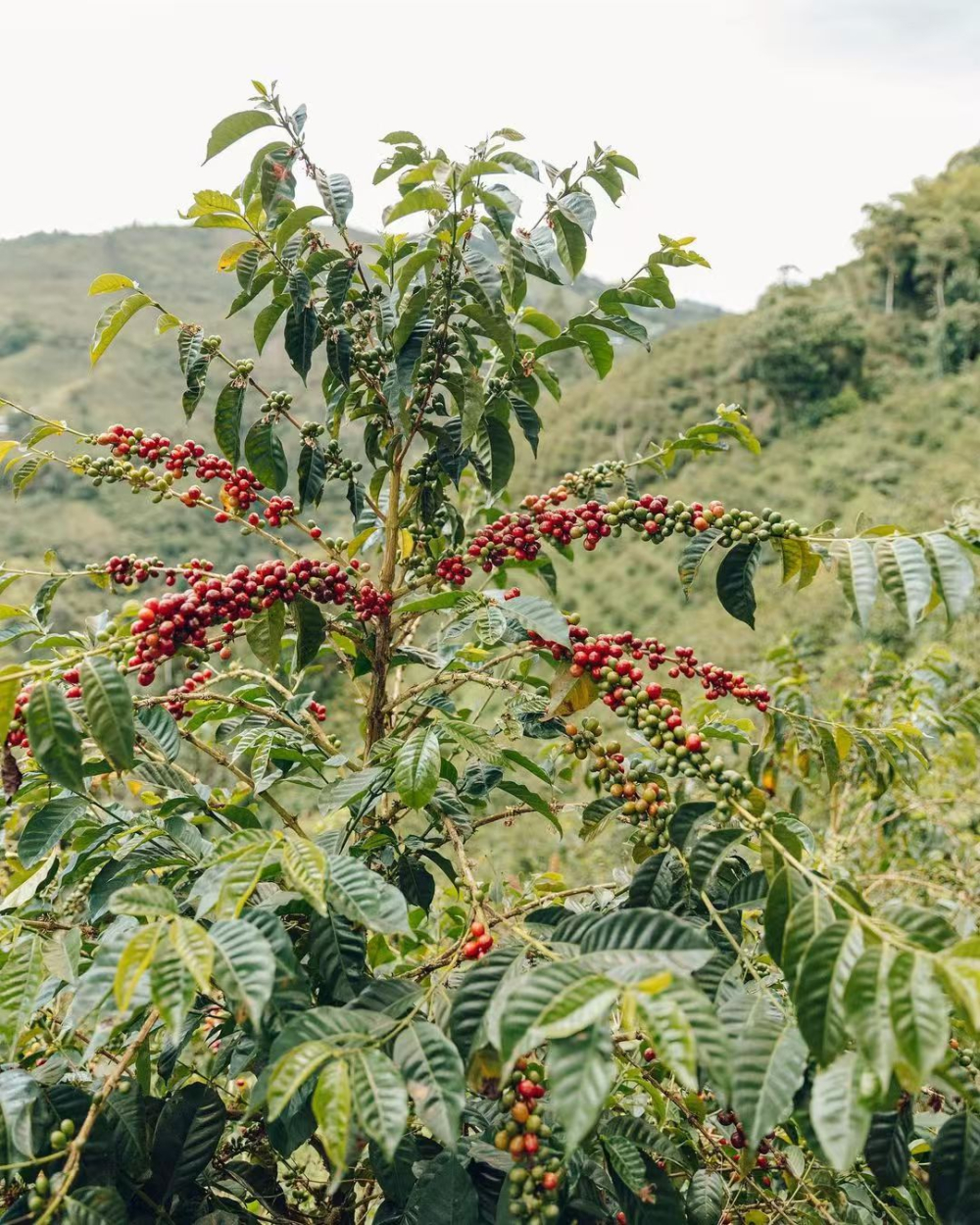
Regardless of which estate the genetic source came from, based on existing information, Yunnan Geisha may have originated from the Panama region, but its flavor is clearly different from Panama Geisha.
The reason Panama Geisha tastes so good is partly because it is grown at extremely high altitudes, and the climatic conditions are also quite complex. For the Geisha variety to survive in such an environment, it must constantly adjust its own gene expression, and as a result it accidentally developed a refined and enchanting flavor. At the same time, Geisha itself is a delicate variety that needs shade trees to block direct sunlight.
Yunnan coffee's current cultivation model, however, mostly uses direct sunlight exposure. Fortunately, Yunnan's sunlight intensity is not as strong as that of Central and South America, its altitude is not as high, the climate is warm, and the temperature difference between day and night is relatively small. In such an environment, Yunnan Geisha can be said to grow quite comfortably and also ripens relatively easily.
The flavor of high-quality coffee cannot be separated from the combined effects of varietal genetics, soil, climate, and altitude. When Geisha is grown in regions with relatively lower altitudes, limited by terroir conditions, its flavor is naturally not as refined and rich as Panama Geisha, and more often presents plum-like acidity, the sweet-and-sour character of berries, and notes of nuts and brown sugar.
To enhance the body of Yunnan coffee, many farm owners use anaerobic fermentation to process the green beans before drying them. Under suitable sterile fermentation conditions, coffee beans can gain more fermented flavors and their body can be improved, while the natural sun-dried method can make sweetness more prominent.
When Front Street cups the Geisha variety grown in Yunnan, what is usually perceived first is plum-like acidity, the fresh sweetness of red berries, a slight black tea character, and a nutty finish. The floral aspect is not prominent, and the overall profile tends toward balance, coming across as relatively moderate.
The above content is compiled by CoffeeHunters, a coffee news website.


