







People's definition of top-tier coffee is constantly changing, and the old idea of a rich, mellow cup has long become a thing of the past. Nowadays, if you casually ask any coffee lover where the coffee that represents the pinnacle can be found, the answer you get is very likelyPanama Geishacoffee. There are many varieties of Panama Geisha, and faced with the dazzling array of beans on Front Street's shelves, friends often ask: which one? Among all the Panama Geisha coffee estates, Front Street believes that Panama Hacienda La Esmeralda is the most classic. However, when seeing labels that also sayGeishabut list Ethiopia as the origin, Front Street received even more questions from friends.
The Rise of Geisha Coffee
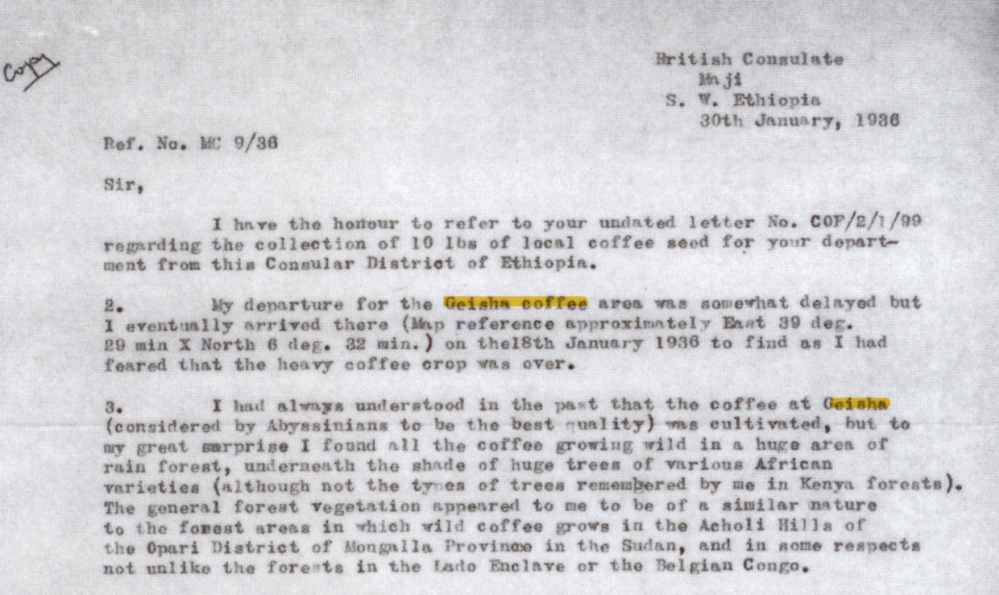
The Geisha coffee variety, like many other Arabica coffee varieties, originated in Ethiopia. Ethiopia is famous for its enormous number of coffee varieties and was once a source of seed collection for colonizers. In the 1930s, Colonel Whalley, who had been assigned the task, went to Ethiopia to collect 10 pounds of wild coffee seeds. When the mission was successfully completed, he mentioned the Geisha coffee variety in a letter to the minister and put all the coffee seeds into the same bag, marked GEISHA and sent it to the British Embassy in Kenya.
Between 1931 and 1936, a British planting station in Kenya selected and cultivated it, then distributed some of the results to the Lyamungu Research Center in Tanzania. After that, the latter research center developed fiveGeishalines, VC496 to VC500. Among them, VC496, with its superior resistance to leaf rust, became a shining pearl of the research center.
The Costa Rican Tropical Agricultural Research and Higher Education Center (CATIE), across the ocean from Africa, received VC496 from the Lyamungu Research Center in 1953 for research on coffee varieties resistant to leaf rust. CATIE then recoded it as T2722.
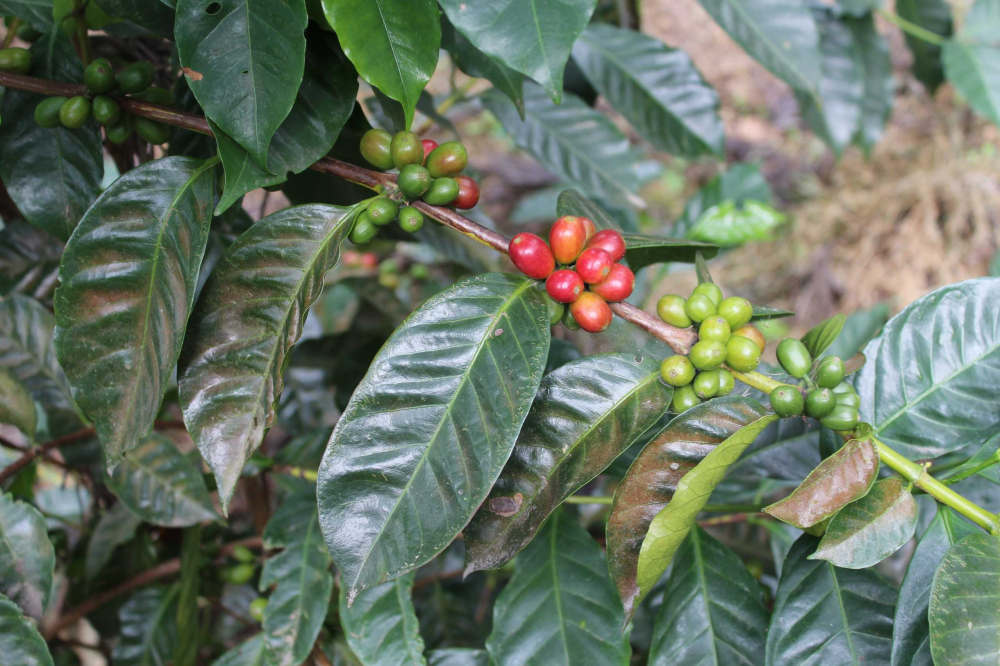
Coffee leaf rust became increasingly severe in Central America in the 1960s and 1970s. In order to fight this deadly coffee disease, Mr. Don Pachi, who worked at Panama's Ministry of Agriculture, distributed Geisha coffee seeds coded T2722 to coffee plantations in 1963. Because the Geisha variety had low yield and fragile, easily broken branches, it did not attract the attention of coffee growers. Instead, Caturra and Catuai, with three times the yield, attracted all the attention that should have belonged to Geisha.
It was not until 2004, in a BOP competition, that Hacienda La Esmeralda, which had long ranked at the bottom, stunned many international judges with its unique coffee flavors of "floral, citrus, berry, and honey," becoming the focus of the entire event.
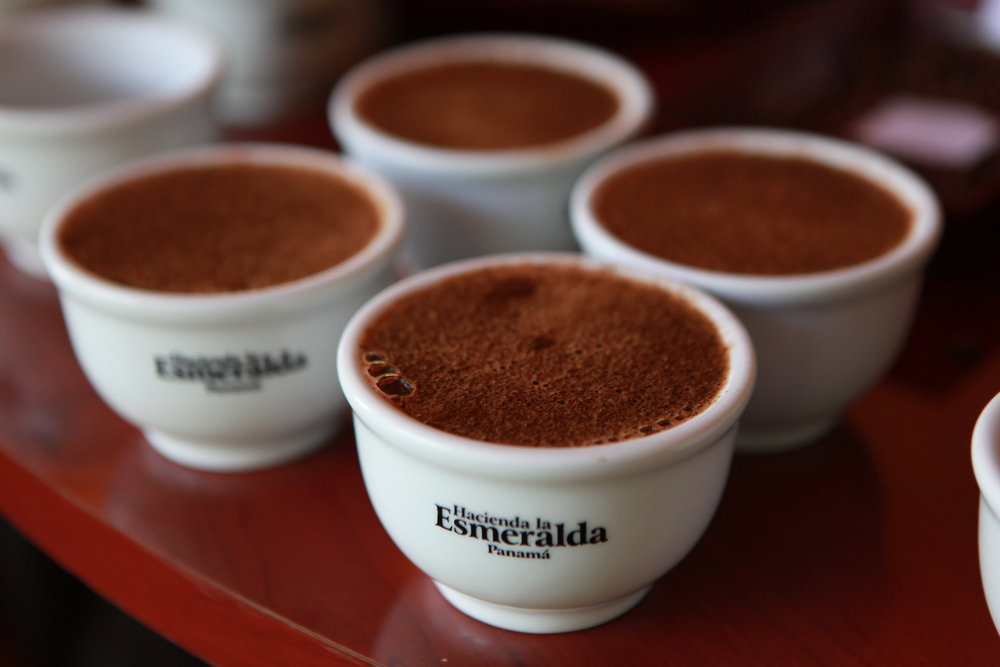
After learning that it was the Geisha coffee variety, many coffee estates in Panama began both playing treasure-hunting games on their own estates and planting Geisha coffee trees in batches. Subsequently, estates growing Geisha coffee also began to appear in many producing areas outside Panama.
Characteristics of Geisha Coffee
Geisha coffee has very unique characteristics. After tasting this coffee flavor that "only heaven should have," many people firmly recognize the Geisha coffee variety and want to taste Geisha coffee from every coffee-producing region in the Coffee Belt. Costa Rica, Honduras, Bolivia, El Salvador, Ethiopia, and even Yunnan, China'sGeisha coffee beansare tasted one by one, and some friends have even tasted Front Street's previously hidden Blue Mountain Geisha.
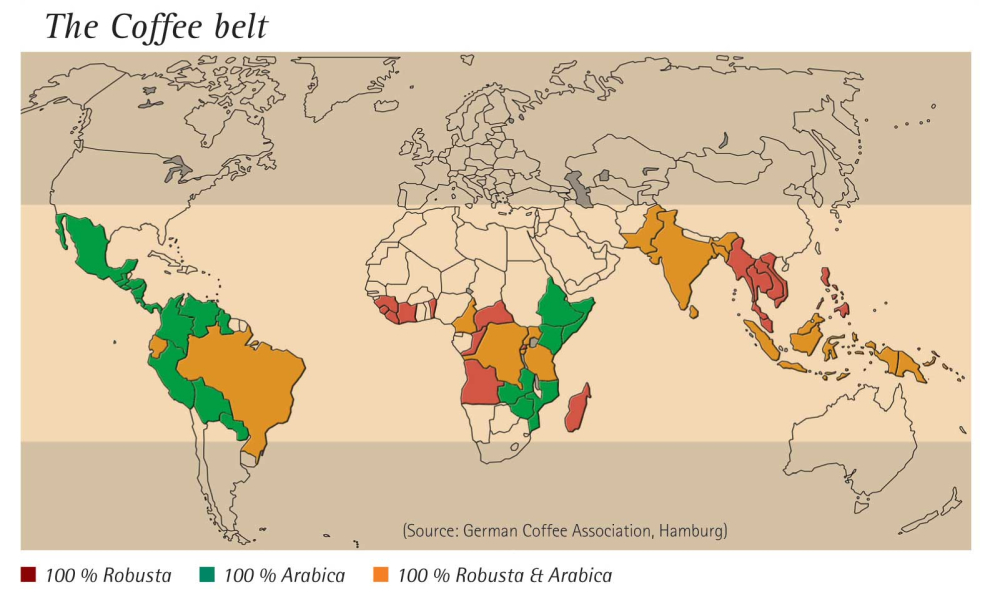
However, many friends have found that although it is the same variety, the taste is worlds apart. Geisha coffee beans from other producing countries are still not as impressive as Panama Geisha. Panama Geisha wins people's hearts with its layered flavors of "floral, berry, and honey" and its bright, clean mouthfeel.
Front Street often mentions: coffee is one of the agricultural crops. Just like grapes, even wine made from grapes of different harvest seasons will have different flavors. Therefore, even on the same piece of land, coffee beans grown in different years will have different flavors due to that year's climate.
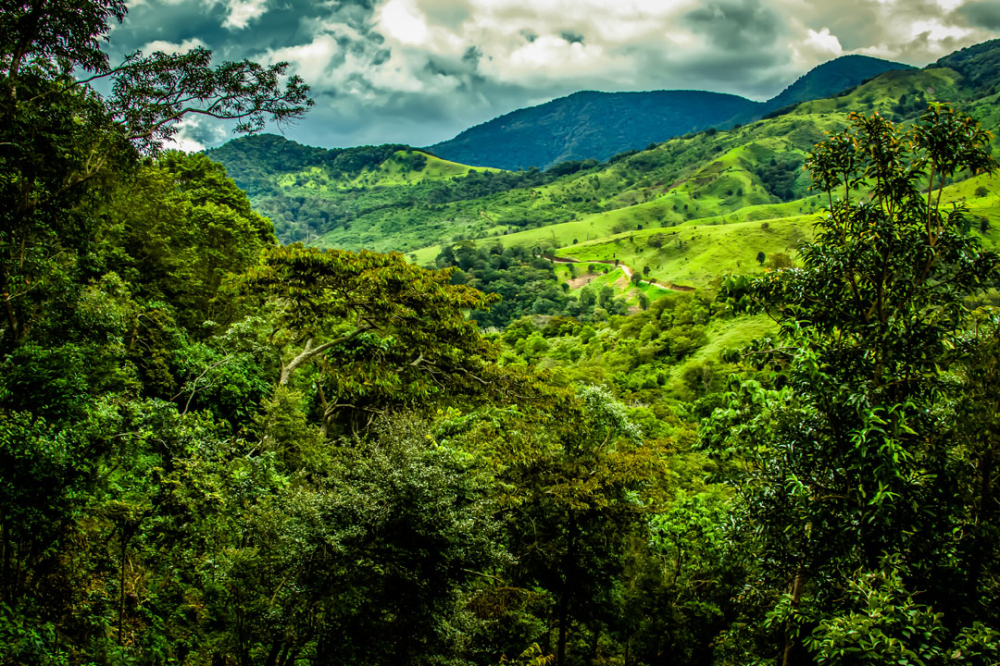
Differences in producing regions have an even more obvious impact on the final flavor presentation. In FrontStreet Coffee's everyday bean series, the differences between regional terroirs are revealed completely. Front Street believes that even if one could obtain Geisha coffee seeds from a famous Panama Geisha estate, it would still be difficult to replicate the local fertile volcanic soil, dense primeval forests, and suitable humidity and temperature.
Geisha Coffee Bean Recommendations
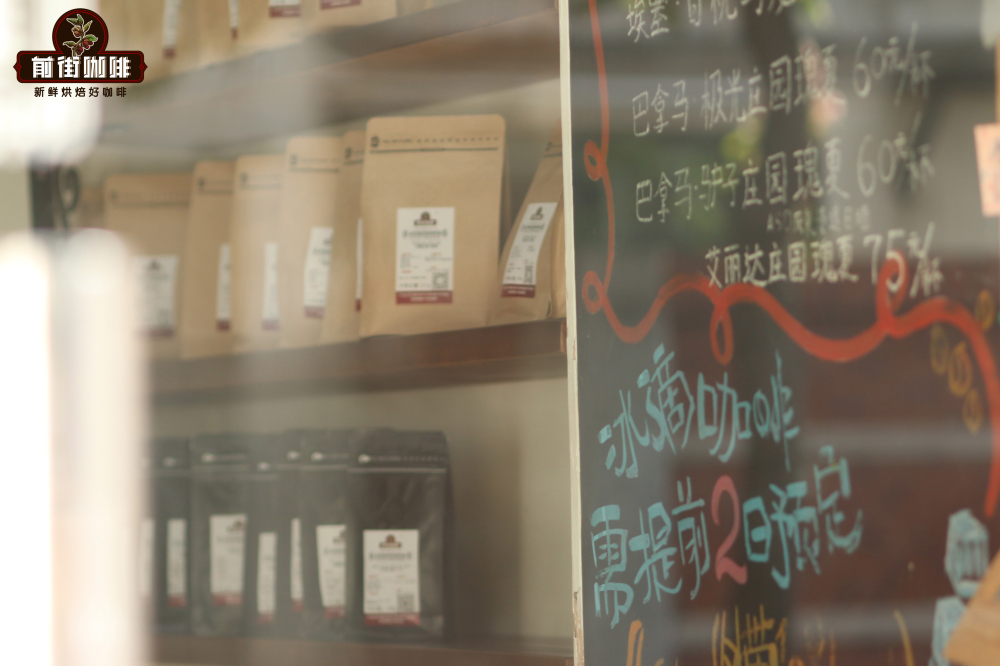
As a representative of top-tier coffee, Panama Geisha coffee is something Front Street follows every year through the BOP competition and the movements of some famous Geisha coffee estates. Exquisite-flavored Panama Geisha coffee beans always occupy a unique place on FrontStreet Coffee's blackboard.
Now, the Panama Geisha coffee estates recorded on FrontStreet Coffee's blackboard include: Hacienda La Esmeralda, Guarumo Coffee Farm, Finca Sofia, Elida Estate, Finca Deborah, Nuguo, Janson Coffee Farm, Finca La Mula, Aurora Estate, and more.
Front Street believes that Hacienda La Esmeralda, as the discoverer of the Geisha coffee variety and the promoter of Geisha coffee flavor, is the classic among Panama Geishas. If you want to understand the flavor of Panama Geisha coffee, the Red Label Geisha coffee from Panama's Hacienda La Esmeralda is a coffee you must try.
Hacienda La Esmeralda places great importance on the quality of the Red Label brand and has extremely strict production requirements. Esmeralda Red Label Geishas are all produced above 1,700 meters, and in addition must score above 90 in cupping.

When selecting Hacienda La Esmeralda Red Label coffee beans, FrontStreet Coffee chose Geisha coffee beans from the same plot as the 2004 BOP champion, namely Geisha coffee beans from the Mario plot of the Jaramillo farm within Hacienda La Esmeralda. FrontStreet's Hacienda La Esmeralda Red Label Geisha coffee beans use the most traditional, original natural process, enhancing the coffee beans' sweetness and mouthfeel thickness.
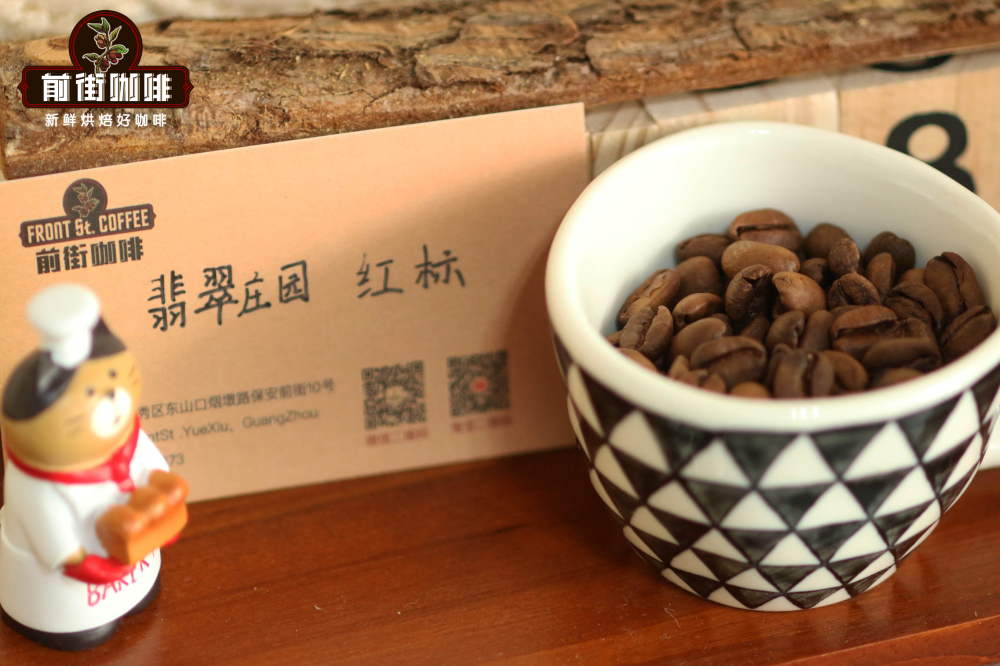
FrontStreet Coffee Hacienda La Esmeralda Red Label Geisha Coffee Beans
Region: Boquete, Panama
Estate: Hacienda La Esmeralda
Plot: Mario
Altitude: 1700+ meters
Variety: Geisha
Processing Method: Natural
In order to preserve more of this Geisha coffee's floral and fruity aromas, Front Street adopted a medium-light roast level when developing the roasting curve. Therefore, Front Street's baristas use the following parameters when brewing:
Dripper: Hario V60
Water Temperature: 90°C
Dose: 15 grams
Coffee-to-Water Ratio: 1:15
Grind Size: 80% passing through China Standard No. 20 sieve
During brewing, Front Street recommends a three-stage pouring method to enhance the coffee's layering and richness of flavor. In addition, because FrontStreet Coffee ships coffee beans freshly roasted within 5 days, Front Street recommends a blooming step.
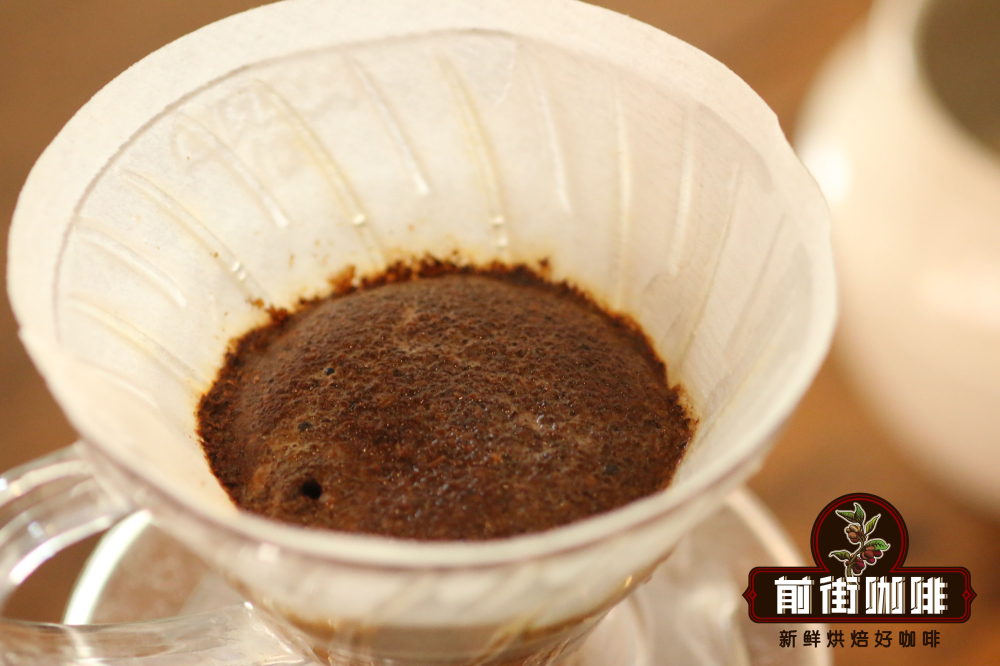
Pour in 30 grams of hot water and bloom for 30 seconds to promote the release of carbon dioxide from the coffee grounds and reduce the coffee's "harsh" sensation.
Pour from the center point, slowly spiraling outward, then slowly spiraling back from the outer ring to the inner ring, repeating until the total poured water reaches 125 grams.
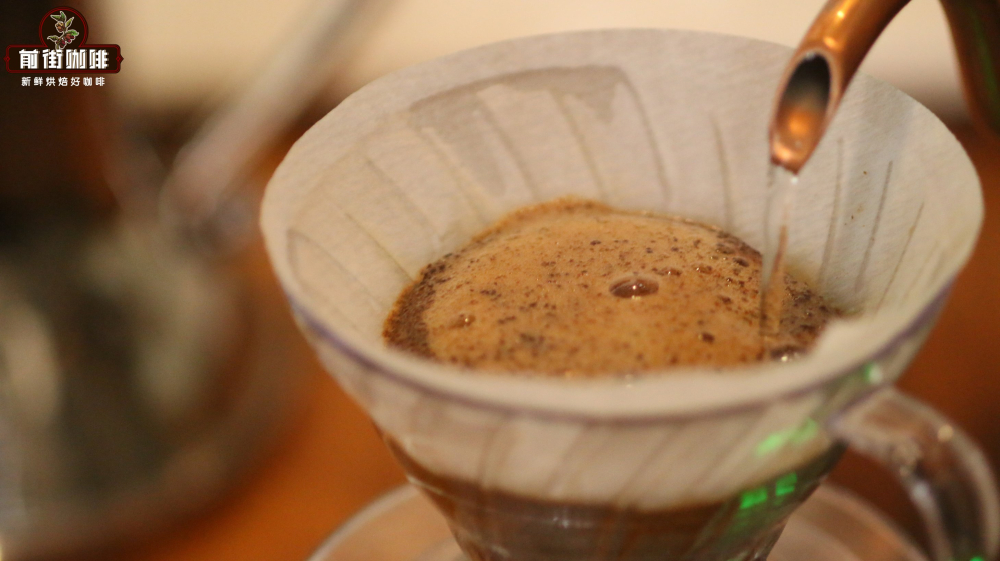
When the water level in the dripper drops to the point where the coffee bed is about to be exposed, repeat the second step until the total poured water reaches 225 grams, with a total extraction time of about 2 minutes.
The Hacienda La Esmeralda Red Label Geisha brewed with the above Front Street brewing parameters and steps has a solid, thick berry-juice mouthfeel on entry, a rich red-flower aroma, and a long honey-like sweet aftertaste.
Professional Coffee Knowledge Exchange More Coffee Bean Information Please follow Coffee Workshop (WeChat public accountcafe_style )
For more specialty coffee beans, please add the private WeChat of Front Street Coffee (FrontStreet Coffee), WeChat ID:qjcoffeex
The above content is compiled by CoffeeHunters, a coffee news website.

