







How Does Yunnan Geisha Coffee Differ From Panama?
Geisha coffee grown in Yunnan traces its lineage to Panama's Hacienda La Esmeralda, the farm that brought the variety to global attention. Yunnan's higher-altitude plots and different soil give the cup a distinct profile, though the floral aroma, citrus and peach acidity, creamy body, and oolong tea-like finish that define Geisha remain recognizable.
The variety's coffee beans origin shapes everything in the cup. Geisha plants yield little and are fragile, needing shade, cloud cover, and fertile high-altitude soil. Panama produces roughly 10,000 tons of coffee a year, and La Esmeralda releases only about 150 bags of green beans annually, so limited supply keeps prices high.
Geisha coffee has swept the globe with its rich floral aroma and complex fruity acidity reminiscent of citrus and peaches. Its delicate varietal characteristics and demanding growing conditions have created scarcity and high prices. This article traces Geisha's journey from Panama's Hacienda La Esmeralda to the world, and ultimately its introduction to Yunnan, China. It examines the starting point of Yunnan Geisha cultivation, the lineage of its seed sources, and its varietal performance, while comparing how the terroir differences between Panama and Yunnan shape the flavors in the cup. The article also covers Front Street's cupping impressions of Yunnan Geisha, as well as the role of anaerobic fermentation and other post-processing methods in enhancing body.
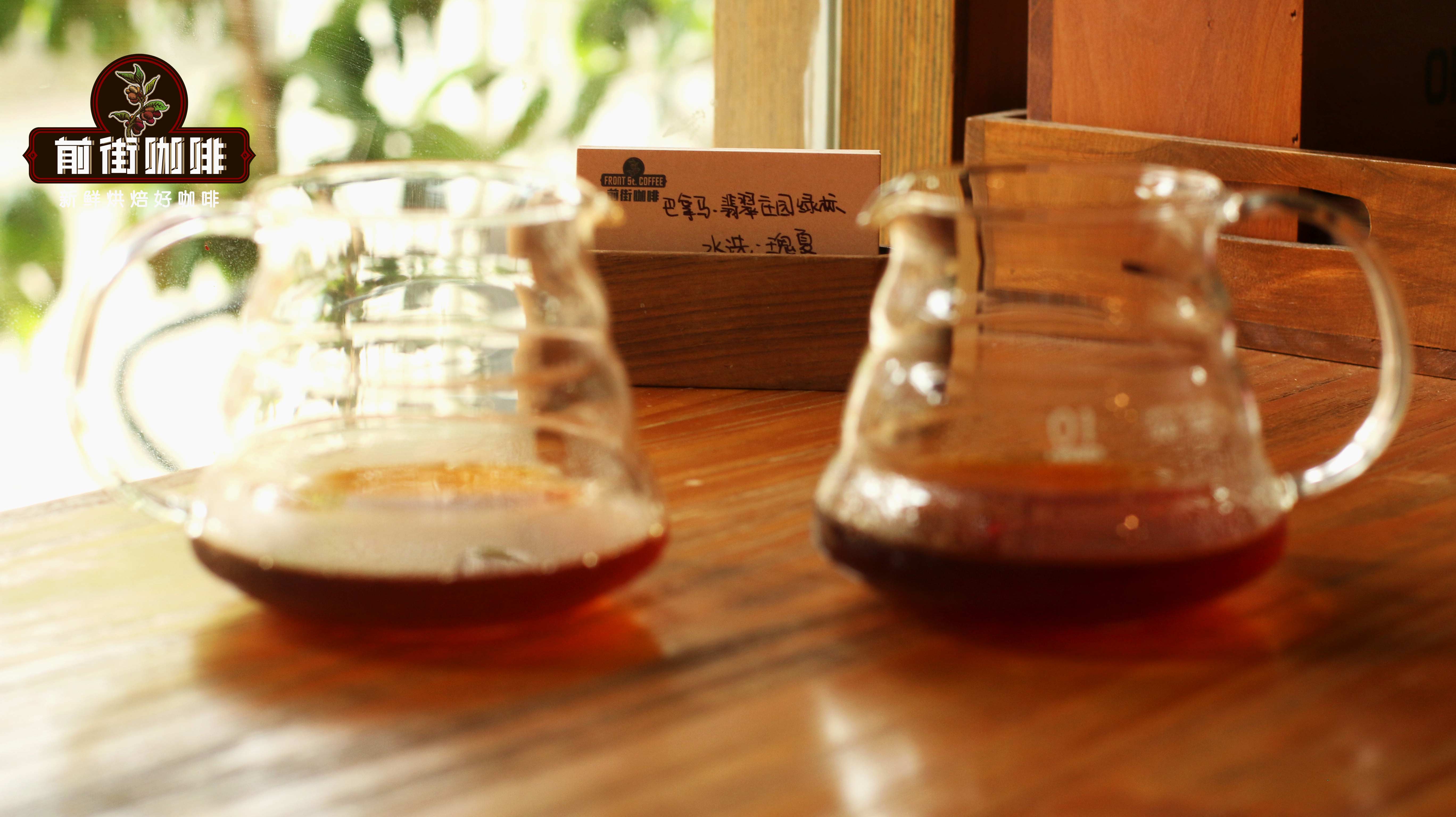
Geisha coffee is widely sought after around the world. In the cup, it often displays intense yet elegant floral aromas, full-bodied fruit acidity woven from citrus and peach, a creamy smooth mouthfeel, and a oolong tea-like sweet finish. Such refined and delicate flavor expression often creates an illusion—as if one is not drinking coffee, but sipping a fragrant cup of fruit tea. Front Street has mentioned in many previous articles that coffee is essentially an agricultural crop, and its flavor is always closely tied to variety, climate, altitude, soil, field management, and other factors—it is the truest reflection of variety and local terroir. Post-processing and roasting should aim to preserve, restore, and present these authentic flavors as much as possible. The reason Geisha can stand out so remarkably is precisely the combined effect of all the aforementioned conditions.
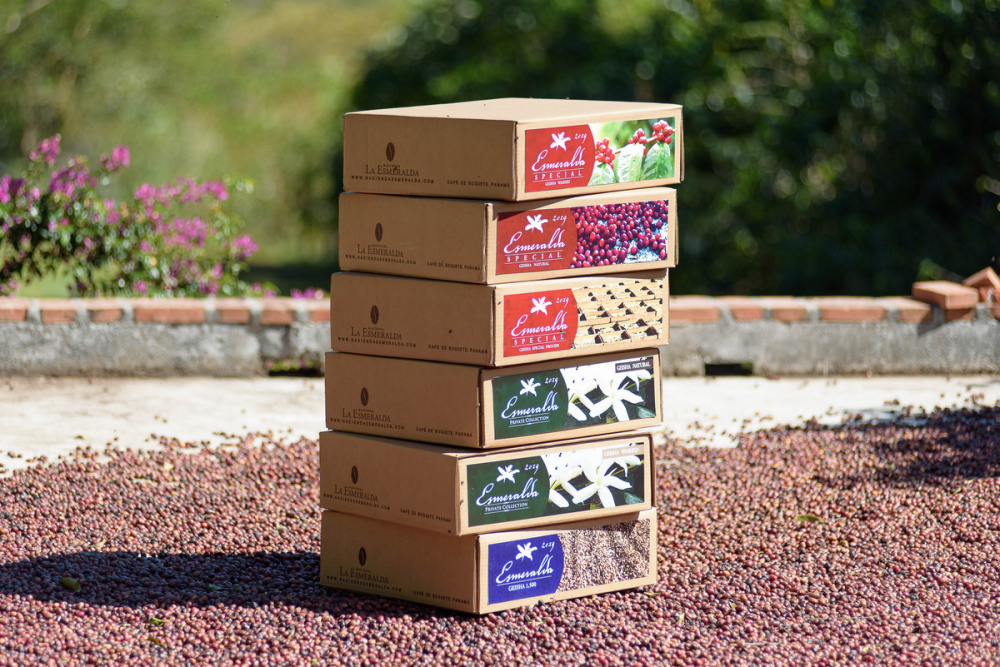
Rare things are precious, and Geisha coffee's production is extremely limited. Panama's total annual coffee output is about 10,000 tons, while the renowned Hacienda La Esmeralda produces only about 150 bags of green beans per year, roughly 9,000 kilograms. If Geisha accounts for just 3% of that, it amounts to only about 270 kilograms. Combined with continuous media promotion and hype surrounding Geisha's flavor, enthusiasts' enthusiasm for it shows no sign of waning, and prices naturally remain high over the long term.
Compared to other Arabica varieties, Geisha not only has low yields but is also an exceptionally fragile plant that is quite particular about its growing environment. It prefers high altitudes and fertile soil, requires cloud cover or shade trees for protection, and cannot tolerate direct sunlight. Geisha's leaf system is very thin, resulting in low photosynthetic efficiency; its root system is equally delicate, absorbing water and nutrients slowly, which naturally leads to low yields. Additionally, in high-altitude environments, the fruit ripening period is later, and a single Geisha tree produces only about half the fruit of a Caturra variety—this is also one of the important reasons for its high price.
Front Street believes that Geisha's current reputation is largely owed to Panama's Hacienda La Esmeralda. Daniel, the third-generation owner of the estate, once said that after years of comparison and testing, he finally confirmed this variety in 2003. That same year, two weeks before the Best of Panama (BOP) competition began, while selecting competition lots from the internal cupping table, he discovered that Geisha exhibited outstanding flavors of jasmine, citrus, peach, blueberry, bergamot, and sugarcane. These flavors were not aligned with the mainstream preferences of the coffee community at the time, but Daniel insisted on entering Geisha in the competition and won first place in one fell swoop.
In 2005, Hacienda La Esmeralda sent Geisha to compete in the Specialty Coffee Association of America (SCAA) evaluation, defeating many star competitors, winning the honor of world-class specialty coffee, and sweeping the world championship in 2006 and 2007, once again attracting the attention of coffee people worldwide. Thereafter, various producing regions rushed to introduce Geisha, and Yunnan, China also joined the ranks of cultivating this popular variety.
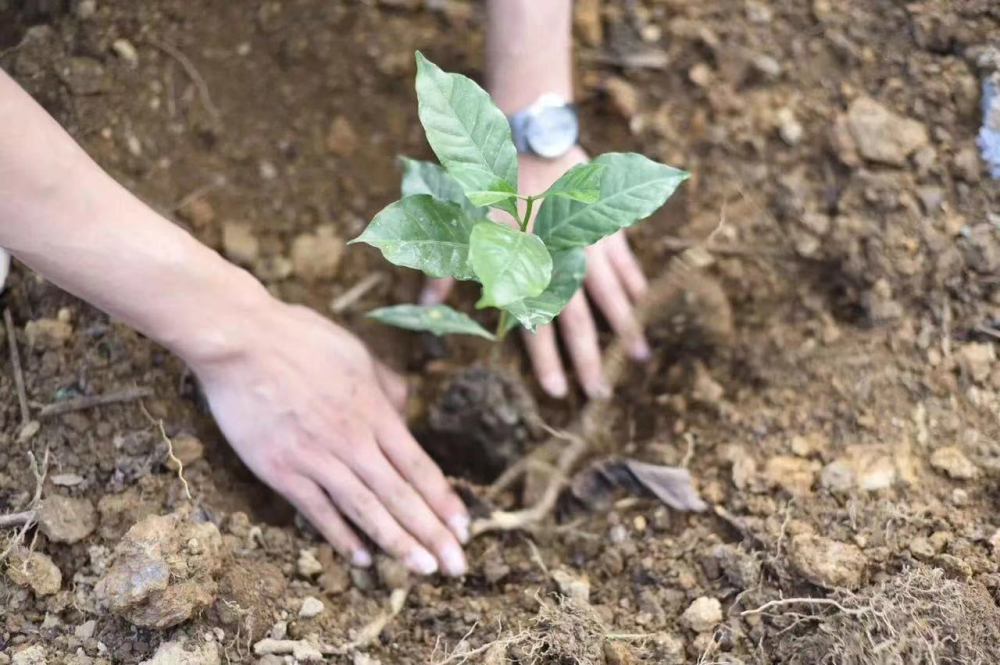
Yunnan's Geisha cultivation history is not particularly long, with the earliest batch of cultivation research beginning around 2012. It is understood that this batch of Yunnan Geisha coffee beans originated from Green Tip Geisha of Panama's Elida Estate. At the time, only about 10 seeds were planted, and the entire research process was conducted with exceptional care and caution.
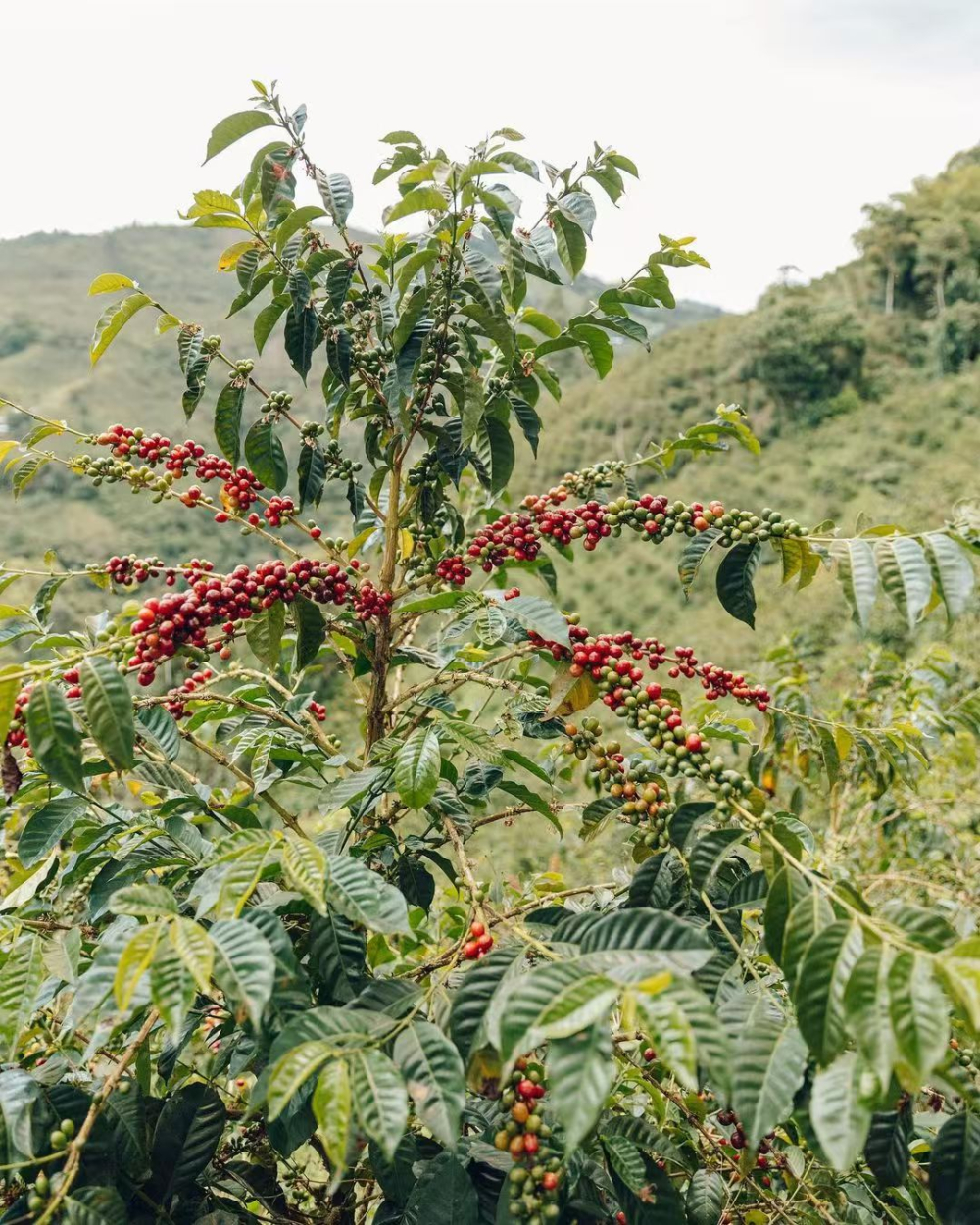
Coffee typically takes 3 to 4 years from cultivation and planting to successfully bearing fruit. It was around 2016, when the plants successfully fruited and the second generation began to be cultivated, that the outside world gradually began to hear about Yunnan Geisha coffee.
Green Tip Geisha is the highest grade among Geisha green beans. The Geisha varieties cultivated in Central and South America may trace their lineage back to the T2722 variety cataloged by CATIE in Costa Rica.
Interestingly, however, each coffee estate's actual situation differs, and cross-pollination may also occur. Moreover, not every estate's Geisha seeds come from CATIE—they may also have been obtained through trades between estates.
The owner of Hacienda La Esmeralda, who brought the Geisha variety to prominence, once pointed out that early botanical descriptions held that the Gesha cultivar had bronze-colored new leaves and weak cupping performance, but strong resistance to fungi. Panama Geisha, on the other hand, has light green leaf buds, excellent cupping flavors, and resistance to leaf rust, but is no match for coffee leaf spot (Ojo de Gallo), which is what Central and South American coffee farmers fear most. As for whether Panama's Geisha is T2722, there is currently no definitive research conclusion.
Later, after Yunnan Geisha gained fame, other Yunnan estates also claimed to have planted Yunnan Geisha coffee beans, with seeds sourced from Panama's Hacienda La Esmeralda.
Regardless of which estate they come from, based on available information, Yunnan Geisha may originate from the Panama region, but its flavor differs noticeably from Panama Geisha.
The reason Panama Geisha tastes so good is partly due to its extremely high growing altitude and complex climatic conditions. For Geisha to survive in that region, it must constantly refine its own genetics, and in doing so, it inadvertently developed its exquisite and captivating flavors. At the same time, Geisha is inherently a delicate variety that requires shade trees to block direct sunlight.
Currently, most coffee cultivation in Yunnan uses full-sun exposure. However, Yunnan's sunlight intensity is not as strong as that of Central and South America, its altitude is not as high, the climate is warm, and the temperature difference between day and night is not significant. Therefore, Geisha grown here can be said to be quite free and tends to mature more easily.
Good coffee flavor depends on the combined effects of varietal genetics, soil, climate, and altitude. Geisha grown at relatively lower altitudes, influenced by terroir and climate, does not taste as refined and complex as that from Panama's producing regions. It tends to present more plum-like acidity, berry-like sweet-tartness, and notes of nuts and brown sugar.
To enhance the body of Yunnan coffee, many farm owners use anaerobic fermentation to process green beans and then dry them. Under suitable sterile fermentation conditions, coffee beans can develop more fermented flavors and improved body, while the natural (sun-dried) method can also make sweetness more pronounced.
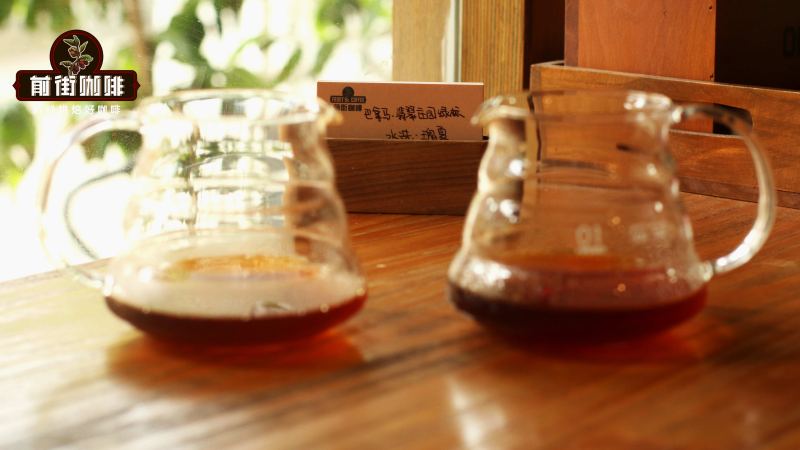
When Front Street cups Geisha grown in Yunnan, the first thing usually perceived is plum-like acidity, the crisp sweetness of red berries, a slight black tea quality, and a nutty finish. The floral aspect is not prominent, and the overall profile tends toward balance, performing in a fairly moderate manner.
The above content is compiled by CoffeeHunters, a coffee news website.


