







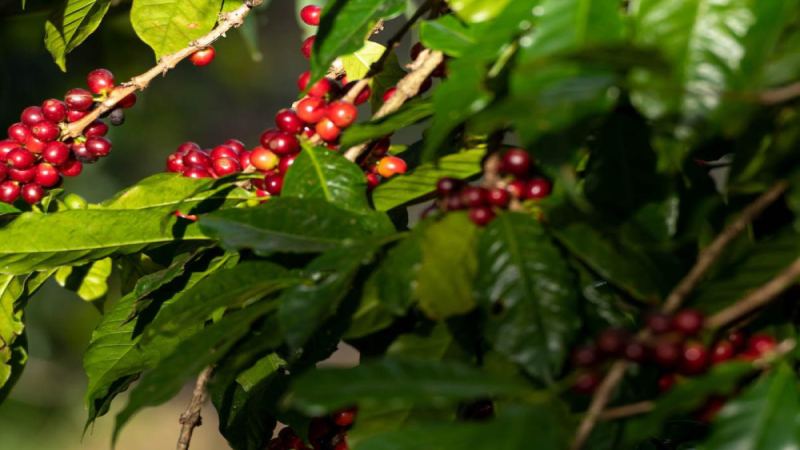
How did Panama Geisha coffee get its name and flavor?
Panama Geisha coffee is an Arabica variety that botanists first found near the Ethiopian village of Geisha in 1931. Seeds later moved through Kenya, Uganda, Tanzania, and Costa Rica before reaching Panama in 1960, where Hacienda La Esmeralda separated the variety and won the national competition. The name Geisha echoes the Japanese word for geisha, so it is also called geisha coffee.
Geisha needs high altitude, cloud cover, fertile soil, and accumulated heat to grow well. In Panama it is grown mainly in the western highlands near Costa Rica and the Pacific, including the Boquete region of Chiriqui Province, plus Volcan and Santa Clara. Average temperatures run 16°C to 25°C with roughly 3,500 millimeters of annual rain, feeding floral, citrus, peach, and oolong tea notes.
Geisha coffee is a variety in the Arabica family that is extremely demanding about growing conditions, preferring high altitudes, misty clouds, fertile soil, and sufficient accumulated heat. This variety was first discovered by botanists near the village of Geisha in Ethiopia, then traveled through Kenya, Uganda, Tanzania, and Costa Rica, and finally took root and flourished in Panama. Because the pronunciation of Geisha is similar to the Japanese word for "geisha," Geisha coffee is also called geisha coffee in Japan and other places. This article will trace the spread of Geisha, introduce Panama's main producing regions and the rise of Hacienda La Esmeralda, and help you understand why Front Street Boquete Geisha coffee is so popular among beginners for its floral aroma, citrus, peach, and oolong tea finish.
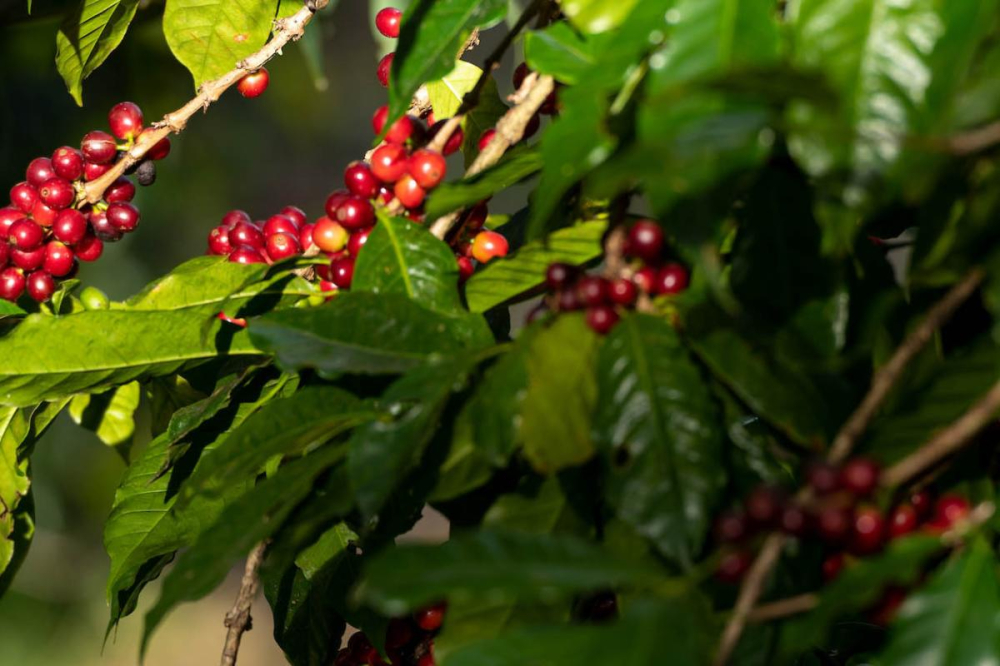
Introduction to Front Street Geisha Coffee Variety
The name Geisha is pronounced the same as the Japanese word for "geisha," so some people also call it geisha coffee. As a member of the Arabica species, Geisha is quite demanding about growing conditions and needs high altitude, cloud cover, fertile soil, and sufficient accumulated heat to grow well.
In 1931, several botanists went to southwestern Ethiopia for an expedition and discovered this bean variety near the village of Geisha, then introduced Geisha seeds into Kenya and cultivated them in a nursery.
In 1936, Geisha seeds were brought to Uganda and Tanzania.
In 1953, the Costa Rican research institution CATIE obtained a batch of Geisha seeds from Tanzania for research work.
In 1960, Pachi Serracin, the former owner of Panama's Hacienda Don Pachi, introduced Geisha from Costa Rica to Panama. Later, Panama's Hacienda La Esmeralda separated Geisha from other varieties and successfully won the national coffee competition championship.
Producing Regions & Estates
[Front Street Panama Hacienda La Esmeralda Geisha]
Geisha truly rose to fame on Panamanian estates. The growing areas for Panama Geisha coffee are mainly concentrated in the western part of the country, the area near Costa Rica and close to the Pacific Ocean. The local average annual temperature ranges from 16°C to 25°C, and the average annual rainfall is about 3,500 millimeters.
The Boquete producing region in Chiriqui Province is the main area for coffee production, and Volcan, Santa Clara, Candela, and other places are also quite famous. Other producing regions include David, Remacimeinto, Bugaba, and Tole. Panama's Hacienda La Esmeralda became famous overnight after participating in the Panama coffee bean cupping competition in 2004, and since then won the Panama coffee cupping competition championship for many consecutive years.
The globally popular Front Street Boquete Geisha coffee comes precisely from Panama's central producing region. In the cup, it shows an intense and elegant floral aroma, citrus, peach, and the full acidity of mixed fruits, with a creamy, smooth mouthfeel and a sweet oolong tea note in the finish. This refined flavor makes people feel as if they are not drinking coffee, but rather sipping a fragrant fruit tea, making it very friendly for beginners just getting into coffee.
The above content is compiled by CoffeeHunters, a coffee news website.


