







What Does Hacienda La Esmeralda Geisha Coffee Taste Like?
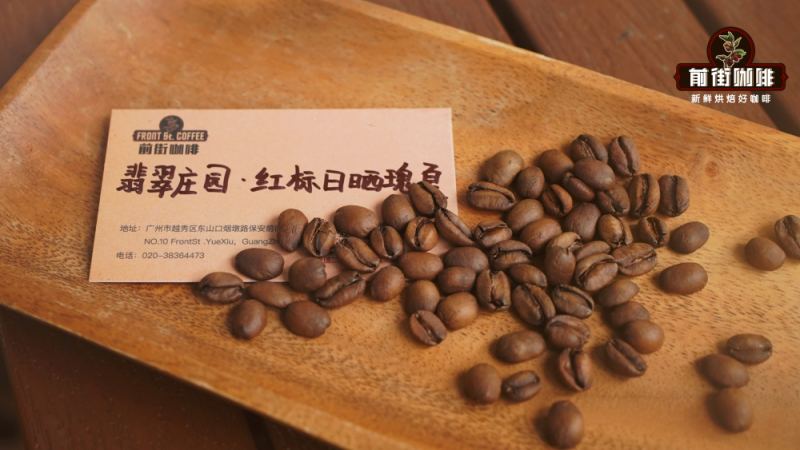
The Panama coffee reviewed here is a Red Label Geisha from Hacienda La Esmeralda, grown at 1,400-1,700 meters in Boquete, graded SHB and washed. Brewed, it shows bright orange-like acidity, strong floral aromatics and a juicy body with layers of red berries, lime and orange, plus a long lingering aroma in the cup bottom.
The estate's land was consolidated in 1940 by the Swede Hans Elliot, then bought in 1967 by banker Rudolph A. Peterson as a retirement venture. It ran beef cattle with scattered coffee patches, shifted to dairy in 1975, and by the mid-1980s the family turned to coffee, drawn by Boquete's long growing heritage. Geisha panama coffee grew from that decision.
On the specialty coffee map of Central America, Panama's Hacienda La Esmeralda is world-famous for its Geisha. In this issue, Front Street Coffee brings you a high-altitude Boquete Red Label Geisha—grown at 1,400–1,700 meters, SHB grade, washed process—which, when brewed, reveals bright orange-like acidity, intense floral aromatics, and a juicy mouthfeel with a long finish. The article also traces the estate's century-long history, from a Swede's land purchase and an American banker's takeover, to its shift from a beef cattle ranch to dairy farming and then into coffee, helping you understand this bean's origins while you sip.
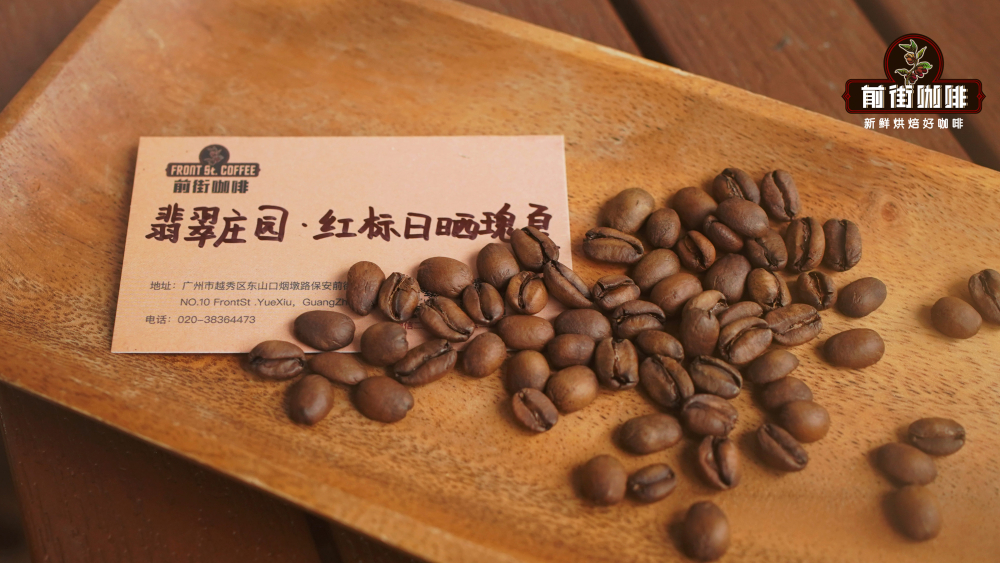
In this issue, Front Street Coffee recommends a highly popular single-origin bean for enthusiasts—Panama Hacienda La Esmeralda Red Label Geisha. This Geisha comes from the high-altitude growing area of Panama's Hacienda La Esmeralda, is a Red Label lot, and is processed by the washed method.
Product profile— Region: Boquete Grade: SHB Process: Washed Altitude: 1,400 to 1,700 meters Variety: Geisha Flavor profile: Bright and vivid on entry, like freshly squeezed orange juice, with rich floral aromas rushing forward and an overall juicy quality; layers of red berries, lime, and orange can be detected; the body is full and solid, sweet and juicy, with the lingering aroma in the cup bottom lasting a long time.
Panama Hacienda La Esmeralda
Let's first talk about the origins of the land that is Hacienda La Esmeralda. In 1940, the Swede Hans Elliot purchased and consolidated this property of several hundred hectares, roughly covering what are now the Palmira and Canas Verdes estates. By 1967, the American banker of Swedish descent Rudolph A. Peterson (1904–2003) acquired the estate as a venture to run after his retirement. At that time, the main business here was beef cattle farming, with only scattered small patches of coffee trees.
In 1975, the Peterson family drove a key transformation—converting the beef cattle ranch to dairy farming. This change was remarkably effective, and the related land still accounts for half of Hacienda La Esmeralda's total area today. Entering the mid-1980s, the family began seeking a new direction for future development, and coffee came into their view; the deep, long-standing coffee-producing heritage of the Boquete area seemed to them to signal a path full of potential opportunities.
The above content is compiled by CoffeeHunters, a coffee news website.


