







Search Results for: Front Street Sunflower Warm Sun
Where Does the Winey Aroma in Espresso Blends Come From? Which Blend Works Best for Milk Coffee? Front Street Sunflower Warm Sun Flavor Analysis
In the world of espresso, the choice of blended beans often determines the final direction of a shot of espresso or milk coffee. Some people prefer blended beans with vinous notes, that faint fermented aroma that adds layers to the coffee; others pay more attention to how the blend performs when combined with milk, hoping the milk coffee still retains clear flavor recognition. A current espresso blend used by Front Street Coffee—Front Street Sunflower Warm Sun Espresso Blend—happens to perform well on both of these dimensions. It is composed of Front Street Honduras rum barrel-fermented Sherry coffee beans and Front Street Yirgacheffe natural Red Cherry Project in a 7:3 ratio. When pulled as espresso, the vinous notes are pronounced, the acidity is moderate, and the finish is long; when made into milk coffee, the rum chocolate flavor stands out, with high sweetness and a smooth mouthfeel. This article will analyze the source of the alcoholic flavor, the blending approach, and the milk coffee performance to help coffee lovers understand the characteristics of this bean more clearly. [more…]
What Exactly Is Single-Origin Coffee? Differences from Espresso and the Truth About SOE
Many people mistakenly believe that single-origin coffee beans mean coffee beans of a single variety, but in fact it refers to coffee from the same origin or the same producing region. And SOE (Single Origin Espresso) is not a more premium choice than a blend. This article will clarify the essential differences between single-origin coffee and espresso from the perspectives of extraction principles, roast level, and output consistency, and explain why Front Street Coffee does not serve SOE in its stores, as well as the recipe approach and usage of Front Street Sunflower Warm Sun espresso blend beans, helping coffee enthusiasts build a more accurate understanding. [more…]
Can Espresso Blend Beans Be Used for Pour-Over? From SOE and Blending Concepts to a Detailed Guide on Front Street Coffee's Warm Sun Brewing Parameters
Coffee has long become part of daily life, with espresso and pour-over each having their own followers. Many who have tried Front Street Coffee's latte or Americano are curious: where does that rich boozy aroma come from, and is it made with a Sherry SOE? In fact, the espresso served at Front Street locations uses the Sunflower Warm Sun blend rather than a single-origin bean. This article begins with how single-origin beans and SOEs magnify flavors, explains why espresso favors blends, and further answers a common question: can espresso blend beans be used for pour-over? The answer is of course they can. The article also provides Front Street's suggested pour-over parameters for the Sunflower Warm Sun blend, along with key points on resting and blooming, to help you capture this medium-dark roast blend's vanilla cream and berry dark chocolate notes. [more…]
Espresso Blend Recommendations | What Are the Benefits of Blended Coffee? How to Determine the Espresso Brewing Ratio of Coffee Grounds to Water?
Espresso has a thicker texture and richer crema than drip coffee, and making high-quality espresso is inseparable from good espresso beans. Generally speaking, espresso beans are made by blending coffee from several origins to achieve a balanced flavor. Front Street Coffee (FrontStr [more…]
Can espresso blend beans be used for pour-over? Analysis of dark roast coffee flavor characteristics and Front Street Warm Sun blend
Many coffee enthusiasts encounter a question when selecting beans: Are coffee beans labeled as espresso blends and dark roast actually suitable for pour-over? To answer this question, we need to start with the classification of coffee roast levels. What exactly do terms like French roast, Italian roast, and City roast represent? What flavor characteristics correspond to different roast levels? From the perspective of Front Street Coffee, this article systematically sorts out the Agtron color values and drop timing for each roasting stage, and shares the development ideas, roasting curves, and espresso extraction plans for Front Street Sunflower Warm Sun Blend, helping you understand the differences in performance of dark-roasted beans in both pour-over and espresso scenarios. [more…]
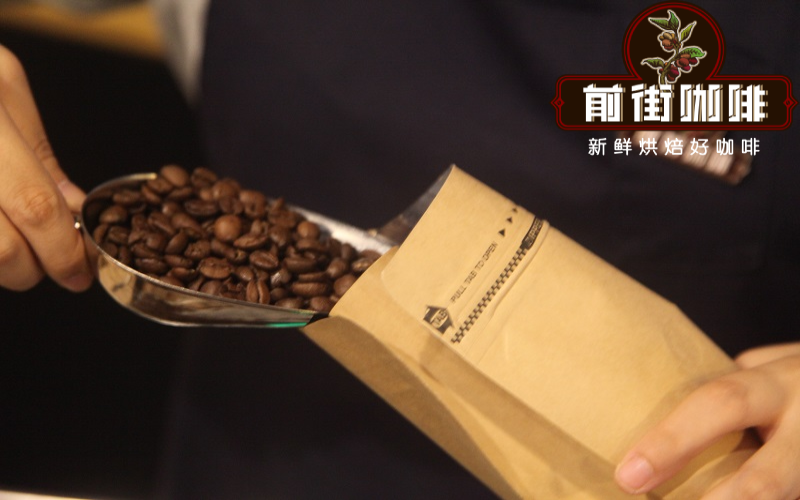
A Complete Guide to Espresso Blend Beans: Recipe Approaches, Freshness Assessment, and Four Front Street Coffee Blend Recommendations
To make a well-balanced espresso, choosing the right blend and judging freshness are both essential. Drawing on Front Street Coffee's practical experience, this article first explains how to tell whether coffee beans are fresh by their roast date, one-way degassing valve, and smell, then explains the concept of blended beans, the difference between pre-roast blending and post-roast blending, and the two main goals of blending: consistent flavor and balanced taste. It then introduces, one by one, Front Street's four espresso blends currently on sale—Sunflower Warm Sun, Specialty Blend, Commercial Blend, and Dark Cocoa Blend—covering their ratios, blending methods, flavor characteristics, and suitable scenarios, and finally uses Sunflower Warm Sun as an example to demonstrate the flavor performance of espresso extraction. [more…]
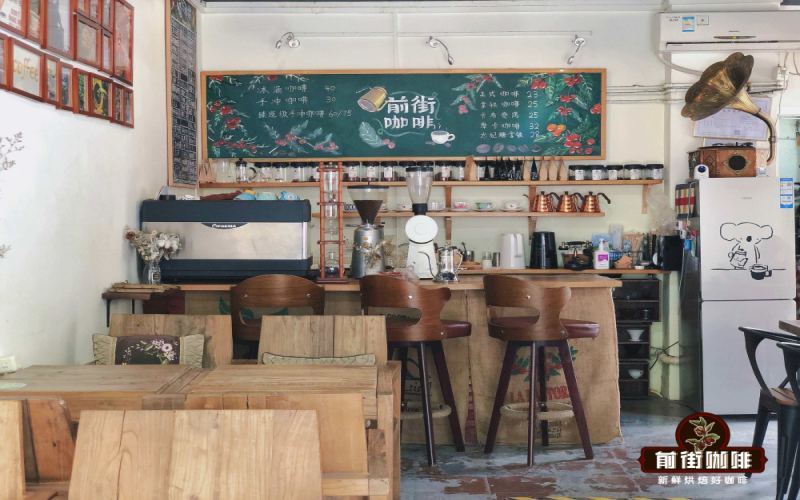
Why can latte coffee layer? From density principles to production details, analyzing the science of a beautifully layered latte.
Latte is the starting point for many people's journey into freshly ground coffee, but do you know why a latte can present such a beautiful layering? This article begins with the historical origins of the latte and, combined with Front Street Coffee's production experience, analyzes how the density difference between espresso and milk creates the layered effect. We will also take an in-depth look at the flavor characteristics, extraction parameters, and milk frothing techniques of Front Street Sunflower Warm Sun blend beans, and compare the layering principle and drinking method of Dirty coffee. Whether you want to understand the science of lattes or want to recreate a cup of layered milk coffee at home, this article can provide you with practical reference. [more…]
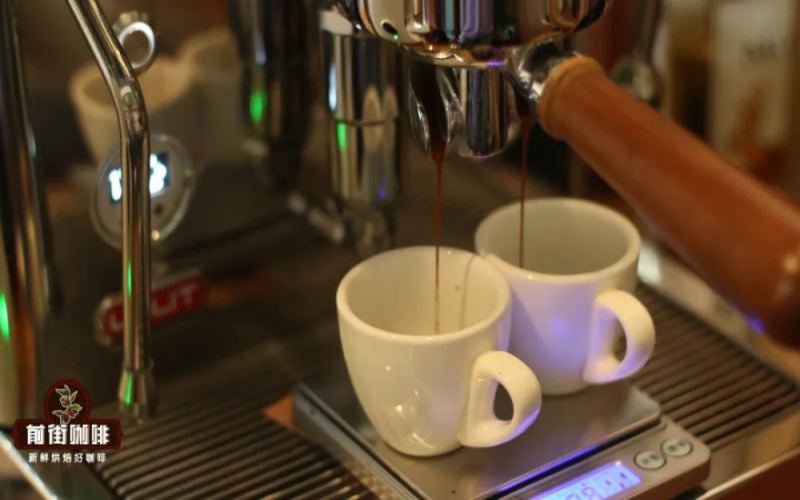
How should the portafilter temperature be controlled when extracting espresso? A hands-on test of the flavor differences among three states: room temperature, preheated, and high temperature.
When extracting espresso, should the portafilter be left at room temperature or locked onto the group head to keep it warm? Different baristas have different opinions on this. Some worry that the high temperature of the group head will overheat the filter basket and accelerate the loss of coffee grounds' aroma; others believe that keeping it warm is the only way to maintain a consistent portafilter temperature. Front Street Coffee specially designed three sets of controlled experiments for this purpose, using a room-temperature portafilter, a preheated portafilter, and a long-time high-temperature portafilter to extract the same "Sunflower Warm Sun Blend Coffee Beans," comparing aroma, acidity, sweetness, and aftertaste one by one to see exactly what kind of taste changes temperature differences bring, and which method is more worth recommending in daily operation. [more…]
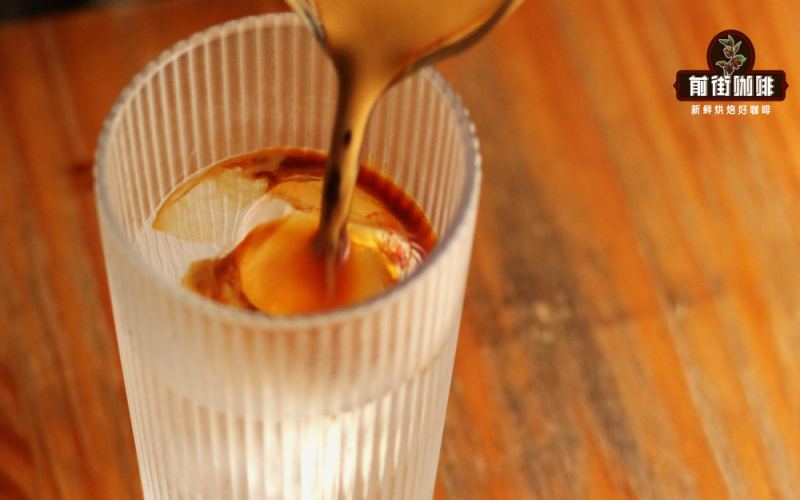
The Complete Guide to Making Iced Americano: Espresso Ratios, Flavor Changes, and the Feasibility of Instant Coffee
Iced Americano is one of the most common drinks on café menus, yet the methods and flavors vary noticeably from shop to shop. This article focuses on making an iced Americano, starting with the origins of Americano coffee, explaining in detail how the ratio of espresso to water affects strength and mouthfeel, and, drawing on hands-on testing at Front Street Coffee, analyzing what kinds of coffee beans suit the three ratios of 1:4.5, 1:6, and 1:8. The article also shares special ideas about adding water and ice to an iced Americano, as well as the flavor performance of Front Street Sunflower Warm Sun espresso blend coffee beans, helping coffee lovers understand how to make a delicious iced Americano. [more…]
How Is Australian White Coffee Different from Flat White? A Detailed Explanation of Flat White's Milliliters, Preparation, and Differences from Latte and Cappuccino
When visiting a café and ordering a milk coffee, most people first think of a latte or cappuccino, but at Luckin Coffee and Starbucks, you'll also see names like "Furui White" and "Aorui White." They all actually refer to Australian-style white coffee, namely Flat White. This article sorts out the controversy over the origin of flat white, its differences from latte and cappuccino in cup size, milk volume, and milk foam thickness, and provides Front Street Coffee's flat white preparation method, including the extraction parameters for a double espresso, key points for steaming milk, and latte art techniques. It also introduces the flavor sources and suitable scenarios for Front Street Coffee's Sunflower Warm Sun blend coffee beans. [more…]
How Is an Americano Different from an Espresso? A Comparison of Iced and Hot Americano Taste and Calorie Differences
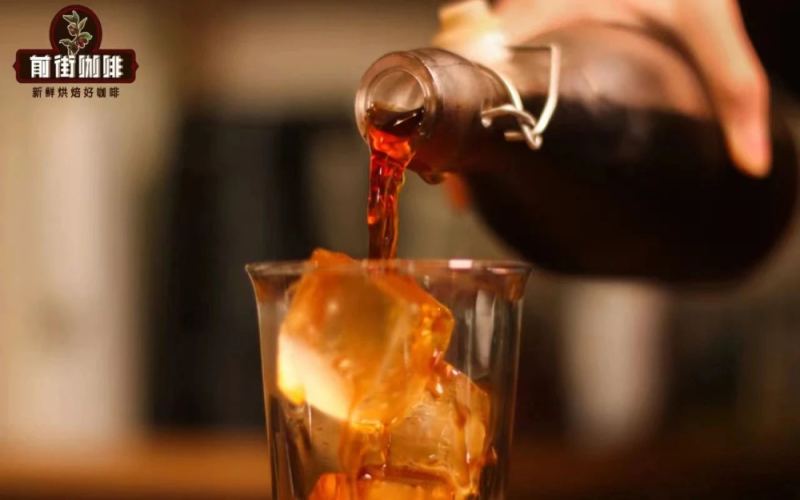
As temperatures climb, iced coffee becomes one of the most popular categories at Front Street Coffee stores. Recently, reports have pointed out that the calories in two creamers are about 56 kcal, equivalent to a small slice of thin toast. So how many calories do you actually take in with one cup of coffee? According to data published on the official website of a well-known chain brewed coffee brand, a medium Americano has about 11 kcal, and after adding 28 kcal of creamer, the total is 39 kcal; while a medium latte of the same size reaches 176 kcal, more than 4.5 times that of an Americano with creamer. In other words, the calories in one latte a day are more than drinking four Americanos with creamer in a row. This article will explain the differences between Americano and espresso, the specific method for making iced Americano, and the flavor presented by Front Street Coffee's Sunflower Warm Sun blend. [more…]
The Purpose of Blending Coffee Beans | What Are the Characteristics of SOE Coffee? Which Is Better: SOE Single-Origin Beans or Espresso Blends, and What's the Difference?
Many friends have asked the baristas at Front Street Coffee what SOE coffee is, and why so many specialty coffee shops now offer SOE coffee, yet Front Street Coffee (FrontStreet Coffee) has not put SOE coffee on its menu. Front Street Coffee (FrontStreet C [more…]
SOE Espresso Flavor Analysis: Single-Origin vs. Espresso Blend Differences and Selection Advice
SOE (Single Origin Espresso) refers to espresso made from a single-origin coffee, and in recent years it has attracted considerable attention in the specialty coffee world. Many coffee enthusiasts are curious: what exactly is the difference between SOE and espresso blends? Which is better suited for daily service? Starting from Front Street Coffee's practice, this article systematically sorts out the flavor characteristics of SOE, the key points of extraction, and the advantages of blends in terms of stability and flavor construction. At the same time, by combining two products—Front Street Brazil Queen's Estate Yellow Bourbon SOE and Front Street Sunflower Warm Sun Espresso Blend—it explains extraction parameters and blending logic in detail, helping readers understand the scenarios and selection approaches for which each type of coffee bean is suited. [more…]
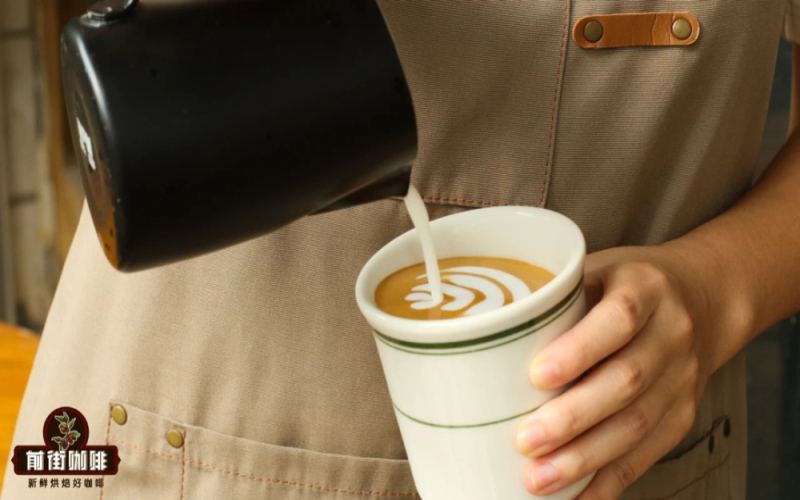
The Correct Way to Mix Coffee with Milk: A Guide to Ratios, Suitable Coffee Types, and the Difference Between Fresh Milk and Pure Milk
The pairing of coffee and milk may seem simple, but it actually places strict demands on the coffee's own strength and flavor profile. Starting from the golden ratio of coffee to milk, this article explains why deep-roasted coffee with a bitter-leaning character is better suited to combining with milk than acidic coffee, and uses espresso and latte as examples to introduce the 1:6.5 blending scheme of Front Street Coffee Sunflower Warm Sun Blend and Vitasoy Fresh Milk. It also discusses whether pour-over coffee can have milk added, which types of pour-over are suitable for adding milk and the recommended amounts, and finally sorts out the five differences between fresh milk and pure milk in terms of shelf life, storage method, sterilization process, nutritional value and taste, helping coffee lovers find a cup that is smooth yet still retains coffee flavor. [more…]

Espresso Blend Philosophy | Why Blend Coffee Beans? How Different Are Espresso Blends from Single-Origin Beans in Flavor?
Coffee lovers who frequently visit Front Street Coffee (FrontStreet Coffee) know that Front Street Coffee (FrontStreet Coffee) not only offers pour-over coffee but also espresso-based drinks, such as mocha, cappuccino, latte, and more, which are often available. [more…]
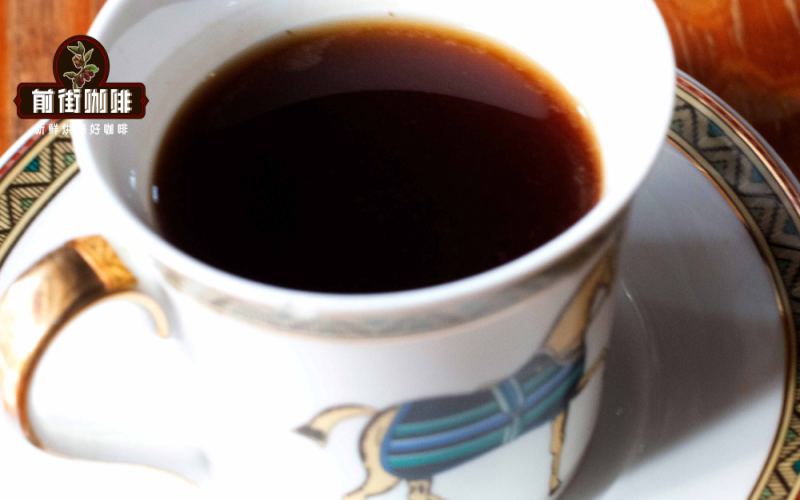
The Origins of Americano and Espresso: A Complete Guide from Definition and Extraction to Hot and Iced Brewing Methods
Americano may seem simple, yet it has a history dating back to World War II, along with a complete technical system ranging from espresso extraction to water dilution ratios. This article begins with the definition and origin of Americano, sorts out the differences between the drip method and the espresso-plus-water method, and then uses Front Street Coffee's Sunflower Warm Sun blend as an example to break down in detail the grinding, tamping, and extraction parameters for espresso, as well as the comparative conclusions between 1:8 and 1:6 water dilution ratios for Americano. The article also introduces the tasting steps and flavoring suggestions for Americano, and compares the differences between hot Americano and iced Americano in aroma and refreshing quality, helping coffee enthusiasts fully understand this most ordinary yet most skill-testing black coffee. [more…]
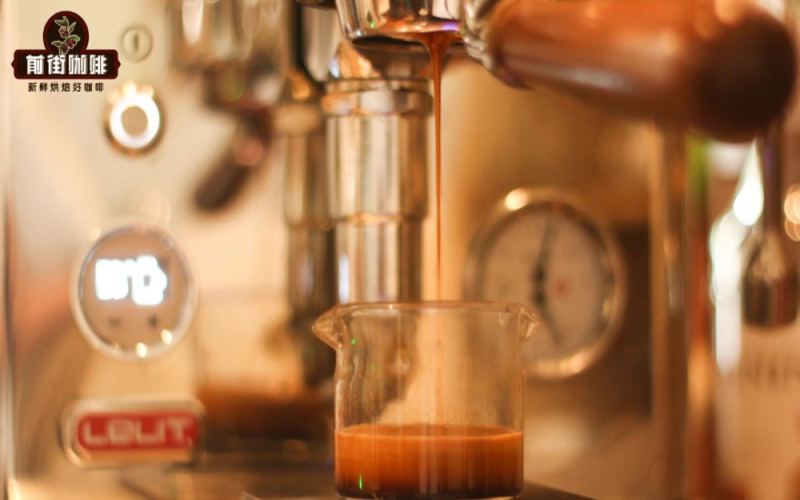
A Complete Guide to Espresso Tamping Techniques: Key Points on Pressure, Angle, and Extraction Evenness
Making an ideal espresso is something where the step of tamping is often overlooked by beginners, yet it directly affects whether the extraction is even. This article starts from Front Street Coffee's hands-on comparison, first using two sets of experiments—one with tamping and one without—to intuitively show the impact of tamping on flow rate and flavor, then explains the respective roles of distribution and tamping, focusing on breaking down the coordination of force, angle, and stance during tamping, and provides two practical solutions to the problem of uneven tamping. At the end, it includes the espresso extraction parameters of Front Street Coffee's store, as well as an introduction to the flavor and recipe of Front Street Sunflower Warm Sun espresso blend coffee beans, for coffee enthusiasts to reference and practice. [more…]
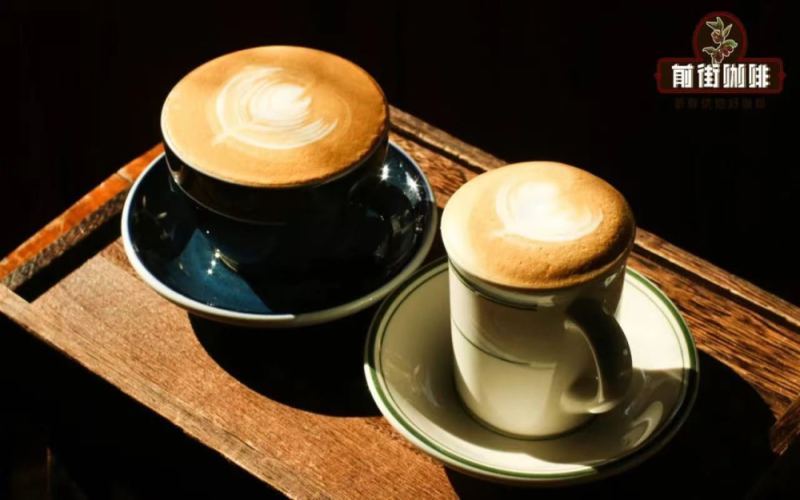
The Art of Tasting Espresso: Extraction Parameters, Tasting Methods, and Flavor Analysis
Espresso may seem simple, but in reality it conceals a great deal of knowledge. From extraction pressure, water temperature, and dose to extraction yield, every variable affects the final flavor expression. Many first-timers are puzzled by the glass of ice water a barista serves alongside it—what exactly is this water for? Starting from Front Street Coffee's production practices, this article systematically sorts out the golden rules for espresso extraction, analyzes how grind size, extraction pressure, dose, and extraction yield affect flavor, introduces in detail the recipe and flavor characteristics of Front Street Coffee's Sunflower Warm Sun blend coffee beans, and finally shares the proper way to drink espresso, helping coffee lovers truly understand this cup of rich, mellow coffee. [more…]
How to Make a Delicious Iced Americano: A Complete Guide from Espresso Ratios to Water-to-Ice Proportions
Americano is practically a standard offering at every coffee shop, but the flavor varies greatly from one shop to another. Some people find Americano too bitter, while others find it too weak—the key actually lies in the ratio of espresso to water. Front Street Coffee is often asked how to make iced Americano, so this time we're sharing the complete approach. The article first reviews the origins of Americano, then uses actual testing to compare the concentration and flavor performance at three dilution ratios—1:4.5, 1:6, and 1:8—to explain which ratio suits espresso beans of different roast levels. Next, it explains the difference between iced and hot Americano: melting ice will dilute the coffee, so you need to reduce the water amount and use large, hard ice cubes. Finally, it provides the specific brewing parameters for Front Street Coffee's Sunflower Warm Sun espresso blend, along with classic espresso blend recommendations suitable for Americano and latte. [more…]
Florena Coffee Class: An Italian-Style Bean Selection Guide and Espresso Flavor Stories
To understand how to choose espresso beans, you first need to grasp the relationship between espresso, blends, and SOE. This article begins with the romantic naming of Starbucks Verona, then sorts out the respective pros and cons of single-origin espresso and blended beans, explains the difficulties SOE presents in bean selection and roasting, and why blended beans can deliver greater consistency. The article also draws on Front Street Coffee's own Sunflower Warm Sun blend to provide extraction parameters and flavor performance for iced lattes, helping coffee lovers find an espresso solution that suits them in their daily brewing. [more…]