







How should espresso coffee beans be chosen and judged for freshness?
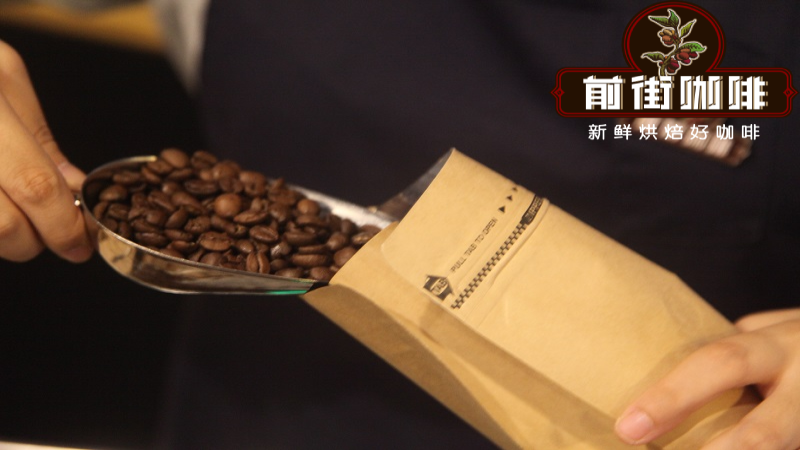
Freshness comes first when choosing espresso coffee beans, ahead of flavor, body, and the balance of acidity and bitterness. Check that the roaster prints a roast date rather than a shelf life, then press the one-way degassing valve and smell the gas: a rich coffee aroma signals fresh beans, while a weak or rancid oily odor means the bag has deteriorated.
Blended coffee beans combine several origins for stable flavor and balanced taste, either blended before roasting or after. Front Street Coffee sells four espresso blends: Sunflower Warm Sun, Specialty Blend, Commercial Blend, and Black Cocoa Blend, each with its own ratio and intended use.
To make a well-balanced espresso, choosing the right blend and judging its freshness are both essential. Drawing on Front Street Coffee's practical experience, this article first explains how to tell whether coffee beans are fresh by looking at the roast date, the one-way degassing valve, and the smell, then explains the concept of blended beans, the difference between pre-roast blending and post-roast blending, and the two main goals of blending: stable flavor and balanced taste. It then introduces, one by one, the four espresso blends currently sold by Front Street—Sunflower Warm Sun, Specialty Blend, Commercial Blend, and Black Cocoa Blend—covering their ratios, blending methods, flavor characteristics, and suitable uses, and finally uses Sunflower Warm Sun as an example to demonstrate the flavor performance of espresso extraction.
To learn more about specialty coffee, welcome to follow our WeChat public account: Front Street Coffee (FrontStreet Coffee).
When selecting espresso coffee beans, the first thing Front Street Coffee (FrontStreet Coffee) values most is the freshness of the beans, and only after that does it consider flavor performance, body, and the balance between acidity and bitterness. At present, the espresso used in Front Street Coffee (FrontStreet Coffee) stores is its own roasted Front Street Sunflower Warm Sun espresso blend, aimed at making the coffee's taste richer and more harmonious. So what exactly are blended coffee beans? Below we will talk about the four espresso blends currently sold by Front Street and see how they differ.
Before buying any espresso blend, how should we judge the freshness of the beans?
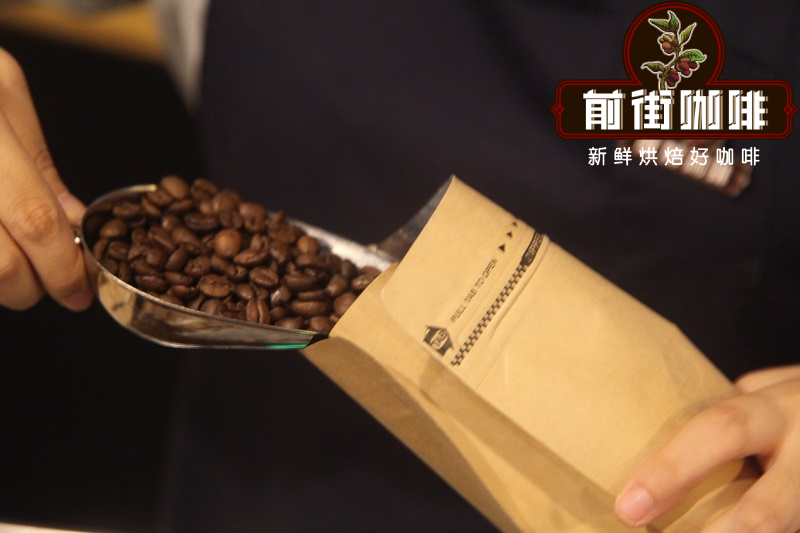
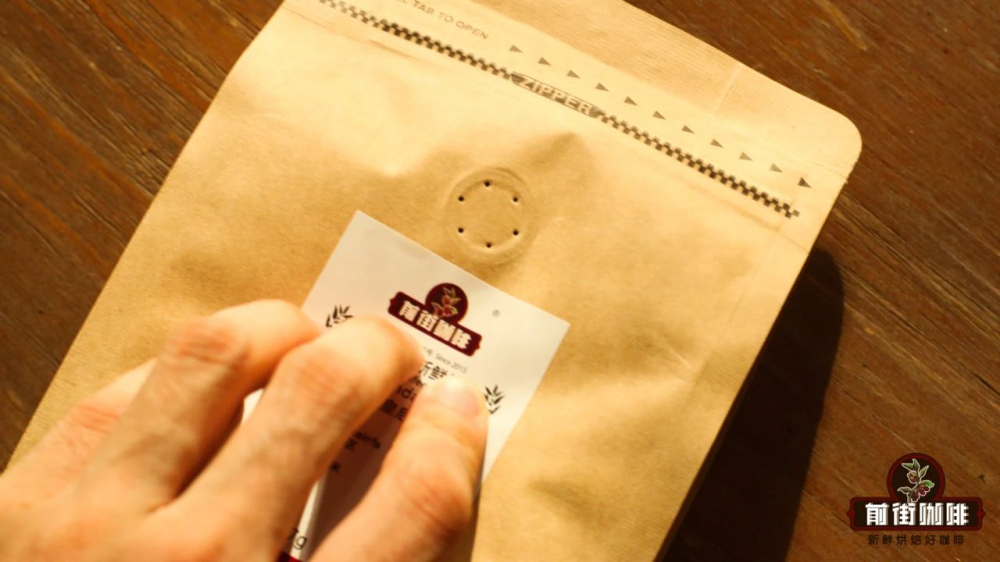
First, choose professional roasters that clearly mark the roast date (rather than a use-by date or shelf life), have a good brand reputation, and focus on fresh roasting. In addition, coffee bags of acceptable quality generally come with a "one-way degassing valve" (the small button-like hole at the top of the coffee bag), used to let the coffee beans release the carbon dioxide they naturally produce.
Put the one-way degassing valve close to your nose, gently press the coffee bag, and smell the gas that comes out: if it gives off a rich, alluring coffee aroma, then the freshness is fine; conversely, if the smell is weak or even has a rancid oily odor, then this bag of beans has long deteriorated and lost its flavor, and is not recommended for purchase. Every bag of coffee beans sold by Front Street Coffee (FrontStreet Coffee) uses one-way valve packaging to ensure it reaches enthusiasts in the freshest possible state. The reason Front Street emphasizes fresh roasting so much is that, as time passes, once more than 50 days have passed since roasting, the aroma has basically dissipated completely. Of course, some people also ask: is fresher always better? Actually, no; in the first two days right after roasting, the aroma is not yet stable enough.
For espresso coffee beans, because they use a medium-dark roast, the beans retain a large amount of carbon dioxide inside after roasting is complete. Front Street recommends keeping the original packaging unopened and placing it in a cool, moisture-proof place to let the beans rest and degas (that is, the process of releasing carbon dioxide), and to start brewing from the 7th day counting from the roast date.
What are blended coffee beans?
Blended coffee, also called mixed coffee or espresso beans, is made by combining several single-origin coffee beans so that the strengths of each single-origin bean can be fully brought out. A blend is composed of coffee beans from different origins, with the aim of achieving a more balanced taste. For example, if one bean is smooth in texture but lacks aroma, another bean with abundant aroma can be added, allowing the advantages of each coffee bean to complement one another, whether by balancing or intensifying the flavor, thereby creating a richer new taste. Sometimes the green beans are mixed first and then roasted, which is called pre-roast blending; sometimes they are roasted separately first and then mixed, which is called post-roast blending.
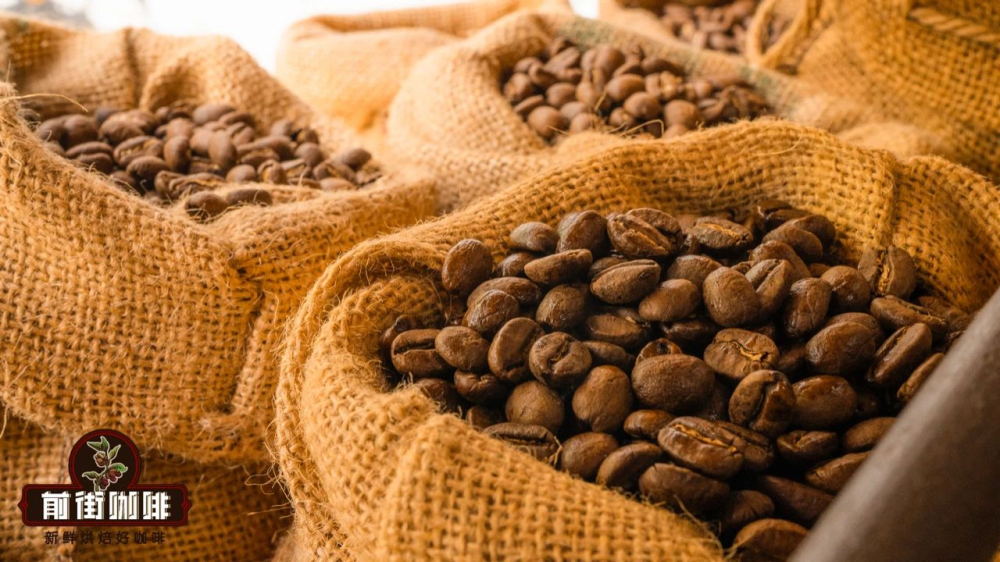
Whether mixing green beans in advance or roasting separately and then blending, it depends on the characteristics of the coffee beans in the recipe; both methods are feasible. Post-roast blending allows each bean to have a different degree of roast, bringing out the best in each component.
Front Street Coffee (FrontStreet Coffee) would like to remind you of one point: before blending beans, you must first understand the flavors of coffee varieties around the world, and that beans from different origins each have their own characteristics. This requires the roaster to have a relatively clear grasp of the characteristics of coffee beans from multiple producing regions in order to adjust the roasting curve accordingly. Different coffee beans have different personalities due to differences in variety and origin, with subtle differences in flavors such as acidity, bitterness, sweetness, aroma, and body, while single-origin coffee beans tend to focus more on showcasing the unique characteristics of a certain type of coffee.
Mixing different coffee beans is mainly done for the following purposes: 1. Flavor stability Coffee beans are an agricultural product. Even for the same bean, the flavor varies from year to year. Mixing several coffee beans together can solve this problem well, keeping the taste basically consistent every year.
2. Balanced taste Espresso machines have a characteristic: they amplify the most prominent flavor of the coffee beans. That is why we almost never use a single variety of coffee to make Espresso; otherwise, if that bean is on the bitter side, the Espresso made will be extremely bitter, and if it is on the acidic side, it will be very sour. Therefore, blending is needed to balance the various flavors.
Front Street currently has four espresso blends, which can meet the needs of coffee professionals and enthusiasts with different requirements. 1. [Front Street Sunflower Warm Sun Espresso Beans] Front Street Honduras Sherry : Front Street Yirgacheffe Natural Red Cherry, ratio 7:3, post-roast blend; Flavor characteristics: noticeable fruit acidity, a faint berry aroma lingering, rich winey and chocolate flavors, and a comfortable sweet aftertaste.
The Front Street Honduras Sherry coffee beans bring this coffee a rich whiskey aroma and a finish like whiskey-filled chocolate, with a full aroma. The Front Street Natural Red Cherry brings this coffee a fermented quality and berry aroma, going down smoothly. Because it comes in a half-pound package, this Front Street Warm Sun blend is suitable for coffee shops or espresso enthusiasts seeking a unique espresso flavor and higher bean quality but with relatively low usage.
2. [Front Street Specialty Blend] Colombia and Brazil at a 3:7 ratio, post-roast blend; Flavor characteristics: comfortable sweet-bitterness, extremely smooth on entry, with a faint grassy aroma, slightly bitter within the fresh fragrance, sweet and smooth, with a pleasant aftertaste.
Coffee beans from Colombia's Huila region have a pleasant acidity, a mellow aroma, moderate acidity, and rich sweetness that is very thought-provoking; coffee beans from Brazil's Cerrado region have a comfortable sweet-bitterness and are extremely smooth on entry. This Specialty Blend is suitable for all kinds of specialty coffee shops, meeting their daily output needs.
3. [Front Street Coffee (FrontStreet Coffee) Commercial Blend] Colombia : Brazil : Robusta, ratio 3:6:1, pre-roast blend; Flavor characteristics: classic taste, with caramel sweetness, nutty, cocoa-like, and dark chocolate flavors, balanced acidity and sweetness, slightly sweet-bitter, with a long finish.
Coffee beans from Colombia's Huila region have a pleasant acidity, a mellow aroma, moderate acidity, and rich sweetness that is very thought-provoking; coffee beans from Brazil's Cerrado region have a comfortable sweet-bitterness and are extremely smooth on entry; Robusta provides abundant crema. This Commercial Blend is suitable for coffee shops and beverage shops of various sizes, meeting daily business needs.
4. [The espresso moka pot coffee beans recommended by many baristas at Front Street Coffee (FrontStreet Coffee) - Front Street Black Cocoa Blend] Yunnan AA : Brazil; ratio 3:7, post-roast blend; Flavor characteristics: with soft fruit acidity, caramel sweetness, nutty and dark chocolate flavors, smooth and viscous, but relatively light in taste.
Yunnan's natural conditions are very similar to Colombia's: high altitude and a large temperature difference between day and night. Its flavor is of the mellow-aroma type, with moderate acidity, a rich and full-bodied taste, uniform beans, high oil content, and fruity notes, with quality and mouthfeel close to Colombian coffee. Coffee beans from Brazil's Cerrado region have a comfortable sweet-bitterness and are extremely smooth on entry. This espresso moka pot coffee bean recommended by many baristas - Front Street Black Cocoa Blend - is suitable for small coffee shops, bakeries, or beverage shops. In addition, this cost-effective Front Street basic espresso blend is also very suitable for business-opening users and home users who prioritize cost and have average flavor requirements.
Next, with the Sunflower Warm Sun espresso blend currently used in Front Street Coffee (FrontStreet Coffee) stores as the protagonist, we will demonstrate how to extract a delicious espresso base.
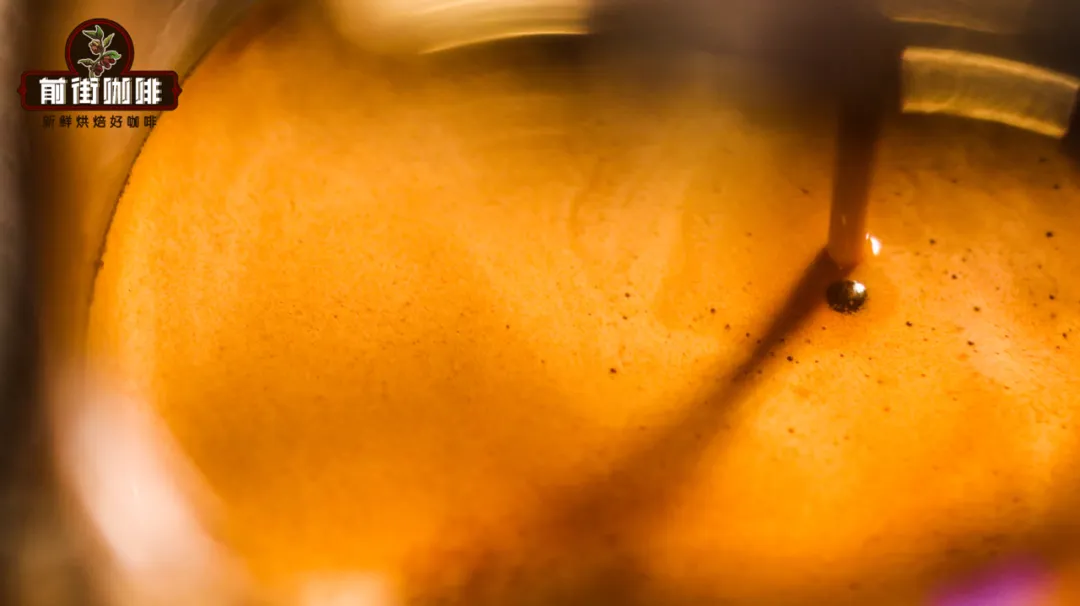
Extracted espresso flavor: smooth mouthfeel, medium body, noticeable fruit acidity on entry, accompanied by a faint berry aroma, whiskey aroma, and rich chocolate flavor, with a clear sweet aftertaste.
The above content is compiled by CoffeeHunters, a coffee news website.


