







What is an espresso and how do blends differ from SOE beans?
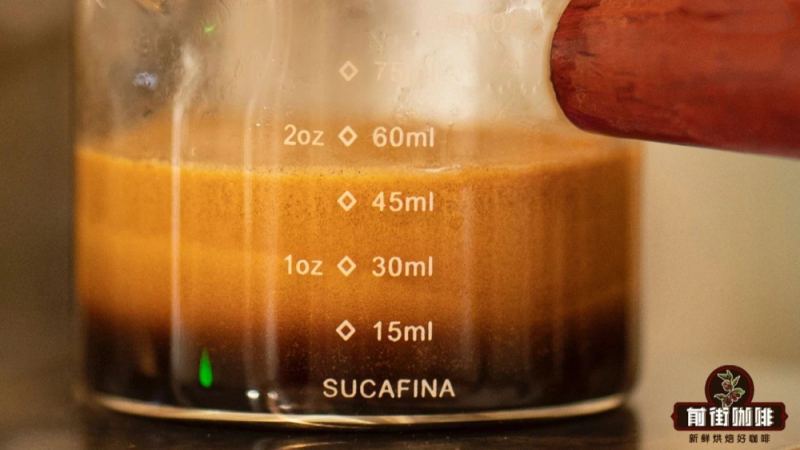
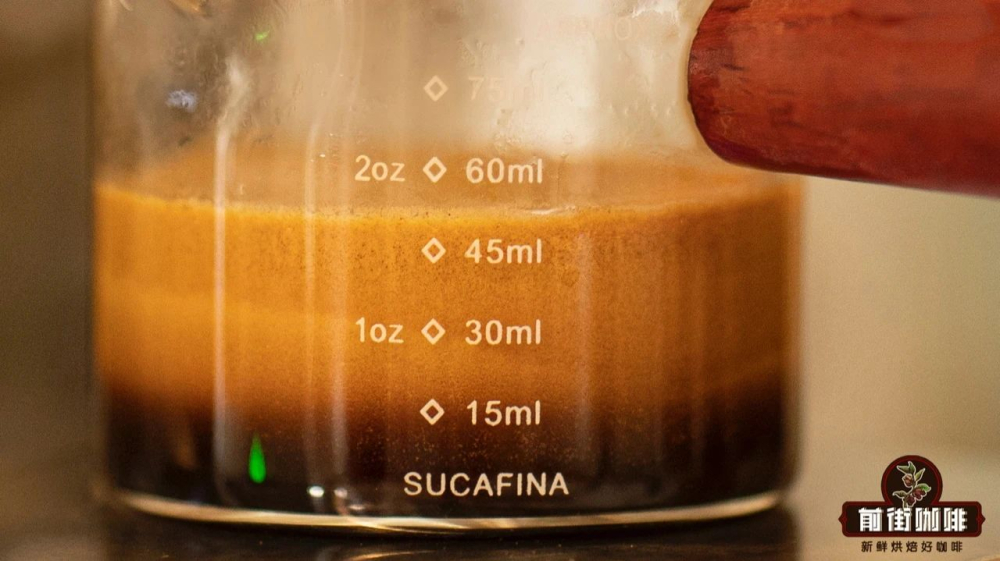
An espresso is a concentrated coffee made by forcing water at roughly 94°C through finely ground coffee at about 9 bar of pressure. A well-extracted shot shows a reddish-brown layer of crema on top, formed from plant oils, proteins and sugars. The thicker mouthfeel comes from more dissolved solids per unit of volume than drip coffee.
Bean choice shapes the cup: single-origin espresso, or soe beans, highlights one origin but varies between harvests, while blend coffee combines origins for greater stability, as in Starbucks Verona, which mixes Latin American and Indonesian beans. A blend such as Front Street Coffee's Sunflower Warm Sun also gives set parameters for iced lattes.
To understand how to choose espresso beans, you first need to grasp the relationship between espresso, blends, and SOE. This article begins with the romantic naming of Starbucks Verona, then sorts out the respective pros and cons of single-origin espresso and blended beans, explains the difficulties SOE presents in bean selection and roasting, and why blends can deliver greater stability. It also draws on Front Street Coffee's own Sunflower Warm Sun blend to give extraction parameters and flavor performance for iced lattes, helping coffee lovers find an espresso solution that suits their daily brewing.
The coffee drinks made by FrontStreet Coffee fall roughly into two directions: one is espresso-based coffee, and the other is single-origin pour-over. Making espresso-based coffee is inseparable from espresso as the base. It is made by forcing water at about 94°C through finely ground coffee under 9 bar of pressure to obtain a concentrated liquid. A well-extracted espresso has an obvious sign: the reddish-brown layer of crema on the surface, which is composed of plant oils, proteins, and sugars. When FrontStreet Coffee meets friends who are just starting to drink coffee, they often ask what the difference is between espresso and drip coffee. In fact, you can tell just from the mouthfeel: espresso feels thicker on the palate because it has more dissolved substances in the same volume.
Starbucks Verona coffee is a bean used to make espresso, blended from Latin American and Indonesian coffee beans. The name Verona comes from a small city in northern Italy, which also happens to be the setting of Shakespeare's Romeo and Juliet, so this bean carries a theme of romantic love. Speaking of espresso blends, this is also a common question many people have when they first encounter coffee—what is an espresso blend? FrontStreet Coffee will explain this in the context of the blended beans actually used in its stores.
How should espresso beans be chosen? Blend or single origin
The choice of espresso beans directly affects the overall taste of the coffee. With the third wave of specialty coffee, more and more cafés are adding SOE (single origin espresso) to their espresso options. So how should you choose between single origin and blend? What are their respective strengths and weaknesses?
【Single Origin】
SOE stands for "Single Origin Espresso." This concept was proposed in contrast to blended espresso, and below FrontStreet Coffee will continue to introduce blended espresso.
Although SOE stands for single origin espresso, FrontStreet Coffee would like to add one point: SOE is not necessarily equivalent to specialty coffee. If you choose single-origin beans with high flavor distinctiveness and sufficient intensity to make SOE, you can produce an espresso with a clear and typical style.
The "single origin" characteristic can also become a weakness. Once you choose beans with relatively weak flavor intensity, or that inherently carry unpleasant flavors, these flaws are magnified in espresso, making defects and off-flavors easier to taste. Therefore, this places stricter demands on the barista's sensory ability and on SOE bean selection.
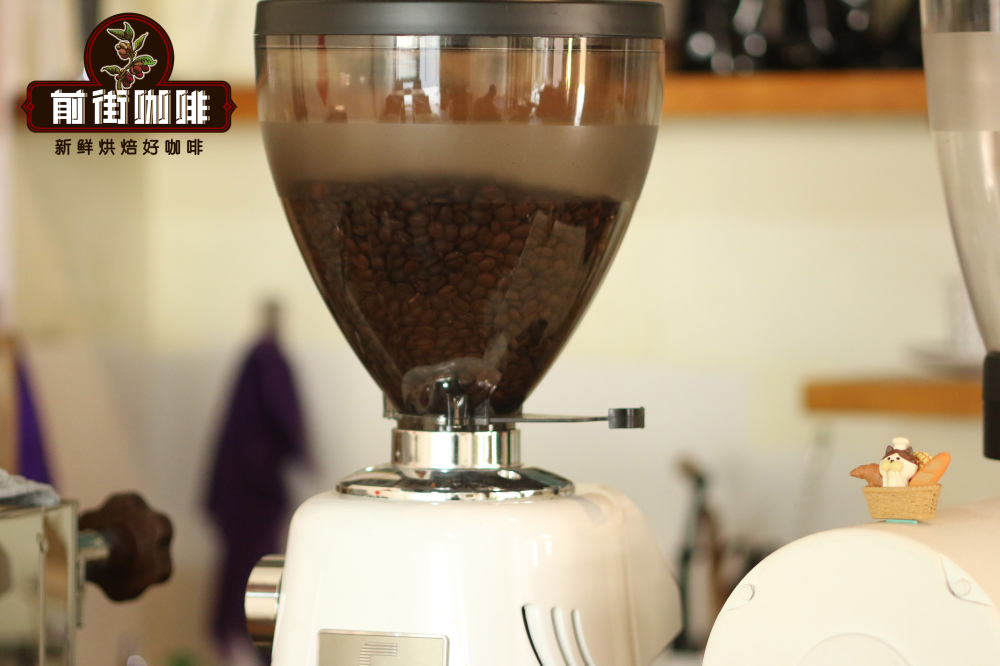
In addition, FrontStreet Coffee also reminds you that SOE is not the same as the single-origin coffee we usually drink as pour-over; single origin espresso is more difficult to roast. On one hand, to highlight the single-origin flavor, the roast level should not be too dark, so as not to wear away too much of the coffee's own flavor; on the other hand, to give the espresso body and better stability, the roast level is also not recommended to be too light. So how to strike the balance is precisely the difficulty in roasting SOE beans well.
As FrontStreet Coffee mentioned earlier, single origin espresso can express regional flavor more than a blend and can also make a uniquely styled espresso. Around this characteristic, FrontStreet Coffee suggests re-examining the extraction plan and setting suitable extraction parameters for that espresso bean. When using SOE as the base for drinks, you need to reconsider the ratio of coffee to water or milk in order to fully bring out the flavor of this espresso.
【Blend】
Blended coffee, also called mixed coffee, is made by combining multiple single-origin coffee beans so that each one's strengths can shine. A blend is composed of coffee beans from different origins, with the goal of achieving a more balanced taste. FrontStreet Coffee currently has four blends with distinct flavors.
Coffee is an agricultural product, and even for the same bean, the flavor can change from year to year. Mixing several coffee beans together can handle this problem fairly well. When one bean in the blend fails to meet expectations in flavor in a new crop season, or becomes scarce, adjustments can be made by replacing it with beans of similar flavor.
FrontStreet Coffee chooses blends precisely because it values their high stability and better consistency.
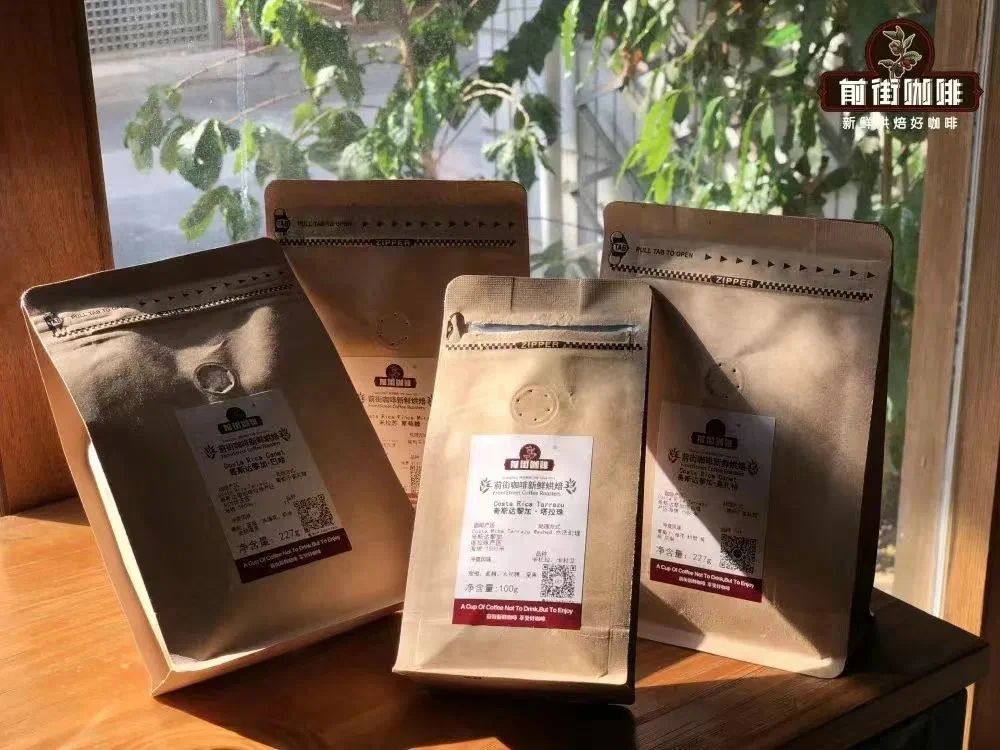
How does FrontStreet Coffee choose? FrontStreet Coffee uses blends as the direction for its in-store espresso offerings. It currently uses a Sunflower Warm Sun blend coffee bean, made by blending sherry-barrel-processed coffee beans with sun-dried Yirgacheffe Red Cherry. The ratio is 7:3, of which 60% Honduran sherry-barrel coffee beans provide flavor and body for this blend, and 40% sun-dried Yirgacheffe brings more aroma and acidity.
【Iced Latte Preparation】
To make an iced latte with FrontStreet Coffee's Sunflower Warm Sun coffee beans, you first need to understand what a latte is.
The "latte" in latte coffee is transliterated from the Italian "latte," which originally means "milk." Literally translated, latte coffee can be understood as "milk coffee." Every shop's ratio of milk to coffee, bean choice, and extraction parameters vary slightly. But generally speaking, a latte is a coffee drink made by adding a large amount of milk to a single shot of espresso.
The espresso extraction parameters FrontStreet Coffee uses when making an iced latte are as follows: 18 grams of coffee grounds, 36 grams of coffee liquid, and an extraction time of 28 seconds.
After extracting the espresso according to the above parameters, add ice cubes and cold milk to the cup, then finally pour in the extracted espresso to serve.
The espresso made from FrontStreet Coffee's own Warm Sun blend shows a fairly pronounced liqueur chocolate flavor. Paired with milk and ice to make an iced latte, it is smooth in texture, with a lasting chocolate flavor, mixed with a pleasant wine aroma, a long finish, and prominent sweetness—very suitable for cooling off in summer.
For more specialty coffee beans, please add the private WeChat account FrontStreet Coffee, WeChat ID: kaixinguoguo0925
The above content is compiled by CoffeeHunters, a coffee news website.


