







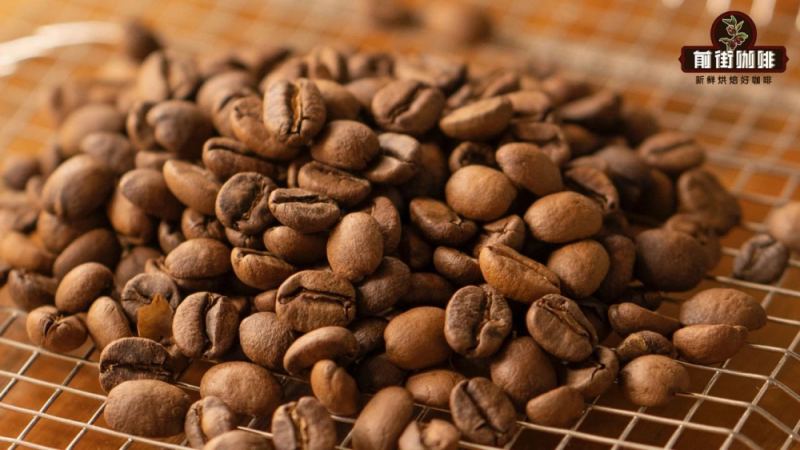
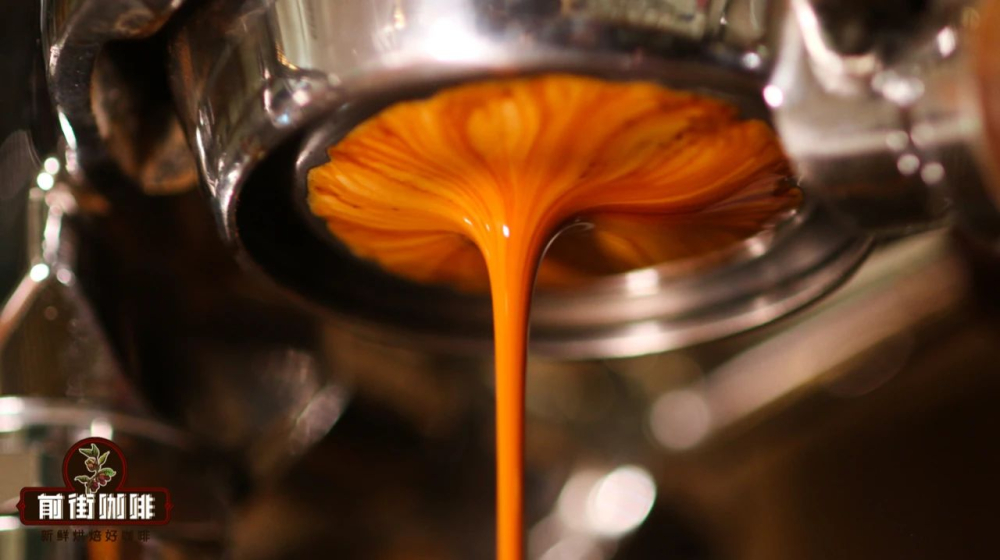
Espresso has a thicker texture and richer crema than drip coffee, and making a high-quality espresso is inseparable from goodespresso beans. Generally speaking, espresso beans are a blend of beans from several origins to achieve a balanced flavor. Front Street Coffee (FrontStreet Coffee) is here to introduce several espresso blends.
What is blended coffee?
Blended coffee, also known as mixed coffee or espresso beans, is made by combining various single-origin coffee beans to fully bring out the strengths of each. A blend is composed of beans from different origins to create a more balanced taste. For example, if one coffee bean is smooth but lacks aroma, another bean rich in aroma can be added, so that the advantages of individual beans complement each other—whether balancing or enhancing flavors—thereby creating a richer new taste. Sometimes the beans are mixed before roasting, which is called raw blending; sometimes the beans are roasted first and then mixed, which is called roasted blending.

Whether pre-blending green beans or roasting separately before mixing, it must depend on the characteristics of the coffees in the recipe. Both methods are acceptable. Post-roast blending allows each bean to be roasted to different degrees so that every component performs at its best.
Before blending, one must first know the flavors of different coffee varieties around the world. Beans have different characteristics depending on their origin. Different coffee beans have different personalities due to different varieties and origins, with subtle differences in acidity, bitterness, sweetness, aroma, body, and other flavors. Single-origin beans tend to emphasize the unique characteristics of a particular coffee type. Blends are mostly used for espresso drinks such as Espresso, Americano, Latte, or Cappuccino. The coffee tastes more balanced, smoother, and more stable, and can be said to cater to a broader range of palates.

Mixing different coffee beans is mainly done for the following purposes:
1. Stable flavor
Since coffee beans are an agricultural product, even the same coffee bean will have different flavors from year to year. So mixing several coffee beans together solves this problem well, keeping the taste basically consistent year after year.
2. Balanced taste
One characteristic of espresso machines is that they amplify the most prominent flavor of the coffee beans. So we almost never use a single variety of coffee to make Espresso; otherwise, if that bean is bitter, the resulting Espresso will be exceptionally bitter, and if it is sour, it will be very sour. Therefore, we need blending to balance the various tastes.

Blending coffee is by no means simple addition. Instead, it is hoped that through the blender's unique understanding of coffee flavors, different coffee beans can complement each other and harmonize into an espresso bean with excellent flavor. So how do you create a blended coffee recipe?
1. Clarify the purpose of the blend
Reduce costs
Some cafés mix lower-quality coffee beans into higher-quality beans to reduce costs while also increasing sales profits.

Create a long-term stable flavor
It must be admitted that coffee is an agricultural product. Different harvest seasons in the same region, or even different batches within a year, can produce different tastes. This is where the drawback of single origin is exposed. You cannot be very confident that next year you will still be able to drink the single-origin coffee you found delicious this year (except for coffees whose flavor is dominated by processing method, and other factors between origin and café can also cause the coffee beans you buy to differ in taste from before).
So one purpose of blending is to create a product that can be supplied long-term with a long-term stable flavor. When one coffee bean's quality cannot meet requirements or changes in a new crop season, similar beans can be found as replacements to achieve stability.

Create flavors that a single coffee bean cannot produce
Sometimes a single-origin coffee bean is like a person, with both strengths and weaknesses, while blending is like organizing a team, using each one's strengths to make up for the other's weaknesses, achieving a complementary effect.
For example, blending a sweeter coffee bean with a more acidic coffee bean to achieve a sweet-sour balance, or adding some Brazilian beans to a blend to increase overall body—these are all purposes of blending.

2. Determine the target flavor
Once we have determined the purpose, the next step is to determine the target flavor of the blended coffee beans. Only by clarifying the goal can we know where to start. At the same time, this also greatly tests the blender's understanding of existing coffee beans and the flavors of coffee-producing regions.
When Front Street Coffee (FrontStreet Coffee) first blended the Front Street Sunflower Warm Sun espresso blend, we were very clear that we wanted to blend a bean with wine aroma, so we could immediately list Front Street Honduras Sherry Barrel, Front Street Honduras Lychee Orchid, and Front Street Colombia San Jose—three barrel-fermented coffee beans with obvious wine aroma flavors—as candidates for the blend. Through many attempts and considering factors such as cost-effectiveness, we finally settled on Front Street Honduras Sherry Barrel as the main base of the Front Street Sunflower Warm Sun blend.

3. Determine the blending type
Generally, we call "blending first, then roasting" raw blending, and "roasting first, then blending" roasted blending. These two types each have advantages and disadvantages; there is no saying which is better. You can choose the type that suits you based on its characteristics.
The advantages of raw blending are that it can use the same roast degree to make the coffee more stable and uniform, and it can reduce the number of roasts—one roast is enough, improving efficiency. The same roast degree can also greatly reduce quality control difficulty (in the same roast, you only need to pay attention to one rest date, whereas raw blending can easily lead to different roast dates among several blend components, causing flavor differences).

At the same time, the disadvantages of raw blending are also very obvious. Raw blending has great limitations. Generally, raw blending is more recommended for several beans with relatively similar density. For example, if you mix a coffee bean suitable for light roasting with one suitable for dark roasting and roast them together to the same degree, it is easy to end up with 1+1<1—losing on both counts and gaining nothing.
The advantage of roasted blending is that each bean can be roasted to its optimal degree, maximizing each bean's characteristics. When roasting the Front Street Sunflower Warm Sun espresso blend, Front Street Coffee (FrontStreet Coffee) uses roasted blending, separately roasting the Front Street Honduras Sherry Barrel coffee beans and the Front Street Sun-Dried Yirgacheffe Red Cherry Project, in order to maximize the wine aroma of the Front Street Sherry Barrel beans while preserving as much as possible the fruity acidity and citrus-berry aroma of the Front Street Sun-Dried Yirgacheffe. After adjustment, the Agtron value of the Front Street Sun-Dried Yirgacheffe is 58.4, and the Agtron value of the Front Street Sherry Barrel blend component is 50.8.

But the disadvantage of roasted blending is also as mentioned earlier: daily quality control and management are more difficult, and inconsistent roast dates mean more rest periods to monitor. Imagine using 4 to 5 coffee beans for roasted blending—this one product would require attention to 4 to 5 roast dates.
4. Determine the blending ratio
Finally, blending requires determining the blending ratio, which is also a very important step. Front Street Coffee (FrontStreet Coffee) recommends dividing this part into two steps: preliminary confirmation and final confirmation.
Preliminary confirmation uses cupping. The candidate coffee beans are extracted separately, with two purposes:
The first is to confirm the flavor and quality of the candidate coffee beans. Before blending, you must first confirm whether the coffee quality is acceptable and whether there are flavor differences. This step is very important for blending a specialty-grade coffee.
The second is to preliminarily confirm the ratio. After extraction, take the coffee liquid and mix it in different proportions, designing several different ratio schemes, and confirm the optimal range by slurping.
Final confirmation is to roast the range values from preliminary confirmation according to the blending type confirmed in Part 3 (raw blending or roasted blending), and taste directly using the extraction method intended for the product positioning. For example, when Front Street Coffee (FrontStreet Coffee) blends the Front Street Sunflower Warm Sun blend, the goal is to supply it for espresso use, so tasting is done by extracting espresso, separately making espresso, Americano, and milk coffee to finally confirm the performance of the blend.
So how does Front Street Coffee (FrontStreet Coffee) do blending? Front Street Coffee (FrontStreet Coffee) currently has four Front Street espresso coffee beans in-store.
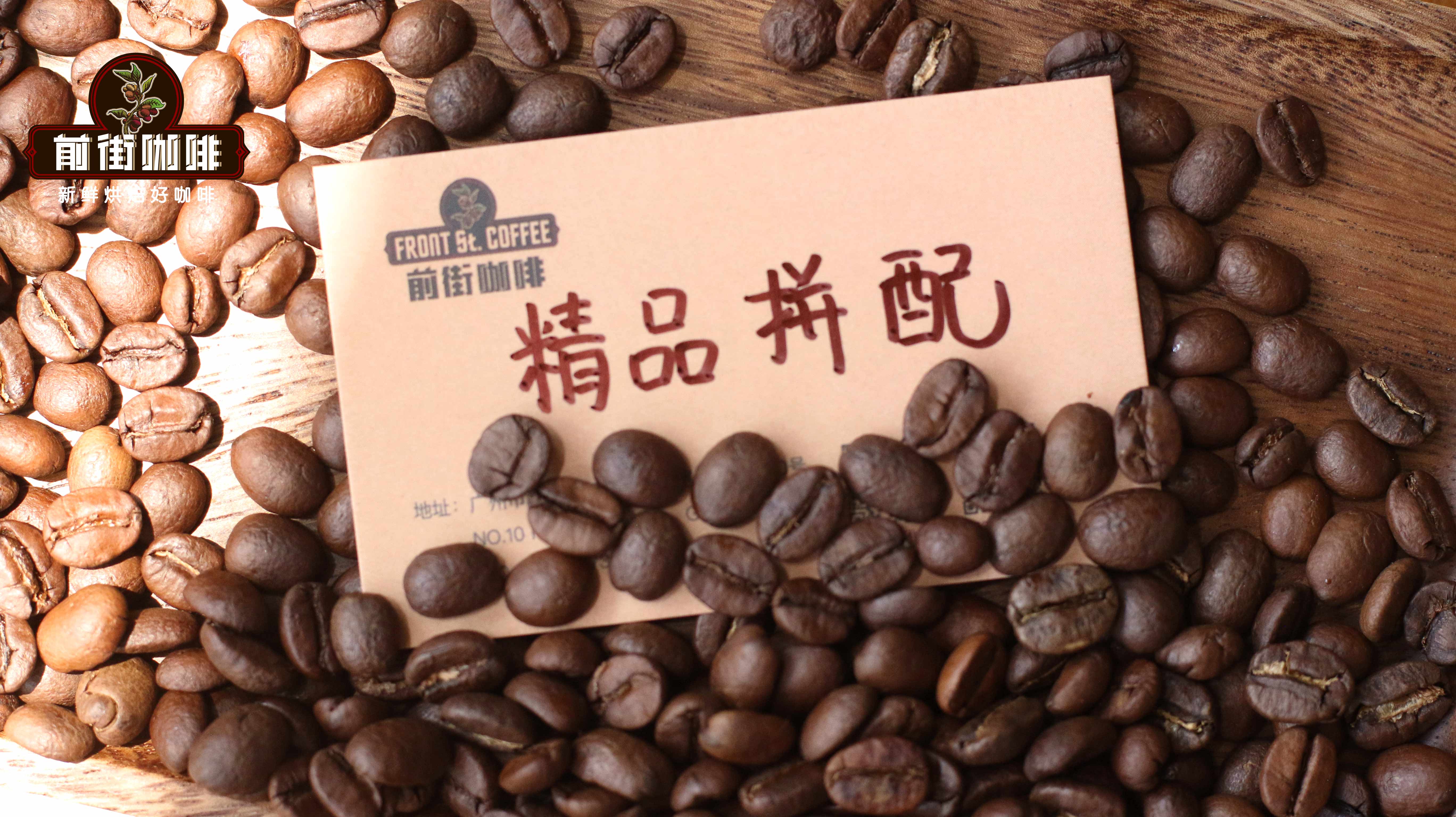
1.Front Street Specialty Espresso Blend
Colombia : Brazil, ratio 3:7
Colombia Huila Region
Located in southwestern Colombia, it is one of the main coffee-growing areas. Colombia generally has an altitude of 1500-1800 meters, mostly Bourbon and Caturra varieties, washed processing, relatively high density, uniform bean size, and plump bean shape (thicker from center to surface). Because famous coffee-growing areas are scattered throughout the Huila region, the names of various small areas became brand names and circulated. Although the cultivation conditions in this region are also very good, the cultivation infrastructure of coffee farms and surrounding conditions is still not very developed. It is regrettable that green bean drying equipment and washed processing facilities are not yet complete. Coffee from the Huila region has a strong mouthfeel and relatively heavy body. In particular, the nutty, chocolate, and caramel aromas and suitable acidity of Huila coffee can be called high-grade specialty coffee.
Flavor characteristics: Rich and solid mouthfeel, with pleasant acidity, fragrant aroma, moderate acidity, and rich sweetness that is very thought-provoking. Because it is inexpensive and the beans are small, it is suitable for single origin or as an espresso blend base.
Brazil Cerrado Region
Brazilian coffee generally grows at an altitude of 1000-1300 meters, so its density is relatively low. Mostly Bourbon variety, using semi-washed processing, with moderate moisture content. The bean texture is relatively soft, and the thickness from surface to center is relatively thin, so it is not suitable for roasting at too high a temperature; the temperature of the roaster drum wall will scorch the bean surface, producing a burnt bitter taste. We hope to express nutty, milk chocolate, and better body characteristics, and use it as a blend base. Therefore, Front Street Coffee (FrontStreet Coffee) adopts a medium-heat bean loading method, maintaining heat until the dehydration stage, and making fine adjustments as the temperature rises after first crack begins, promoting a fuller caramelization reaction. When the temperature rises to near second crack, the beans can be discharged.
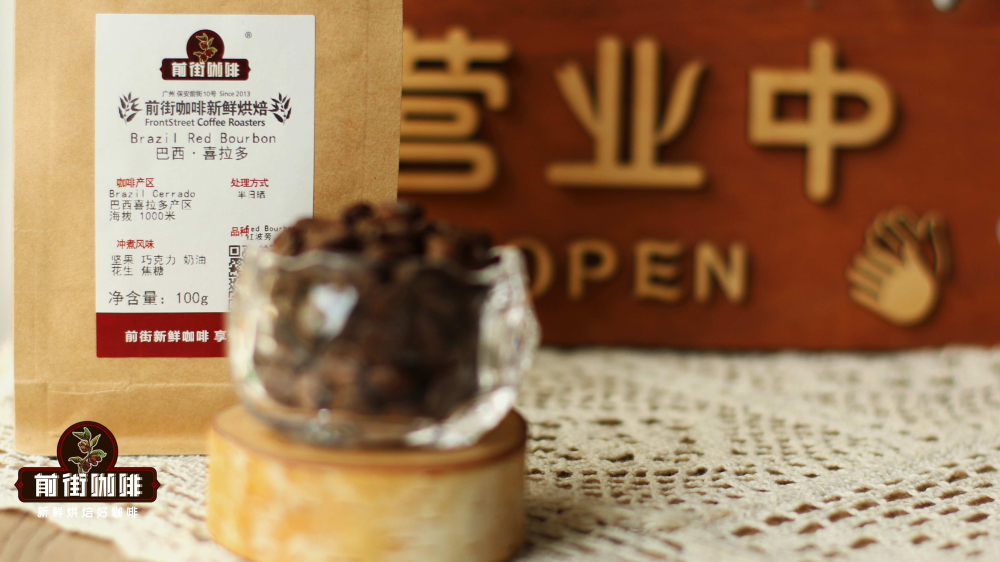
Flavor characteristics: Comfortable sweet-bitterness, extremely smooth on the palate; with a faint grassy aroma, light fragrance with slight bitterness; sweet and smooth, with a pleasant aftertaste.
Flavor after blending: Sweet and fragrant taste. Using medium-dark roasting, when making espresso, the mouthfeel has soft slight acidity, light sweetness, and nutty sweetness in the finish. The overall impression is not too stimulating, mild, with medium crema, meeting the daily opening needs of coffee shops.
2. Front Street Commercial Espresso Blend
Colombia : Brazil : Robusta, ratio 3:6:1, raw blend;
Robusta beans have strong resistance to pests and diseases and high yield. They are usually less acidic than Arabica beans and often carry a slight woody aroma. Their caffeine content is 2.2%, higher than Arabica's 1.2%, and their chlorogenic acid content is also higher. They are also quite bitter and astringent, usually used in commercial beans, and cost less than Arabica beans.
In terms of the flavor of individual beans, coffee made from commercial beans is much inferior to specialty coffee beans. Generally, commercial beans are chosen for blending. Through blending, very good-tasting coffee can also be produced, suitable for making lattes, cappuccinos, and other espresso drinks. Front Street Coffee's (FrontStreet Coffee) Front Street Commercial Blend makes Espresso. Because it contains Robusta beans, the crema is richer, the taste is classic, with caramel sweetness, nutty, cocoa-like, and dark chocolate flavors, balanced sweet and sour, with a slight sweet-bitterness and a long finish. It is suitable for daily beverage production in coffee shops.

3. Front Street Basic Espresso Blend
Yunnan AA : Brazil; ratio 3:7, roasted blend;
Front Street Coffee's (FrontStreet Coffee) Yunnan AA is Typica, the oldest native variety from Ethiopia, originating in Ethiopia and southeastern Sudan. All Arabica varieties are derived from Typica. The top leaves are copper-red, hence the name red-top coffee. The flavor is elegant, but the plant is relatively weak, has poor disease resistance, is prone to leaf rust, and has low yield. Typica has four slender leaves in an open posture, with an inclination angle of 50–70 degrees. The opposite leaves are long oval-shaped, with smooth surfaces. The branches at the ends are very long with few branches, and the flowers are white, blooming at the base where the petiole connects to the branch. Ripe coffee cherries resemble cherries and are bright red.

During cultivation, it needs more shade, and it can only be harvested about once every two years. Yunnan's high-quality geographical and climatic conditions provide good conditions for coffee growth. Planting areas include Lincang, Baoshan, Simao, Xishuangbanna, Dehong, and other prefectures. Yunnan's natural conditions are very similar to Colombia's: high altitude and large temperature differences between day and night. Its flavor is mellow, with moderate acidity, fragrant and full-bodied, uniform beans, high oil content, and fruity aroma. Its quality and taste are similar to Colombian coffee.
Blend flavor: With soft fruity acidity, caramel sweetness, nutty and dark chocolate flavors, smooth and viscous, but the taste is relatively light. Suitable for opening a shop or home users who prioritize cost and have average flavor requirements.

4. Front Street Sunflower Warm Espresso Blend
Front Street Coffee's (FrontStreet Coffee) Sunflower Warm Sun blend uses Front Street Honduras Sherry Barrel fermented coffee beans and Front Street Sun-Dried Yirgacheffe Red Cherry Project, with a ratio of 7:3. Seventy percent Front Street Honduras Sherry provides flavor and body for this blend, and thirty percent Front Street Sun-Dried Yirgacheffe provides more aroma and acidity. This Front Street Sunflower Warm Sun espresso blend uses estate-grade specialty coffee beans for all components, using independent medium-dark roasting to highlight the wine aroma, chocolate charm, and sweetness.
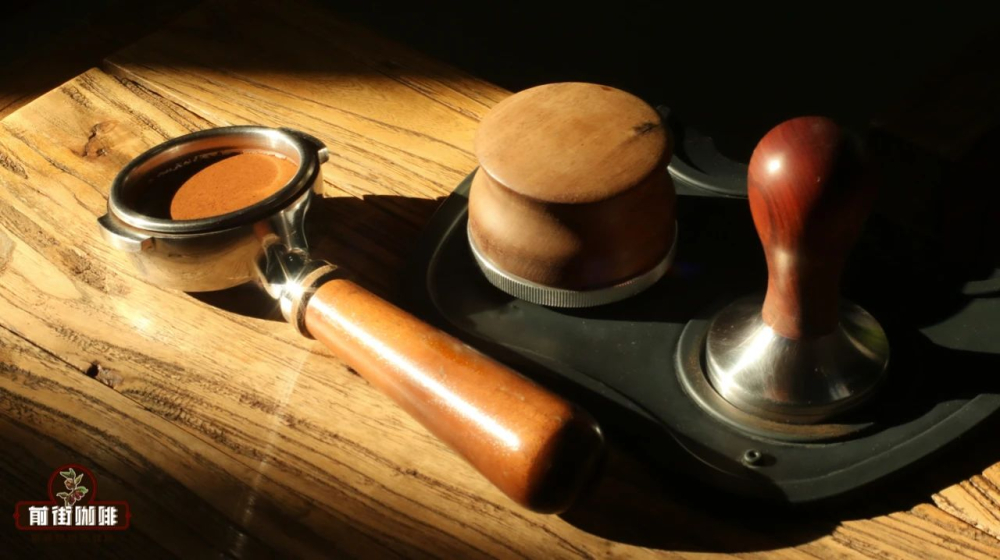
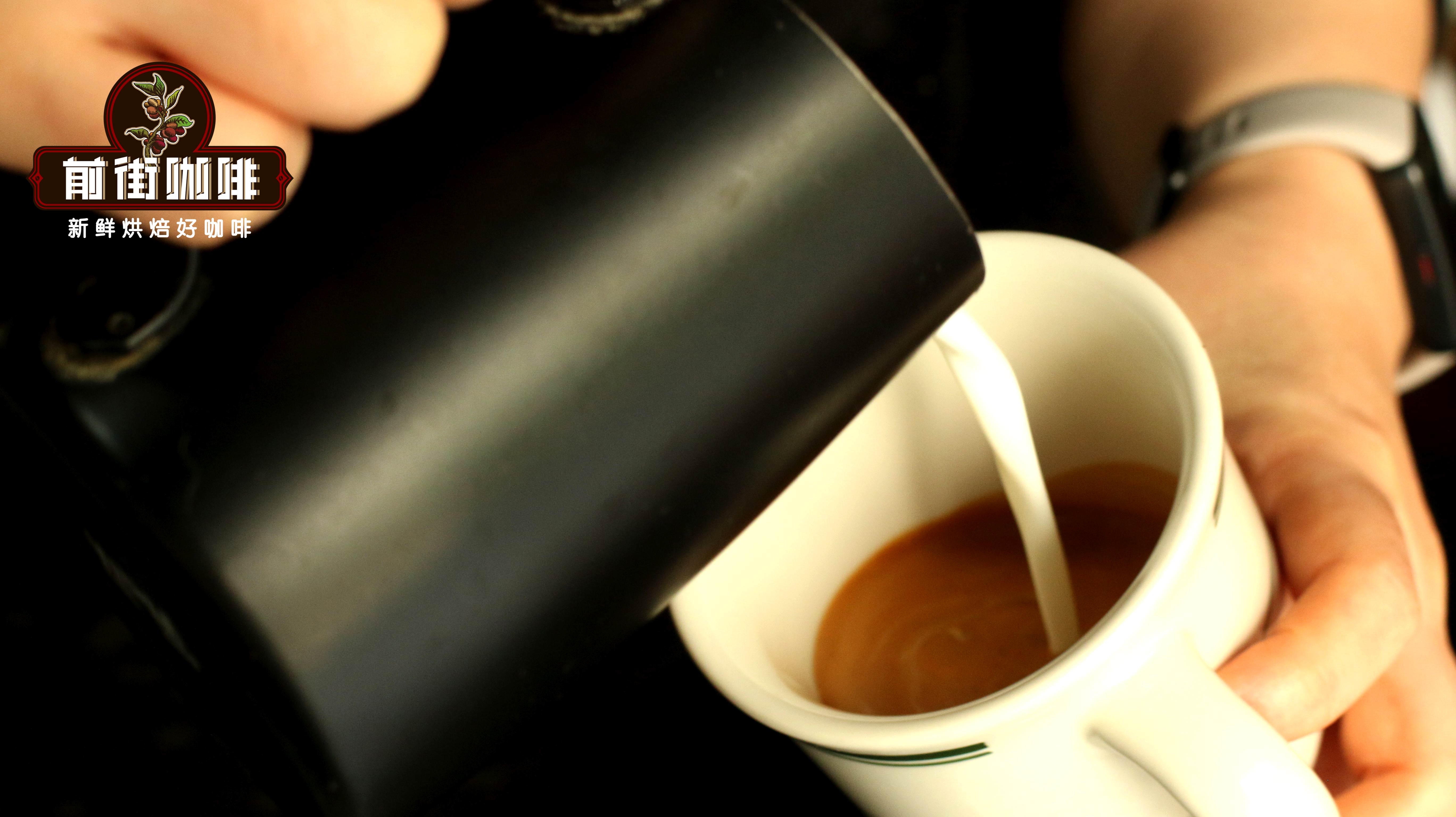
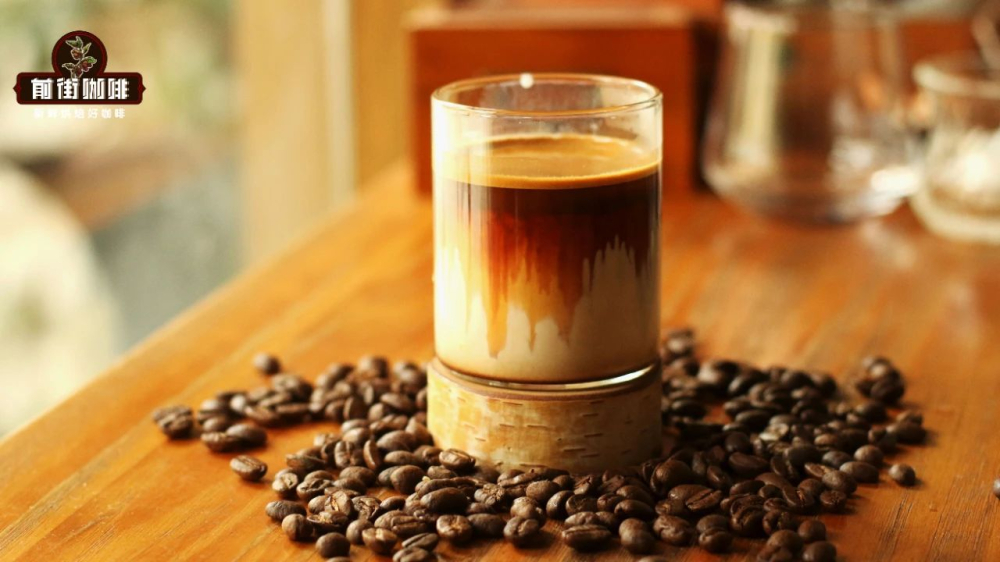
Front Street Coffee (FrontStreet Coffee) chooses the Front Street Sunflower Warm Sun blend to make iced latte.
Espresso extraction parameters:
Coffee dose: 20g
Coffee liquid yield: 40g
Extraction time: 28s
Because iced latte coffee is mixed with a large amount of milk, the milk flavor is relatively obvious.
The espresso made from the Front Street Sunflower Warm Sun blend used in Front Street Coffee's (FrontStreet Coffee) stores has a relatively obvious wine-filled chocolate flavor. Paired with milk and ice to make an iced latte, it has a relatively smooth mouthfeel, a lasting chocolate taste, mixed with a pleasant wine flavor, a long finish, and obvious sweetness. It is very suitable for cooling off in summer.
Why is a spoon included?
When drinking espresso, most of the time a spoon, sugar, and water are included.
Espresso is extracted using hot water and pressure, so in addition to water-soluble components that dissolve in water, some fat-soluble components are also extracted. Water-soluble components are heavier, so they sink to the bottom in the form of coffee liquid, while fat-soluble components float on top in the form of foam. This foam-type component is crema, and it contains many components that influence aroma, thickness, and texture. The water-soluble components that sink to the bottom are mainly substances that let the tongue perceive taste. Simply put, crema is responsible for the aroma, and the extracted liquid is responsible for the taste.
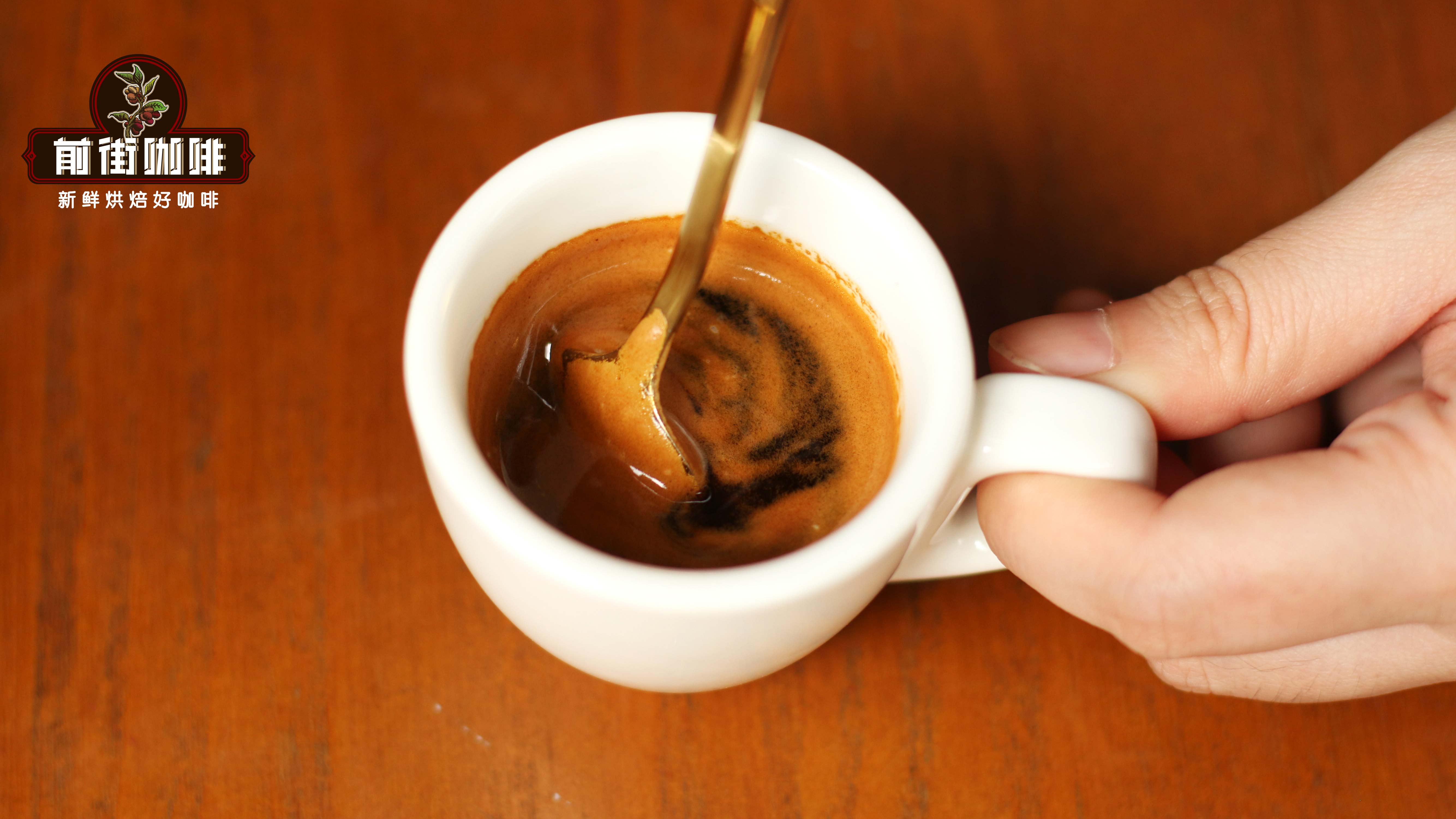
If you drink it without stirring, the water-soluble components and fat-soluble components will be separated. Stir or swirl to mix the components of the espresso evenly before drinking, so that you can feel the rich and harmonious taste and aroma. Therefore, espresso is always served with a spoon.
The above content is compiled by CoffeeHunters, a coffee news website.

