





Search Results for: French press pros and cons

Is a French Press Worth Buying? An Analysis of Pros, Cons, and Pricing — Front Street Coffee's Hands-On Sharing
Want to easily make a good cup of coffee but not skilled at pour-over? Front Street Coffee recommends that beginners try the French press. This simple brewing device originating from France, with its easy operation and rich, full-bodied flavor, has become the top choice for many coffee lovers just starting out. So is a French press really worth buying? Is it expensive? And what unique qualities does the coffee it extracts have? Starting from the working principles of the French press, this article will analyze its pros and cons and how to use it in detail, and use Costa Rican Mozart coffee beans as an example to demonstrate the specific operation and flavor performance of French press brewing, helping you fully understand whether this device suits you. [more…]
Is a French Press Worth Buying? Pros and Cons, Extraction Principles and Price Analysis, with Front Street Coffee's Practical Brewing Guide
For coffee beginners who have not yet mastered pour-over techniques, Front Street Coffee usually first recommends the French press—simple to operate and easy to get started with. Why can the French press win over coffee lovers who don't know how to do pour-over? This article will start with the origin and extraction principles of the French press, analyze its differences from pour-over coffee in taste and flavor, explain whether long steeping will extract undesirable flavors, and provide key parameters such as grind size, water temperature, and steeping time. In addition, taking the Costa Rica Musician Series Mozart coffee beans selected by Front Street as an example, it will fully demonstrate the French press brewing process and flavor performance, helping you judge whether the French press is expensive and whether it is worth buying. [more…]

Analyzing the Pros and Cons of French Press vs. Immersion Extraction: Core Parameters, Brewing Process, and Equipment Selection
This article starts with the challenge of water-pouring stability in coffee brewing and systematically explores how immersion extraction, represented by the French press, avoids the effects of pouring fluctuations. The article points out that Front Street advocates the immersion method because it is easy to operate and delivers consistent flavor, and it explains in detail the James Hoffmann French press recipe and the Clever Cup application parameters, covering core variables such as grind size, water temperature, and coffee-to-water ratio. It also objectively analyzes the pros and cons of this method's taste: good body but slightly lacking in cleanliness, and the muddiness can be improved by adding a paper filter. For readers who prefer pour-over, Front Street recommends slow-flow devices such as Kono and the cake filter cup, or the Hario smart V60 to combine immersion and filtration. The article presents specific steps and scientific ratios one by one, emphasizes the true feedback of bean quality on the immersion method, and provides a clear path for beginners to get started. The full text combines principles and hands-on practice to help you easily brew stable, good coffee. [more…]

Coffee Brewing Equipment | How to Brew Coffee with a Clever Dripper? What's the Difference Between a French Press and a Clever Dripper? What Are the Pros and Cons of the Clever Dripper?
Introduction Sometimes, you want to enjoy a cup of black coffee, but you don't want to use the "cumbersome" pour-over method (too many utensils). In that case, simple immersion-type coffee devices show a clear advantage, among which the Clever Cup and the French Press are the most classic. So how should you choose between these two coffee devices? Clever Cup The Clever Cup is [more…]
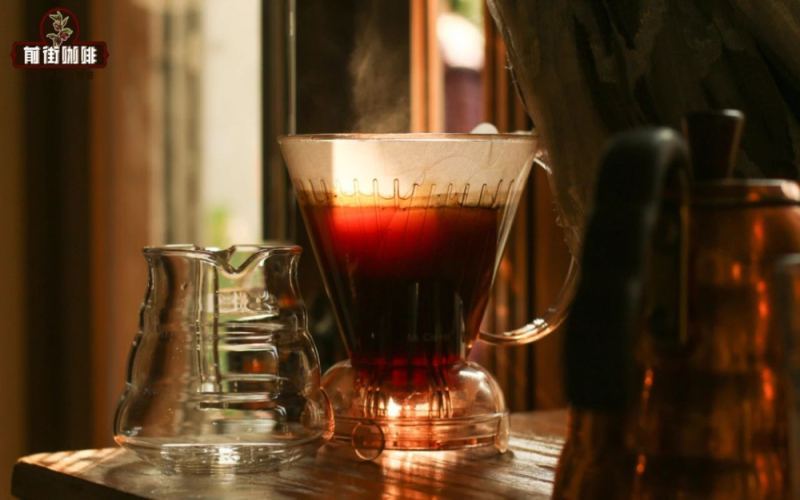
Clever Dripper Guide: How It Works, Pros and Cons, and a Side-by-Side Comparison of Three Brewing Methods with Front Street Coffee's Huakui
As a member of the pour-over dripper family, the Clever Dripper is widely recognized in the international coffee community for its unique piston valve design and consistent extraction performance, and it is also the designated brewing device in many specialty coffee shops. It has a low barrier to entry, is easy to clean, and is especially friendly to beginners just getting into pour-over. This article will walk you through the Clever Dripper's origin and background, its structural principles, and its pros and cons, and by pairing it with Front Street Coffee's Huakui coffee beans, compare the flavor presentation differences among three brewing methods—the V60 dripper, the Clever Dripper, and the French press—to help you find the cup that suits you best. [more…]
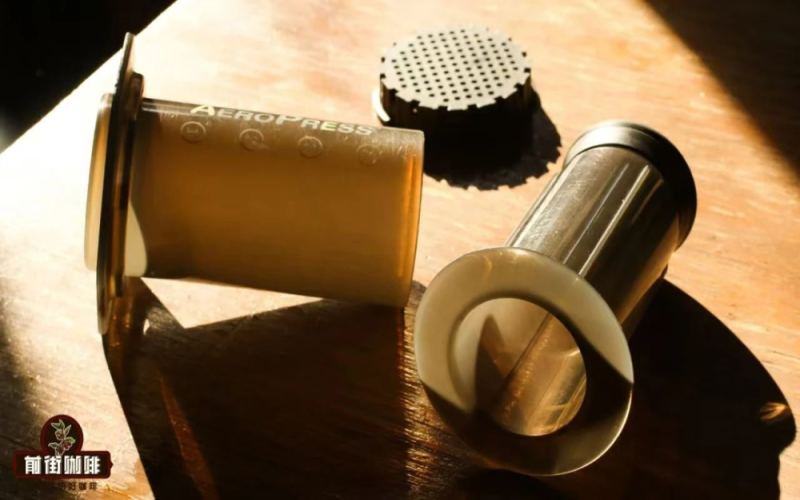
AeroPress Pros and Cons | Where Did the AeroPress Come From? What Are the Characteristics of AeroPress Coffee? What Is the Coffee-to-Water Ratio for Brewing with an AeroPress?
Unlike pour-over, the AeroPress uses immersion combined with pressure for extraction. It can brew strong coffee, is easy to clean, and is relatively simple to operate. Where did the AeroPress come from? In 2005, Alan Adler, who was an engineer, physicist, and lecturer at Stanford University, found that he really had no patience to use [more…]
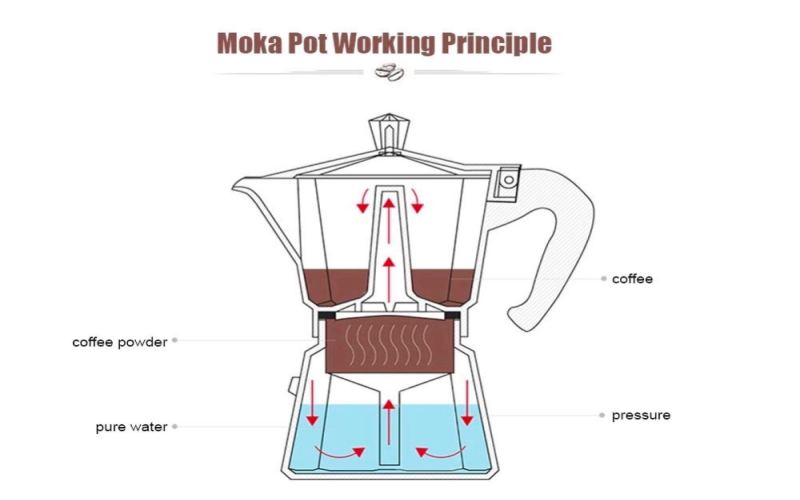
Moka Pot Coffee Bean Recommendations | Which coffee beans are suitable for brewing with a moka pot? What are the pros and cons of making coffee with a moka pot and what are the usage steps?
Espresso is certainly delicious, but not every household has the budget or the space for an espresso machine. So more people have a moka pot at home instead—it's convenient and quick: just fill it with hot water and coffee grounds, put it on a heat source, and wait for the coffee. However, [more…]
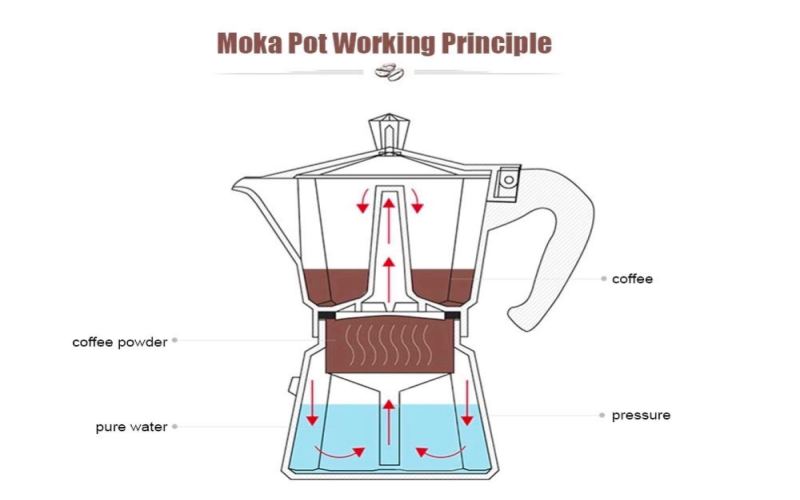
Moka Pot Pros and Cons | Is a Moka Pot Friendly for Coffee Beginners? Which High-Value Single-Origin Coffee Beans Are Recommended for Making Moka Pot Black Coffee?
Espresso is certainly delicious, but not every household has the budget or the space for an espresso machine. So, more people have a moka pot at home. The moka pot is convenient and quick—just fill it with hot water and coffee grounds, then place it on a heat source and wait for your coffee. However, [more…]
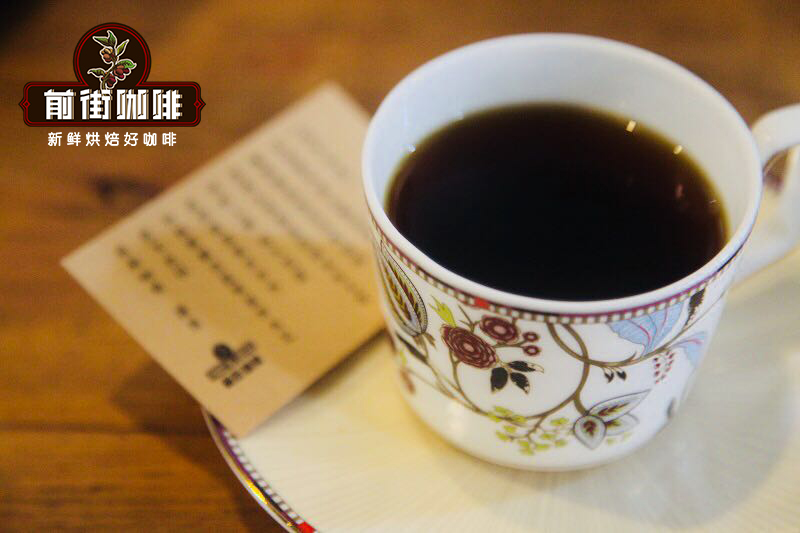
Pros and Cons of Americano | Is Iced Americano Black Coffee? What Are the Effects and Benefits of Black Coffee? Is Americano High in Calories?
Black coffee, also known as "zhai coffee," means black coffee in Cantonese. So zhai coffee refers to pure black coffee with no additives whatsoever, such as the commonly seen espresso, Americano, iced drip, cold brew, and coffee extracted by various brewing devices all belong to zhai coffee, like siphon, French press, moka pot, and so on. Among them, iced Ameri- [more…]
The Origins and Evolution of the French Press: From an 1852 Patent to a Favorite Tool of Modern Coffee Enthusiasts
The French Press, also known as the cafetière, has become the daily go-to for many coffee lovers thanks to its simple and convenient operation. Yet behind this seemingly humble device lies a history of evolution spanning over a century. From a patent in 1852 to improvements by a Milan-based company in the 20th century, the French Press gradually transformed from an obscure tool into a device revered by coffee travelers worldwide. This article will take you through the invention journey of the French Press, analyze the improvements in its structural design, and share the pros and cons of using it. Whether you are a beginner just getting into pour-over or a seasoned connoisseur pursuing consistent results, understanding this history will help you better appreciate the coffee in your cup. Front Street Coffee has always paid attention to the practical value of such classic devices. [more…]

Coffee Grounds Filtration Tools | Filter Paper, Filter Mesh, or Filter Cloth: Which Is More Convenient and Effective for Filtering Coffee Grounds? What Are the Pros and Cons of Filters Made from Different Materials?
A pot of aromatic and enchanting coffee, of course, must be paired with elegant coffee equipment. When it comes to the wide variety of equipment, why do some people prefer certain types? Today we are going to talk about the equipment they like, and what magic it actually has that can change the coffee they brew. Using simple words and principles, we will [more…]
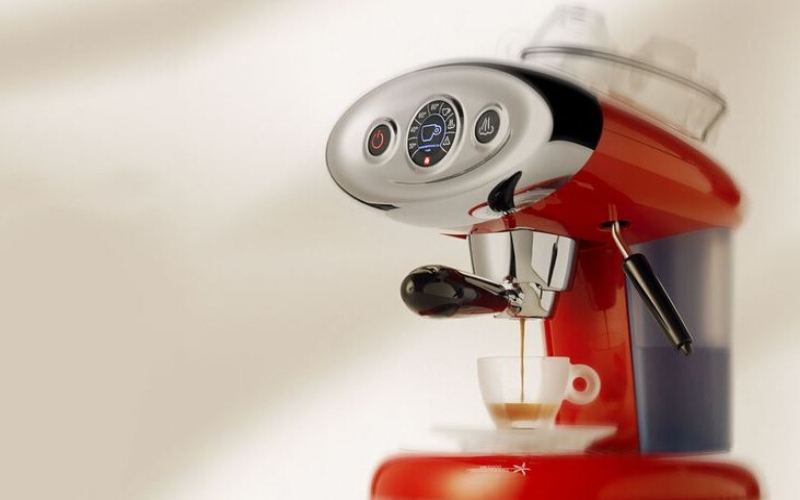
Illy Espresso Ground Coffee Review: Pairing with Espresso Machines, French Press Brewing Methods, and Introduction to Cappuccino Varieties
As an iconic Italian coffee brand, illy has been regarded as a benchmark in the pre-ground coffee segment since its founding in 1933. Its espresso powder is ground from 100% Arabica beans, positioned as more premium than instant coffee, and able to retain a richer original flavor. But many enthusiasts are confused about how to brew it—it is not an instant product and requires equipment such as an espresso machine or a French press to extract the ideal strength. This article will systematically review the pros and cons of illy espresso powder, introduce practical brewing methods for home and office scenarios in detail, and also touch on the varieties of cappuccino. At the same time, Front Street Coffee will also provide targeted equipment recommendations in the article to help everyone better bring out the performance of this classic Italian-style coffee powder. [more…]
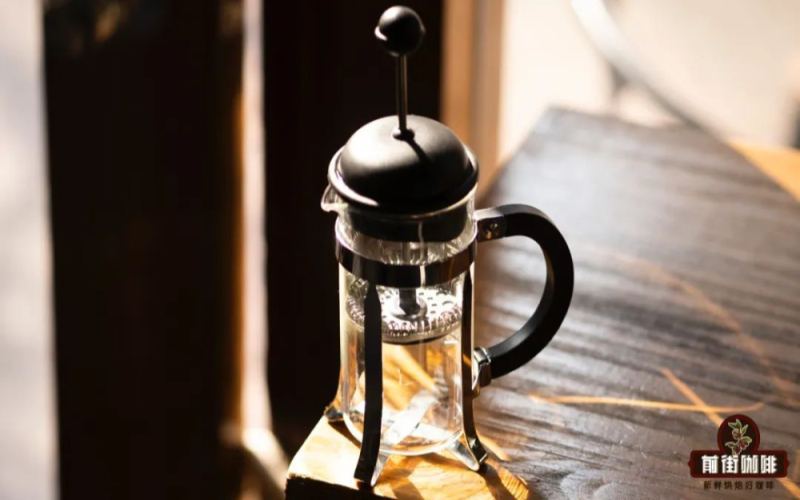
The Complete Guide to Brewing Geisha Coffee with a French Press: Grind, Water Temperature, Ratio, and Timing Parameters Explained
The French press has a low barrier to entry, but if you want to consistently brew a good cup of coffee, the key still lies in parameter control. This article starts with the origin and structure of the French press, sorts out the approach to bean selection, and gives specific suggestions around four variables: grind size, water temperature, coffee-to-water ratio, and steeping time. Using the medium-light roasted Front Street Grana Geisha as an example, it explains the yellow peach, apricot, citrus, and lemon notes brought by the natural process, as well as its refreshing performance whether hot or cold. It will also mention the pros and cons of a fine grind, the trade-off between body and clarity brought by the metal filter, and the key points for disassembling and cleaning after use. [more…]
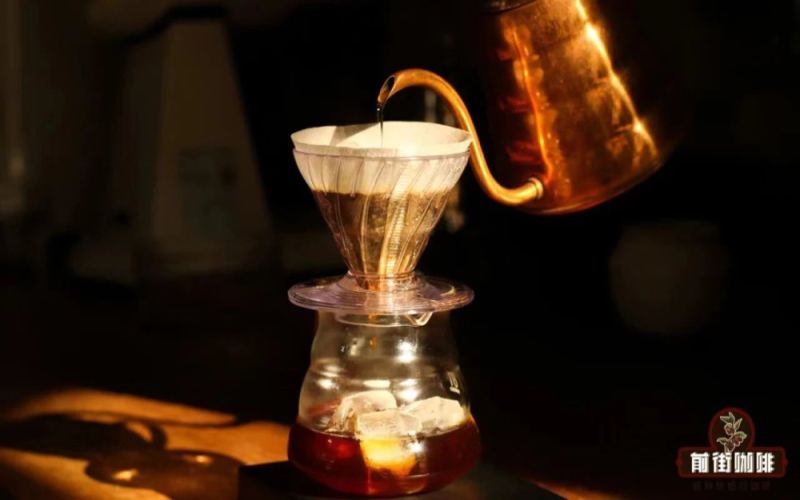
How to Choose Coffee Filters? A Full Breakdown of the Pros and Cons of Metal Filters, Paper Filters, and Cloth Filters, Plus Daily Maintenance
When brewing a good cup of coffee, the choice of filter often determines the direction of the final flavor. Metal filters, paper filters, and cloth filters each have their own fans—what kind of taste performance do they each bring? And how should they be cleaned and maintained to extend their lifespan and avoid off-flavors? Starting from real-world experience, this article analyzes the pros and cons of three common filter materials one by one, and includes simple and effective maintenance methods to help you find the brewing partner that suits you best among the dazzling array of equipment. [more…]

Why Does Americano Have a Sour Taste? Exploring the Causes and Flavor Pros and Cons of Sour Americano
American coffee is, in many people's minds, synonymous with a bitter, burnt pick-me-up. Yet in recent years, more and more Americanos have taken on a bright acidity, delighting some drinkers while confusing others. This acidity is not a sign of spoilage, but rather the result of a shift in flavor trends and evolving roasting philosophies within the coffee industry. From the perspective of Front Street, this article explores the deeper reasons behind American coffee turning sour, sorts out the differences between Italian roasting and ultra-light Nordic roasting, and discusses how SOE Americano pushes fruity acidity to the extreme. Whether you prefer a rich, bittersweet cup or favor floral and fruity sweet-tart notes, you'll find the cup that suits you. [more…]
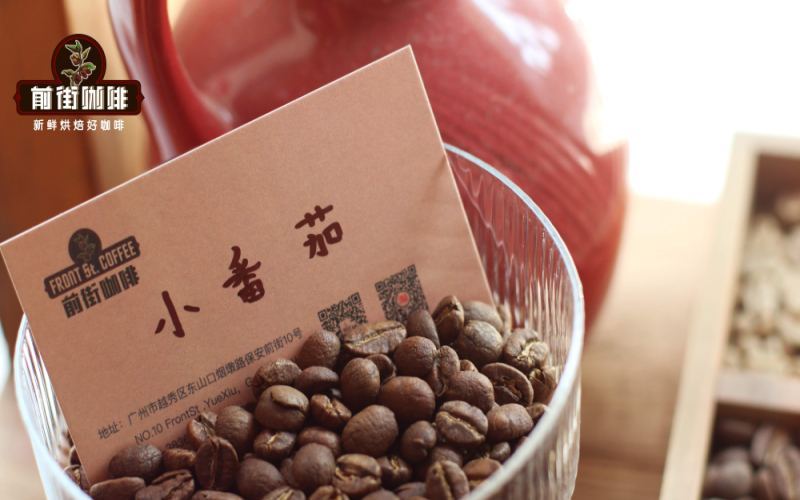
Deep-Roasted Kenya Meets Mandheling: Flavor Direction and Brewing Test After Blending by Ratio
Kenyan coffee has always been famous for its bright berry-like acidity, yet many early books recorded it as a dark roast, which is completely at odds with today's mainstream understanding. For this session, Front Street Coffee selected two high-altitude washed beans, Kenya Small Tomato and Karogoto, roasting both uniformly to the start of second crack, then conducting cupping, pour-over, and French press evaluations separately, and also attempting to blend them 1:1 with dark-roasted Mandheling into espresso. What kind of flavor transformation can a dark roast actually bring? Does it preserve a rich caramel character, or does it wipe out the original floral and fruity aromas? Using measured data and brewing parameters, this article takes you through a fresh look at the pros and cons of dark-roasted Kenya, as well as its unique value in blends. [more…]
Pour-Over vs. American Drip Machine: Which Makes Better Coffee? A Full Analysis of the Pros and Cons of Brewing Freshly Ground Black Coffee
Pour-over coffee and American drip coffee machines are quite similar in their brewing methods, both relying on steady drip filtration in a pressure-free environment. However, the differences between manual and machine brewing lead to distinctly different flavor profiles and suitable scenarios. Drawing on the production experience of Front Street Coffee, this article examines the key steps that influence pour-over flavor one by one—from cup warming and grinding to equipment combinations, blooming, and brewing—while also comparing the advantages and disadvantages of American drip machines, helping coffee enthusiasts understand why pour-over is more favored, as well as the details and timing control to pay attention to when practicing at home. [more…]
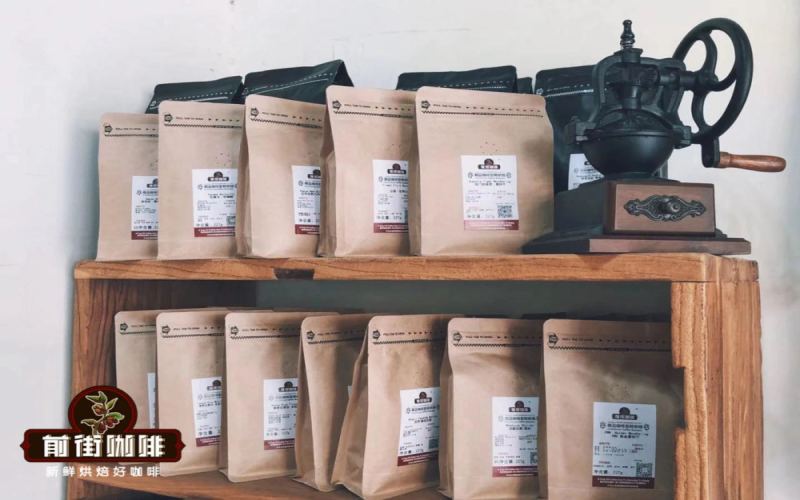
Moka Pot Coffee Bean Buying Guide: From Working Principle to Brewing Method and Five Front Street Bean Recommendations
For enthusiasts who don't have an espresso machine at home, the moka pot is the most common alternative. It's simple to use—just add water and coffee grounds, then heat it up. However, there are clear differences between the moka pot and espresso machines in terms of extraction pressure, crema, and coffee strength, which determines that it's better suited to specific types of coffee beans. This article will outline the invention background and structural principles of the moka pot, analyze the pros and cons of brewing coffee with it, and focus on recommending five Front Street Coffee beans suitable for the moka pot, including Golden Mandheling, Brazil Queen's Estate, Classic Italian Blend, Strawberry Candy Italian Blend, and Colombia Huila, to help readers find a choice that suits their taste. [more…]

Washed Processing vs. Red Wine-Style Natural Processing: A Full Analysis of Flavor Differences, Process Pros and Cons, and Taste Characteristics
What do the labels commonly seen on coffee packaging—natural, washed, honey—actually mean? This article focuses on the natural process and its innovative offshoot, the red wine–style natural process. Starting from the structure of the coffee fruit, it breaks down in detail the steps of the natural method, its cost advantages, and defect risks, and further explains how the red wine process uses controlled fermentation to enhance sweetness, cleanliness, and complex acidity. The article also draws on specific products such as Front Street Red Cherry, Huakui, ALO, and the Panama Hartmann Estate to show how traditional natural and red wine natural coffees actually perform in aroma and mouthfeel, helping coffee lovers understand more clearly how processing methods influence the flavors in the cup. [more…]
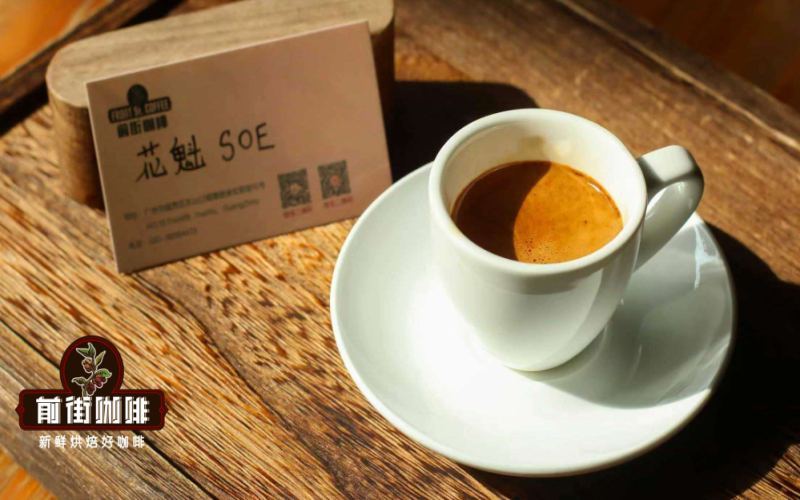
Can Single-Origin Coffee Beans Be Used for SOE? A Full Analysis of Flavor Performance, Pros and Cons, and Bean Selection & Roasting Tips
SOE is a popular category in today's specialty and chain coffee shops, referring to espresso extracted from single-origin coffee beans. It can showcase a region's character at high concentration, but stability and roasting compatibility are often overlooked. This article uses comparative experiments between pour-over and espresso to illustrate flavor differences, sorts out the advantages and shortcomings of SOE, and offers selection guidance: you can use single-origin beans roasted at medium or darker levels, or directly choose beans specifically designed for SOE. The article also combines examples such as Front Street Strawberry Candy, Brazil Queen's Estate, and Granada Geisha to explain the effects of different processing methods and roasting on espresso and milk coffee performance, and emphasizes the importance of freshness for flavor. [more…]