







How Does French Press vs Wok Affect Coffee Brewing?
Immersion extraction, as used in a French press, keeps coffee and water in contact before separation, so the result does not depend on a steady pouring stream. Percolation methods such as pour-over rely on consistent flow; an uneven stream can cause channeling and unbalanced extraction, making flavor vary from cup to cup. The French press removes that variable.
Grind size, water temperature, and coffee-to-water ratio are the core parameters, and James Hoffmann's French press recipe is a common reference. The Clever Cup applies the same immersion logic. Expect good body but slightly less clarity, and note that turbidity can be reduced by adding filter paper. Pour-over fans can try slow-flow devices such as Kono, cake filter cups, or the Hario smart V60.
This article starts with the challenge of water flow stability in coffee brewing and systematically explores how immersion extraction, represented by the French press, can avoid the effects of pouring fluctuations. The article points out that Front Street Coffee advocates the immersion method because it is simple to operate and delivers consistent flavor, and explains in detail James Hoffmann's French press recipe and the application parameters for the Clever Cup, covering core variables such as grind size, water temperature, and coffee-to-water ratio. At the same time, it objectively analyzes the pros and cons of this method's taste: good body but slightly lacking in clarity, and turbidity can be improved by adding filter paper. For readers who prefer pour-over, Front Street recommends slow-flow devices such as Kono and cake filter cups, or the Hario smart V60 to balance immersion and filtration. The article presents specific steps and scientific ratios one by one, emphasizing the true feedback of bean quality under the immersion method, and providing a clear path for beginners to get started. The full text combines principles and practice to help you easily brew stable, good coffee.
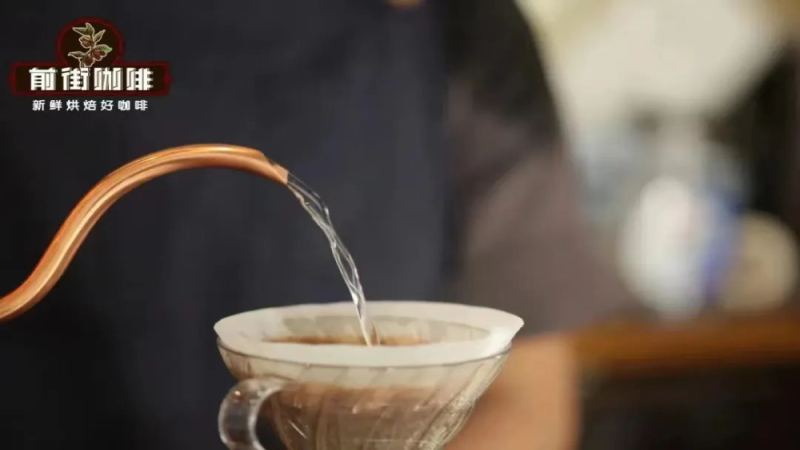
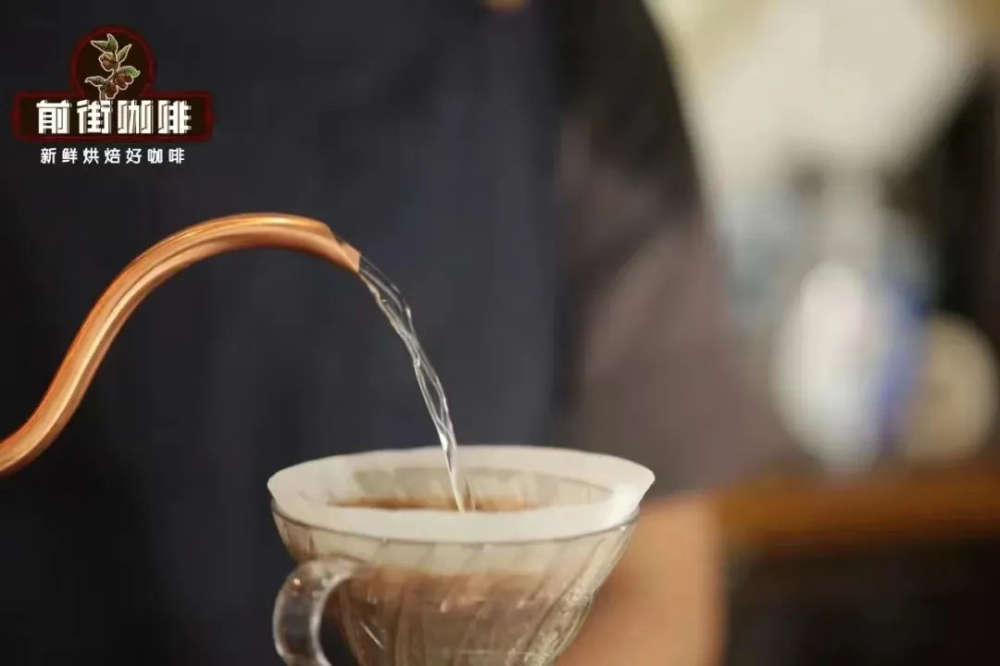
When it comes to the craft of controlling pouring, whether the stream is steady is significantly related to the final flavor of the coffee. If the flow is uneven, it can easily lead to undesirable outcomes such as unbalanced extraction and channeling, resulting in poor-tasting coffee and noticeable flavor variation from cup to cup.
When it is difficult to obtain consistently high-quality coffee because of unstable pouring, there are two approaches: one is to repeatedly hone water-control skills; the other is to reduce the impact of the pouring action on the extraction result. If you only want to enjoy drinking coffee comfortably and do not want to go through the tedious process of practicing pouring, the latter is clearly wiser. Front Street points out that compared with percolation, immersion extraction is not only more stable but also easier to operate. The so-called percolation method means that pouring and dripping out occur simultaneously, with pour-over coffee as a typical example; immersion means that coffee and water remain in contact for a long time before separation, and the French press and Clever Cup belong to this category. Many people feel that French press coffee is inferior to pour-over, but in fact the parameters may be wrong; pour-over can also taste bad when the parameters are improper. If the flavor characteristics of the two are forcibly compared, immersion has the advantage in body and sweetness, but is slightly inferior in clarity and layering; however, switching extraction modes will not distort the true flavor of the beans.
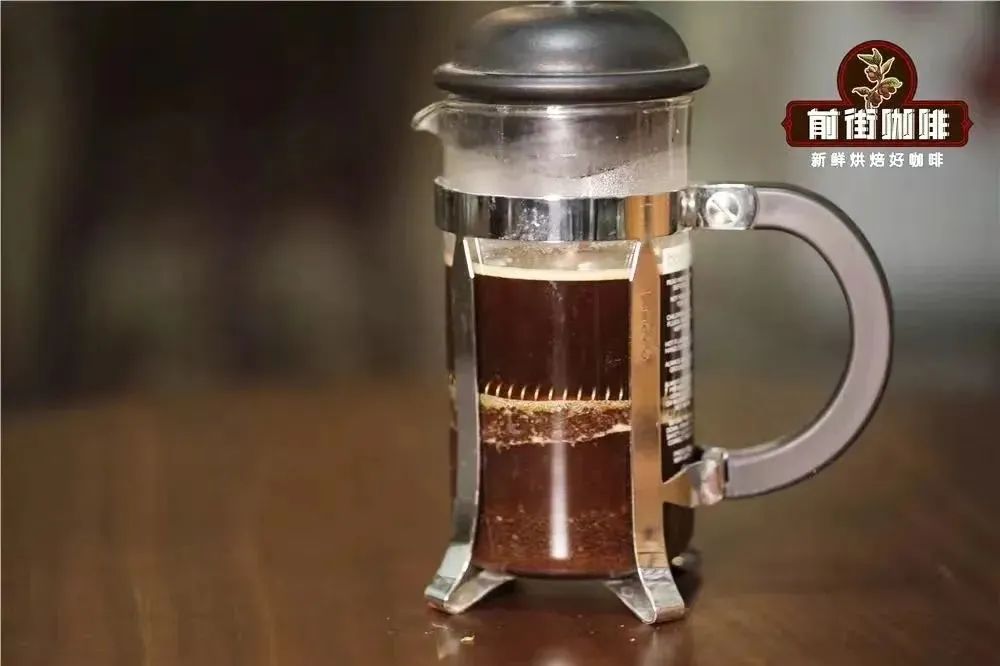
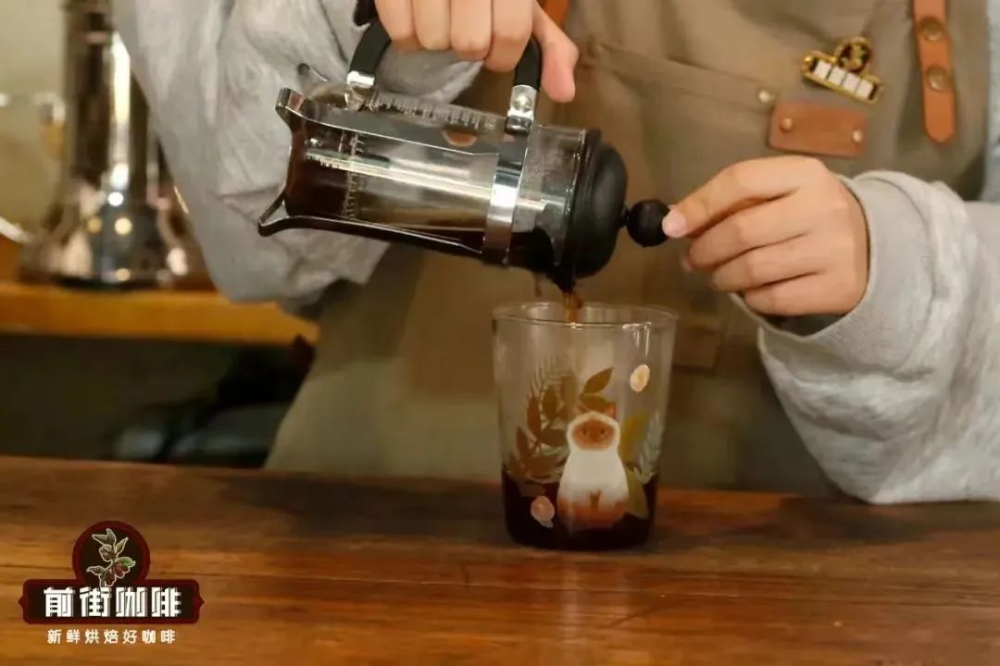
When making coffee with a French press or Clever Cup, you only need to precisely control grind size, water temperature, coffee-to-water ratio, and immersion time to obtain coffee with consistent flavor, completely avoiding the variable of pouring control. The preparation steps are also easier than pour-over: just four steps—add coffee, pour water, wait, and separate. When the parameters are correct, the quality of immersion coffee is by no means inferior to pour-over. Front Street explains here: stores often use immersion (cupping) rather than pour-over to evaluate roast flavor. So if you want to get close to the flavor profile tasted by roasters, immersion is the right answer. Next, Front Street presents James Hoffmann's French press method, whose principle is derived from cupping. Coffee dose: 30 grams Water amount: 500 milliliters (ratio 1:16.7) Grind size: cupping standard (75% passing a No. 20 sieve) Water temperature: boiling water is fine (94°C for the strictest) Process: First add 30 g coffee, pour in 500 ml hot water and make sure the coffee bed is fully wet; wait 4 minutes to let the coffee and water blend; then gently stir the surface with a spoon, skim off the golden foam and floating grounds; then wait another 1 to 4 minutes for the grounds to settle, slowly press the plunger to separate the grounds from the liquid, and pour out the coffee. This liquid almost replicates the roaster's cupping flavor. Undoubtedly, the immersion method can minimize flavor fluctuations caused by human pouring variation, and beginners can also produce stable cups. This method also honestly reveals bean quality: high-grade beans taste good, while defective beans also show their flaws.
Some drinkers complain that coffee brewed with a French press appears cloudy, which hinders the mouthfeel. The root cause is that its metal filter has weaker grounds-retention ability than filter paper. The improvement is very easy: add a dedicated round filter paper to fit the mesh surface, and you will get a clear tea-like brew just like pour-over; if you do not want to bother buying paper, filtering through a dripper with paper will have the same effect. The structure of the Clever Cup is similar to an ordinary dripper, with an added stopper. When closed, it blocks the liquid; when opened, it drains as usual, thereby achieving immersion. The method is close to that of a French press, but the former discharges liquid from the bottom while the latter discharges from the top, and the coffee bed obstruction makes the parameters slightly different. Coffee dose: 20 grams Water amount: 330 milliliters (ratio 1:16.5) Grind size: 75% passing a No. 20 sieve Water temperature: 94°C Process: Place filter paper, add 20 grams of coffee, pour in 330 milliliters of hot water to saturate the coffee bed. Wait 4 minutes, gently stir the surface 2 to 3 times with a spoon, place the cup on a server, and let the liquid flow down by itself.
Other enthusiasts dislike the immersion method for lacking a sense of involvement and prefer to do pour-over themselves. Front Street recommends slow-flow drippers such as Kono and cake cups. With such devices, the influence of water-control technique on taste is reduced, because the slow seepage rate tends to cause water retention, and the coffee and water gradually enter an immersion state, indirectly alleviating uneven extraction and channeling problems.
Those with a sufficient budget can get the Hario smart dripper—a V60 with a stopper—which can freely switch between immersion and filtration during brewing: close the stopper to stop the water, open it to return to the standard V60 form.
The above content is compiled by CoffeeHunters, a coffee news website.


