







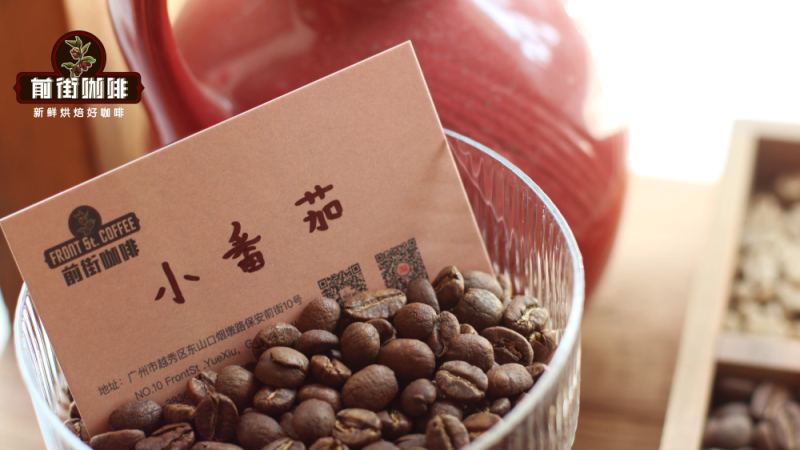
Kenyan coffee has long been famous for its bright berry-like acidity, yet many early books recorded it as a dark roast, which is completely at odds with today's mainstream understanding. This time, Front Street Coffee selected two high-altitude washed beans—Kenya Small Tomato and Karogoto—roasted uniformly to the start of second crack, then respectively conducted cupping, pour-over, and French press evaluations, and also tried blending them 1:1 with dark-roasted Mandheling to make espresso. What kind of flavor transformation can dark roasting actually bring? Does it preserve a rich caramel tone, or does it wipe out the original floral and fruity aromas? Using measured data and brewing parameters, this article takes you to re-examine the pros and cons of dark-roasted Kenya, as well as its unique value in blending.
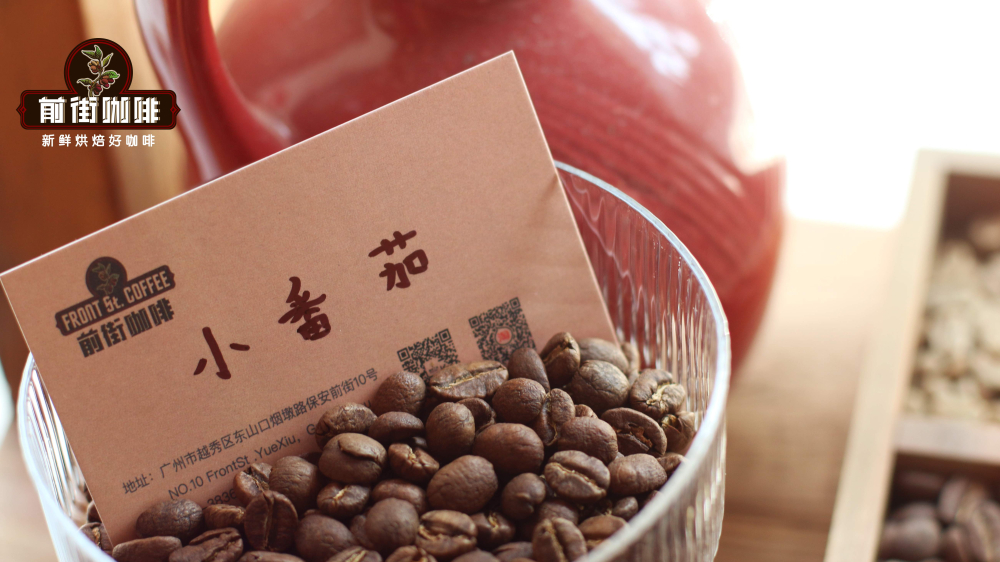
For more specialty coffee knowledge, please follow our WeChat official account: Front Street Coffee (FrontStreet Coffee) Most people who love Kenyan coffee are captivated by that bright acidity. However, while browsing some old materials, Front Street discovered that Kenya was once also suggested to be processed with a dark roast, which almost runs counter to the current trend of pursuing light-roasted floral and fruity notes. So what exactly does dark-roasted Kenya taste like? Let's take a look together. The two beans selected for this test are Front Street Kenya Small Tomato and Karogoto, with producing areas in Nyeri and Thika in Kiambu, Kenya. In terms of altitude, Karogoto is 1800 meters, and Athalia is 1550 to 1750 meters, both belonging to high-altitude cultivation. Both beans adopt Kenyan-style washing processing, and the varieties are SL28 and SL34.
Both of these beans have relatively thick flesh and belong to the high-altitude hard bean type, while the Bourbon variants SL28 and SL34 themselves also tend toward hard beans. Overall, Kenyan washed beans have relatively poor heat permeability, and heat takes longer to conduct to the center of the bean, so they are indeed quite suitable for sufficient development through dark roasting.
\n\n
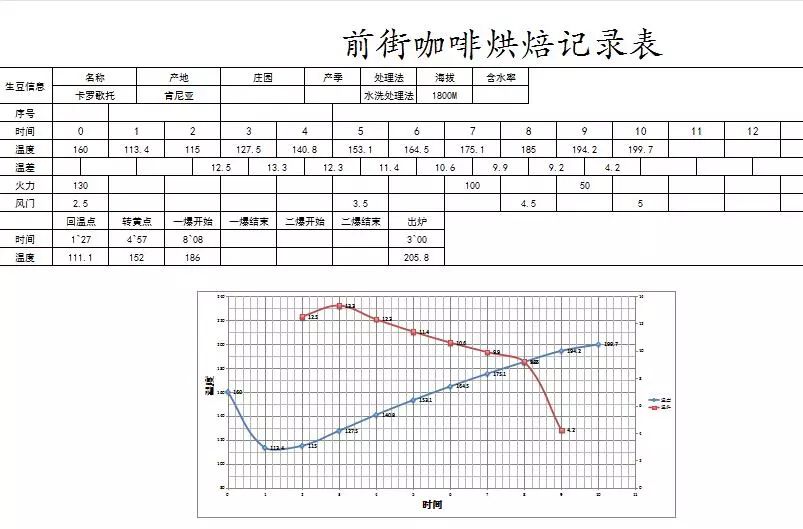
We dark-roasted these two coffees respectively, uniformly roasting until the start of second crack, when the wrinkles on the bean surface had completely unfolded, then dropped the beans, and subsequently performed cupping.
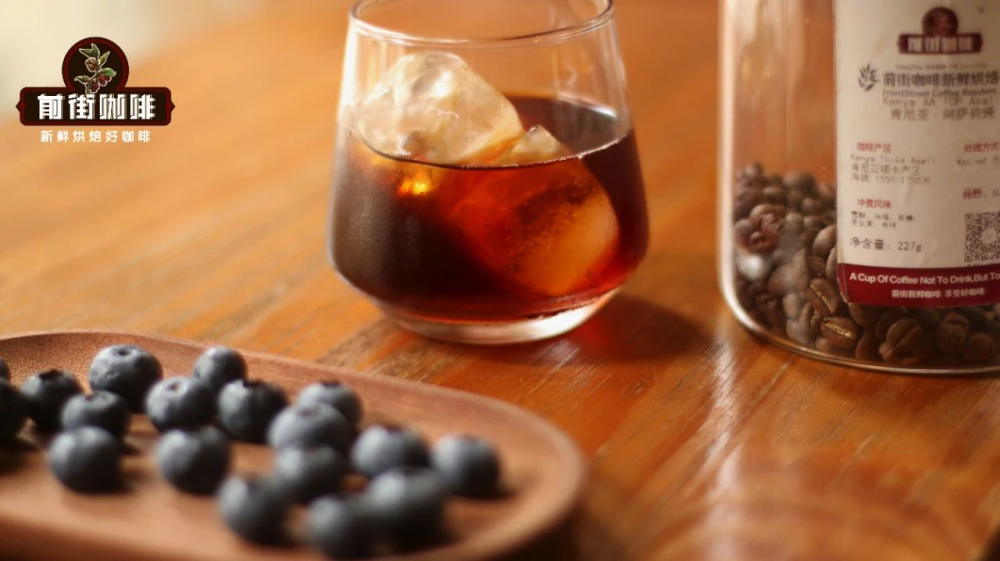
Flavor Evaluation Karogoto: Cedar, flowers, herbs, almonds, with berry acidity and a balanced mouthfeel. Small Tomato: Citrus, plum, berries, hazelnut, chocolate, with soft acidity, a full body, and a high-sweetness finish. Compared with the light-roasted versions, the acidity of both dark-roasted Kenyans decreased noticeably. Karogoto's dry aroma of tomato basically disappeared, giving way instead to a rich spice aroma; Small Tomato's blackcurrant acidity was also gone, developing aromas of berries and citrus. Brewing Evaluation We selected Athalia, which had the better flavor performance, and conducted brewing tests with two different devices.
1. Pour-over V60 dripper, 16 grams of coffee, medium-coarse grind, brewing water temperature 88°C, coffee-to-water ratio 1:16, brewing time 2 minutes 15 seconds. Method: For the first pour, add 30g of water and bloom for 30 seconds; for the second pour, add 130g of water, then stop pouring for a moment; for the third pour, add 100g of water. The wet aroma has floral and citrus notes. On the palate, there is a slight astringency, with almond and berry flavors. The body is full, with flavors of cedar and toffee. The finish is warm citrus.
2. French press 2-person French press, 16 grams of coffee, medium-coarse grind, brewing water temperature 87°C, coffee-to-water ratio 1:16, brewing time 2 minutes 30 seconds. Method: Warm the pot, then add the coffee grounds. First pour 30g of water and stir slightly to bloom for 30 seconds; for the second pour, add 230g of water, cover, and steep for 2 minutes; finally press down quickly. The Kenyan coffee made with the French press has a thin layer of oils on the surface, a cleaner mouthfeel, and no astringency. It has flavors of citrus, almond, and caramel. In the later stage and finish there is a rich berry aroma, with the taste of cedar faintly appearing in the background, and a very long finish.
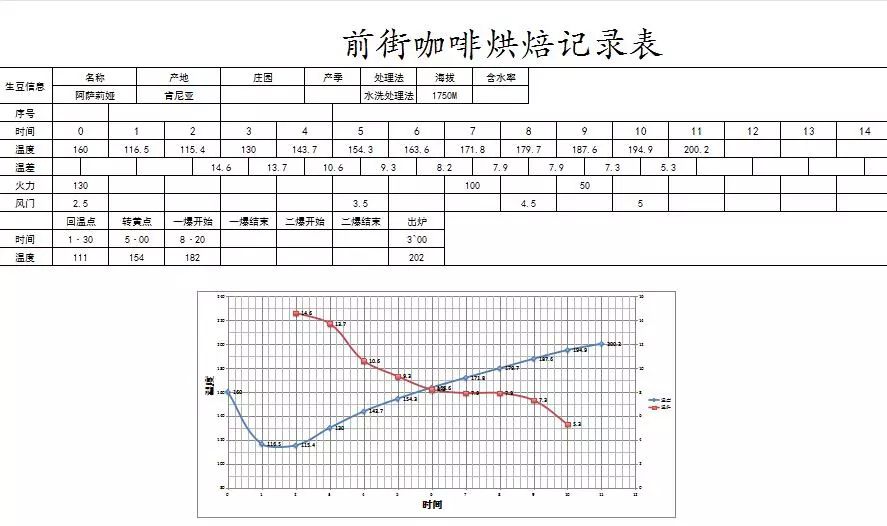
We found that this dark-roasted Small Tomato was actually very suitable for the French press, and we further thought: what if it were made into espresso? Kenya as an SOE has very high acidity, and the body is on the thin side, so the mouthfeel is not very good either. Front Street, not being acid-loving types, decided to add a bean with high body and mouthfeel to pair with it, and thus a rather unusual combination was born.
\n\n
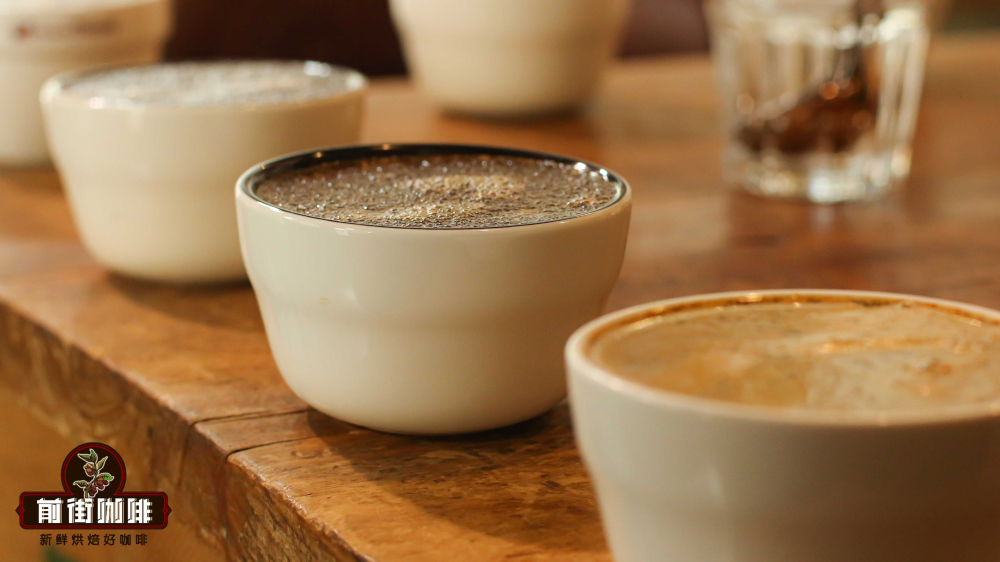
Dark-roasted Mandheling + dark-roasted Kenya 1:1 espresso
This blended espresso turned out to be really good! Rich crema, full body, with the intense aromas of toffee, chocolate, and peach, and a lasting almond flavor. Made into a milk coffee, it is very rich and smooth, irresistibly reminding one of a dense dark chocolate cranberry brownie cake. After research, if Kenyan coffee beans are used as a single-origin coffee, although dark roasting brings woody aromatic qualities from dry distillation reactions and rich caramelized flavors, it also wipes out its originally excellent floral and fruity flavors, especially the berry notes and juicy feel, so it can be said to be a double-edged sword. As for Kenyan beans used in blending, in order to obtain a full-bodied and balanced mouthfeel, dark roasting is a relatively suitable roast level.
Finally, let us talk about why there is the idea of dark-roasted Kenya. This kind of view mainly appeared during the second wave of coffee, that is, the era when espresso was all the rage, and at that time roasting machines and roasting technology were still relatively backward, and processing methods were still relatively rough. Roasters' understanding of coffee beans also led them to classify some hard washed beans as difficult to roast (indeed, Kenya is not easy to roast through), and using a dark roast could effectively solve the problem of underdeveloped beans. With the rise of specialty coffee, European-style light roasting highlights enzymatic floral and fruity aromas, and more and more beans originally thought to be suitable only for dark roasting have moved toward medium or even light roasting, in order to express their most original regional flavor. In exploring the degree to which a bean should be roasted, we now have broader room for imagination.
The above content is compiled by CoffeeHunters, a coffee news website.


