







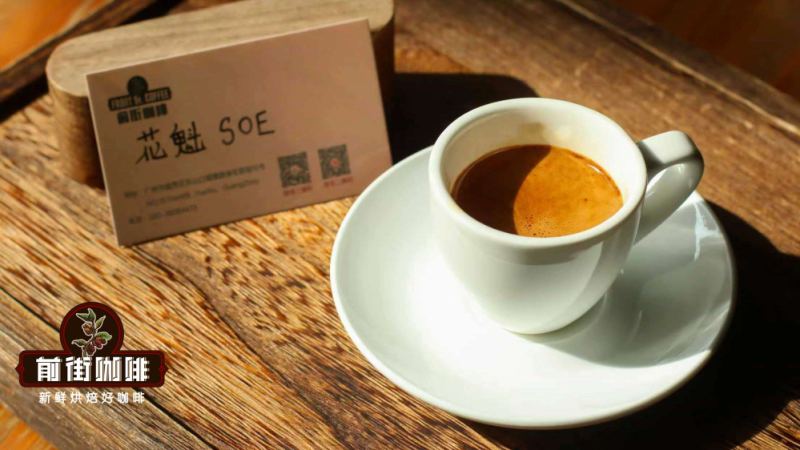
SOE is a popular category in today's specialty and chain coffee shops, referring to espresso extracted from single-origin coffee beans. It can showcase a region's character at high concentration, but stability and roasting compatibility are often overlooked. This article uses comparative experiments between pour-over and espresso to illustrate flavor differences, sorts out the advantages and shortcomings of SOE, and offers selection guidance: you can use single-origin beans roasted to medium or darker, or directly choose beans specifically designed for SOE. The article also combines examples such as Front Street Strawberry Candy, Brazil Queen's Estate, and Grana Geisha to explain how different processing methods and roasting affect espresso and milk coffee performance, and emphasizes the importance of freshness for flavor.
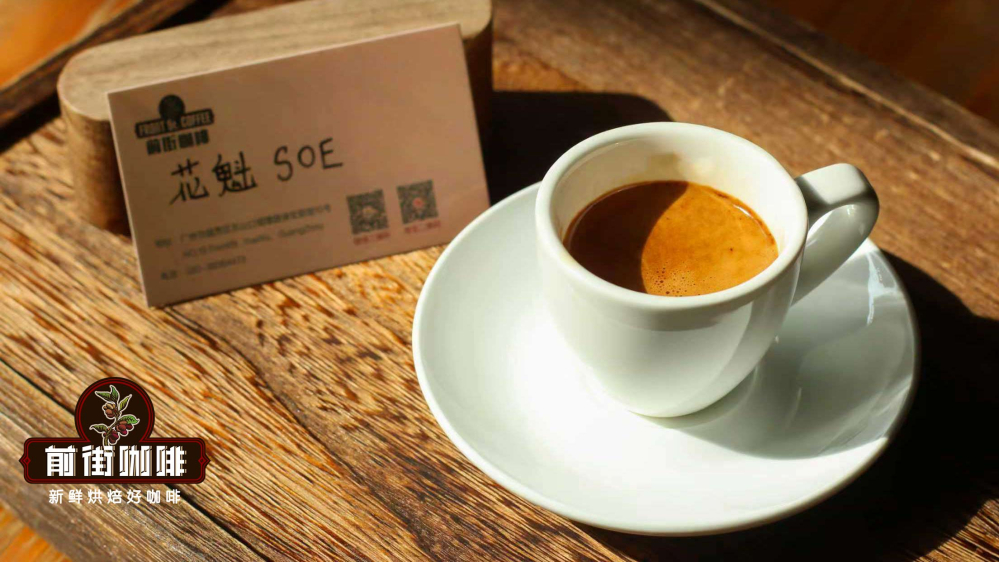
Today, in specialty coffee shops and chain coffee shops, SOE has become almost a regular on the menu. Its definition is not complicated: espresso extracted through an espresso machine using coffee beans from the same origin (that is, single origin). Its appeal lies in the fact that even at a high concentration, the coffee liquid can still clearly express the distinctive flavor profile of a certain origin.
Differences in flavor and mouthfeel between single-origin pour-over and single-origin espresso
Front Street Coffee conducted a comparative test using a medium-light roast of its own "Front Street Yirgacheffe Gudingding Cooperative Washed Coffee Beans." When using medium-fine grinding, a 1:15 coffee-to-water ratio, and 91°C drip extraction, it presented bright citrus acidity, a slight white floral note, and a sweet, smooth finish reminiscent of honey green tea, full and balanced overall.
Switching to extra-fine grinding and using an espresso machine at 9-10 bar pressure to quickly pass 94°C hot water through a evenly distributed and tamped coffee bed to obtain an espresso with a 1:2 coffee-to-liquid ratio, this SOE showed pronounced citric acidity, a berry-juice-like mouthfeel, and an oolong tea-like sweet aftertaste, but overall it seemed slightly thin.
Putting the two extraction methods side by side, it becomes clear: with the same single-origin beans, pour-over is balanced and pleasant to drink, while as espresso, because the concentration increases, the acidity is amplified; combined with a relatively light roast, there is insufficient body, so the final mouthfeel easily appears thin.
The strengths and weaknesses of SOE coffee
Front Street Coffee believes that the value of SOE lies in amplifying the distinctive flavor of the origin, with richer layers; whether adding water to make an Americano or adding milk in different proportions to make various milk coffees, it allows the characteristics of a certain origin to continue to be tasted.
But its problems are also very direct: insufficient stability. Coffee beans are, after all, an agricultural product, and their flavor is affected by natural conditions each year. Even if they come from the same region, differences may occur, so it is difficult to keep espresso exactly the same over the long term. In addition, beans roasted too light for SOE can easily turn out sharply acidic and thin.
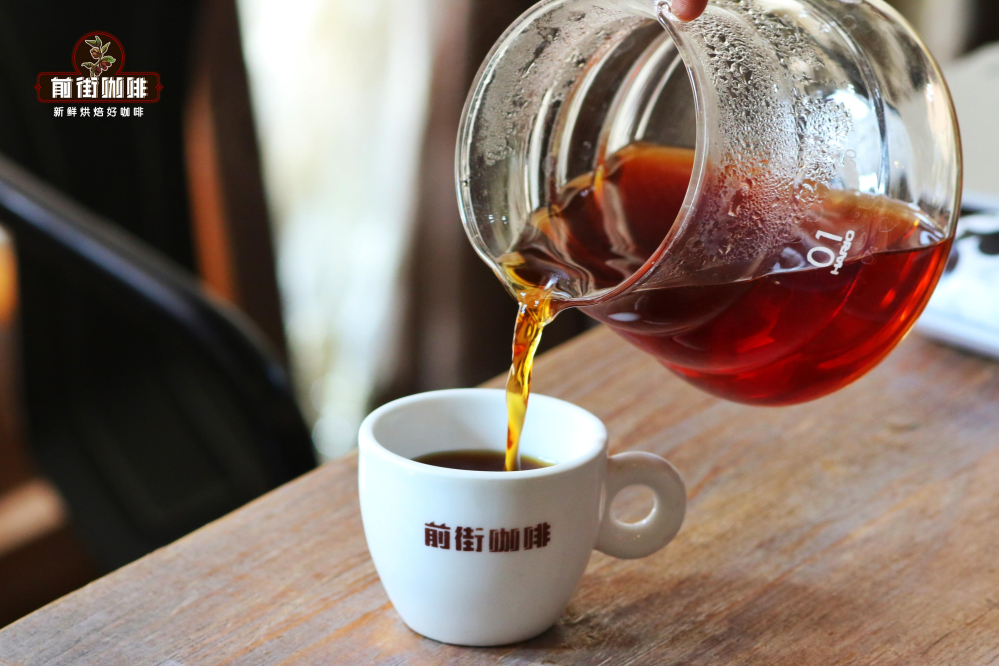
Usually, what sells best in a coffee shop is still espresso, and whether the product is stable directly affects whether customers can be retained. So many shops make dark-roast espresso blends the default option and additionally offer SOE as a supplement; the pricing of SOE depends on the beans and is not necessarily cheaper than pour-over.
How should SOE coffee beans be selected?
SOE aims to express origin flavor in the form of espresso, so many beans need their roasting curves redesigned, and single-origin SOE beans specially prepared for espresso machine extraction have also appeared on the market. At Front Street, if you want to find beans suitable for making SOE, baristas generally give two directions: first, choose single-origin beans roasted to medium or darker; second, directly choose the SOE category.
Choosing from single-origin pour-over beans
1. Front Street Strawberry Candy Coffee Beans
Anaerobic honey processing allows the coffee beans to retain the mucilage layer for sealed fermentation before drying, pushing sweetness higher. This bean has obvious raisin, strawberry gummy, and faint floral notes when pour-over; after being made into espresso, it shifts into rich berry jam and orange chocolate notes.
2. Front Street Queen's Estate · Brazil Yellow Bourbon Coffee Beans
If the previous few are not the type you like, you can take a look at this Front Street Brazil Queen's Estate coffee bean from Brazil, a major coffee country. Medium-dark roasting brings solid nut, cream, and peanut aromas, with a finish of sufficiently sweet chocolate; when extracted as SOE, the crema performs beautifully, and as a milk coffee it is also full of aroma.
3. Front Street Grana Geisha · Ethiopia Coffee Beans
This is a native Geisha produced in Ethiopia. When pour-over, the profile is bright, the body is light, and the finish has a tea-like note; when made into an Americano, it is dominated by berry acidity, accompanied by the fermented aroma of ripe plum; after adding milk, it presents the fresh fragrance of yellow peach, guava, and black tea, with relatively coordinated acidity and sweetness.
For the same bean, many merchants offer two different roasting curves for pour-over and SOE. Generally speaking, floral-and-fruity acidic single-origin pour-over beans are expressed with a light to medium roast; SOE beans are roasted slightly darker than pour-over, but the main flavor theme is not completely changed, so that the espresso has both fruity acidity and the sweet aroma brought by caramelization, so most are controlled at medium roast.
Taking Front Street as an example, the Front Street Yirgacheffe Red Cherry Coffee Beans and Front Street Huakui Coffee Beans, also from Ethiopia, are both divided in the roasting level column into "pour-over light-medium roast" and "SOE espresso roast." The former is suitable for atmospheric pressure extraction methods such as pour-over, cold brew, French press, and drip bags; the latter is preferentially used for pressure-based extraction such as espresso machines and moka pots.
No matter what extraction method is used, Front Street believes freshness is very important. If beans with a roast date more than one month old are used, part of the aroma may already have dissipated, and an unpleasant woody taste may appear. Front Street hopes that every customer who places an order can drink the coffee aroma during the best tasting period, so it only ships beans freshly roasted within 5 days. To make a better-flavored SOE, Front Street recommends using freshly roasted single-origin coffee beans.
The above content is compiled by CoffeeHunters, a coffee news website.


