







What Causes a Sour Americano in Modern Cafes?
A sour americano is usually not spoiled coffee. The acidity comes from lighter roasting of espresso beans, a shift away from the dark, burnt-bitter Italian style toward profiles that keep floral and fruity notes. Cafes now pull espresso with beans roasted to preserve brightness, so when water is added the cup shows tart, fruit-like acidity instead of only bitterness.
The change started in pour-over coffee, where flavor became the main selling point, then moved into espresso. SOE americano, made from a single-origin espresso, pushes that fruity acidity further. Drinkers who expect a deep, bittersweet cup may read the tartness as a defect, but it reflects roast level and bean choice rather than spoilage.
Americano coffee is, in many people's minds, synonymous with a bitter, invigorating brew. However, in recent years, more and more Americanos have taken on a bright acidity, which has delighted some drinkers and confused others. This acidity is not due to spoilage, but rather the result of a shift in flavor trends and evolving roasting philosophies in the coffee industry. From the perspective of Front Street, this article analyzes the underlying reasons why Americano coffee has become sour, sorts out the differences between Italian-style roasting and Nordic ultra-light roasting, and explores how SOE Americano pushes fruity acidity to the extreme. Whether you prefer a rich, bittersweet cup or one with floral and fruity sweet-tart notes, you'll find the right one for you.
In most people's conventional understanding, Americano coffee is simply a cup of bitter, coffee-scented water. People order it mostly to get a quick dose of caffeine, while its flavor is clearly superior to instant products. In addition, on café menus, Americano is usually one of the lower-priced options, so many office workers and ordinary consumers have become regulars.
However, more and more Americanos today no longer present that deep, burnt-bitterness profile; instead, they display a flavor profile with acidity. According to Front Street's observations, some friends experience a sudden clarity when they drink this type of Americano, and their understanding of Americano coffee is completely refreshed; while others find it hard to accept, thinking that sour taste doesn't resemble coffee at all, and even suspect the beans have gone bad.
In fact, the acidity in Americano coffee is completely different from spoilage-induced sourness. The real driver is the shift in consumer taste preferences—from the traditional burnt-bitter style gradually toward flavor types interwoven with floral notes and fruity acidity. This change first appeared only in the pour-over coffee segment, and later espresso, seeing the success of pour-over, also began to use flavor as its core selling point.
So, why does Americano coffee taste sour?
Front Street believes that a key factor is that today's espresso beans are generally roasted lighter than in the past. The degree of roasting directly influences the direction of coffee flavor. In the era when the Italian school was mainstream, espresso beans were often roasted extremely dark, a practice known in the industry as "Italian roast," meaning the beans were only removed after entering second crack. At this point, the bean surface is nearly charcoal-black with an obvious oily sheen. Using such beans to make Americano yields a rich, burnt-bitter taste.
For consumers who prefer a smooth, sweet Americano coffee, Front Street usually recommends dedicated espresso blends first. These beans are not only more stable for daily extraction, but also have a more approachable taste that is easily accepted by the public, and they can adapt to a variety of brewing methods. For example, Front Street Basic Espresso Blend, Front Street Commercial Espresso Blend, and Front Street Classic Espresso Blend can all be used simultaneously in home espresso machines, moka pots, and French presses.
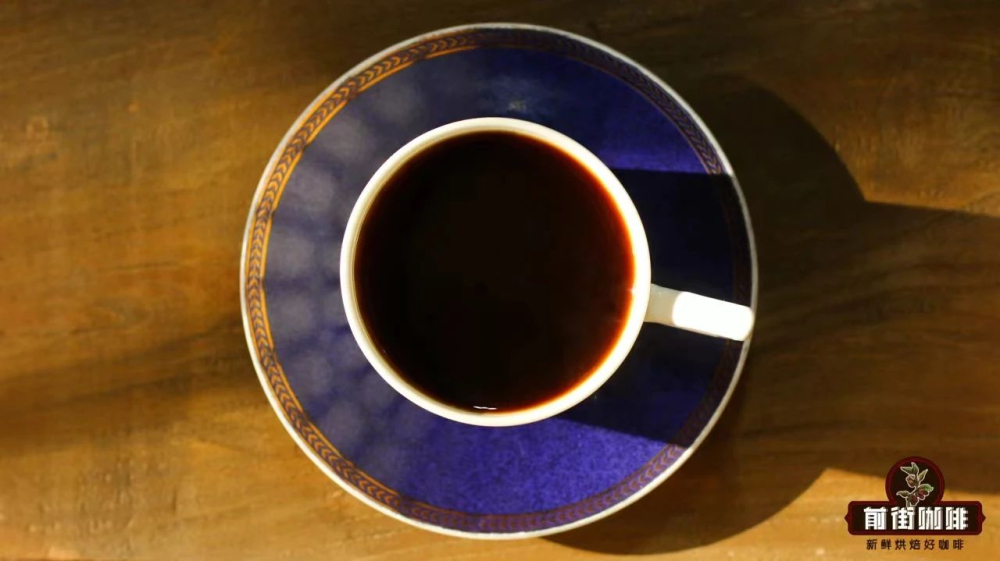
Later, the Nordic school began to emerge, pursuing explosive flavors interwoven with floral notes and fruity acidity. In roasting, they favored rapid dehydration and fast roasting, which the industry calls Nordic ultra-light roasting. It should be noted that "ultra-light" here is not equivalent to what is now called light roasting. At a time when deep roasting was globally the norm, Nordic roasters boldly removed the beans right after first crack, which was a rule-breaking approach. By today's standards, the Nordic ultra-light of that time is roughly equivalent to today's medium roast. Using slightly lighter-roasted beans to make Americano naturally reduces bitterness while relatively highlighting acidity and sweetness.
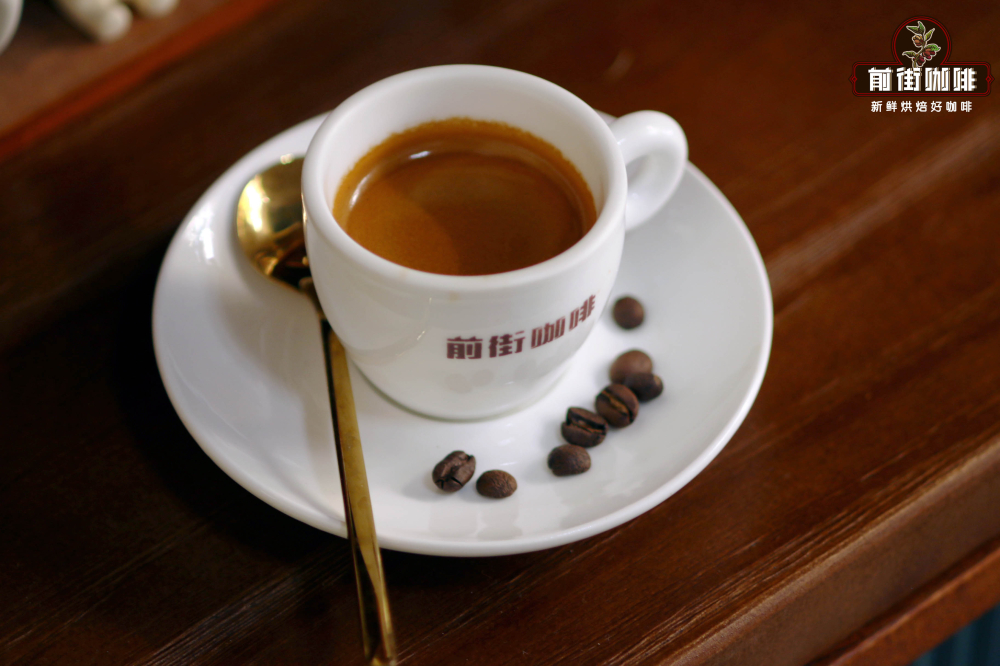
The currently popular SOE Americano showcases the acidity of Americano even more vividly. SOE stands for "Single Origin Espresso," referring to espresso extracted from single-origin beans, with the aim of presenting the flavor characteristics of the single-origin beans themselves. Therefore, when selecting beans, varieties with high flavor distinctiveness such as Yirgacheffe, Colombia Finca La Palma Strawberry, and the like are often chosen, while Brazil, Blue Mountain, and Mandheling are used less, because the SOE made from the latter does not differ much from traditional espresso blends. In terms of roasting, these SOE beans are usually roasted slightly lighter to highlight the original flavor. So Americano made with SOE beans often carries a distinct fruity acidity.
Professional coffee knowledge exchange For more coffee bean information, please follow Front Street Coffee (FrontStreet Coffee)
The above content is compiled by CoffeeHunters, a coffee news website.


