







A pot of aromatically charming coffee should naturally be paired with elegant coffee equipment. When it comes to the wide variety of equipment out there, why do some people prefer certain types? Today we're going to talk about the equipment they like — what magic does it actually have that can change the coffee they brew? Using simple words and principles, we want to tell everyone how to choose a filter as your brewing tool.

Pros and Cons of Metal Filters
‧Pros:
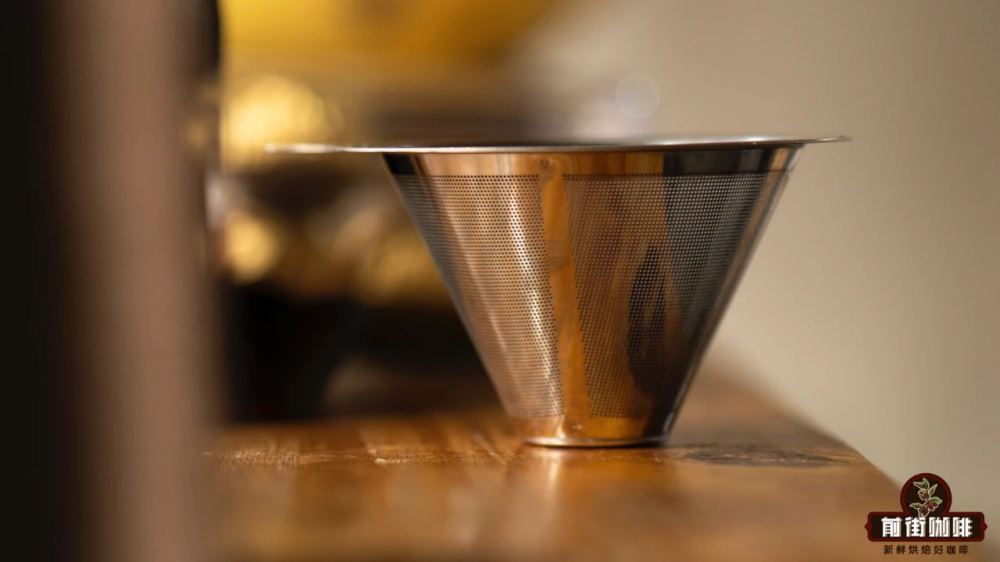
The obvious advantage that people generally notice with metal filters is that the coffee tastes smoother, because the coffee oils are retained. When pour-over brewing, you can taste the most original flavor of the coffee (personally, I think it's quite similar to the mouthfeel and flavor of a French press). The acidity and bitterness also become more balanced, and the sweetness isn't lost. This kind of filter is more about preserving the original taste of the coffee.
‧Cons:
Of course, if you're a brewer who cares about coffee fines, you'll feel that the fines can't be fully filtered out (though there are now filter baskets that produce very few fines — it depends on your budget!). Metal filters currently don't have prominent turbulence design (the grooves on the filter basket), so there's often misunderstanding about uneven extraction or over-extraction. Sometimes you'll also hear comments that coffee brewed with metal filters tastes more bitter. Then there's the fact that for brewers who demand clear layers of flavor in their coffee, you really have to put in the effort to figure it out — after all, the acidity from metal filters isn't bright enough, and the expression of layering is relatively blurrier. When you want to showcase distinct acidity as the coffee goes from hot to cold, paper filters are relatively better at presenting it!

Pros and Cons of Paper Filters
‧Pros
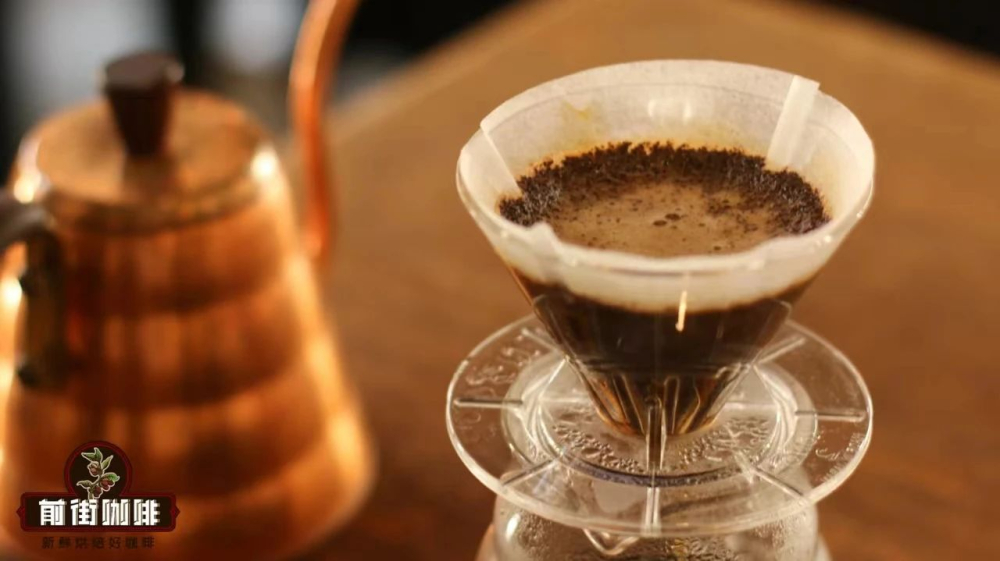
Paper filters are the most commonly used coffee filter material on the market, and I believe everyone's level of satisfaction with them is generally quite high. For coffee lovers who use paper filters, the advantage is that they give us noticeably bright acidity and aroma in the coffee, bringing out distinct layers of flavor — this is everyone's common takeaway. Whatever fruity notes you should taste and how they change from hot to cold — paper filters make this most obvious.

‧Cons
If we're talking about downsides, it's probably that the oils in the coffee are noticeably reduced, and the richness or smoothness when drinking light roasts is less than with metal filters. Paper filters also relatively filter out some of the coffee's flavors (bitterness, and personally I think dark roast flavors are somewhat weakened, along with other flavors, etc.……). Then there's the environmental aspect — you inevitably waste more paper. And when brewing, you must first rinse away the paper pulp taste with hot water to avoid extra papery or other off-flavors.

Pros and Cons of Cloth Filters
‧Pros:
Cloth filters are reusable and give a round, mellow taste. They're very suitable for extracting medium roasts or even darker roasts with good sweetness. When it comes to presenting bold coffee flavors, cloth filters do this very well. Many pour-over enthusiasts also seek out cloth filter schools of brewing to learn from. The best thing is probably that cloth filters give off a much more leisurely, relaxed atmosphere. For those who enjoy brewing a pot of coffee at home, this piece of equipment will be your good friend.

‧Cons:
Maintaining cloth filters is relatively troublesome. If you don't clean the coffee oils off the cloth thoroughly over long-term use, it will bring out a greasy coffee taste, so you absolutely must clean and maintain the cloth filter well. Then there's the fact that flavor presentation will definitely differ. Compared to paper filters, cloth filters are like metal filters — assuming the brewing method is the same, cloth filters can bring out good mouthfeel and present oils relatively well. But correspondingly, if you want detailed aromas to burst forth, you must adjust your brewing technique, otherwise the taste will come out muddy. So when learning to use flannel cloth, your brewing method also needs to be adjusted for the filter!
How Should You Maintain Your Filter?
Today's siphon filters and filter materials come in many materials — there are metal ones, improved cloth filters (mesh-like), paper ones, and many different filter materials and filters to choose from. You can search around more for your ideal combination!
When using filters, people often ask "metal filters get a greasy/oily smell" or "flannel is hard to clean and maintain." Regarding these issues, my maintenance method is to use boiling hot water with baking soda added, soak your filter in it, and once the water cools, just rub and wash it. After the oils have mostly dissolved, rub it again with clean water and rinse thoroughly, then hang it to dry. When you're ready to brew next time, you can use it directly!

The only small difference in detail is that metal filters just need to be air-dried. For cloth filters, remember to wrap them in a ziplock bag or an airtight bag, and you can put it in the fridge to avoid absorbing fridge odors or getting moldy.
The above content is compiled by CoffeeHunters, a coffee news website.


