







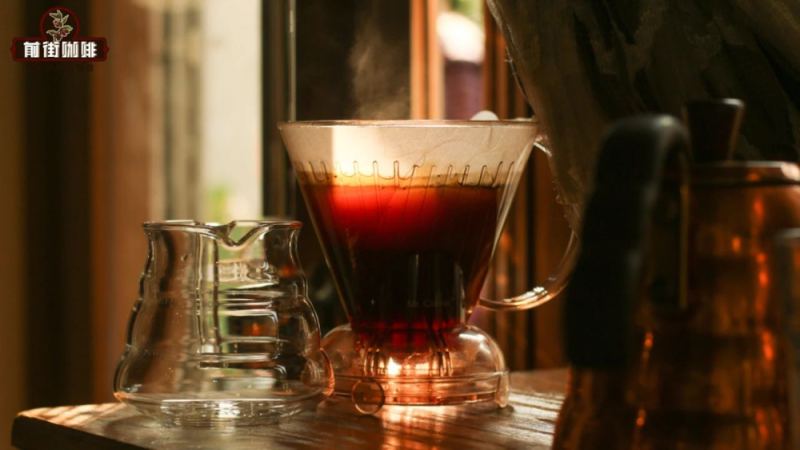
As a member of the pour-over dripper family, the Clever Cup is widely recognized in the international coffee community thanks to its unique piston valve design and stable extraction performance, and it is also a designated brewing device in many specialty coffee shops. It has a low barrier to entry and is easy to clean, making it especially friendly to beginners just getting into pour-over. This article will walk you through the Clever Cup's origin, structural principles, advantages, and disadvantages, and through a pairing with Front Street Coffee's Huakui coffee beans, compare the flavor presentation differences among three brewing methods—the V60 dripper, the Clever Cup, and the French press—to help you find the cup that suits you best.
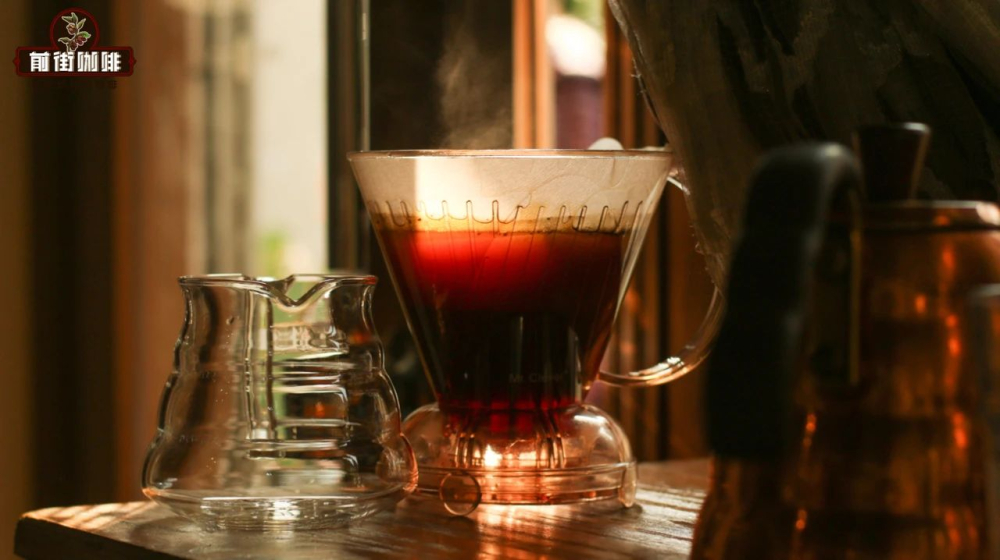
The Clever Cup is a type of pour-over dripper, widely recognized internationally and listed by many specialty coffee shops as a designated brewing device. Its operation is simple and its consistency is high, allowing every pour-over beginner to get started easily and brew a good cup of coffee at home. Cleaning it afterward is also very convenient, making brewing coffee much easier and simpler—it can almost be called one of the essential coffee brewing devices for the home.
In 1908, Mrs. Melitta of Germany used her son's draft paper to filter coffee grounds, and just like that, inadvertently invented the world's first device for brewing coffee using a dripper paired with filter paper. In 1933, Caliman invented the French press in Italy.
Coffee equipment has continued to evolve with the times—some pursue a better mouthfeel, some aim to present richer flavor layers, and some are simply to make it easy for entry-level enthusiasts to get a delicious cup of coffee. A good piece of coffee equipment allows coffee novices to repeatedly brew coffee with consistent flavor, and the Clever Cup is exactly such a beginner-friendly dripper.
The origin of the Clever Cup can no longer be verified; what can currently be confirmed is that it was invented in Taiwan, China, in the early twenty-first century.
The core of the Clever Dripper's design lies in the piston valve at the bottom of the dripper. After hot water is poured into the dripper, the water pressure causes the piston valve to automatically seal and stop the water, allowing the coffee grounds to fully soak in it; once soaking is complete, placing the dripper on a mug presses the base plate, causing the piston valve to open, and the coffee liquid slowly flows into the lower vessel. It can be said to combine the strengths of both the French press and the pour-over dripper—it can provide a fully immersed environment like a French press, retaining coffee oils for a full, rounded flavor, while also having the filtration function of a pour-over dripper, thoroughly filtering out coffee grounds so they don't affect the mouthfeel.
Now that you understand the Clever Cup's principle and design, Front Street will introduce its advantages and disadvantages. Since the Clever Cup is an immersion-type dripper, compared with drippers like the Hario V60, the difference in taste between the Clever Cup and pour-over is: the Clever Cup's flavor is more intense, and its mouthfeel is fuller and smoother.
The French press is also an immersion-type brewer, like the Clever Cup. The French press is very simple to use; it consists of a heat-resistant glass container and a metal filter with a plunger. When brewing coffee with a French press, you simply soak the coffee grounds and hot water in the container, then press down with the metal filter and plunger to separate the coffee grounds from the coffee liquid, resulting in a relatively clean cup of coffee.
The difference between the French press and the Clever Cup is that, because the Clever Cup uses filter paper, and filter paper is much denser than a metal mesh, coffee extracted with the Clever Cup wins outright over the French press in cleanliness. And because filter paper is used, a large portion of the coffee's oils remains on the paper, so the body of the coffee liquid from the Clever Cup is not as heavy as that from a French press.
Next, let's use Front Street's Huakui beans for a side-by-side comparison. As usual, we'll first introduce Front Street's Huakui beans.
Huakui 5.0 comes from the Hambela sub-region under the Sidamo production area. Following the African coffee naming convention, most are named after the production area or processing station—for example, Ethiopia's Gotiti comes from the Gotiti cooperative in the Yirgacheffe production area, and Konga comes from the Konga cooperative in Yirgacheffe.
The reason Huakui is called Huakui (meaning "the most beautiful" or "queen of flowers") is that in 2017, Ethiopia's Buku Abel estate produced a batch of natural-process coffee beans and sent them to compete in that year's TOH competition, ultimately winning the natural category championship in the 2017 TOH competition. That same year, a raw bean trading company in Beijing imported the same batch of coffee beans and, because it won the TOH natural category championship that year, named it Huakui. In Chinese, Huakui means "the most beautiful among a hundred flowers," and the raw bean company also placed great expectations on this coffee bean with that name.
Also in 2017, at the World Brewers Cup China regionals, most competitors used Geisha variety coffee beans at the time, and only Li Jianfei used non-Geisha beans, ultimately taking runner-up in the brewing competition. The fame of the Huakui bean continued to rise. Front Street's Huakui has a flavor profile with lively berry acidity, bright citrus acidity, honey sweetness, and a mango juice-like quality. Next, Front Street will use a V60 dripper, a Clever Cup, and a French press for a comparison. The dose used is 15 grams of coffee grounds, with a coffee-to-water ratio of 1:15.
[Hario V60 Dripper]
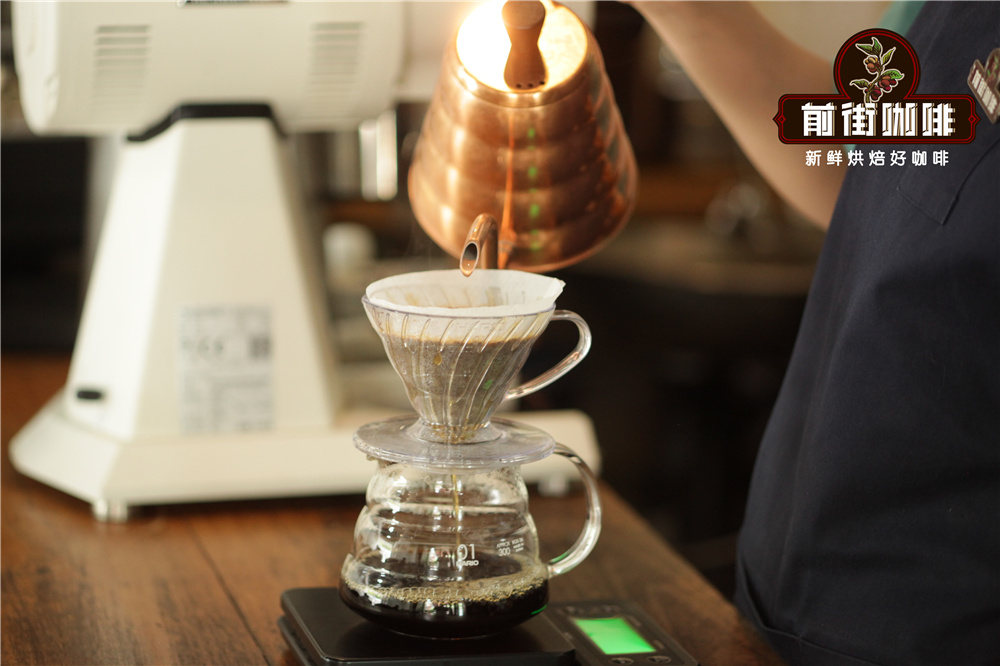
The name of the V60 dripper comes from the 60-degree angle of the dripper's conical design; in addition, 12 long ribs can guide the water flow toward the center. The large aperture design at the bottom allows the barista to control the coffee flavor extraction time by controlling the size of the water flow.
Because the V60 dripper has a relatively fast flow rate, and because Huakui coffee beans are roasted to a medium-light level to highlight the fruity aroma and acidity, Front Street recommends a medium-fine grind (80% passing through a Chinese standard No. 20 sieve) and a higher water temperature (93 degrees Celsius). For the brewing technique, a three-pour method can be used.
First pour 30 grams of water and let it bloom for 30 seconds, then pour the second stage of water up to 125 grams to divide the stages, then pour the third stage of water up to 225 grams and stop pouring; the total extraction time is about 2 minutes.
The Front Street Huakui brewed with the V60 shows a flavor profile of mixed berry aroma, the sweet-tartness of cream strawberry and passion fruit, honey sweetness, and a full mouthfeel.
[Clever Cup]
The bottom of the Clever Cup is divided into two parts: the outer layer plays a supporting role, and the inner layer has a press-type switch valve design. When brewing is complete, placing the Clever Cup on a container will filter out the coffee liquid. Since it is an immersion-type dripper, Front Street recommends a medium grind (75% passing through a Chinese standard No. 20 sieve) and a water temperature of 90 degrees Celsius.
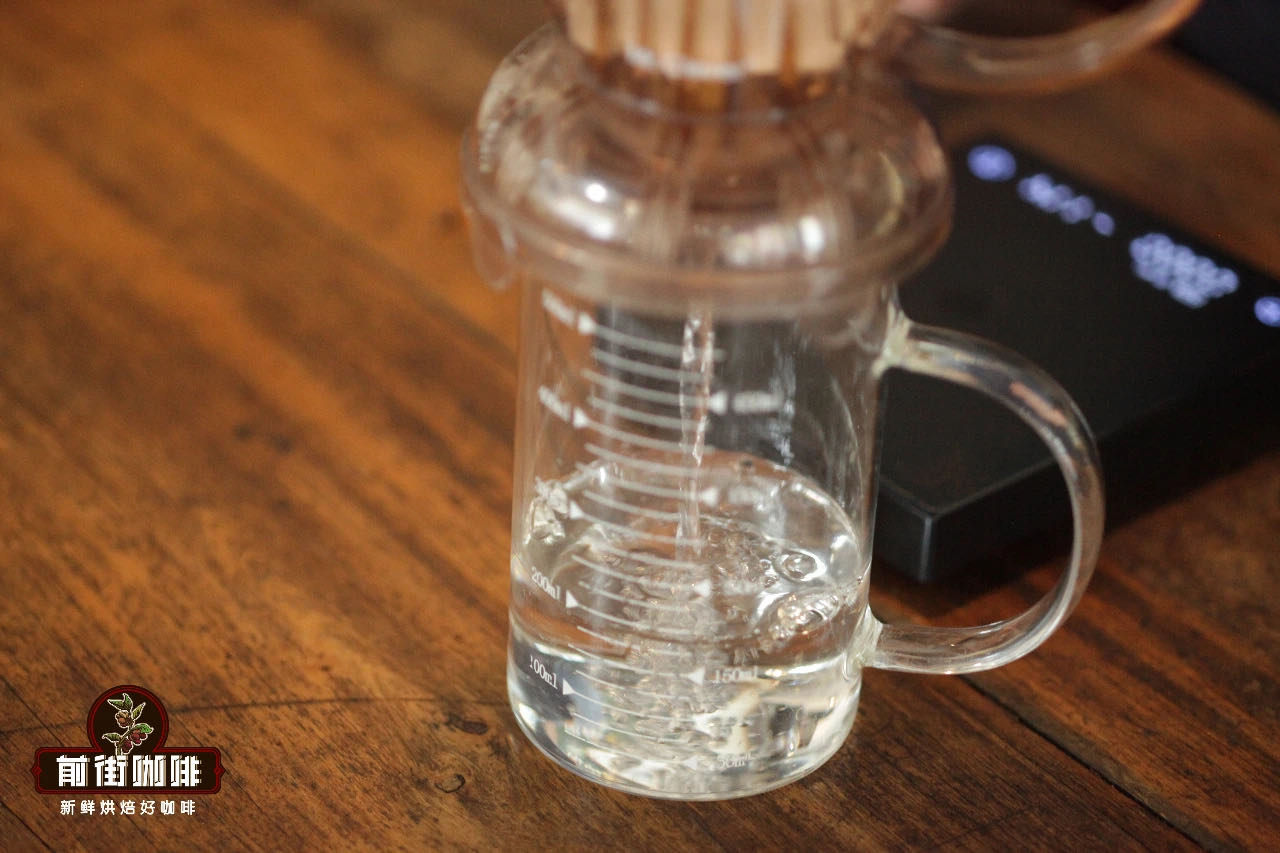
First pour 30 grams of water to bloom for 30 seconds, then pour hot water into the center of the dripper in a gentle stream up to 225 grams, and at 1 minute 50 seconds, open the valve to filter out the coffee liquid.
The Front Street Huakui brewed with the Clever Cup also has a mixed berry aroma, a full strawberry juice-like quality, a cream-smooth mouthfeel, and a black tea-like finish.
[French Press]
The French press extracts coffee through immersion; the longer the immersion time, the more substances are extracted from the coffee until saturation. Because the gaps in the metal mesh are much larger than those in filter paper, more oils are retained in the coffee liquid for a smoother mouthfeel, but at the same time fine grounds that cannot be fully filtered out will appear and affect the mouthfeel. Front Street recommends a medium-coarse grind (70% passing through a Chinese standard No. 20 sieve), a water temperature of 92 degrees Celsius, and a four-minute immersion.
Put the ground coffee into the pot, then pour in 225 grams of hot water, pull up the plunger, put on the lid, wait four minutes, then slowly press the plunger down.
The Front Street Huakui brewed with the French press has a mixed berry aroma, a full juice-like quality, a cream-smooth mouthfeel, and an overall full body.
The above content is compiled by CoffeeHunters, a coffee news website.


