







Search Results for: brewer
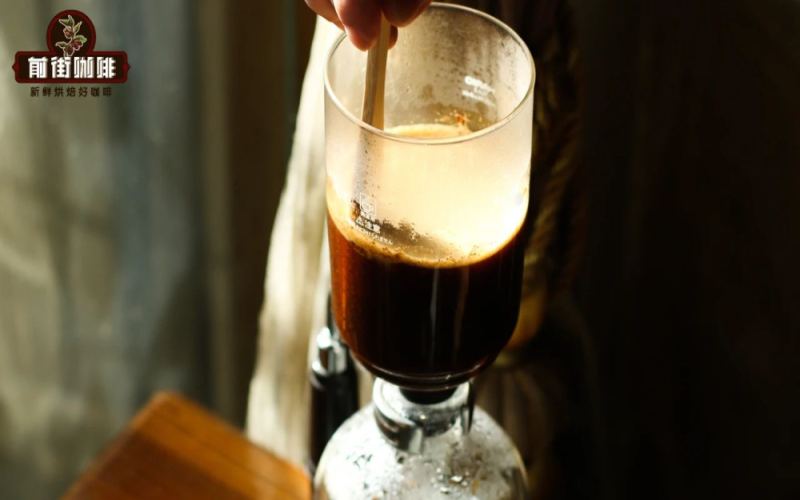
How to Choose the Grind Size for Siphon Coffee? A Detailed Explanation of Flavor Differences in Extraction with Different Grind Sizes
The siphon brewer, with its unique vapor pressure differential and siphon principle, has become a beloved brewing tool for many coffee enthusiasts. But whether the grind should be coarse or fine has always been a puzzling question for many. This article, from the perspective of Front Street, systematically introduces the structure and extraction mechanism of the siphon brewer, and focuses on comparing the effects of different grind sizes on coffee flavor, helping you find the parameters that suit you best in actual practice. Whether you are a beginner just getting to know the siphon brewer or a seasoned hand looking to refine your technique, you will find practical reference here. [more…]
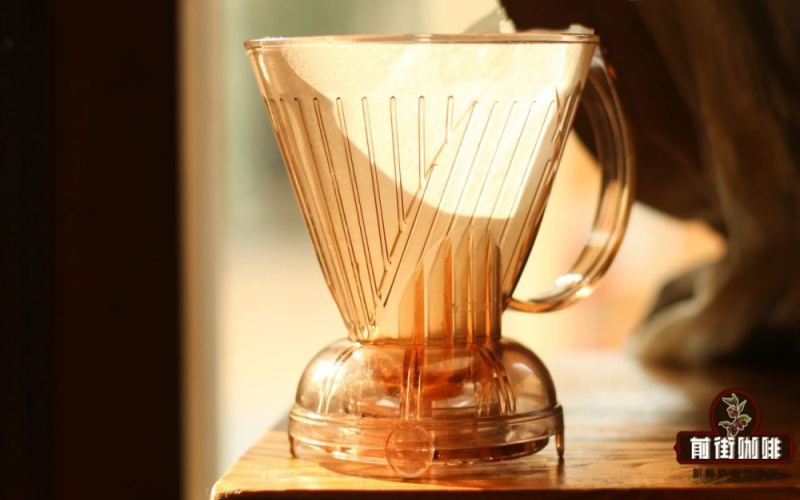
Clever Cup Pour-Over Coffee Beginner Tutorial: A Complete Guide to the Brewer's Principles, Brewing Parameters, and Step-by-Step Instructions
The Clever Cup is an ideal choice for many coffee beginners, combining the functions of both a dripper and an immersion brewer, with a low barrier to entry and consistent results. From the perspective of Front Street Coffee, this article systematically introduces the origins and naming of the Clever Cup, its core structure and working principle, and, using the Strawberry Candy Geisha Blend as an example, shares brewing parameters such as coffee dose, coffee-to-water ratio, water temperature, and grind size, along with the specific brewing process, helping coffee enthusiasts easily master the techniques for using this device and brew a full-flavored, clean-tasting cup of good coffee at home. [more…]

The Rise of Blended Beans: New Trends at the 2024 World Brewers Cup and an Analysis of the Champion's Brewing Approach
The 2024 World Brewers Cup (WBrC) and World Cup Tasters Championship concluded in Chicago, USA, with Austrian competitor Martin Wolf taking the crown. One of the biggest highlights of this year's event was that four of the six finalists independently chose blended coffee beans, ranging from two-bean blends to three-bean blends, and from cross-origin mixes to combinations of different processing methods, showing an unprecedented diversity in blending strategies. This article reviews the competition results, analyzes the competitors' blending approaches, and explores why blended beans have become a new trend in specialty coffee competitions. [more…]
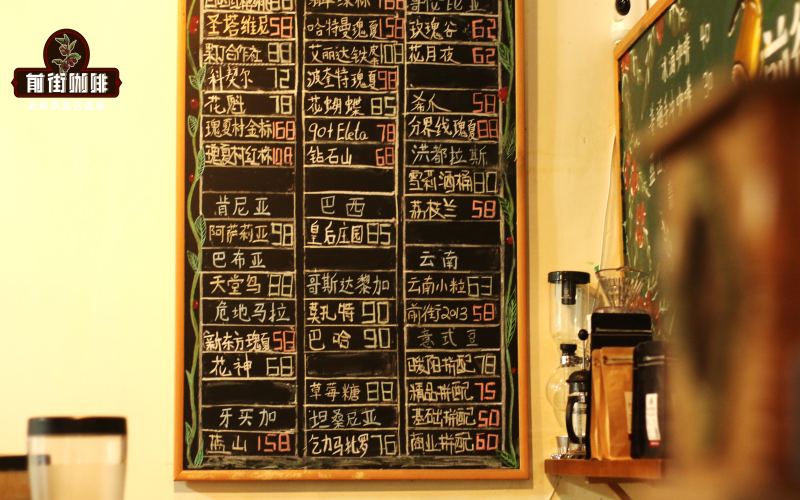
Complete Guide to the Syphon: Structure, Usage, and Flavor Characteristics of the Siphon Coffee Maker
Among the many coffee brewing methods, the siphon pot (vacuum coffee maker) has always maintained a loyal following thanks to its unique vacuum extraction principle and ceremonial brewing process. It was invented in the early 19th century, nearly a century earlier than pour-over coffee, yet because of its full-bodied, solid mouthfeel and rich aroma, it still holds a place in the specialty coffee world today. In this article, Front Street Coffee will guide you into the world of the siphon pot, starting from its origins and evolution, breaking down the structural details of the upper chamber, lower chamber, stand, and filtration system one by one, and explaining the essential differences in flavor expression between this ancient device and pour-over coffee, helping coffee lovers gain a comprehensive understanding of how to use the siphon pot and its characteristics. [more…]
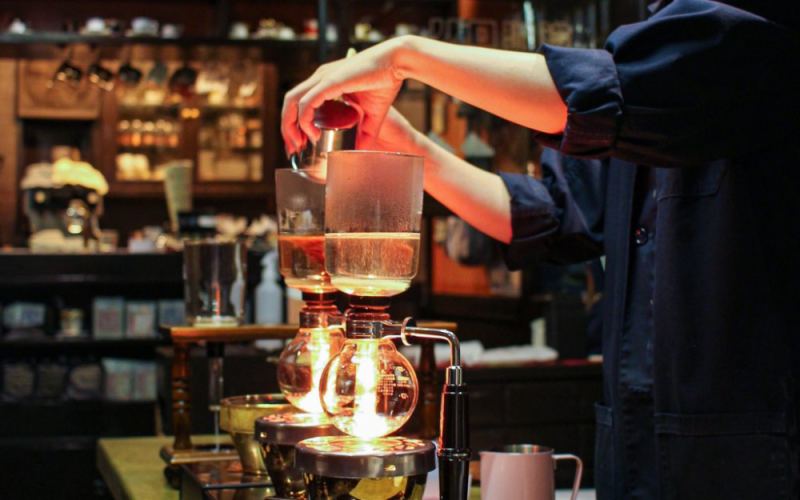
How a Siphon Works | What Makes Up the Structure of a Siphon Coffee Maker? How Do You Brew Coffee with a Siphon? What Are the Key Points for Making Siphon Coffee?
The siphon pot, with its appearance resembling laboratory equipment, is a coffee brewing tool that extracts coffee by utilizing pressure changes caused by steam and the siphon principle. It first appeared in Europe, and the trademark registration for the siphon pot was owned by a French lady, Marie Fanny Amelne Massot, exquisite [more…]
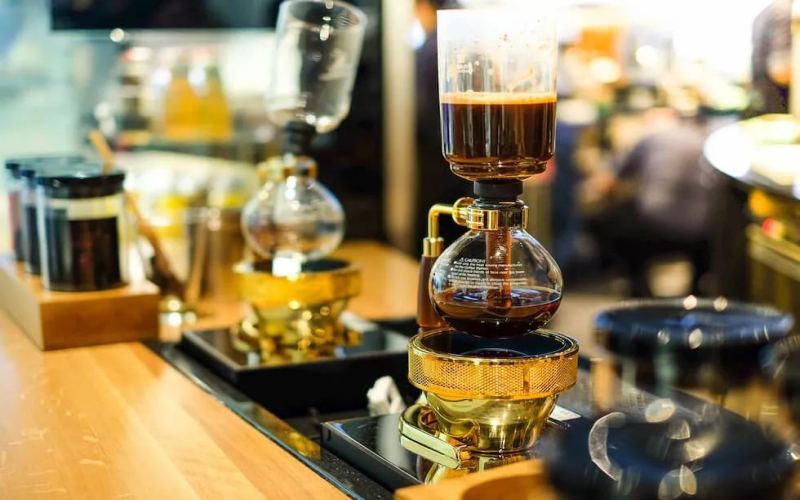
Detailed Siphon Coffee Brewing Steps: From Equipment Principles to Coffee-to-Water Ratio and Brewing Demonstration
With its unique appearance resembling chemical apparatus, the siphon pot carries a retro and mysterious style among many coffee brewing devices. For coffee professionals, the focus always remains on its operation method and the final flavor performance. This article will start with the structure and extraction principle of the siphon pot, explain in detail the choice of heat source and filter material, then use 18 grams of powder, a 1:10 coffee-to-water ratio, and 88°C water temperature as parameters to demonstrate the complete brewing process of siphon coffee step by step, and attach coffee bean recommendations suitable for siphon pots, including several classic single-origin coffees on the Front Street Coffee bean list, helping coffee lovers stably produce a cup of siphon coffee with rich aroma and mellow taste at home. [more…]

Which coffee beans pair well with the AeroPress? A full breakdown from the brewer's mechanics to Front Street Coffee's bean lineup and practical parameters
The AeroPress combines immersion, paper filtration, and pressure extraction into one device. It has a low barrier to entry and produces a clean cup, making it a very friendly brewing tool for both home and travel. This article first outlines the structure of the AeroPress and its advantages, then, taking into account its relatively fast extraction pace, suggests directions for suitable coffee beans, including Front Street Strawberry Candy, Front Street Brazil Queen's Estate, and Front Street PWN Golden Mandheling. It then uses the sweetness-forward Front Street Costa Rica Mozart as an example to give a complete demonstration of the inverted AeroPress method, including dose, grind, coffee-to-water ratio, water temperature, and a six-step operating process, to help you reliably reproduce a rich coffee interwoven with floral notes, berries, and chocolate. [more…]
Hario V60 vs Chemex Coffee Brewer Comparison: Extraction Principles, Design Features, and Brewing Method Recommendations
In the world of specialty coffee, the Hario V60 and the Chemex are two highly representative pour-over brewing devices. Although both fall under the drip category, their design philosophies and extraction logic are vastly different. With its 60-degree cone angle and spiral rib structure, the V60 gives brewers enormous room for adjustment, making it ideal for veterans chasing flavor complexity; the Chemex, by contrast, draws inspiration from laboratory glassware and, paired with its thicker filters, allows even beginners to easily achieve a clean, translucent cup. This article breaks down the differences between these two classic devices in detail—from their construction and extraction variables to flavor tendencies—and includes concise brewing recommendations to help you choose based on your own needs. Whether you prefer bright and crisp or rich and balanced, you'll find direction here. [more…]
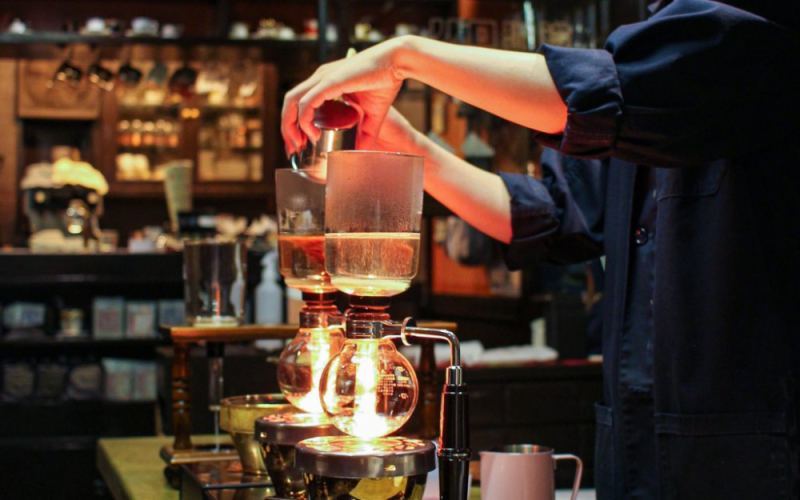
A Comprehensive Analysis of Siphon Coffee: From Extraction Principles to Brewing Details, Mastering the Key to Consistently Delicious Coffee
The siphon brewer, with its laboratory-equipment appearance and unique vacuum extraction method, has long been a favorite among coffee enthusiasts. It works by heating the lower chamber to generate steam pressure, pushing hot water up into the upper chamber to meet the coffee grounds; after the temperature drops, the pressure difference draws the coffee liquid back down into the lower chamber, resulting in a round, balanced cup. From the perspective of Front Street, this article systematically explains the siphon brewer's structural components, filtration and heating methods, grind size and coffee-to-water ratio, the timing for adding grounds, stirring techniques, and how to judge when to turn off the heat, along with a complete eight-step procedure to help you consistently brew a delicious cup of siphon coffee at home. [more…]
Comparative Analysis of the Extraction Principles and Flavor Profiles of Siphon and Pour-Over Brewers
Pour-over and siphon are two common specialty coffee brewing methods. Although both can express a coffee's terroir, their different extraction principles and filtration media mean the final cup emphasizes different aspects of taste. This article systematically compares siphon and pour-over brewers, from their historical origins and brewing principles to operating parameters and actual tasting. Pour-over uses paper filtration, giving a clean flavor with rich layers; siphon relies mainly on immersion and flannel filtration, producing a full-bodied, balanced taste. The article also uses Front Street Yemen Mocha brewed both ways, with specific parameters and flavor descriptions, to help coffee lovers more intuitively understand the differences between the two and find a brewing style that suits them. [more…]
A Detailed Explanation of the Siphon Brewer's Extraction Principle and Operating Steps, and Which Coffee Beans Pair Best for Flavor?
The siphon pot, with its unique appearance resembling chemical apparatus, often appears in nostalgic film and television works, carrying a certain air of mystery. For coffee professionals and enthusiasts, what is more worthy of attention is its extraction principle and actual brewing performance. This article will start with the structure of the siphon pot, gradually break down its pressure-difference extraction mechanism, explain in detail the key parameters and operating procedures such as water temperature, grind size, and coffee-to-water ratio, and recommend suitable coffee beans for different flavor preferences, including Front Street brand's Jamaica Blue Mountain, Golden Mandheling, Brazil Queen Estate, Natural Red Cherry, Costa Rica Mozart, and Natural Huakui, to help readers fully master the essentials of making siphon coffee. [more…]
A Complete Analysis of the Brewing Differences Between Siphon and French Press: Extraction Principles, Taste Performance, and Buying Considerations
Front Street Coffee has introduced many coffee brewing methods in its daily posts. Among them, the French press is known for being easy to operate, while the siphon is often seen as daunting to beginners due to its complicated steps and strong sense of ritual. Although both are classified as immersion brewing, the coffee they actually produce differs noticeably in body, cleanliness, and flavor layering. Drawing on Front Street's hands-on experience, this article first explains the French press's structure, method of use, and parameter control, then explains how the siphon relies on thermal expansion and contraction to push hot water upward for constant-temperature immersion extraction, and finally compares the two in terms of taste and suitable scenarios, helping coffee enthusiasts make a choice based on their own needs. [more…]

Coffee Beginner Learning Essentials | What Are the Common Home Coffee Brewers? Which Brewing Methods Suit Different Roast Levels? Which Coffee Brewer Is Recommended for Beginners?
For more specialty coffee knowledge and tips, follow Front Street Coffee (FrontStreet Coffee). Making coffee at home is actually not all that complicated—it basically comes down to your needs and budget. Coffee is a beverage, and in nature it's almost the same as tea. Many of us [more…]
Full Chinese transcript of 2017 World Brewers Cup champion Wang Ce's performance and a review of past champions
It has been some time since the 2017 World Brewers Cup came to a close, and many coffee enthusiasts have left messages asking about champion Chad Wang's competition script and its Chinese translation. To address this, we have compiled this complete Chinese translation of his presentation, along with a review of past champions. On the stage in Budapest, Chad Wang used Panama 90+ Geisha Estate #227 batch coffee beans as his medium, and through a carefully designed brewing regimen, he eloquently narrated the "connection" between coffee, barista, and customer. From terroir and processing methods to roast profiles, brewing parameters, and tasting guidance, the entire presentation was logically clear and emotionally sincere. Front Street Coffee particularly recommends paying attention to the details in the text regarding the ceramic V60 dripper, water quality control, and segmented tasting, as these have high reference value for daily brewing practices. [more…]
Front Street Coffee Colombia Mitra Estate Natural Geisha: A Comparative Record of V60, Ice Eye, and Siphon Brewing
Front Street Coffee recently acquired a natural Geisha from Colombia's Mitra Estate, and after several days of resting, it's officially time to brew. This article fully documents the bean's origin background and flavor characteristics, and uses three different brewers—Hario V60, Ice Eye dripper, and siphon—for brewing tests, detailing the respective coffee dose, grind size, water temperature, coffee-to-water ratio, and staged pouring schemes, while also presenting the differences in flavor expression across the three brewers. At the end, equipment selection suggestions are given based on brewing goals: choose V60 to highlight layering, choose Ice Eye to enhance sweetness, and choose siphon to boost mouthfeel, for coffee lovers' reference. [more…]
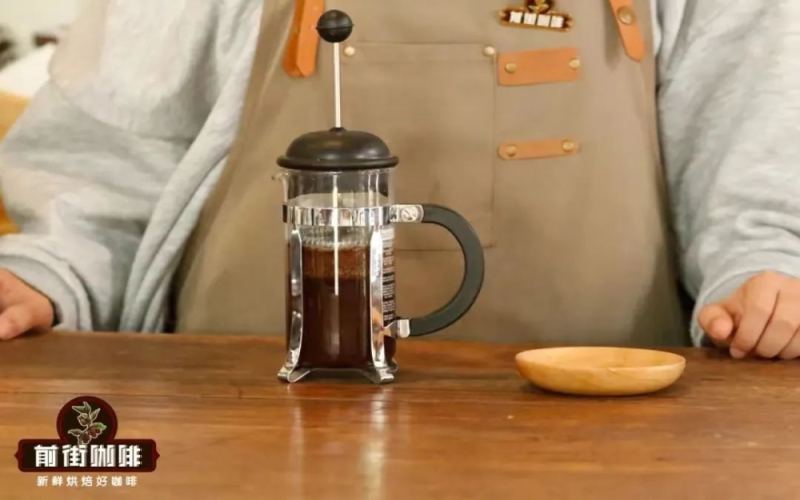
Flavor Presentation of Yirgacheffe Brewed in a French Press and a Full Analysis of Home Coffee Extraction Methods
Enjoying a good cup of coffee at home—the choice of equipment often determines the direction of the flavor. This article systematically reviews the principles and characteristics of six common home coffee brewing methods, from drip brewers and American electric coffee machines to French presses, siphon brewers, moka pots, and espresso machines. It then focuses on the French press, using 20 grams of Front Street Yirgacheffe as an example, providing complete parameters and techniques from grind size, water temperature, and coffee-to-water ratio to the rhythm of immersion and stirring, ultimately presenting a thick, smooth mouthfeel with floral notes, citric acidity, creamy sugarcane sweetness, and a black tea finish, offering home coffee enthusiasts a reproducible practical reference. [more…]
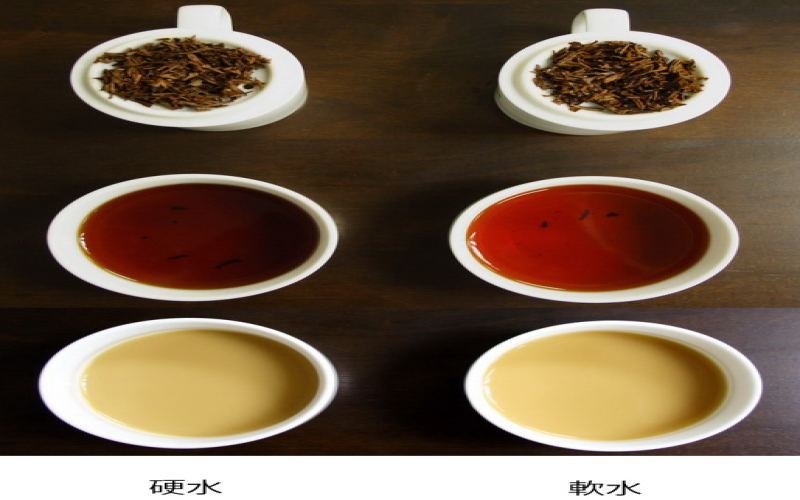
Darjeeling Black Tea Brewing Tips: From Water Quality and Timing to Equipment, Master Six Elements to Brew the "Champagne of Teas"
Darjeeling black tea is known as the "Champagne of Teas," and its muscat grape-like flavor fascinates many tea lovers, with the correct brewing method being the key to releasing this unique aroma. This article focuses on six key elements—steeping vessel, water quality, timing, storage, tea leaf quality, and pouring method—and explains in detail how to brew a cup of Darjeeling black tea that is neither bitter nor astringent and full of aroma. Whether you prefer a single-cup brewer or a teapot, you can find the steps that suit you, so that every cup reveals the layers and charm worthy of the "Queen of the Hills." [more…]
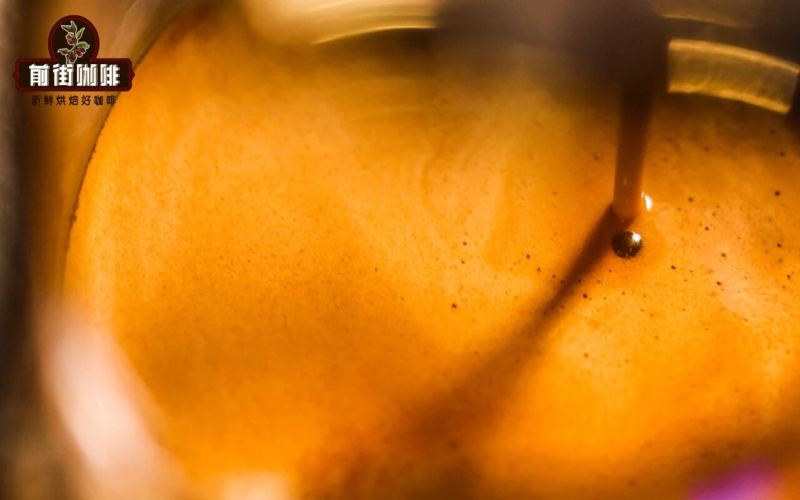
Espresso specialty coffee bean recommendations: how gear, parameters, and bean flavor work together
The same coffee beans will perform noticeably differently in different brewing devices. Pour-over places more emphasis on aroma and clarity, the espresso machine highlights intensity and sweetness, and the moka pot requires a balance of pressure, heat, and the coffee bed. Bean selection cannot be separated from the brewing device, and the parameters must also be adjusted accordingly based on the roast level of the beans. The key to espresso extraction lies in the dose, grind [more…]
How Does Brewing Yirgacheffe in a French Press Taste? Front Street Coffee Beans Hands-On Demonstration and Analysis of Six Types of Home Coffee Brewing Methods
To easily make a cup of rich, full-bodied coffee at home, the French press is an essential entry-level tool. By fully immersing the coffee and separating it with a metal filter, it retains almost all the extractable flavor compounds, resulting in a fuller mouthfeel than paper-filter pour-over. This article first systematically outlines the principles and characteristics of six common brewing devices: the drip brewer, American electric coffee maker, French press, siphon, moka pot, and espresso machine. Then, using a light-to-medium roasted Yirgacheffe from a high-altitude Ethiopian region as an example, it provides specific French press parameters for Front Street Coffee beans, along with water-pouring and stirring techniques, and describes the floral notes, citrus acidity, creamy sucrose sweetness, and black tea finish presented in the final cup. [more…]
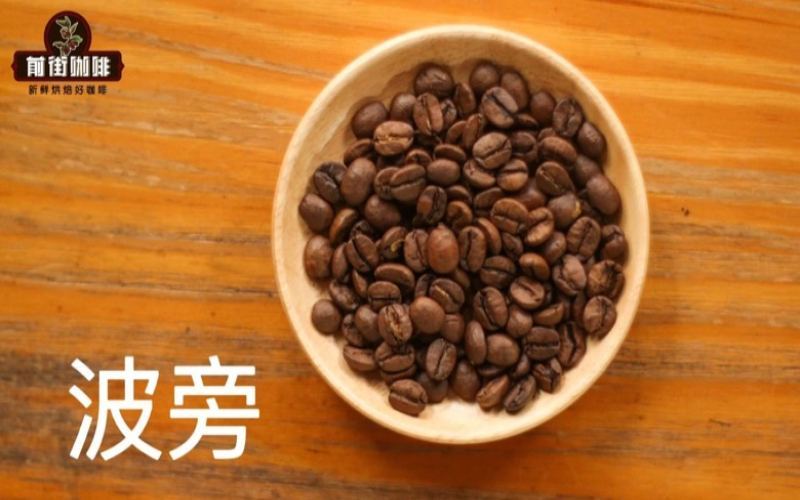
Recommended Home Coffee Bean Brand List: How Equipment, Parameters, and Bean Flavor Work Together
The same coffee beans placed in different brewing devices will show noticeable changes in performance. Pour-over places more emphasis on aroma and clarity, espresso machines highlight intensity and sweetness, while a moka pot requires balancing pressure, heat, and the coffee bed. Bean selection cannot be separated from the brewing device, and parameters should also be adjusted accordingly based on the roast level of the beans. Pour-over flavor is mainly determined by origin, va [more…]