







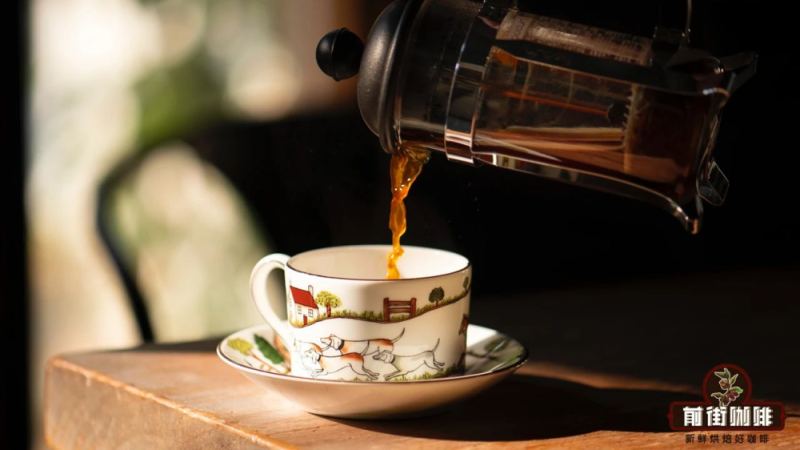
For coffee beginners who have not yet mastered pour-over techniques, Front Street Coffee usually first recommends the French press—simple to operate and easy to get started with. Why can the French press win over coffee lovers who don't know how to do pour-over? This article will start with the origin and extraction principles of the French press, analyze the differences between it and pour-over coffee in mouthfeel and flavor, explain whether long steeping will extract undesirable flavors, and provide key parameters such as grind size, water temperature, and steeping time. In addition, it will use the Costa Rica Musician Series Mozart coffee beans selected by Front Street as an example to fully demonstrate the French press brewing process and flavor performance, helping you judge whether French presses are expensive and whether they are worth buying.
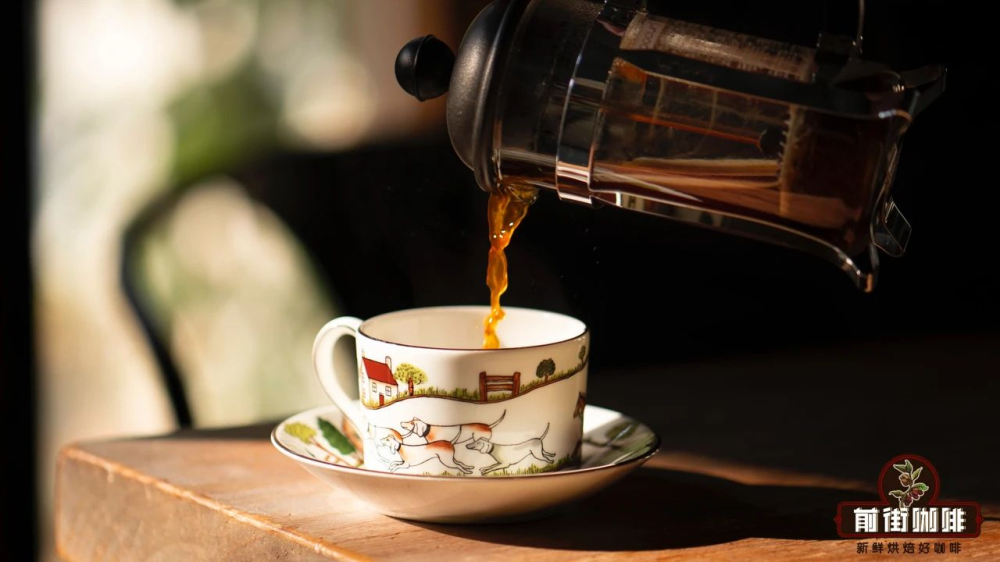
"What coffee brewing equipment is suitable for coffee novices who don't know how to do pour-over?" Faced with this question, Front Street Coffee first recommends the French press for its simple operation and convenience. What exactly is the charm of the French press that allows it to win over coffee lovers who don't know how to do pour-over?
The Extraction Principle of French Press Coffee
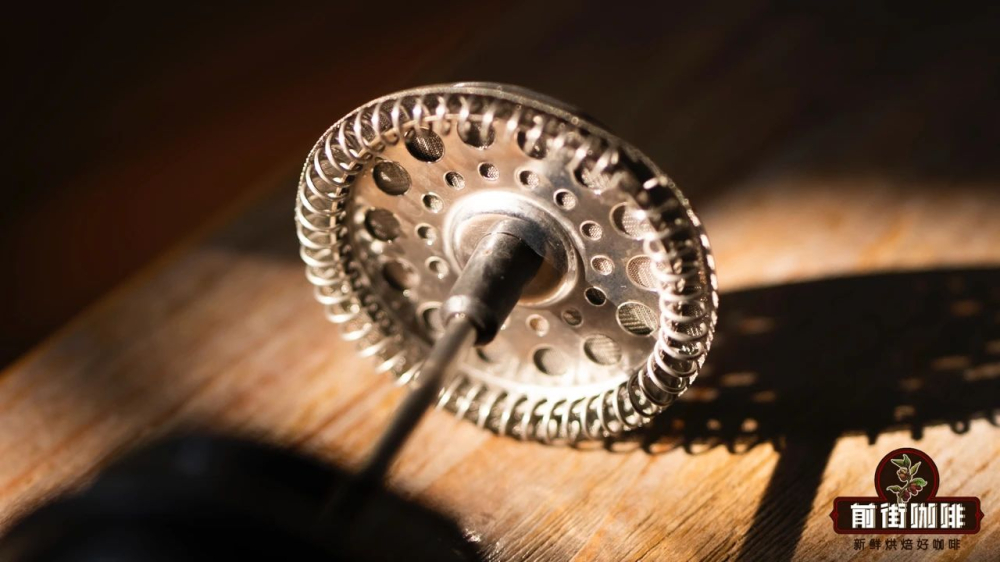
The French press originated in France around 1850. It is a simple brewing device composed of a heat-resistant glass body and a metal filter with a plunger. The invention of the device itself was for brewing tea, but later someone had a sudden idea and put coffee grounds into it, discovering that the brewed coffee was very rich and full-bodied. After reducing the pore size of the metal filter, the French press also came to be widely used by coffee lovers.
The French press mainly extracts coffee through steeping. Within a fixed capacity, a certain amount of water evenly dissolves the substances in the coffee grounds. During the extraction process, the main influencing factor is time. The longer the steeping time, the more substances are extracted from the coffee until saturation—that is, the longer it steeps, the stronger the taste.
At this point, some friends will ask Front Street: "With the French press's long steeping, will undesirable flavors be extracted?"
The long time mentioned here does not mean actually steeping for ten or twenty minutes. Generally, the steeping time for a French press is 4 minutes, the water temperature for steeping coffee is set at 88°C-91°C, and the coffee grounds are ground relatively coarse. Since the glass body of the French press does not retain heat for very long, the water temperature will continuously decrease during the steeping process. At the same time, because the coffee particles are coarser, the flavor substances in the coffee are released slowly. Four minutes is the optimal steeping time for making coffee with a French press, but it should not exceed 6 minutes. After the 4-minute steeping is finished, press down the filter, and then pour the coffee into another container before tasting.
What are the characteristics of coffee steeped in a French press?
1. Compared with drip-style pour-over coffee, steeped French press coffee has a richer and fuller mouthfeel!
The French press filters coffee grounds through a metal mesh, and the pore size of the metal mesh is larger than that of ordinary filter paper. During the filtration process, most of the coffee oils can be retained. Front Street has noticed that coffee made with a French press has a thin layer of oil on the surface; while the pour-over coffee we commonly see is made by pouring water through a bed of coffee grounds and high-density filter paper. When the coffee liquid passes through the filter paper, most of the oils are filtered out, and the coffee also noticeably feels much cleaner when it comes out. Although it is richer and fuller than pour-over coffee, due to the design of the metal mesh, a lot of fine coffee grounds remain, so it is also quite common to end up drinking coffee grounds at the bottom of a French press.
2. Coffee steeped in a French press highlights the original taste of the coffee more
The extraction mode of the French press is similar to cupping; both are immersion extraction. The advantage is that it minimizes human influencing factors and best reflects the original taste of the beans, and the coffee's flavor is also more concentrated. What are human influencing factors? For example, with pour-over coffee, the height and speed of pouring water can change the flavor expression of the coffee, or brewing with different drippers can also produce different flavor expressions. But this does not apply to the French press. The only three things that can affect the flavor of coffee made with a French press are: grind size, water temperature, and steeping time.
How to use a French press to make coffee?
For this brewing, Front Street selected Costa Rica Musician Series Mozart coffee beans, a coffee with a dried-fruit fermented quality, white floral notes, and an obvious sweet-and-sour taste. The brewing parameters are as follows:
Coffee dose: 15 g Coffee-to-water ratio: 1:15 Grind size: medium-coarse grind (68% passing rate on a No. 20 standard sieve) Water temperature: 90°C Steeping time: 4 minutes
First, preheat the French press with warm water, then discard the warm water. Pour the ground coffee into the French press. The grind should be slightly coarse, then pour in 225 ml of hot water (90°C). The pouring can be a bit forceful (finish pouring in about 3 seconds) to make the coffee grounds tumble and improve extraction efficiency. After pouring is complete, pull up the filter, put on the lid, and steep for 4 minutes. After 4 minutes, gently press down the plunger to about 1/4 of the way down the body, avoiding fine grounds at the bottom surging upward. After pressing down, the coffee can be poured out and enjoyed.
Yes, making coffee with a French press is just this simple to operate.
How does Mozart coffee made with a French press perform in flavor?
After the coffee is poured out, Front Street smells a rich raisin-like fermented quality. On the palate, there is a berry juice sensation, the aroma of orange blossom, an obvious fermented quality, and a pineapple-like sweet-and-sour taste.
The above content is compiled by CoffeeHunters, a coffee news website.


