







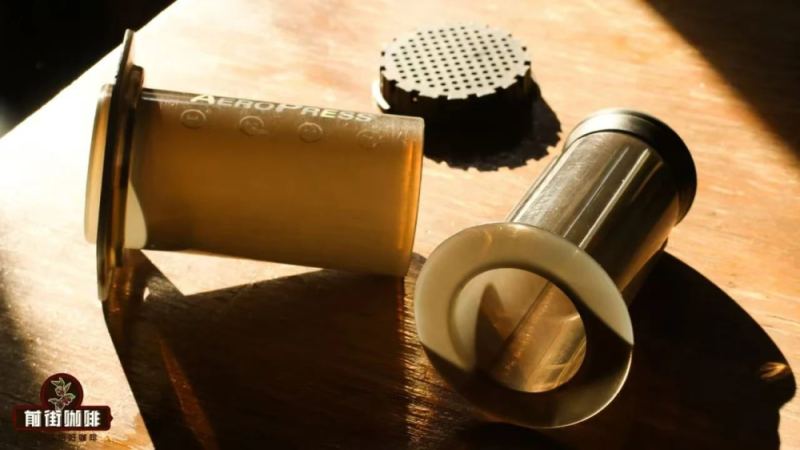
Unlike pour-over,AeroPressis an extraction method that combines immersion with pressure. It can brew strong coffee, is easy to clean, and is relatively simple to operate.
Where did the AeroPress come from?
In 2005, Alan Adler—an engineer, physicist, and lecturer at Stanford University—found that he simply had no patience for the troublesome plug-in coffee maker, and didn't even want to spend four minutes making pour-over coffee. So he tinkered around and designed this oddly shaped device that could quickly brew delicious coffee. And because it has a layer of filter paper, it can filter out excess impurities and produce coffee with a clean flavor, without the sediment at the bottom of the cup or the somewhat bitter taste that a French press produces. So he decided to put it into formal mass production, and it successfully became a trend among coffee lovers.

The principle and structure of the AeroPress
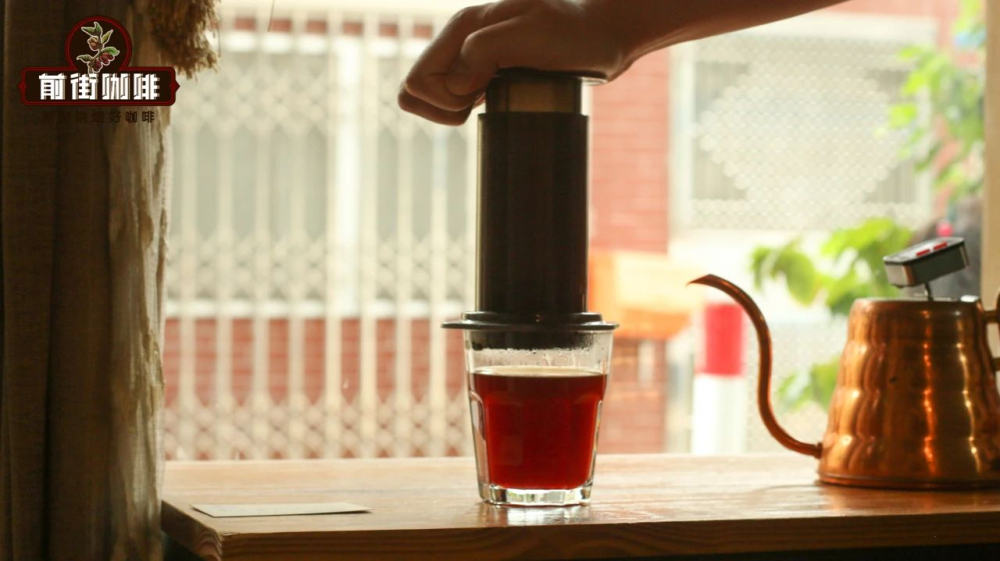
The AeroPress combines the immersion extraction method of a French press, the paper filtration of pour-over coffee, and the pressure extraction of espresso. After stirring and mixing the coffee grounds with hot water, you press the plunger to squeeze air through the filter cap and extract clean-flavored coffee. If you use finer coffee grounds and reduce the amount of water, you can also make a decent espresso!
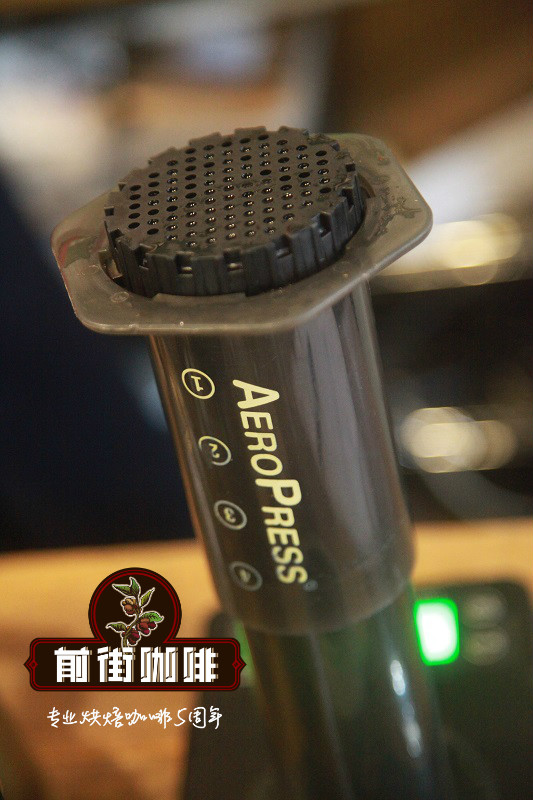
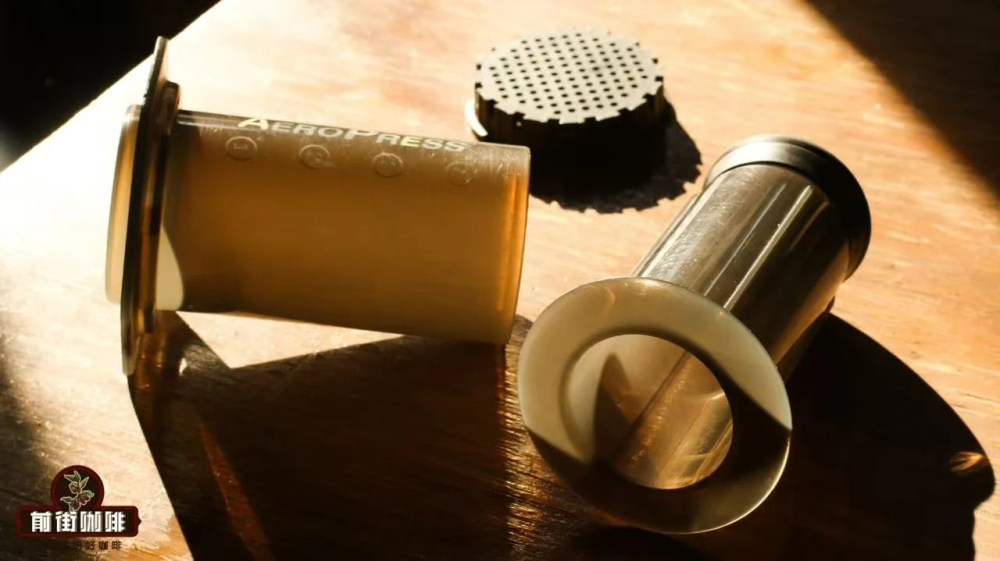
Its structure can be simply broken down into three main parts: the chamber, the filter cap, and the plunger. It needs to be used with filter paper or a metal filter, and it also comes with a funnel, measuring scoop, stirrer, and other items for convenient operation. It became a trend among coffee lovers.
You will fall in love withthe AeroPressfor six reasons
1. First, compared with other brewing methods,the AeroPressis much more approachable. Unlike a French press, which is best used with a burr grinder to avoid uneven coarseness affecting the taste; and unlike pour-over coffee, which requires practice, you don't need any special skill—just pour water and press!

2. Its price is not expensive at all. A whole AeroPress set plus a year's supply of filter paper can be had for around 300 yuan. There is also a dedicated metal filter to replace the paper filter. Its pores are larger, so it won't completely block coffee grounds, but the fine residue actually produces a richer flavor, and it also saves cost while being eco-friendly.
3. It is lightweight and durable. The plastic material is not afraid of breaking, making it a great choice for travel.
4. The brewing process is very quick. You don't need to spend a lot of time soaking or slowly pouring water. As long as the water is boiled, you can make a cup of coffee in about 60 seconds.

5. The AeroPress can brew excellent coffee with a clear, clean flavor. If you are interested in tasting the interesting flavor differences between different single-origin coffees, the AeroPress is very capable of presenting the coffee's flavors.
6. Finally, and very importantly, cleaning it is extremely simple. With a French press, you still have to dig out the coffee grounds and then clean the residue. With the AeroPress, you just unscrew the filter cap and take out a complete puck-like coffee cake, then simply rinse it!
So, does the AeroPress have any disadvantages?
Yes, it can only make one or two cups of coffee at a time, so it is not very suitable for brewing for a large group of people. Of course, its appearance is not attractive at all, but this plastic tube that looks like a medical device has a strange charm!
The fact that the AeroPress can brew clean-flavored coffee so simply and quickly really makes people eager to try it. However, the French press also has its own uniquely rich taste, and some people especially like the mouthfeel of a little coffee sediment; and how to improve pour-over coffee skills is a common goal for many coffee lovers; in addition, household espresso machines have even appeared on the market. In other words, there is no distinction between good and bad among various coffee devices—each has its own characteristics in the flavors it presents, and personal preferences differ. Perhaps you should try them all, and at any time choose your own coffee time according to your mood and needs.

When making coffee with an AeroPress, what parameters are better to use?
1. Water temperature: When making AeroPress coffee, the water temperature can range from 88℃ to 92℃. The specific water temperature can depend on the roast level of the beans and the flavor you want to express!
2. Grind size: FrontStreet Coffee believes that a grind size similar to that for regular pour-over is fine. If the grind is relatively fine, then off-flavors are easily extracted, and it will have a somewhat powdery mouthfeel; if the grind is coarse, then it easily carries sharp acidity, and under-extraction may also occur.
3. Coffee-to-water ratio: 1:15. If the coffee-to-water ratio is too small, then because the concentration is high and the taste is too concentrated, it will be harder to perceive the coffee's flavors, and sharp acidity is likely to appear; if the coffee-to-water ratio is too large, then more flavors will be extracted, giving the coffee an obvious woody taste and off-flavors.
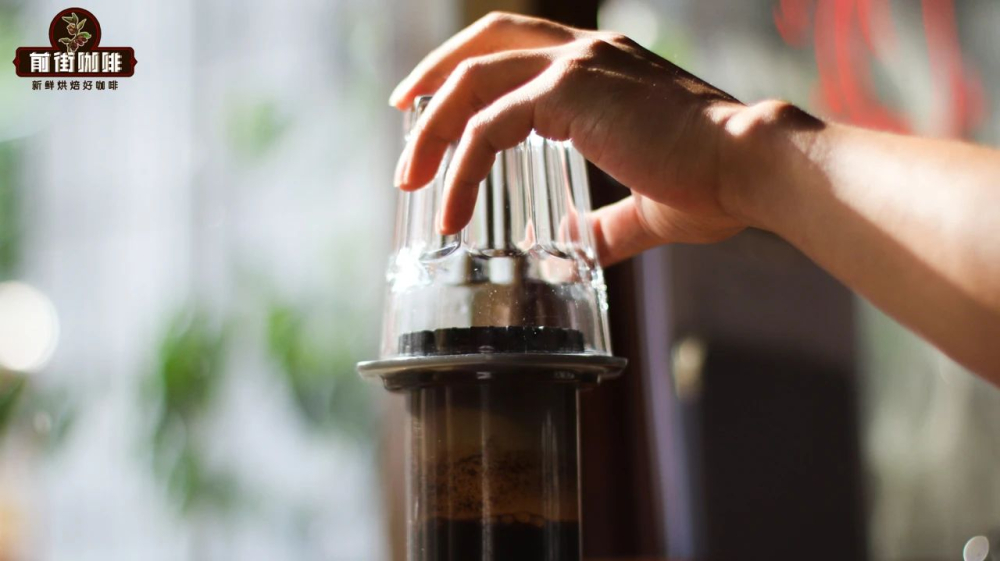
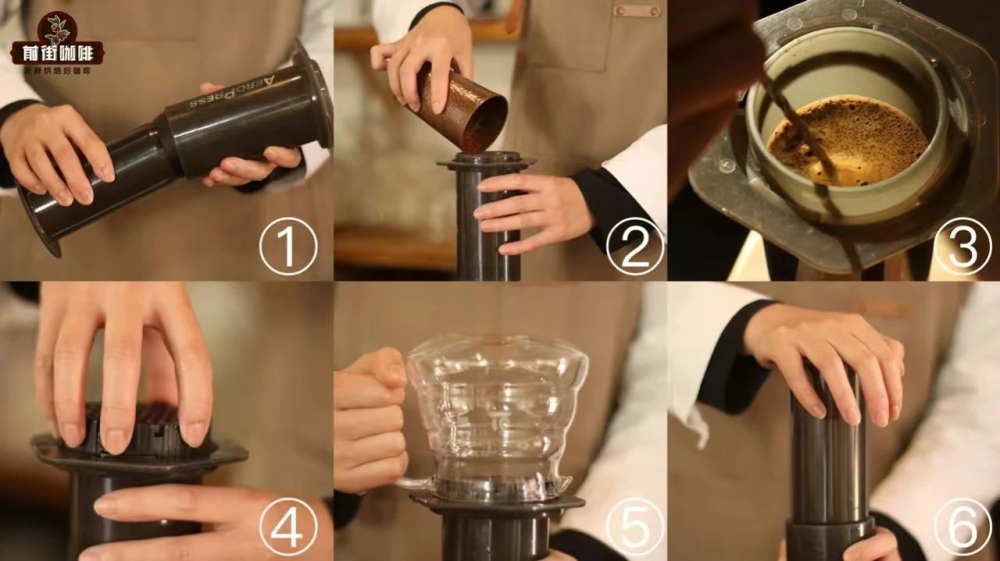
AeroPress brewing tutorial


The above content is compiled by CoffeeHunters, a coffee news website.


