







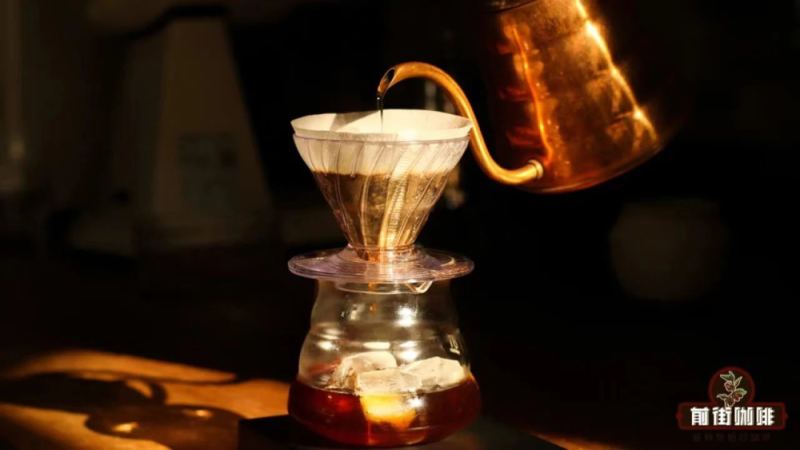
How does beverage filter paper compare with metal and cloth filters?
Filter material shapes the cup. Metal filters keep the oils, giving a smoother, more French-press-like body with balanced acidity and bitterness, but fines pass through and layering stays blurry. Paper filters catch those fines and present acidity and clarity more sharply, especially as the coffee cools from hot to cold.
Cloth filters sit between the two, holding back most sediment while letting some oils through. In the beverage filter paper market and among metal and cloth options alike, daily rinsing and periodic deep cleaning matter most: residue left in any filter turns rancid and adds off-flavors, whether brewing in a dripper or making coffee in a coffee pot.
When brewing a good cup of coffee, the choice of filter often determines the final flavor direction. Metal filters, paper filters, and cloth filters each have their adherents—what kind of taste performance do they each bring? And how should they be cleaned and maintained to extend their lifespan and avoid off-flavors? Starting from practical experience, this article analyzes the advantages and disadvantages of three common filter materials one by one, and includes simple and effective maintenance methods to help you find the brewing partner that suits you best among the dazzling array of equipment.
A pot of aromatic, alluring coffee, of course, must be paired with elegant coffee equipment. Speaking of the wide variety of equipment types, why do some people prefer certain pieces of equipment? Today we're going to talk about whether the equipment they like has any magic that can change the coffee they brew. Using simple text and principles, I want to tell everyone how to choose a filter as your brewing tool.
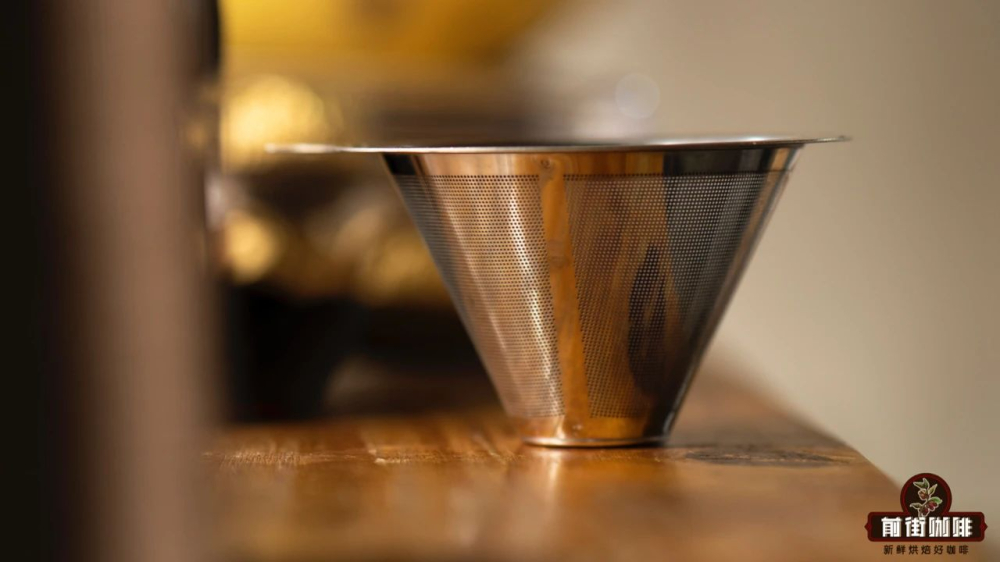
‧Advantages:
The obvious advantage that metal filters are generally perceived to have is that the coffee tastes smoother, because the coffee oils are retained, and during pour-over you can taste the most original flavor of the coffee (personally, I think it's quite similar to the taste and flavor of a French press). The acidity and bitterness also become more balanced, and the sweetness is not lost. This kind of filter is more like preserving the original taste of the coffee.
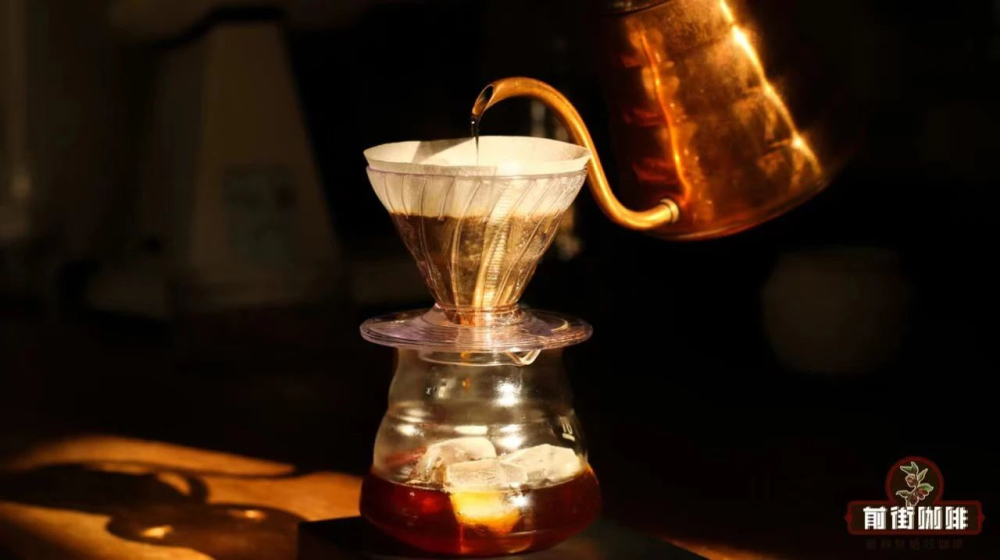
‧Disadvantages:
Of course, if you're a player who cares about coffee fines during brewing, you'll feel that the fines cannot be completely filtered out (of course, there are now drippers made with very few fines, depending on your budget!); the current turbulence design of metal filters (the grooves on the dripper) is not outstanding, and there are often misunderstandings about uneven extraction or over-extraction. Sometimes you also hear comments that coffee brewed with a metal filter tastes more bitter; another point is that for players who require clearly layered coffee, you really have to put in the effort to explore, because the acidity of a metal filter is not bright enough, and the presentation of layering is relatively blurry. When you want to express obvious acidity in coffee from hot to cold, paper filters are relatively better at presenting it!
‧Advantages
Paper filters are the most commonly used coffee filter material on the market, and I believe everyone's level of satisfaction with them is generally quite high. For coffee people who use paper filters, the advantage is that they give our coffee obvious bright acidity and aroma, and bring out clearly layered flavors. This is everyone's common experience. What kind of fruitiness you should taste and how it changes from hot to cold—paper filters can be said to show this most clearly.
‧Disadvantages
If we're talking about disadvantages, it's probably that the oils in the coffee are noticeably reduced, and the richness or smoothness of light roasts is less than with metal filters. Paper filters also relatively filter out some of the coffee's flavors (bitterness, and I personally think the flavor of dark roasts is somewhat weakened, along with other flavors, etc.); another point is that in terms of environmental protection, more paper is more or less wasted, and during brewing you must first rinse away the paper pulp taste of the filter paper with hot water to avoid extra pulp flavor or other off-flavors.
‧Advantages:
Cloth filters can be reused, and the taste is mellow, making them very suitable for extracting medium roasts or even darker roasts with good sweetness. When presenting the heavier flavors of coffee, cloth filters can do a very good job. Many pour-over enthusiasts also seek out cloth-filter schools to learn from. The best thing is probably that cloth filters give people a much greater atmosphere of leisure and ease. For people who like to brew a pot of coffee at home, this piece of equipment will be your good friend.
‧Disadvantages:
Maintaining a cloth filter is relatively troublesome. If the coffee oils on the cloth filter are not cleaned off properly over long-term use, it will bring out a greasy coffee smell, so you must clean and maintain the cloth filter well. Another point is that there will definitely be differences in flavor presentation. Compared with paper filters, cloth filters, like metal filters, can bring out a good mouthfeel if the brewing method is the same, and the presentation of oils is also relatively good. On the other hand, if you want detailed aromas to burst forth, you must adjust your brewing technique accordingly; otherwise the taste will be muddy. So when learning about flannel cloth, your brewing method must also be adjusted because of the filter!
Today's siphon filters and filter materials also come in many materials—metal ones, improved cloth filters (mesh-like), and paper ones. There are so many different filter materials and filters to choose from, so you can search more for your ideal combination.
When using filters, people often ask, "Will metal filters have a rancid oil smell?" and "Flannel cloth is hard to clean and maintain." Regarding these questions, my maintenance method is to use boiling hot water with baking soda added, soak your filter in it, and once the water cools, directly rub and wash it. After the oils have mostly dissolved, rub it again with clean water and rinse it thoroughly, then hang it to dry, and it can be used directly the next time you brew.
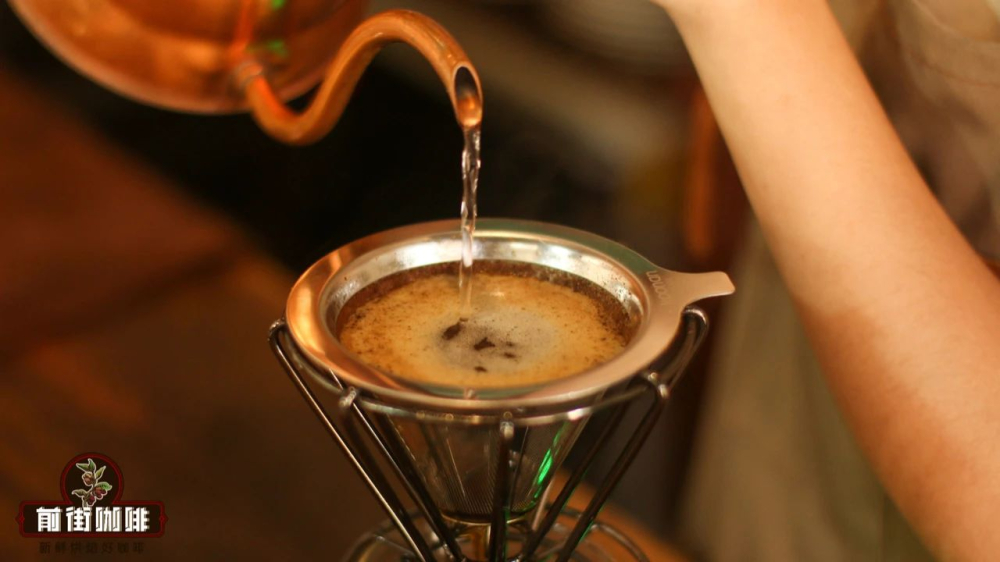
The only small difference in detail is that a metal filter just needs to be air-dried, while for a cloth filter, remember to wrap it in a ziplock bag or an airtight bag. You can put it in the refrigerator to avoid absorbing odors from the fridge, or getting moldy.
The above content is compiled by CoffeeHunters, a coffee news website.


