







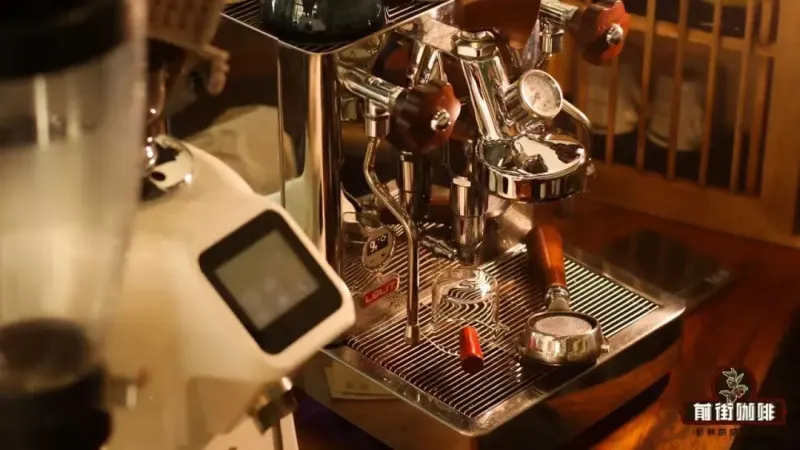
Can Coffee Extraction Problems Point to a Worn Espresso Machine?
Unstable pressure, fading steam and milk that refuses to froth usually mean the espresso machine needs maintenance rather than better technique. Flushing hot water before and after each shot rinses grounds off the dispersion screen, wiping the steam wand after steaming keeps residue from building up, and backflushing and soaking the steam tip to descale it restore steam power. Coffee extraction then stays consistent instead of drifting from shot to shot.
When the same dose and grind suddenly give erratic times, the usual causes are a machine that has gone long without cleaning or a part that has worn out. Watch the brew head gasket: once it hardens or cracks it leaks and pulls air, which weakens pressure and steam. Knowing how long to froth milk also helps, since weak steam simply will not build foam regardless of technique.
During extraction, if the pressure keeps fluctuating, the steam gets weaker and weaker, and the milk foam just won't froth up no matter what—these problems are often not a sign of declining skill, but rather that the espresso machine needs maintenance. Drawing on Front Street's practical experience, this article systematically covers the daily and deep cleaning routines for espresso machines: including flushing hot water before and after extraction, wiping the steam wand, backflushing, soaking the steam tip to descale it, as well as how to judge when the brew head gasket has aged and how to replace it yourself. It also explains the cleaning points and recommended intervals for the water tank, boiler, and portafilter, helping you keep your espresso machine producing consistently and extending its lifespan.
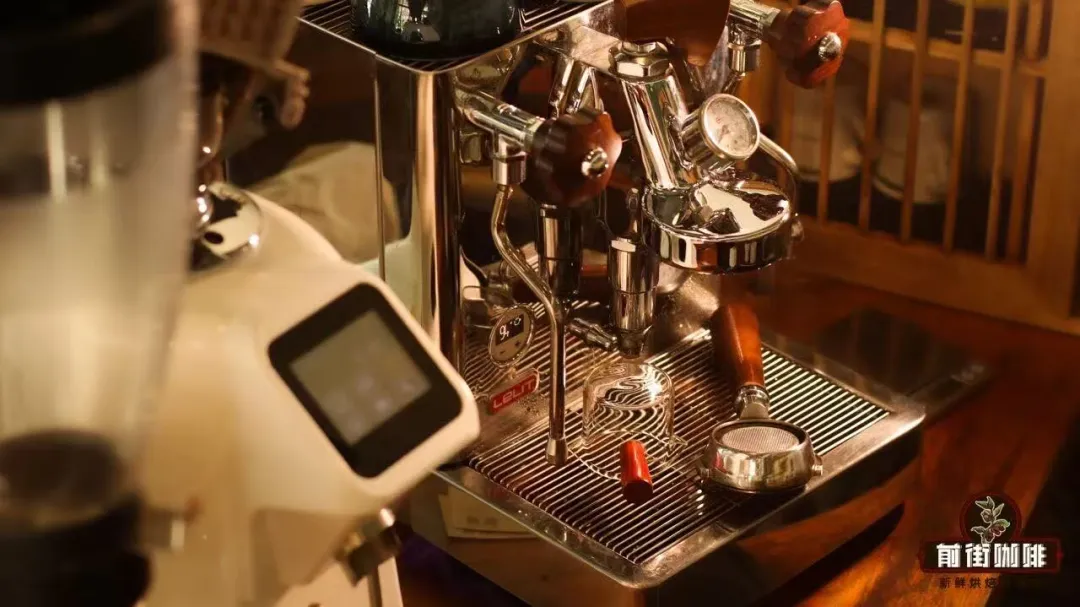
From time to time, friends give feedback to Front Street that even though they use the same dose and grind setting as before when making espresso, the extraction pressure fluctuates and the time varies unpredictably, so the coffee ends up tasting inconsistent. When this happens, it's most likely due to a problem with the espresso machine itself—either it hasn't been cleaned in a long time, or a part has worn out and hasn't been replaced in time, which directly drags down extraction performance.
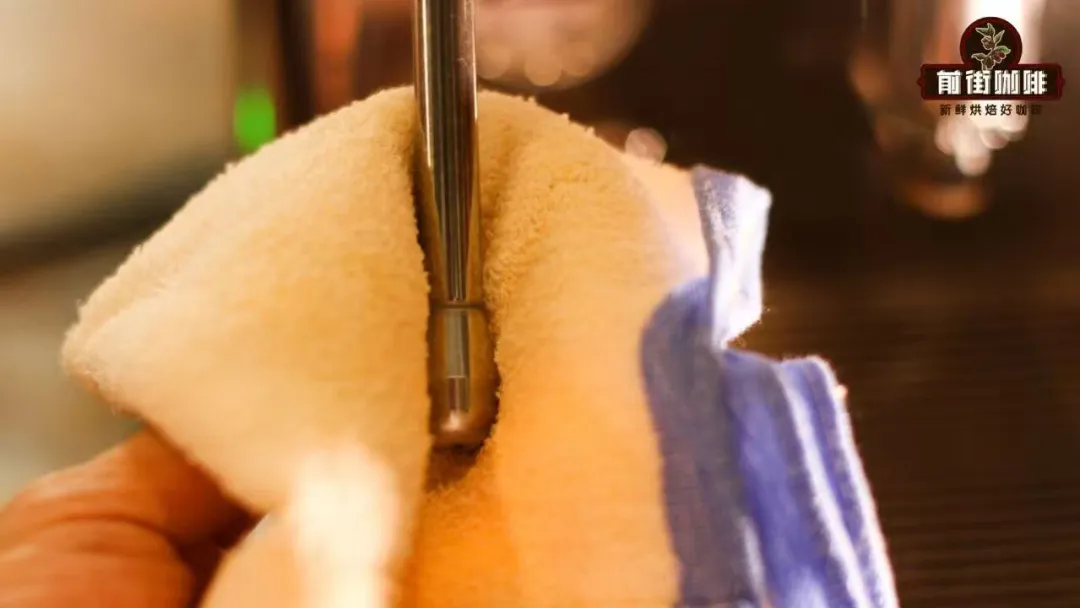
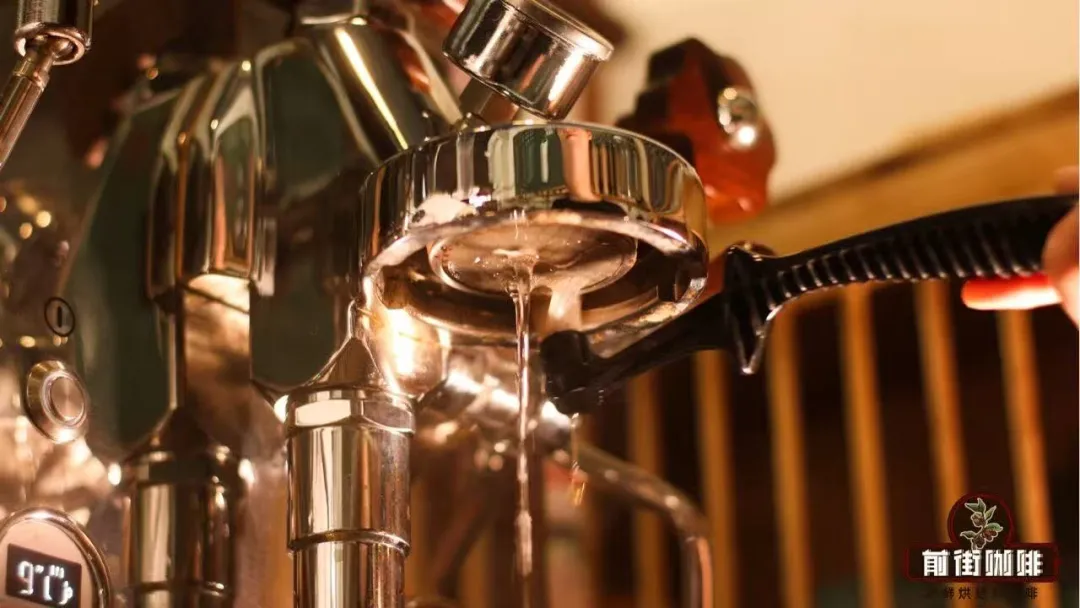
Besides the situation above, not cleaning your espresso machine for a long time can also cause the following troubles during extraction: insufficient steam power, milk that won't froth; low pressure, so the coffee's flavor can't be extracted; leaks that interfere with normal extraction; extracted coffee easily picking up off-flavors... Recently, more and more friends have been reporting these kinds of problems to us, so today Front Street wants to go over it again: how exactly should an espresso machine be cleaned and maintained? This really can't be neglected, because only with regular cleaning and maintenance can the espresso machine keep running stably, and its lifespan will be extended as a result. How to Clean and Maintain an Espresso Machine The first thing Front Street wants to share is the surface cleaning you can do casually during normal use. This part is quite simple, just two steps: first, flush a bit of hot water before and after extracting coffee, to rinse off coffee grounds stuck to the surface of the dispersion screen; second, after steaming milk, wipe the steam wand with a wet cloth to remove the milk that's about to solidify and stick to the wand (remember to purge afterward to shoot out the milk inside the tip).

Although these two steps look simple and unremarkable, they do a great job of preventing off-flavors in the extracted coffee and reducing the chance of the steam wand getting clogged. If you're diligent, you can also, before shutting down at the end of each day, (before closing up and shutting down) use a brush to clean the residue and buildup in the brew head, which further reduces the production of odors.
Now that daily cleaning is covered, next Front Street will share deep cleaning. Deep cleaning, as the name suggests, is giving the espresso machine a more thorough cleanup. As for how often to do deep cleaning, it depends on how frequently the machine is used. For example, in places like coffee shops with a high daily output, you might need to do a deep clean every night before closing. But if the output is low, like home users who make only a few cups a day, then you can clean every few days, or once every one to two weeks. Backflushing The first thing to understand is backflushing. During daily extraction, some extremely fine coffee grounds, coffee oils, and coffee liquid get sucked back into the machine's interior due to pressure release after extraction ends, scattering around the dispersion screen outlets, tubing, and other places. If you don't regularly clean out these hidden internal grime, once they accumulate to a certain point, they will negatively affect extraction.
And the way to clean these grime is exactly what Front Street mentioned earlier—backflushing. It uses the reverse water flow generated when the machine releases pressure to complete the cleaning, helping us wash the insides of tubing and every dead corner in the brew head that we can't normally reach. It's very convenient to use. The actual operation is also very simple! Front Street has shared this many times before: first replace the filter basket with a blind basket that has no holes in the bottom (usually included when you buy an espresso machine) , then put a small amount of espresso machine cleaning powder into the basket, lock it onto the brew head, and finally start the machine. After about ten seconds, once the basket is full of hot water, stop the extraction and let the machine enter the pressure release state.
At this point, the cleaning powder in the basket mixes with the hot water, and during the pressure-release reverse suction, it flushes the tubing and carries away grime, which is finally discharged from the outlet. Repeat three to four times, and the backflush is complete, meaning the cleaning is done properly. Cleaning the Steam Wand Besides the brew head, the steam wand faces the same problem. When cleaning after steaming milk, we can only wipe off the milk stains attached to the outside of the steam wand, but some milk still remains inside it. Therefore, we need a special method to remove these milk stains; otherwise, they will clog the tip, weaken steam strength, and in turn affect milk steaming and foam quality.
Similarly, cleaning the steam wand also requires cleaning powder. First pour a cup of hot water and add a small amount of espresso machine cleaning powder. Then remove the steam wand tip and put it in this cup of cleaning solution to soak. Soaking for half an hour or overnight is fine.
After soaking, use a slender cleaning brush to scrub the inside of the tip, then rinse it clean with water, and the steam wand cleaning is complete. Replacing the Gasket There's another relatively simple part you can replace yourself: the gasket. The gasket Front Street refers to here mainly means the rubber gasket inside the brew head. Its function is to secure the dispersion screen and also help form a sealed environment during extraction.
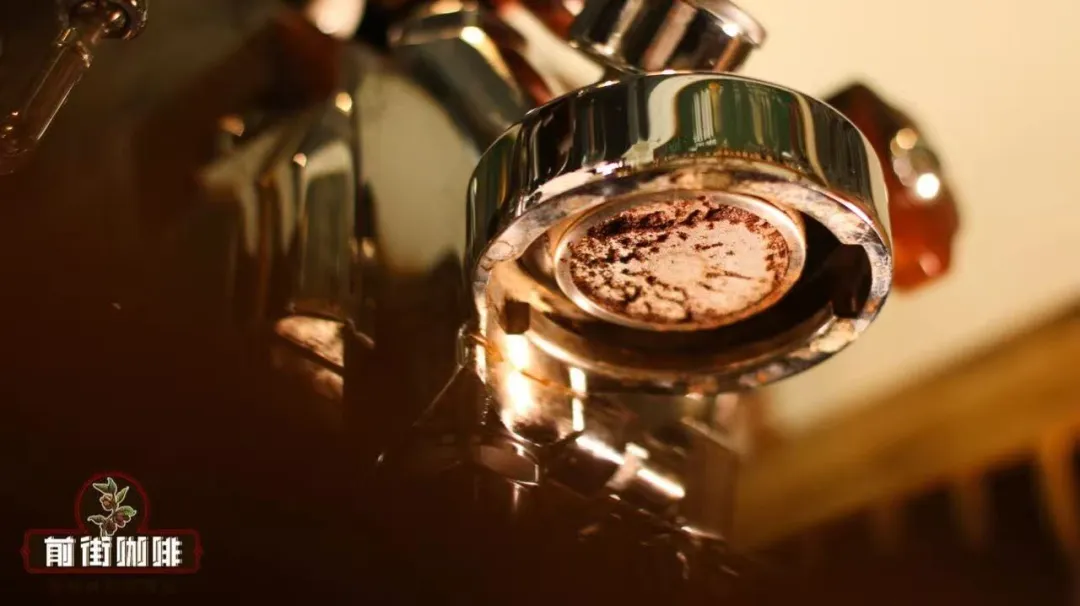
After long use, the gasket gradually ages, and its sealing effect is much worse than before. This directly interferes with coffee extraction and makes the output less stable. At this point, the gasket must be replaced to avoid continuing to affect coffee extraction. So how do you tell that the gasket has aged? There are two very intuitive signs to verify: first, leaking occurs during coffee extraction, because after the gasket ages, its sealing performance drops, so hot water overflows through the gaps; second, when locking in the portafilter, you can turn it to a deeper position than before, which is caused by excessive gasket wear.
Once either of these two situations occurs, we should replace the gasket. The specific operation isn't hard either: first find the gasket corresponding to your espresso machine model online, place an order, and once it arrives, just follow the instructional video provided by the seller and replace it step by step. The replacement method varies by model, but you basically don't need to worry about not being able to put it back, because most are very simple. Take Front Street as an example: Front Street's machine is a Lelit V3, and its way of replacing the gasket is to pry out the old gasket and press the new gasket back in. That's how easy it is
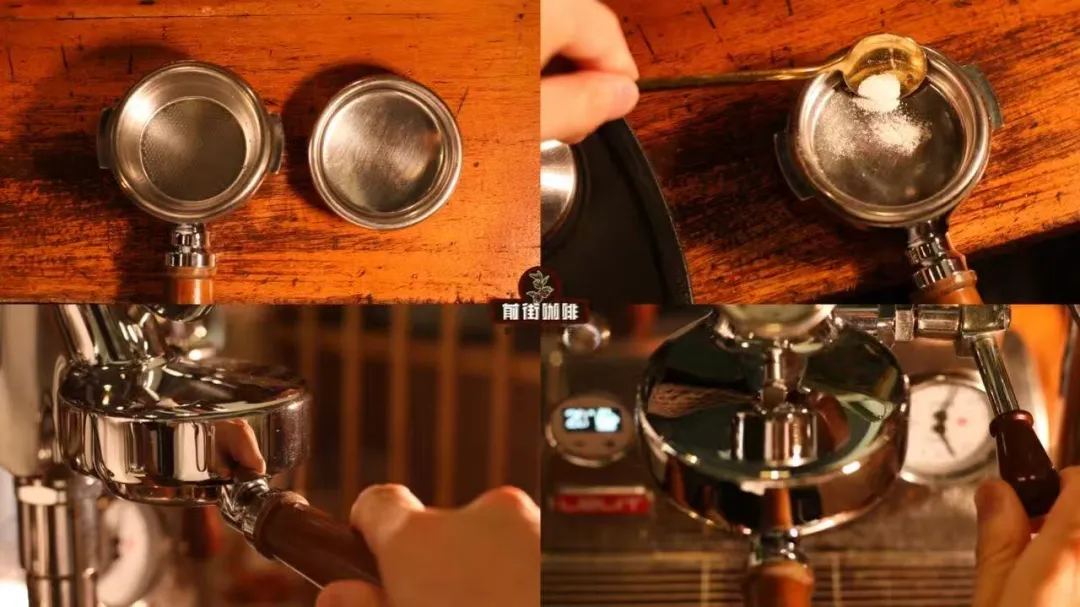
. (Why do we recommend everyone replace it themselves? Because doing it yourself versus hiring someone to come to your home can differ in price by three to four times.)
Water Tank/Boiler Finally, there are some parts that Front Street relatively recommends having a professional clean. After long use, the espresso machine's built-in water tank or boiler accumulates a certain amount of scale and stains. If never cleaned, the grime will only build up more and more, directly affecting coffee extraction and taste. So Front Street recommends regularly cleaning the water tank and boiler. However, these parts are relatively complex, so for friends who aren't very handy, it's best to hire a professional to come clean them. As for the interval... similar to the gasket, once every six months or a year is fine. Other... Also, if you've equipped your espresso machine with a water system, it's best to replace the filter cartridge regularly too. Water quality also has a huge impact on extraction, as Front Street mentioned in previous articles, so I won't expand on it here. There's also the split portafilter. Many friends are used to using a split portafilter to extract espresso. Although after extraction we rinse it with hot water and then wipe the handle with a dry cloth, unlike a bottomless portafilter, the split portafilter still has many dead corners inside that are hard to clean.

So friends who use a split portafilter to extract coffee can, when closing up at night, remove the filter basket and use a brush with clean water to rinse the inside of the portafilter and wash away the grime. That way, the portafilter won't easily pick up odors, and won't further affect the coffee's flavor. - END -
The above content is compiled by CoffeeHunters, a coffee news website.


