







Which Blended Coffee Beans Belong in a Drip Bag?
Drip bag coffee was developed by UCC Ueshima Coffee in Japan in 2001 and now accounts for about 15 percent of the Japanese regular coffee market. Quality varies widely: look for specialty-grade blended coffee beans, permeable non-toxic filter paper, and nitrogen flushing for freshness. A bag that delivers natural coffee aroma when opened is a good sign.
The format seals ground coffee in a non-woven or cotton paper filter bag with cardboard ears that rest on the cup rim, which is where the name comes from. Roast level and origin determine the cup, from the bright fruity acidity of Yirgacheffe to the fuller body of Mandheling, so taste preference should guide the choice.
In today's fast-paced modern life, if you want to enjoy a high-quality black coffee anytime, drip bag coffee is undoubtedly an ideal solution. This invention, which originated from UCC Ueshima Coffee in Japan, now occupies 15% of the Japanese coffee market. However, even though they are all called drip bag coffee, the quality varies greatly—specialty bean raw materials, permeable and non-toxic filter paper, and nitrogen-flushing preservation technology are all indispensable. This article will guide you through the historical origins and core characteristics of drip bag coffee, and focus on how the Front Street brand uses specialty estate beans and diverse roasting to create eight drip bag products with distinct terroir characteristics, from the bright fruity acidity of Yirgacheffe to the rich and full-bodied Mandheling, satisfying the needs of people with different taste preferences.
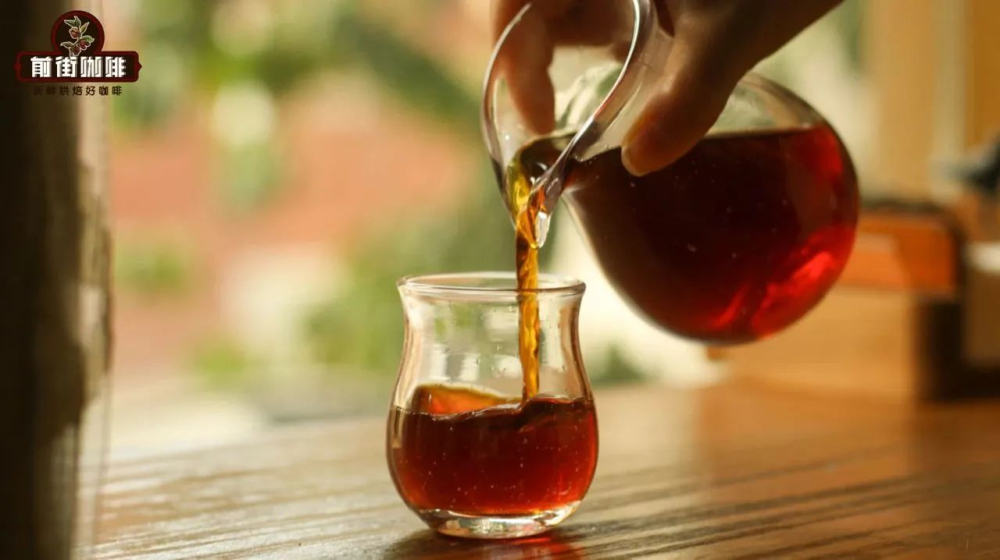
In modern life, the pace is rushed. If you want to quickly drink a good cup of coffee without spending too much time, Front Street believes that drip bag coffee is a quite ideal choice.
The History of Drip Bag Coffee
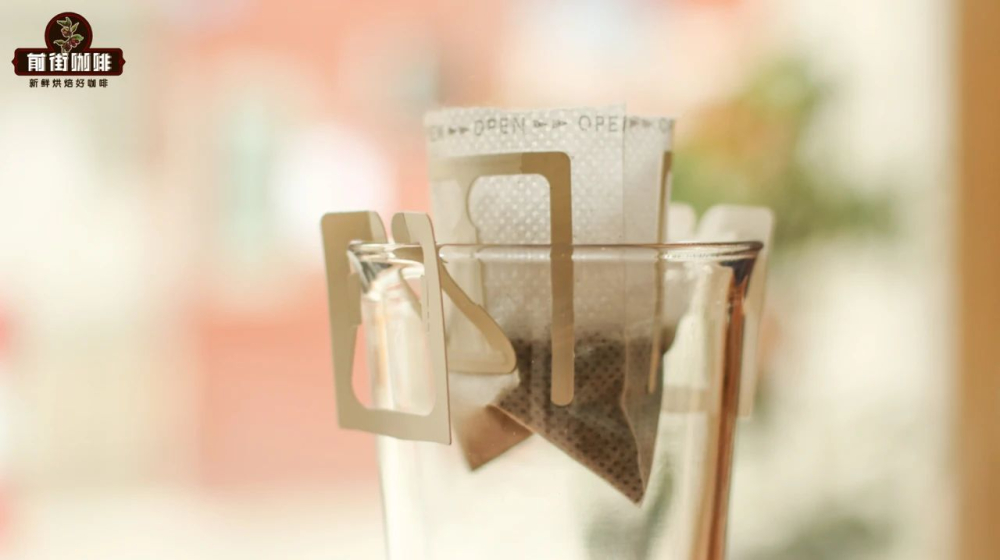
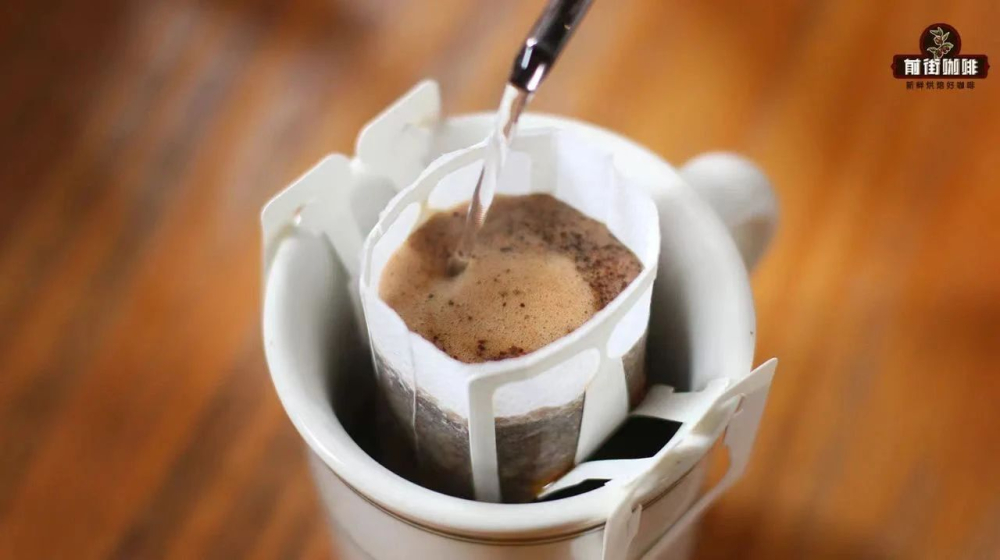
In 2001, UCC Ueshima Coffee in Japan successfully developed drip bag coffee and applied for a patent, then officially launched it to the consumer market. In Japanese, this product is called "one-cup extraction coffee." It works by sealing ground coffee powder in a non-woven fabric or cotton paper filter bag, with a paper cardboard on each side of the filter bag. After unfolding, it can be placed on a cup with a narrower rim, and after pouring water to brew, you simply lift it out and discard it, and a cup of aromatic black coffee is ready. Those two cardboard pieces that rest on the cup rim like ears are exactly the origin of the name "drip bag." With the advantages of easy operation and portability, plus the pure and rich taste far superior to instant coffee, drip bag coffee now occupies 15% of Japan's regular coffee market.
Although they are all called drip bag coffee, there are differences in quality. High-quality drip bag coffee not only uses specialty-grade coffee beans as raw materials, but the filter paper also needs to be permeable and non-toxic, and it is best to use nitrogen flushing to maintain freshness. The moment you cut open the filter bag, you can smell the natural coffee aroma, and as the water temperature and time change, the aroma also presents different layers of evolution.
The Characteristics of Drip Bag Coffee
The most prominent advantage of drip bag coffee is that you can quickly get a cup of black coffee. It is easy to carry around; tear open the filter bag and pour in hot water, and it is ready to drink. Compared with instant coffee, both the taste and aroma are more natural and layered, so it has become a new favorite in the current market. From the source, this type of product directly purchases coffee beans from major coffee-producing regions, specialty estates, and even auction-grade lots; in order to ensure that the drip bag coffee remains fresh after being ground into powder, it uses a process of fresh roasting and immediate packaging, high-purity nitrogen preservation, and introduces fully automatic packaging equipment, completing production in one stop with a professional assembly line. When you tear open the package, the coffee aroma rushes toward you.
When most products on the market are still using commercial blended coffee beans, Front Street has already launched "filter drip bag coffee packs made from specialty estate coffee beans," with as many as hundreds of varieties. Through Front Street drip bag coffee, many coffee lovers are able to appreciate the unique and rich flavor layers of coffee beans without having to buy coffee beans and brew them at home themselves.
Front Street Drip Bag Coffee Recommendations
In addition to selecting coffee beans, Front Street also matches corresponding roasting curves according to the characteristics of different bean varieties, striving to present the aroma in its best state. The packaging form has gradually evolved from bulk packs to individual single packs, and now has been upgraded to nitrogen flushing to effectively prevent the coffee from oxidizing and deteriorating; at the same time, high-quality filter paper is selected to ensure excellent permeability.
As is well known, different coffee origins also bring changes in flavor and taste. Front Street not only has a rich variety of specialty coffee products, but has also launched multiple drip bag coffees with different flavors, able to satisfy the diverse taste needs of the public, such as the Front Street Classic Five Origins Seasonal Drip Bag Coffee Pack.
1. Front Street Yirgacheffe Drip Bag (Medium-Light Roast): Presents citrus, white floral, and lemon flavors, suitable for friends who prefer fruity acidity.
2. Front Street Brazil Cerrado Drip Bag (Medium Roast): With toasted bread, chocolate, and creamy peanut flavors, suitable for friends who like nutty aromas.
3. Front Street Indonesia Mandheling Drip Bag (Dark Roast): Prominent caramel, herbal, and spice flavors, suitable for those who pursue a full-bodied taste.
4. Front Street Panama Diamond Mountain Drip Bag (Medium Roast): Nuts, berries, and citrus interwoven, suitable for those who like a balanced taste.
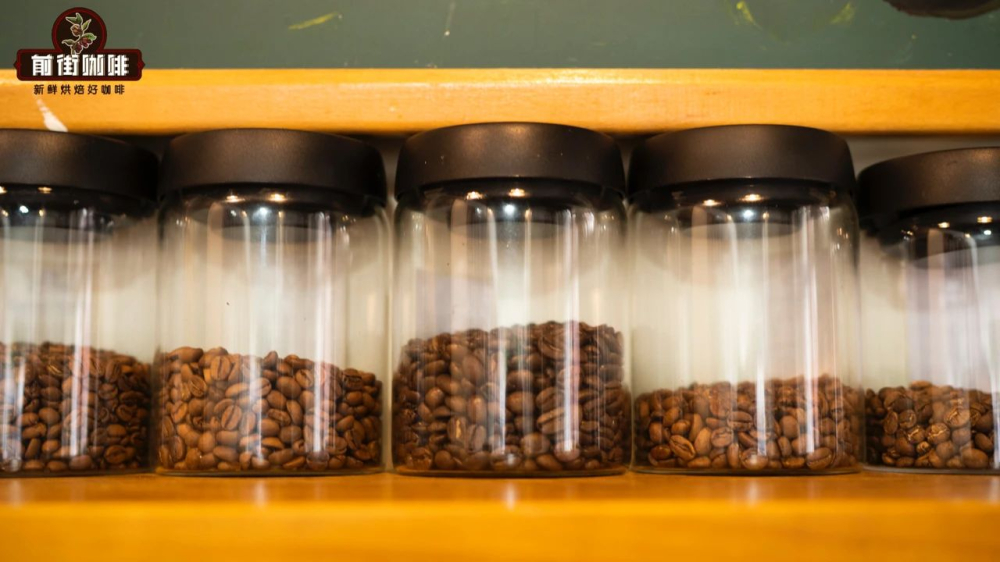
5. Front Street Huakui Drip Bag (Light Roast): Creamy strawberry, citrus, guava, and mango flavors, suitable for those who love fruity coffee.
6. Front Street Red Cherry Drip Bag (Light Roast): Berries, floral notes, lemon, and fermented notes, suitable for friends who like soft fruity acidity.
7. Front Street Yunnan Small Bean Drip Bag (Medium Roast): Brown sugar, nuts, plum, and black tea notes, suitable for those who do not particularly like acidity.
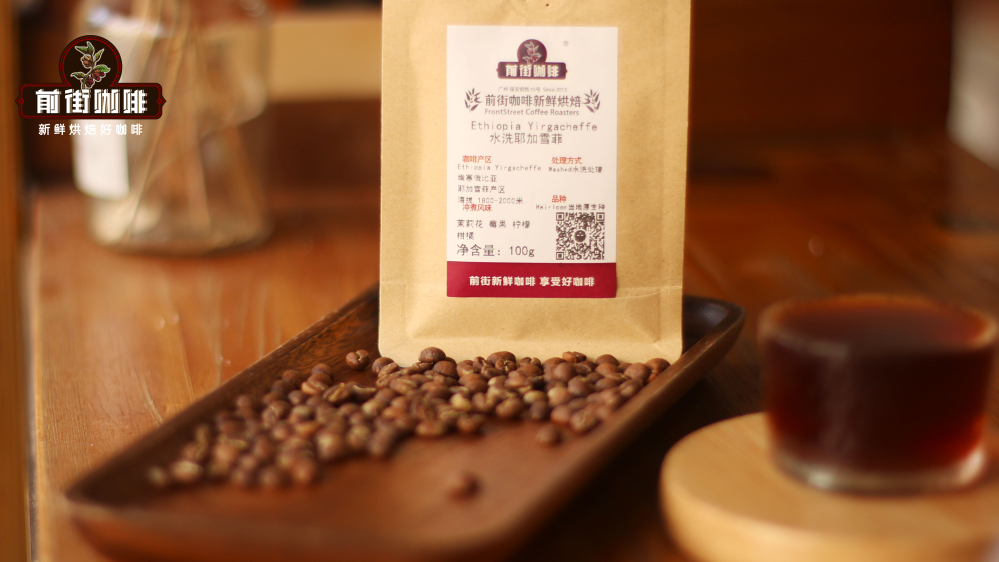
8. Front Street Gesha Village Chaka Drip Bag (Light Roast): Red berries, oolong tea, and lemon, allowing you to appreciate the varietal characteristics of Ethiopian Gesha.
The above content is compiled by CoffeeHunters, a coffee news website.


