







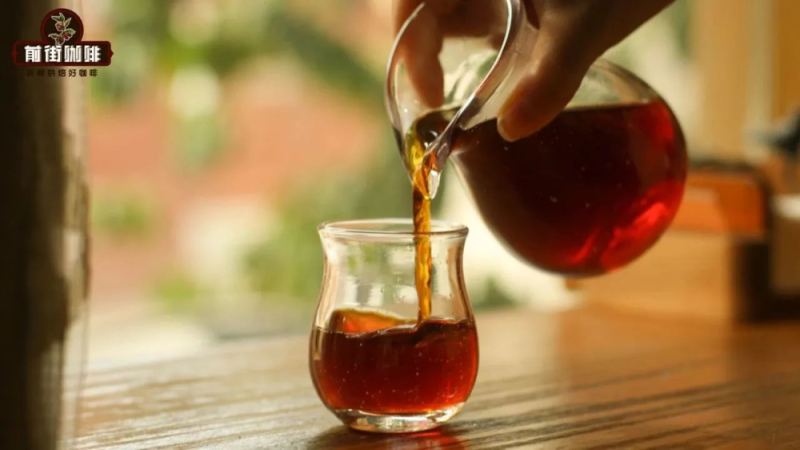
Which Drip Bag Coffee Is Worth Buying?
Drip bag coffee was first developed in Japan in 2001 by UCC Ueshima Coffee, which patented it and brought it to market as one-cup extraction coffee. Ground coffee is sealed in a filter bag with two paper flaps that rest on the cup rim. Today drip bags hold about 15 percent of Japan's regular coffee market, but quality varies widely.
Judging what is worth buying comes down to three points: specialty-grade beans, permeable and safe filter paper, and nitrogen flushing for freshness. Front Street uses specialty estate beans from Yirgacheffe to Gesha Village Chaka, each bag labeled with roast level and flavor notes. A ten-flavor test compares classic five-origin seasonal series bags so drinkers can match a cup to their taste.
In a fast-paced life, if you want a good cup of coffee anytime without any fuss, drip bag coffee is undoubtedly a smart choice. This little invention originating from Japan now accounts for 15% of Japan's regular coffee market. But even among drip bag coffees, quality varies enormously—specialty beans, permeable filter paper, and nitrogen flushing for freshness are all indispensable. Front Street Coffee uses hundreds of specialty estate beans to make drip bag coffee, from Yirgacheffe to Gesha Village Chaka, each labeled with roast level and flavor notes. This article traces the history of drip bag coffee and key purchasing points, and analyzes the flavor characteristics of eight products including Front Street's classic five-origin seasonal drip bag series, helping you find the cup that suits your taste.
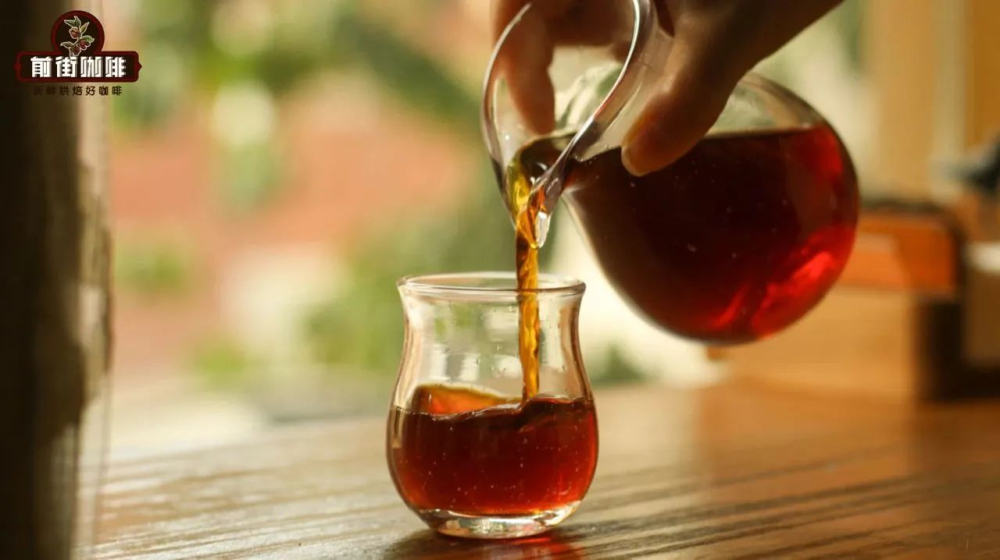
People today live at a tight pace, wanting to enjoy a good cup of coffee without spending too much time on it. Front Street believes drip bag coffee is an ideal solution.
The Origin of Drip Bag Coffee
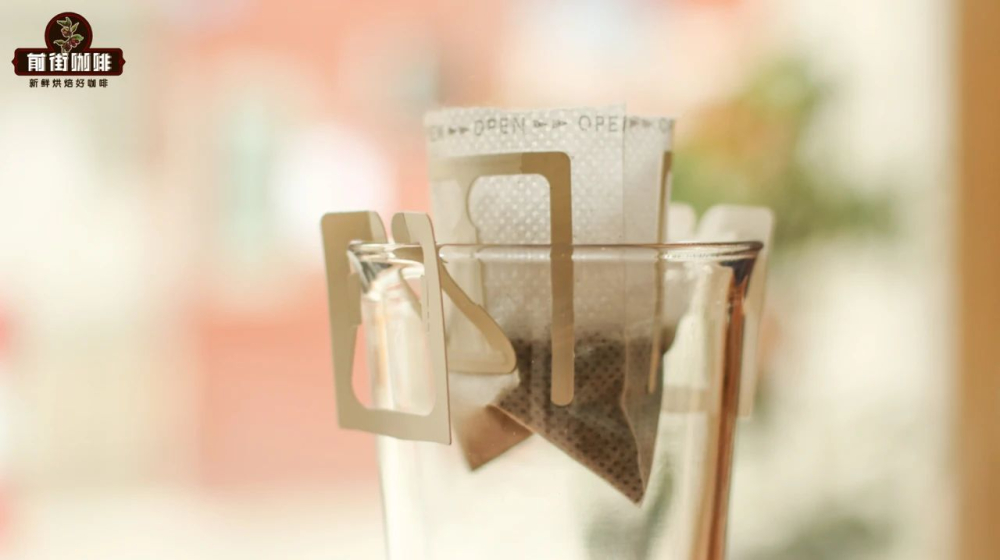
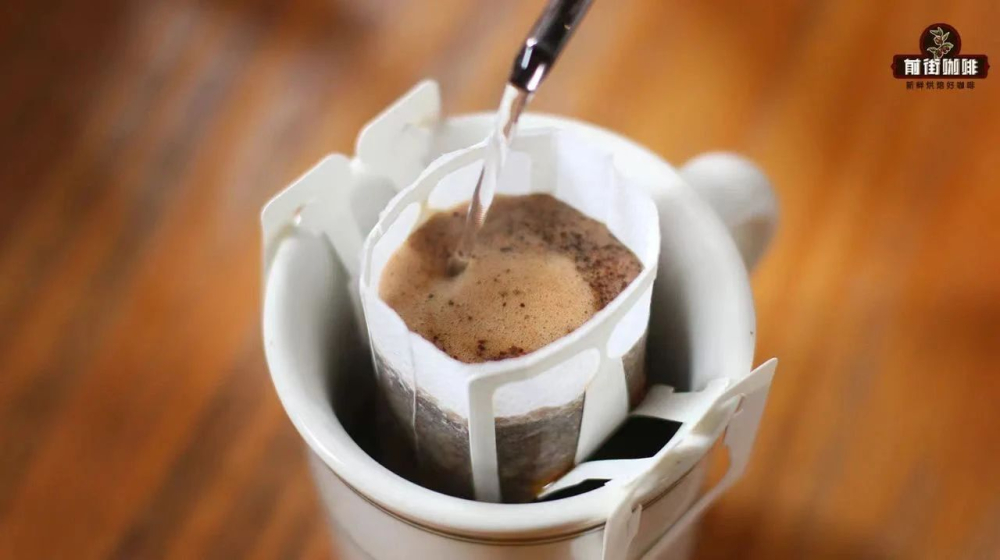
In 2001, Japan's UCC Ueshima Coffee was the first to develop drip bag coffee and obtained a patent, then brought it to market. In Japanese, it is called "one-cup extraction coffee." The principle is not complicated: ground coffee is sealed into a non-woven fabric or cotton paper filter bag, with a paper flap on each side of the bag opening. When unfolded, it sits on the rim of a narrow-mouthed cup. After pouring water and brewing, you simply lift it out and discard it, and a rich cup of black coffee is ready. Those two paper flaps resting on the cup rim, shaped like ears, are exactly where the name "drip bag" comes from. Easy to use, easy to carry, and producing a cup far purer and more aromatic than instant coffee, drip bags now hold a 15% share of Japan's regular coffee market.
Even if they are all called drip bag coffee, quality still varies. A superior product not only uses specialty-grade coffee beans, but the filter paper must also be permeable and safe, ideally with nitrogen flushing for freshness. The moment you cut open the filter bag, you can smell the natural coffee aroma, and as water temperature and time change, the layers of aroma continue to unfold.
The Core Advantages of Drip Bag Coffee
The biggest selling point of drip bag coffee is quickly getting a cup of black coffee. It is convenient to carry—just tear open the filter bag and pour in hot water. Compared with instant coffee, both the taste and aroma are more natural and richer in layers, making it a current market favorite. Some brands purchase green beans directly from various coffee origins, specialty estates, and even auction lots. To ensure the drip bag coffee stays fresh after being ground, they use freshly roasted and freshly packed beans, high-purity nitrogen preservation, and fully automatic packaging equipment, completing production on a professional assembly line. As soon as you tear open the package, a bold coffee aroma rushes out.
When the market was still generally using commercial blended beans, Front Street had already launched "drip bag coffee made from specialty estate coffee beans," with as many as hundreds of varieties. Through Front Street drip bag coffee, many coffee lovers have been able to appreciate the rich and unique layered flavors of coffee beans, and then become interested in buying beans to brew at home themselves.
Front Street Drip Bag Coffee Recommendations
In addition to carefully selecting coffee beans, Front Street also matches different roasting curves according to each bean's characteristics, striving to bring out the best aroma expression. Packaging has been upgraded from bulk bags to individual small packets, and now further adopts nitrogen flushing to prevent caffeine oxidation and deterioration; the filter paper is also made from material with excellent permeability.
Different coffee origins naturally have different flavor directions. Front Street not only has a rich range of specialty coffees, but its drip bag coffee also offers multiple flavor options, covering mass taste preferences, such as Front Street's classic five-origin seasonal drip bag coffee.
1. Front Street Yirgacheffe Drip Bag (medium-light roast): citrus, white floral, lemon flavors, suitable for friends who like fruity acidity in coffee
2. Front Street Brazil Cerrado Drip Bag (medium roast): toasted bread, chocolate, creamy peanut flavors, suitable for friends who like nutty aromas in coffee
3. Front Street Indonesia Mandheling Drip Bag (dark roast): distinct caramel, herbal, and spice flavors, suitable for those who prefer rich, full-bodied coffee
4. Front Street Panama Diamond Mountain Drip Bag (medium roast): nuts, berries, citrus, suitable for those who like a balanced taste
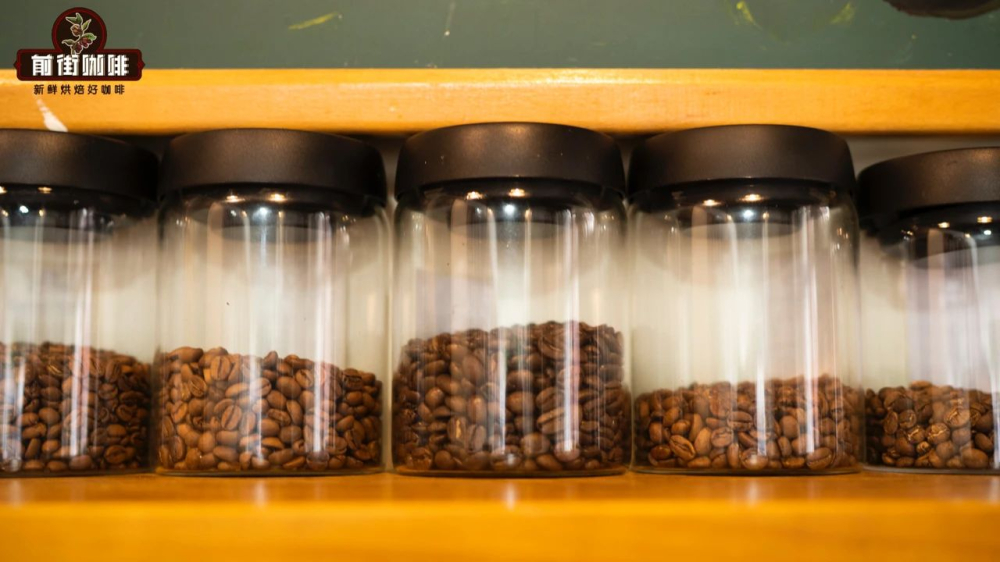
5. Front Street Huakui Drip Bag (light roast): creamy strawberry, citrus, guava, mango flavors, suitable for those who like fruity coffee
6. Front Street Red Cherry Drip Bag (light roast): berries, floral, lemon, fermented notes, suitable for friends who like soft fruity acidity
7. Front Street Yunnan Small-Bean Drip Bag (medium roast): brown sugar, nuts, plum, black tea, suitable for those who do not like too much acidity
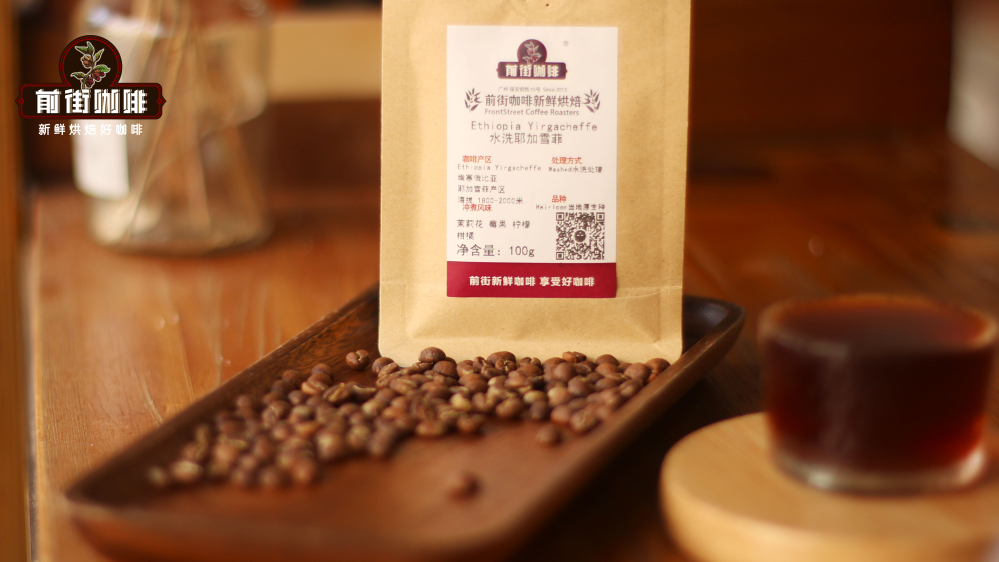
8. Front Street Gesha Village Chaka Drip Bag (light roast): red berries, oolong tea, lemon, where you can taste the characteristics of Ethiopian Gesha
The above content is compiled by CoffeeHunters, a coffee news website.


