







Search Results for: Florida Water milk tea
Liushen Florida Water Teams Up with Lelecha for a Co-branded Milk Tea: Full Analysis of the Mint Meilong Ice Coconut Flavor's Price and Consumer Reviews
Chinese brand Six God floral water is once again making waves with a crossover collaboration, this time teaming up with Lelecha to launch a drink called "Mint Melon Ice Coconut." Its bottle closely resembles the classic floral water packaging, quickly sparking heated discussion online. This drink blends mint, melon, and coconut milk, and netizens describe its taste as refreshing—not the dark, floral-water flavor one might imagine. The product has sold out in some stores, with limited restocking nationwide starting September 25. In recent years, Six God has been making frequent crossover moves, previously collaborating with KFC and RIO to launch coffee-flavored floral water and floral water cocktails, each time successfully catching consumers' attention. This article will detail the taste, price, consumer feedback, and Six God's past crossover cases for this co-branded milk tea, taking you behind the business logic of brand mashups. [more…]
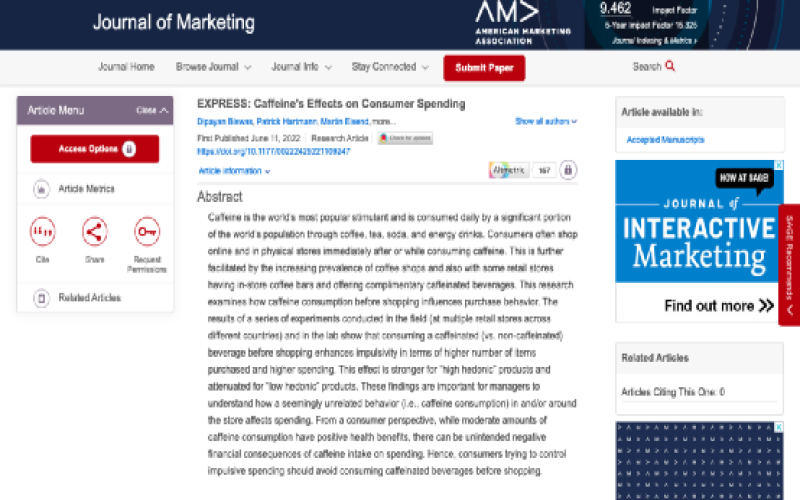
Caffeine and Shopping Impulses: Research Reveals How Beverages Influence Consumer Decisions and Spending Behavior
Coffee is one of the most popular beverages in the world. Not only can it refresh the mind, but it may also quietly change your shopping habits. A study published in the Journal of Marketing found that consuming caffeine before shopping significantly increases spending and the number of items purchased, especially non-essential goods. Researchers at the University of South Florida, through offline retail store and online laboratory experiments, revealed how caffeine affects impulse control by releasing dopamine. This article will explain in detail the design of the study, its results, and its implications for everyday consumption, while also reminding coffee lovers to be mindful of the potential financial effects while enjoying coffee. [more…]
Is Decaf Coffee Really Healthier? Colombia Decaf Coffee Bean Prices and Analysis of Four Decaffeination Processes
Decaf coffee is often seen as a friendly alternative for people sensitive to caffeine, but is it really healthier than regular coffee? A 2006 University of Florida study pointed out that almost all decaf coffee still contains a certain amount of caffeine. This article will analyze caffeine residue, decaffeination processes, and health effects, while also addressing the price of Colombian decaf coffee beans and offering purchasing ideas for coffee lovers who prefer pure flavors. [more…]

Deconstructing 2021 WBrC Champion Matt's Blend Bean Pour-Over Recipe: Building Layered Sweetness with Stepped Temperature Control and Five-Pour Technique
At the 2021 WBrC World Coffee Brewing Championship, champion Matt won with a blend rather than Geisha, sparking widespread attention. His recipe consisted of 60% naturally processed Eugenioides and 40% washed Catuai; the former provides extremely high sweetness, while the latter brings clear acidity. In brewing, he used a metal V60 dripper, a 1:15 coffee-to-water ratio, five-pour pouring, and innovatively controlled the water temperature in two stages: 93°C and 88°C. Through video analysis, Front Street Coffee found that his pouring ratio closely resembles Tetsu Kasuya's 4:6 brewing method. This article provides a complete analysis of this competition regimen, which balances sweetness and complexity and offers extremely high compatibility, for coffee enthusiasts to reference and learn from. [more…]
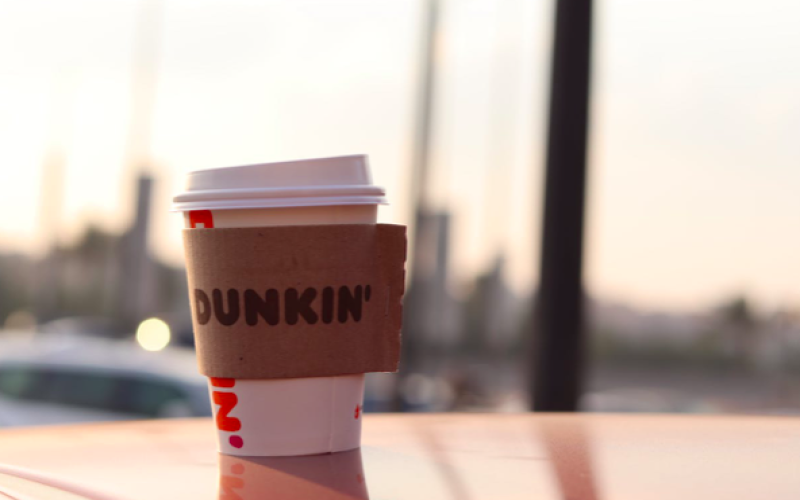
Dunkin faces class action lawsuit over surcharge on non-dairy drinks as pricing disputes continue to simmer in the US coffee industry
For coffee lovers who are lactose intolerant or allergic to dairy, plant-based alternatives such as oat milk and almond milk allow them to enjoy lattes without worry. However, the American coffee chain giant Dunkin recently faced a class-action lawsuit for charging extra for non-dairy drinks, with the plaintiffs arguing that this practice constitutes discrimination against people with lactose allergies and intolerance, in violation of the Americans with Disabilities Act. This is not the first time the U.S. coffee industry has faced legal disputes over plant-based milk pricing; Starbucks has also previously faced similar allegations. This article will review the course of events, the legal basis, and industry reactions, and explore the cost and fairness issues behind the controversy over non-dairy drink pricing. [more…]
A Complete Guide to the Pacamara Coffee Variety: From Its Breeding History in El Salvador to the Brewed Flavor of Front Street Coffee's Guatemala Beans
Pacamara is hailed by many coffee enthusiasts as the "T-Rex" of the bean world. Bred from a cross between Pacas and Maragogype, it boasts an intensely complex flavor profile that combines the juicy character of citrus and red berries with a creamy sweetness and full body. This article begins with the coffee-growing origins of the Pacas family, tracing the discovery of the Pacas variety and how El Salvador's ISIC spent roughly three decades developing Pacamara. It then uses Front Street Coffee's Guatemala Little Blueberry Estate as an example to share information about this bean along with the Hario V60 brewing parameters and techniques commonly used by Front Street Coffee, helping you gain a more complete understanding of this variety's origins and its performance in the cup. [more…]

Tracing the Origin and Analyzing the Flavor of Pacas Coffee Beans: From the El Salvador Bourbon Variety to Honduras Sherry
Pacas is a natural Bourbon mutation originating from El Salvador, later introduced to Honduras where it became an important local cultivar. This article systematically reviews the origin and discovery history of the Pacas variety, introduces the geographical conditions, cultivation history, six major producing regions, and main varieties of Honduran coffee, and provides a detailed review of Front Street Coffee's Honduras Sherry coffee beans—a specialty coffee that blends the Pacas variety and undergoes whiskey sherry cask fermentation, covering its roasting curve and the flavor performance under three brewing methods: V60, KONO, and Japanese iced pour-over. [more…]
An Analysis of the Terroir of Colombia's Nariño Region: Flavor Profile and Brewing Suggestions for Fabián Zala's Caturra Coffee
Nariño is a high-altitude coffee-growing region in southwestern Colombia, bordering Ecuador. Its steep slopes and volcanic soil give the coffee a unique flavor profile, and in recent years it has attracted considerable attention in the specialty coffee world. This article focuses on a Caturra lot from the Fabian Zarama farm in this region, outlining its cultivation and processing methods, blind-tasting performance, and flavor characteristics. This coffee has a full body, presenting notes of butterscotch, cola, cherry, and a crisp acidity. It is suitable for a light roast and works well for both pour-over and espresso. Friends who enjoy Colombian coffee may want to follow Front Street Coffee's recommendation and explore the terroir charm of Nariño along with what makes this new lot so special. [more…]
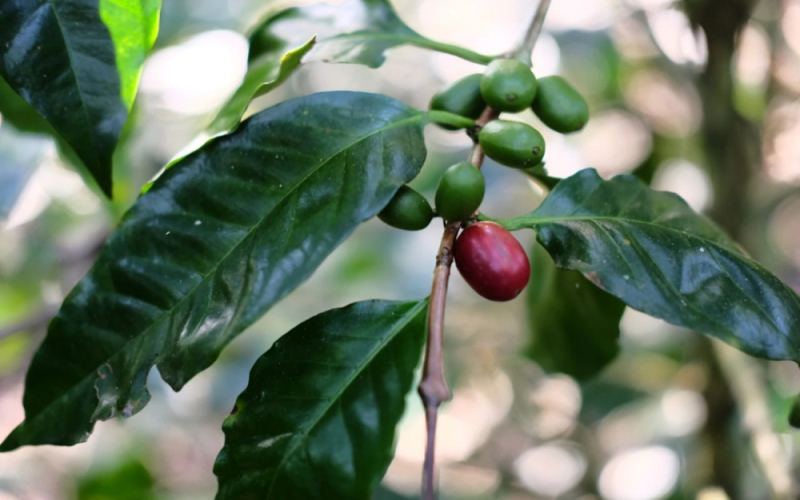
Pacamara: How a Salvadoran Hybrid Became a Strong Rival to Geisha, and How It Differs from Sidra and Java
Pacamara is a hybrid variety born in El Salvador in 1958, created by combining two major varieties: Pacas and Maragogype. Although it boasts exceptionally large beans akin to elephant beans, it languished for half a century due to low yield and processing difficulties, until 2007 when it swept the Cup of Excellence double championship and defeated Geisha, earning the title of "Geisha's rival." This article reviews its complex lineage, tumultuous journey, and flavor advantages, and explores whether it surpasses Sidra and Java. Front Street Coffee takes you deep into this legendary variety. [more…]
Analysis of the Pacamara Coffee Variety in El Salvador: From Its Hybrid Origins of Pacas and Maragogipe to Its Flavor Expression in Guatemala
Pacamara is a precious variety bred by El Salvador's coffee research institute by crossing Pacas with Maragogipe, combining the dual advantages of the sturdy, stress-resistant Pacas and the giant-bean Maragogipe. Since the 19th century, the Pacas family has been deeply involved in the coffee industry, passing down through five generations and witnessing this variety's long journey from its cultivation in 1958 to its gradual promotion only in the late 1980s. This article will guide you through the story of Pacamara's discovery and cultivation, analyzing its flavor characteristics—the interweaving of a creamy mouthfeel, elegant acidity, and chocolate butterscotch sweetness—as well as its botanical features, including a medium-sized tree, large leaves, and elongated oval beans, providing coffee enthusiasts with a comprehensive reference for understanding this variety. [more…]
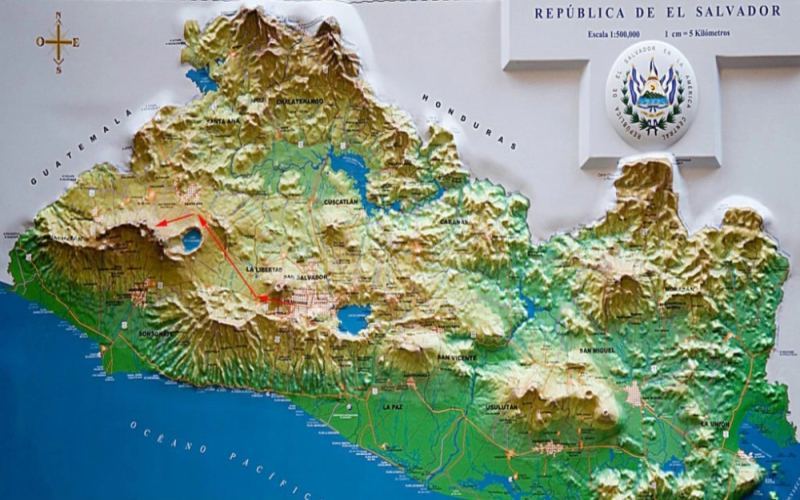
Pacamara Coffee Full Analysis: Hybrid Lineage, Maragogype Genes, and the Road to Cup of Excellence Glory
Pacamara is a hybrid variety born in 1958 at the Salvadoran Coffee Research Institute, created by crossing the Bourbon variant Pacas with the Typica variant Maragogipe (Elephant Bean). It inherited the large-bean genes of the Elephant Bean, but because its beans were too large, green bean processing became difficult and yields were low, leaving it dormant for nearly half a century. It was not until 2007 that Pacamara won dual championships at the Cup of Excellence in Guatemala and Honduras, and swept the top three places in El Salvador, defeating many Geisha coffees in one stroke, and has since been hailed as the "Geisha rival." This article will guide you through Pacamara's complex lineage, processing challenges, and how it rose to the specialty coffee stage with its rich and varied flavors. [more…]
A Detailed Guide to Coffee Bean Variety Classification: Flavor Comparison of Arabica, Robusta, Liberica, and Derivative Species Such as Typica and Bourbon
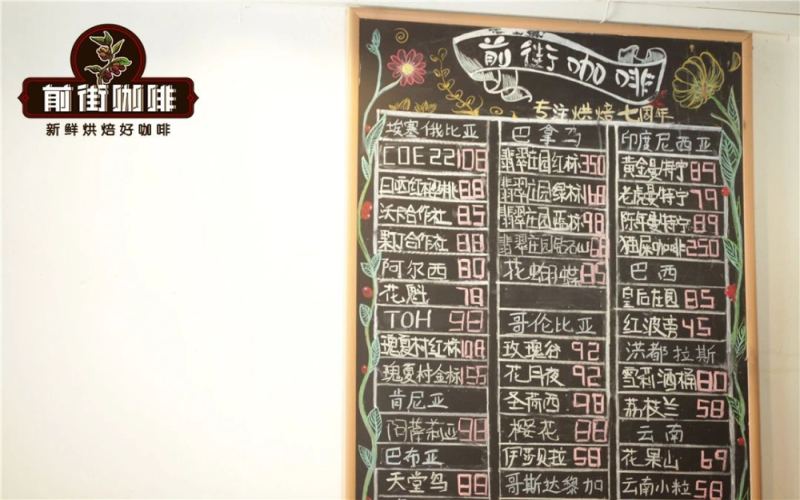
The flavor of coffee is not only influenced by its origin—the coffee bean variety itself is also a key factor determining the direction of its taste. About 66 countries around the world grow coffee, broadly divided into three major producing regions: Latin America, Africa, and Asia, each presenting different styles such as full-bodied, fruity and citrusy, and a blend of richness and fruity acidity. At the bean variety level, Arabica, Robusta, and Liberica are the three main categories, among which Arabica-derived varieties such as Typica, Bourbon, Pacas, Caturra, Catuai, and Catimor each have their own characteristics. In this article, Front Street Coffee systematically sorts out the origins, plant characteristics, disease resistance, and flavor performance of these varieties, helping coffee enthusiasts build a clear framework of variety knowledge so they can more precisely select coffee beans suited to their own taste. [more…]

Some McDonald's locations have been reported to have steam explosion hazards in their coffee machines, leading to a suspension of related beverage supply in the US and Canada.
McDonald's recently suspended the use of certain coffee machines at some restaurants in the United States and Canada after its coffee machine supplier, Melitta, reported safety hazards with the equipment, leaving espresso-based drinks, hot chocolate, and other products unavailable. According to CBS News, Melitta found that a component of the coffee machines may be defective, potentially causing a steam explosion and damaging the equipment, and inspections and investigations could last three weeks. McDonald's has more than 14,000 restaurants across the United States and sells nearly 8 million cups of coffee every day. The incident has affected multiple cities, including Atlanta, Dallas, Pittsburgh, New York, and Tampa. The brand said it is assessing the scope of the impact and working closely with the supplier to restore supply as soon as possible. [more…]
A Complete Guide to Honduran Coffee: Six Major Regions, Grading System, Bean Characteristics, and Front Street Coffee's Top Picks
Honduras is the largest coffee-producing country in Central America and a major global exporter of washed Arabica beans. Coffee here is known for its exotic spice-like aromas, rich nutty and chocolatey finish, and balanced complexity. Since its introduction in the late 18th century, Honduran coffee has gone through a tortuous journey from lagging behind to rising, and today it has six major regions including Copán and Opalaca, as well as a strict grading system based on altitude and defect rate. This article will give you a comprehensive understanding of Honduras coffee's geographical conditions, development history, regional distribution, processing methods, and main varieties, and introduce specialty coffee beans selected by Front Street Coffee, such as Sweet Orange Estate, Mocha Estate Sherry, and Lychee Orchid. [more…]

Exploring Finca El Burro in Boquete, Panama: The Journey of Sun-Dried Geisha Flavor and a Century of Coffee Heritage
In the Boquete production region of Panama, there is a coffee estate about to celebrate its centennial—El Burro Estate. Founded in 1925 by French immigrant Aristides Boutet, it now belongs to the Lamastus family and shares the same lineage as the famous Elida Estate. El Burro Estate enjoys the fertile soil and unique microclimate brought by Baru Volcano, providing excellent growing conditions for varieties such as Geisha. This article will take you through the history and terroir advantages of El Burro Estate, and guide you in tasting the sun-dried Geisha from Front Street, experiencing the captivating flavors of green grapes, apricots, and floral notes. [more…]
A Complete Analysis of Honduran Coffee Bean Origins and Flavors: From Geographical Conditions to Six Major Regions, Varieties, and Processing
Honduras is the largest coffee-producing country in Central America and an important global supplier of washed Arabica beans. This article will systematically introduce the flavor characteristics of Honduran coffee beans and the reasons for their popularity from the perspectives of geography, historical development, the grading system, the six major producing regions, varietal characteristics, and processing methods. Through field investigations and repeated cupping, Front Street Coffee has listed a number of Honduran beans with diverse styles, covering producing regions such as Copán, El Paraíso, and Marcala, featuring both the clean fruit acidity of washed beans and the unique wine aroma of barrel-fermented beans, offering coffee enthusiasts a rich variety of choices. [more…]

A Complete Guide to Cuban Coffee Regions: Island Terroir, Varietal Characteristics, and the Crystal Mountain Grading System
The Caribbean region is home to numerous islands suitable for coffee cultivation, and Cuba is one of the producing countries that cannot be overlooked. This island nation, called "fertile land" in the Taíno language, relies on its tropical savanna climate, abundant rainfall, and fertile soil to cultivate distinctive coffee on hillsides and in valleys at elevations of 1,000 to 1,900 meters. Cuba mainly grows Typica, along with varieties such as Bourbon, Caturra, and Catimor, with the harvest period lasting from September each year to March of the following year. Among these, Crystal Mountain coffee has attracted much attention because its flavor is close to Jamaica Blue Mountain, and it is even regarded by the Japanese market as a top-grade variety. Through this article, Front Street Coffee will guide you through the distribution of Cuba's coffee-producing regions, its variety structure, and the nine-grade classification system from Crystal Mountain to Peaberry, fully presenting the coffee profile of this Caribbean island nation. [more…]
A Complete Flavor Analysis of Panama El Burro Estate Geisha Coffee: Sun-Dried Processing and Cupping Performance of a Century-Old Famous Estate
The Boquete region of Panama has nurtured many world-renowned coffee estates, and El Burro Estate is one of them, soon to enter its centennial history. The estate was founded in 1925 by French immigrant Aristides Boutet, and was later acquired and managed by the Lamastus family due to family ties. Its unique geographical location—near the Baru Volcano mountain range—gives the coffee excellent terroir conditions. The estate mainly cultivates Geisha and Catuai, and in recent years has achieved repeated success in the Best of Panama competition; in 2016, Japan's Maruyama Coffee even won the world championship with El Burro Estate Geisha. Front Street Coffee is now bringing a naturally processed El Burro Estate Geisha, using a medium-light roast, whose cupping reveals a rich layering of green grape, apricot, orange, dried longan, and floral notes intertwined. This article will take you deeper into the history, terroir, and unique flavor of El Burro Estate's Geisha. [more…]
A Complete Analysis of Salvadoran Coffee Origins: Pipil Brand and the Flavor Characteristics of Six Major Regions, Plus Front Street Coffee's Roasting and Brewing Practices
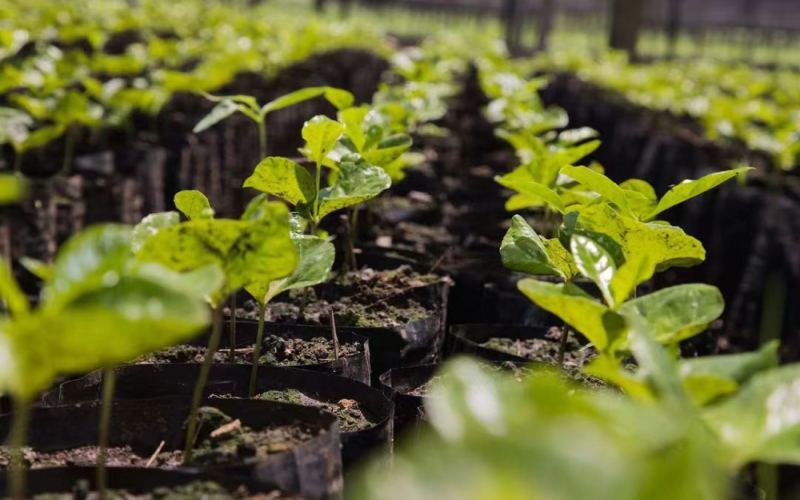
Although El Salvador is a small country, its volcanic soil and high-altitude microclimates nurture specialty coffee with delicate acidity and a balanced mouthfeel, and Pipil Coffee is one of its most representative brands. This article traces the development of Salvadoran coffee from the 18th century to the present, analyzes the flavor differences and main variety characteristics of its nine major producing regions, and shares Front Street Coffee's specific approach to roasting and brewing Salvadoran beans, including how it handles beans such as Santa Ana Chocolate Lover and the brewing parameters, offering coffee lovers a complete origin reference. [more…]
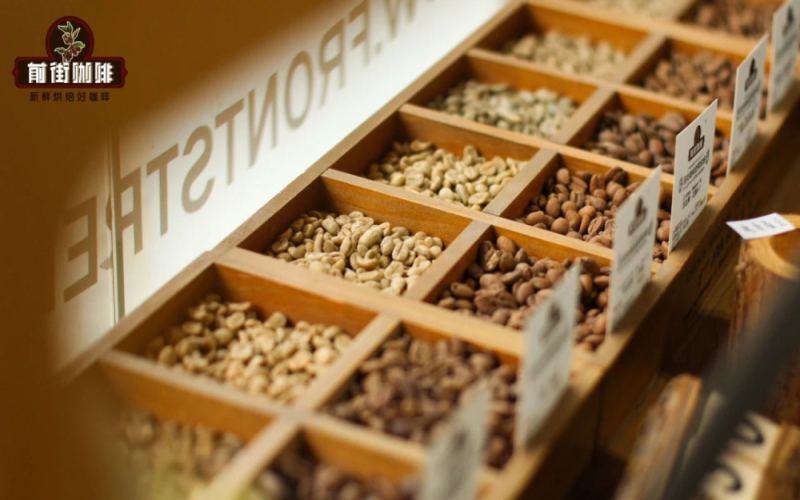
The Origin and Flavor Code of Arabica Coffee Beans: A Full Analysis from Variety Characteristics to Common Subspecies and Hybrids
Why can Arabica coffee beans become synonymous with specialty coffee? From the perspective of Front Street Coffee, this article systematically sorts out the core differences between Arabica and Robusta in flavor, growing conditions, and caffeine content, and introduces one by one the origins and flavor characteristics of common Arabica-derived subspecies and hybrid varieties such as Typica, Bourbon, Caturra, Geisha, Catimor, and SL28. It also includes the producing regions, altitudes, processing methods, and flavor descriptions of several representative coffee beans in Front Street Coffee stores, helping coffee enthusiasts fully understand the Arabica variety system so they can more accurately select coffee beans that match their personal preferences. [more…]