







Search Results for: Extraction Evenness
A Complete Guide to the Coffee Bloom in Pour-Over Brewing: How Time, Water Volume, and Technique Affect Extraction Evenness
Blooming is a key step in pour-over coffee brewing that cannot be overlooked, as it directly affects whether the subsequent hot water can evenly pass through the coffee bed. This article provides a detailed analysis of the difference between blooming and pre-infusion, explains the dual purpose of blooming—releasing carbon dioxide and forming an even filter layer—and offers specific recommendations for the amount of blooming water, typically 1 to 2 times the weight of the coffee grounds, along with the reason for keeping the water temperature between 85 and 92 degrees Celsius. At the same time, the article also explains the blooming pouring technique from three dimensions—small amount, even, and gentle—and points out the differences in water absorption among beans of different roast levels. Front Street Coffee reminds us that only sufficient and proper blooming can lay the foundation for subsequent even extraction, making the flavor of a cup of pour-over coffee more pleasant. [more…]
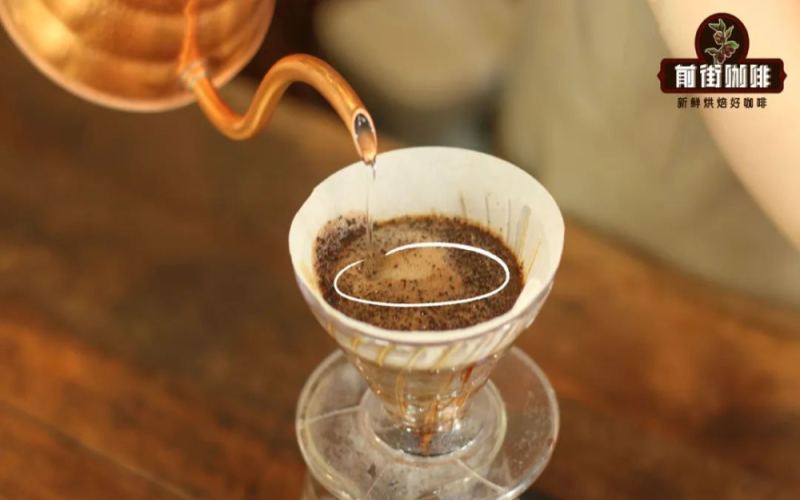
Why does pour-over brewing favor circular pouring? Analyzing the necessity of circular pouring from the perspectives of extraction evenness and over-extraction risk
When brewing pour-over coffee, the vast majority of brewers choose to pour in a circular motion rather than a single-point pour or stirring. Behind this lies a key consideration regarding extraction uniformity and the risk of over-extraction. Starting from actual tests by Front Street Coffee, this article uses an analogy of instant powder particles to explain why the coffee bed needs agitation, analyzes why a single-point pour leads to uneven extraction, and further explains how circular pouring, compared with other agitation methods, can better reduce turbulence and avoid bitterness, thereby becoming the most fault-tolerant and practical pouring technique. [more…]
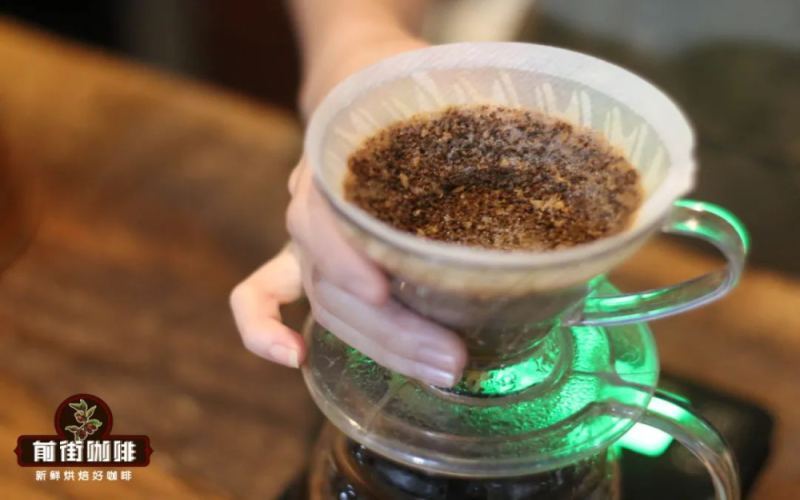
Interpreting the Shape of the Coffee Bed in Pour-Over Brewing: Judging Extraction Evenness and Brewing Issues from the Grounds Pattern
Many pour-over enthusiasts habitually check the shape of the coffee bed in the dripper after brewing, and some even predict the coffee's flavor based solely on the bed's appearance. What can the coffee bed actually tell us? Can it really determine whether a cup of coffee is good or bad? This article starts from the causes of the coffee bed, analyzes the extraction problems corresponding to different bed shapes, and explores the practical reference value of the coffee bed in brewing adjustments. At the same time, Front Street will also share how to view the coffee bed rationally and avoid falling into the misconception of "judging solely by the coffee bed." [more…]
The Correct Way to Distribute and Tamp Espresso: How to Avoid Channeling and Improve Extraction Evenness
Making a proper espresso involves two seemingly simple steps—distribution and tamping—that actually hide many easily overlooked details. If the coffee grounds in the portafilter basket are unevenly distributed, or if the tamping method is improper, hot water will form channeling during extraction, causing some grounds to be over-extracted and others under-extracted, resulting in a final taste that is both sour and bitter. This article, from the perspective of Front Street, explains the respective roles of distribution and tamping, the principle behind channeling, and practical key points such as dosing, distribution needles, dosing cups, and tamping posture, to help coffee lovers make delicious espresso more consistently. [more…]
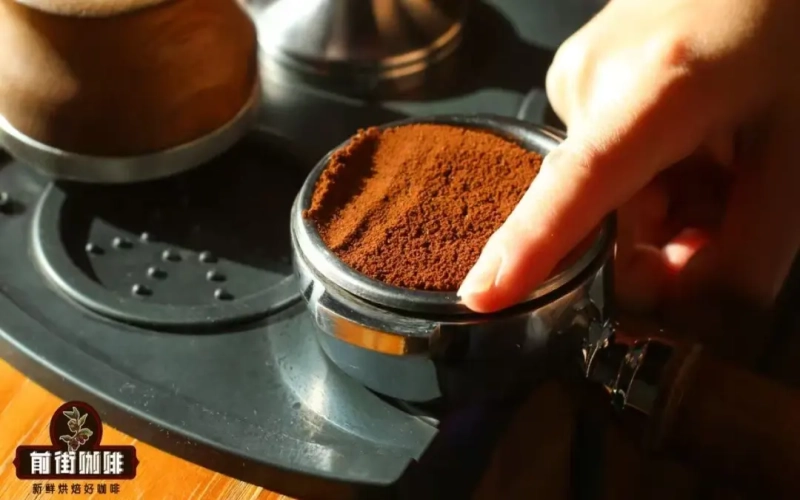
Are a distribution tool and WDT needle tool really worth buying? Looking at espresso stability through extraction evenness
Many friends who have just gotten their hands on an espresso machine struggle with this question: besides a tamper, are a distribution tool and WDT needle tool really necessary? Front Street Coffee has received similar questions before. To answer this, Front Street ran a comparative experiment: using traditional manual distribution versus辅助 tools to each extract three shots of espresso, comparing them by taste and mouthfeel. The experiment used the ever-popular Front Street Espresso Blend Strawberry Candy · Espresso from the Front Street bean lineup, with parameters of 20g dose yielding 40ml. The results showed that the difference between the two was not obvious, but this does not mean the辅助 tools are meaningless. Their real value lies in helping baristas consistently make good coffee, rather than simply improving flavor. This article will start from the causes of channeling, explain the importance of even distribution, and offer advice on whether these tools are worth buying. [more…]
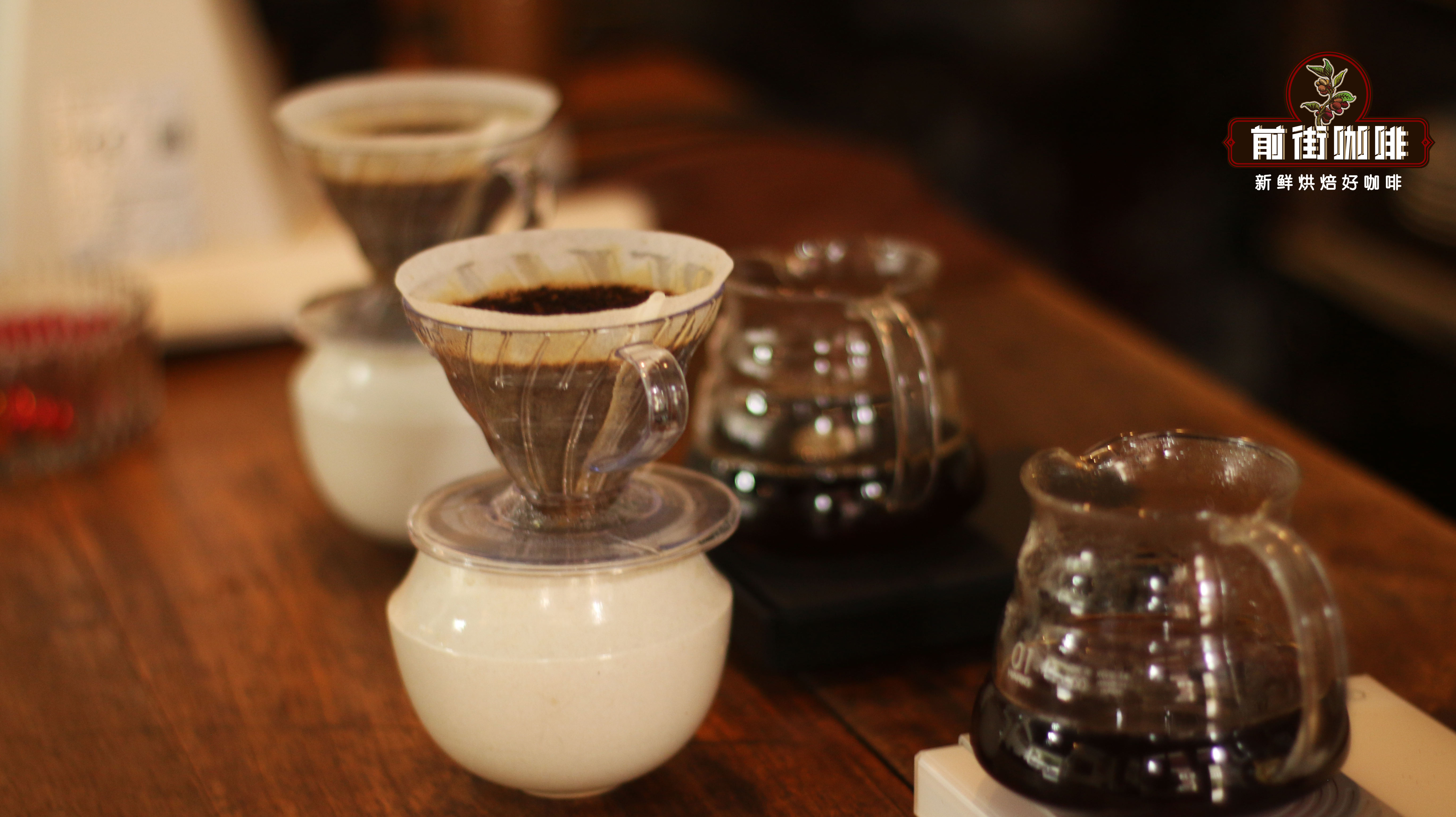
What is the purpose of blooming in pour-over coffee? How can beginners use the well method to improve bloom evenness?
Blooming is an indispensable key step in pour-over coffee, directly affecting the completeness and uniformity of subsequent extraction. Front Street Coffee has confirmed through comparative experiments that the extraction yield of coffee using blooming is significantly higher than versions that skip it. However, blooming is not as simple as "pouring water and waiting for bubbles"—blooming time, water amount, and wetting uniformity all influence the final quality. For beginners who are not yet skilled at water control, uneven wetting of the coffee bed often occurs in conical drippers. In this case, a simple and easy "digging a hole" method can significantly improve the degassing effect. Based on Front Street Coffee's practical experience, this article breaks down in detail the specific steps, applicable scenarios, and precautions of the hole-digging operation, helping beginners stably achieve more uniform extraction results even without proficient technique. [more…]
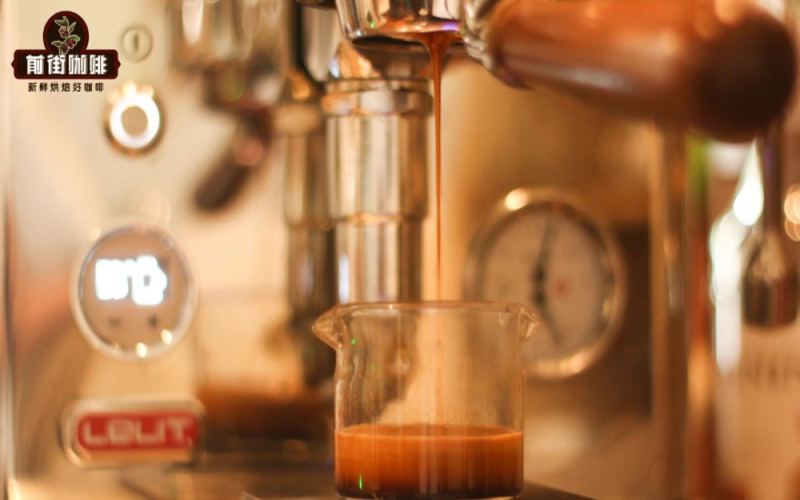
A Complete Guide to Espresso Tamping Techniques: Key Points on Pressure, Angle, and Extraction Evenness
Making an ideal espresso is something where the step of tamping is often overlooked by beginners, yet it directly affects whether the extraction is even. This article starts from Front Street Coffee's hands-on comparison, first using two sets of experiments—one with tamping and one without—to intuitively show the impact of tamping on flow rate and flavor, then explains the respective roles of distribution and tamping, focusing on breaking down the coordination of force, angle, and stance during tamping, and provides two practical solutions to the problem of uneven tamping. At the end, it includes the espresso extraction parameters of Front Street Coffee's store, as well as an introduction to the flavor and recipe of Front Street Sunflower Warm Sun espresso blend coffee beans, for coffee enthusiasts to reference and practice. [more…]
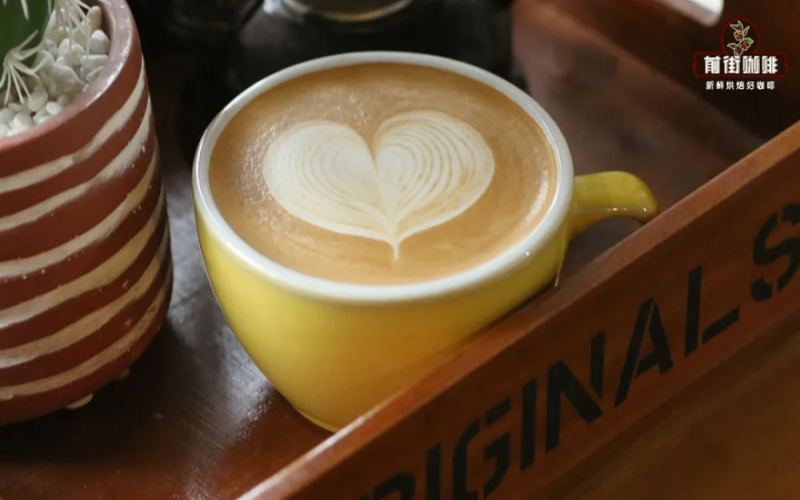
Does latte art enhance coffee flavor? Analyzing the actual effect of visual presentation on taste evaluation
Latte art is the craft of a barista drawing patterns on the surface of an espresso with steamed milk foam. Does it actually change the taste and mouthfeel of a latte? This article analyzes the question from three angles: visual psychology, preparation technique, and quality of integration. Through comparative experiments, Front Street Coffee found that, provided the coffee beans, milk, extraction, and ratios are all on point, latte art and no latte art make no noticeable difference to taste—but latte art places higher demands on foam quality and evenness of integration. The article also explores the balance between pattern complexity, preparation time, and the drinking experience, helping enthusiasts view the relationship between latte art and flavor rationally. [more…]

How can you make latte art integration cleaner? Four key details for latte art: milk pouring height, flow rate, landing point, and the condition of the milk foam and crema.
Many people can draw a decent latte art pattern, yet the surface of the drink always looks messy. The problem usually lies in the mixing step. Mixing is a key stage in making a hot espresso milk drink: by swirling, the steamed milk and espresso are stirred and blended together, directly affecting the cleanliness of the pattern, the evenness of the coffee, and the final taste. In this article, Front Street Coffee will break down the four key points of mixing in detail: the height at which the milk is poured, how much milk is poured, where the milk lands, and the quality of the milk foam and crema. Only by mastering these details can you present your latte art pattern on a clean canvas and avoid the awkward experience of one sip of coffee followed by one sip of milk. [more…]

Why Does Latte Milk Foam Disappear Right After Steaming? Five Common Causes and Fixes
The milk foam on the surface of a latte begins to break down the moment espresso extraction is complete and milk steaming ends, and the key indicator of its stability is the rate of foam dissipation. By normal standards, a latte made by Front Street Coffee will only show visible, obvious foam dissipation after sitting for about ten minutes. However, if a freshly made latte collapses, curdles, or turns into large bubbles within two minutes, something is wrong, and the causes need to be checked one by one. This article analyzes the reasons for rapid milk foam breakdown from five aspects—crema and foam coarseness, foam thickness, coffee bean freshness, number of pitcher taps, and evenness of integration—and provides the corresponding solutions that Front Street Coffee has summarized through actual practice. [more…]
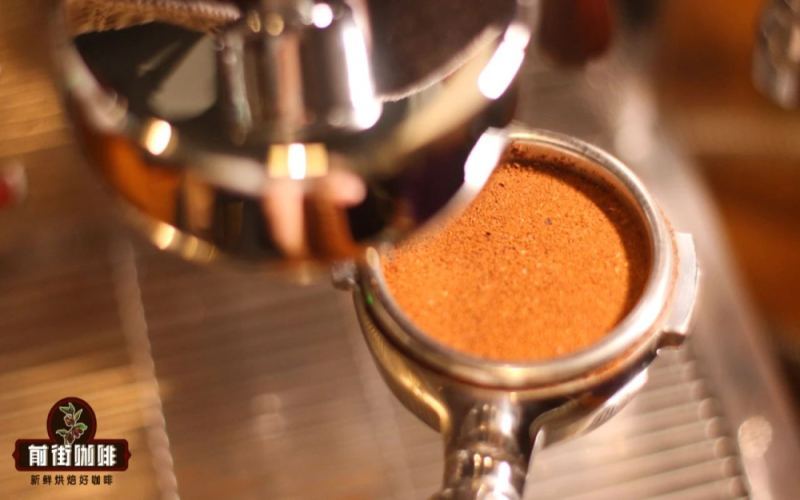
Practical Guide to Espresso Distribution and Tamping: Extraction Details to Avoid Channeling
To craft a proper espresso, distribution and tamping are two essential steps you can't avoid. Many coffee enthusiasts encounter problems during extraction such as sharp acidity, bitterness, and muddled layers—the root cause often lies in the evenness of the coffee puck's distribution. From the perspective of Front Street, this article systematically sorts out the purpose of distribution, common misconceptions, and improvement methods, and further explains the correct tamping posture and practice points. Whether you're a beginner who just got an espresso machine or a professional looking to improve shot consistency, you'll find actionable operational ideas to make every espresso extraction more controllable. [more…]

Seven Easily Overlooked Details in Espresso Extraction: Front Street Breaks Down the Key Operational Points One by One
Espresso can be extracted in just twenty to thirty seconds, but in this brief process, a single overlooked operational detail can significantly diminish the final flavor. From cleaning the portafilter basket and dealing with clumpy coffee grounds, to the evenness of distribution and tamping technique, and even the timing of locking in the portafilter and the habit of flushing the group head, every step can become a key variable affecting espresso quality. Front Street Coffee has compiled seven easily overlooked details in making espresso, analyzing their causes and effects on extraction results one by one, and offering specific improvement suggestions to help coffee enthusiasts consistently produce a delicious cup of Espresso at home or in a café. [more…]
How to Fix Frequent Espresso Spritzing? A Detailed Explanation of Channeling Causes and Five Avoidance Techniques
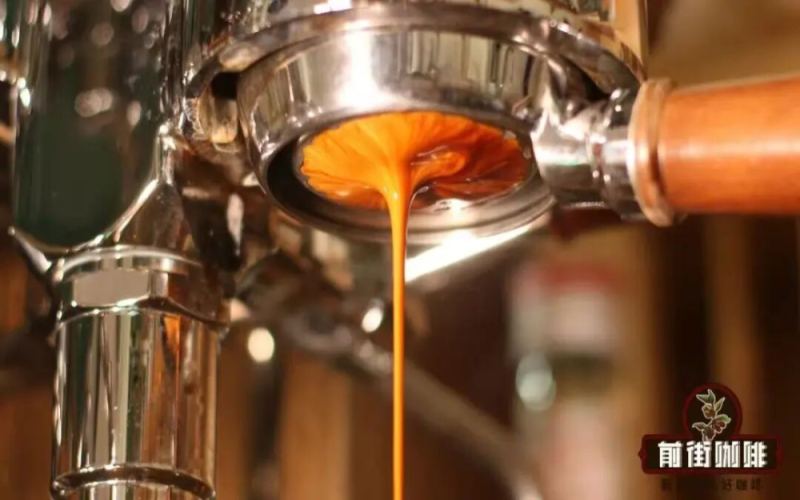
When using a bottomless portafilter to extract espresso, many enthusiasts notice that the coffee liquid occasionally sprays, which usually indicates channeling. Channeling refers to hot water preferentially passing through the areas of least resistance in the puck during extraction, causing over-extraction in some parts and under-extraction in others, ultimately producing a cup of coffee that is sharply acidic, bitter, and muddled. Although channeling cannot be completely eliminated, standardizing the operating procedure can greatly reduce the probability of it occurring. Starting from Front Street's practical experience, this article systematically analyzes the principles behind channeling and, focusing on five aspects—evenness of distribution, tamping pressure, portafilter locking, dose and grind size, and handling of clumped grounds—provides specific suggestions for improvement to help everyone extract a delicious espresso more consistently. [more…]
What Are the Sumatra Mandheling Coffee Varieties? A Complete Guide to Flavor and Origin from TimTim to Ateng
Arabica coffee beans produced on the island of Sumatra are collectively known as Mandheling coffee, but not every coffee on the island can claim this name. Mandheling is not a single variety, but a general term for Sumatran Arabica beans. The island mainly cultivates two varieties, TimTim and Ateng, and specialty Mandheling is mostly concentrated in the Gayo Mountain area of Aceh Province. Front Street Coffee's PWN Golden Mandheling is a prime example, undergoing strict screening and a medium-dark roast to present a rich flavor of nuts, caramel, and chocolate. This article will walk you through Mandheling's varietal origins, producing regions, grading standards, and brewing suggestions, helping you gain a more comprehensive understanding of this uniquely charactered coffee. [more…]
Ten easily overlooked details in pour-over coffee, Front Street breaks them down for you one by one
Many coffee enthusiasts, when brewing pour-over coffee, follow established parameters yet the final flavor often deviates from expectations—the problem usually lies in those easily overlooked operational details. Front Street Coffee has compiled ten points that beginners most often neglect, covering pre-grinding burr rinsing, filter paper fitting, tapping the dripper, checking before pouring, timing of water temperature confirmation, parameter execution, bloom saturation, focusing on the coffee bed rather than the scale, shaking for evenness, and correctly interpreting the shape of the spent coffee bed. These details may seem minor, but they directly affect extraction uniformity and the final taste. Mastering them will help you pinpoint the source of problems more quickly during troubleshooting, bringing every cup closer to the ideal state. [more…]
A Complete Guide to Blooming and Pouring in Pour-Over Coffee: Degassing Principles, Key Variables, and a Three-Pour Practice Method
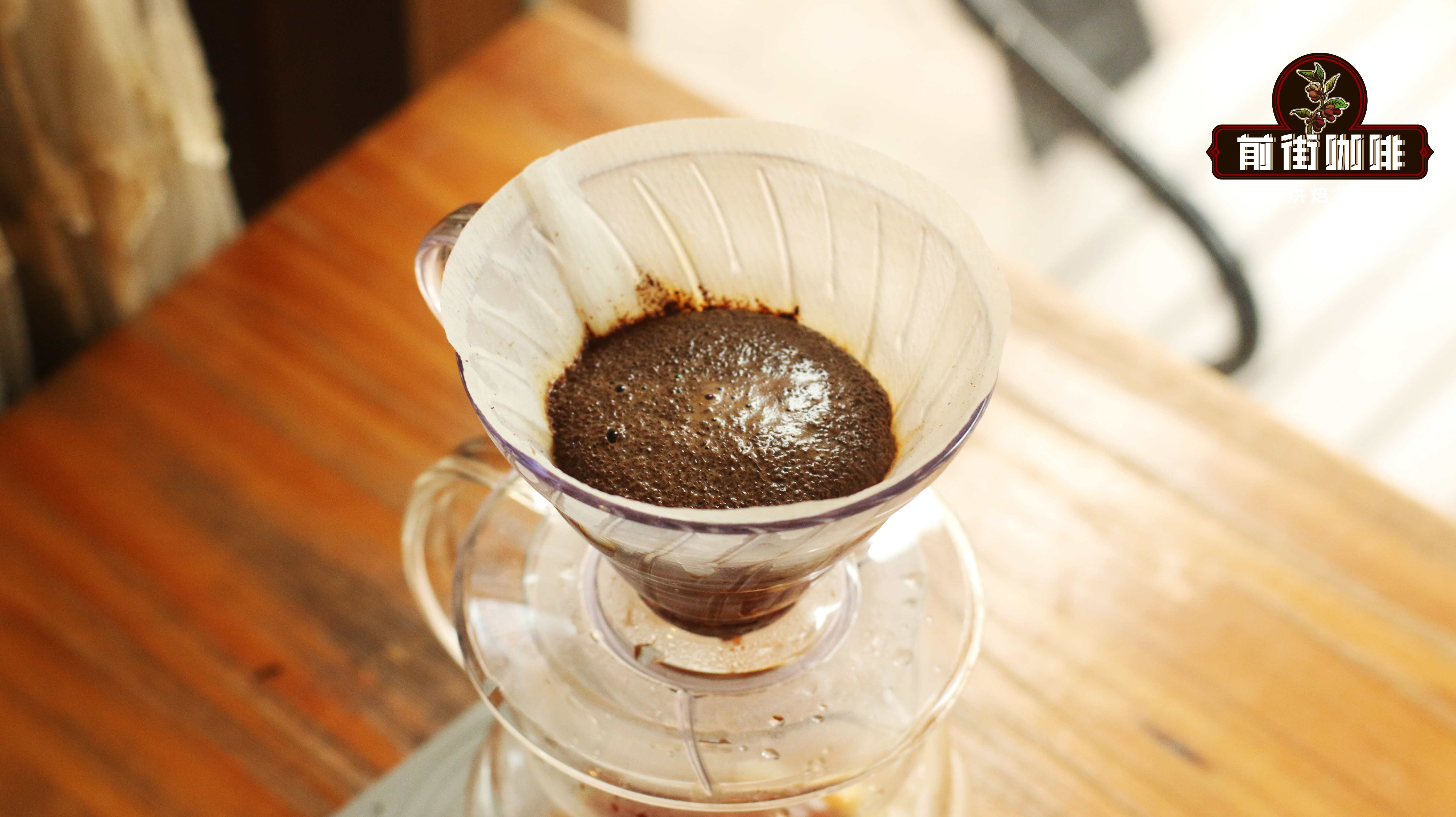
In pour-over coffee, blooming is an indispensable step, as it affects degassing, extraction evenness, and the assessment of bean freshness. Drawing on Front Street Coffee's practical experience, this article breaks down in detail the purpose of blooming and the factors that influence it, including storage time, roast level, water temperature, water volume, duration, and grind size, and explains the complete process of the "little hill" expanding and then collapsing during blooming. The article then provides the specific steps for three-pour brewing: a 30-second bloom followed by two subsequent pours, with the total extraction time controlled at 2 minutes. Finally, through comparative experiments, it analyzes the impact of the number of pours on extraction time and flavor, answering the common question of whether the three-pour method is optimal, and helping coffee enthusiasts build a clearer pour-over logic. [more…]
A Complete Analysis of Pour-Over Coffee Water Pouring: How Position, Path, Height, and Flow Rate Affect Extraction
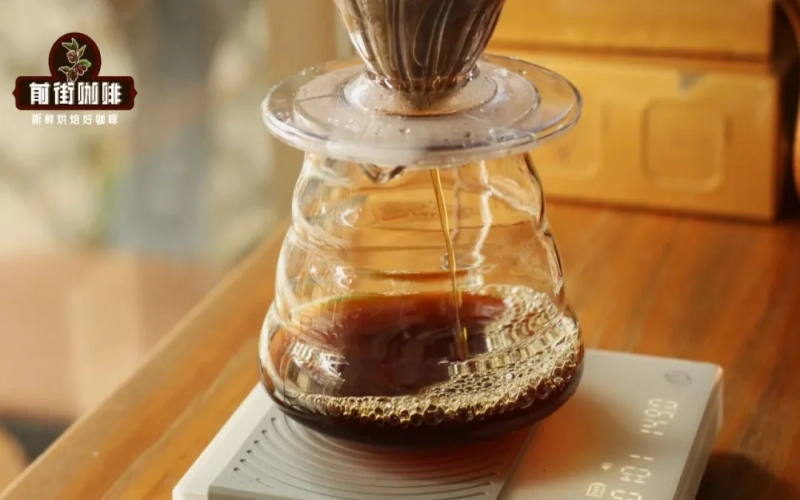
Many friends who are teaching themselves pour-over coffee at home often run into a problem: even when the parameters match those recommended by Front Street stores, the coffee they brew comes out inconsistent—sometimes good, sometimes bad. The reason is mostly that the water flow is not stable enough during pouring. The position, path, height, and size of the pour all directly affect the evenness of extraction and the flavor expression of the coffee. SCA experimental data shows that the higher the stability of the water flow, the higher the extraction evenness. Starting from the brewing practice with Front Street’s Little Tomato coffee beans, this article systematically analyzes how the four major elements of pouring affect extraction, and gives specific operational suggestions to help you consistently brew a delicious cup of pour-over coffee. [more…]
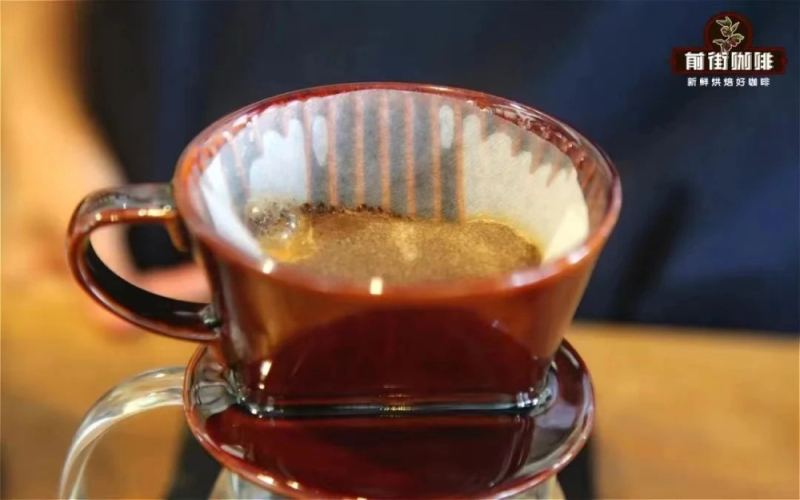
A Detailed Guide to Cake Dripper Brewing Techniques: Extraction Characteristics and Key Points for Using Flat-Bottom Pour-Over Drippers
In the world of pour-over coffee, even extraction has always been the core goal pursued by brewers. Whether choosing equipment or adjusting technique, everything ultimately revolves around giving each coffee particle a relatively consistent extraction. Front Street Coffee has discussed many times why conical drippers have become mainstream, and one key factor is the uniformity of pouring. Today, however, we introduce the cake dripper, a representative of flat-bottom drippers, which has a unique design logic for even extraction. What exactly are its differences from conical drippers? How do the bottom structure and rib design affect water flow? What usage characteristics does the way cake filters fit bring? This article, from Front Street's perspective, systematically analyzes the brewing characteristics of the cake dripper to help coffee enthusiasts gain a deeper understanding of this device's pros, cons, and suitable scenarios. [more…]
From Water Flow to Flavor: The Practical Impact of Different Pouring Strategies on Coffee Extraction Results
The pouring technique is an extremely critical variable in pour-over coffee extraction. The size of the water stream, the speed of the circular motion, and the rhythm of pouring all directly affect the release efficiency of soluble substances, thereby changing the final flavor direction. This article starts with several typical pouring styles—high-flow fast circling, low-flow steady pouring, and common mistakes in staged remediation—and analyzes the actual effects they bring during extraction. At the same time, specific operational suggestions are given for different roast levels: how medium-light roasts can highlight floral and fruity acidity through staged large-circle pouring, and how medium-dark roasts can use a coin-sized thin stream in circular motion to strengthen the nutty and chocolatey base notes. Through these analyses, the hope is to help enthusiasts control flavor expression more precisely in daily brewing. [more…]

SOE Before and After Dial-In: How Bean Age Rewrites Extraction Parameters
When coffee beans have just finished roasting, they are still continuously releasing carbon dioxide internally, and the aromatic compounds are also in a stage of re-stabilizing. If you make an SOE directly at this point, the espresso may have abundant foam, but not necessarily a clear sweetness. Home espresso machines can absolutely make SOE; the key is to treat bean age as one of the extraction conditions, so that the grind [more…]