







What coffee is made of and how latte art fits in
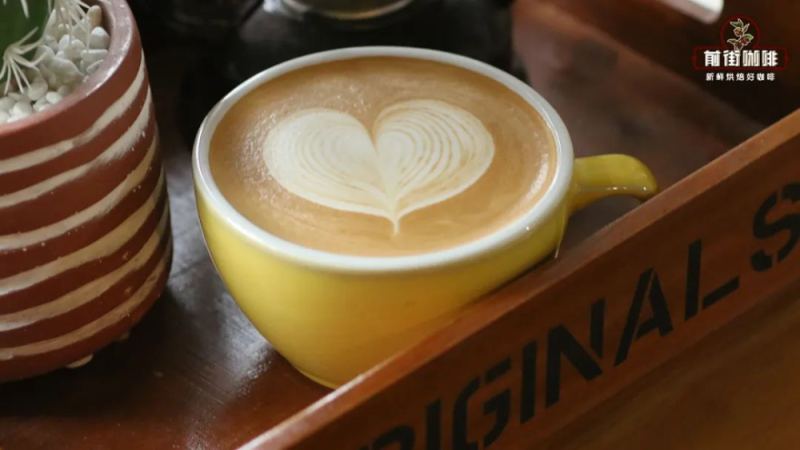
Latte art is the pattern a barista draws on espresso with steamed milk foam. Comparative tests found that when beans, milk, extraction, and ratios are all on point, latte art versus no latte art makes no noticeable difference to taste or mouthfeel. What changes is the first impression: a neat pattern raises expectations, while a messy one lowers the score even for an identical drink.
The reason comes down to what coffee is made of and how it is prepared. Flavor depends mainly on bean selection, milk quality, espresso extraction, and the ratio between them. Latte art does place higher demands on foam quality and evenness of integration, and complex patterns take more preparation time, so enthusiasts can weigh visual appeal against drinking experience rather than assuming the pattern itself adds flavor.
Latte art is the craft of a barista drawing patterns on the surface of espresso with steamed milk foam. Does it actually change the taste and mouthfeel of a latte? This article analyzes the question from three angles: visual psychology, crafting technique, and quality of integration. Through comparative experiments, Front Street Coffee found that when the coffee beans, milk, extraction, and ratios are all on point, latte art versus no latte art makes no noticeable difference to taste—but latte art places higher demands on milk foam quality and evenness of integration. The article also explores the balance between pattern complexity, preparation time, and drinking experience, helping enthusiasts view the relationship between latte art and flavor rationally.
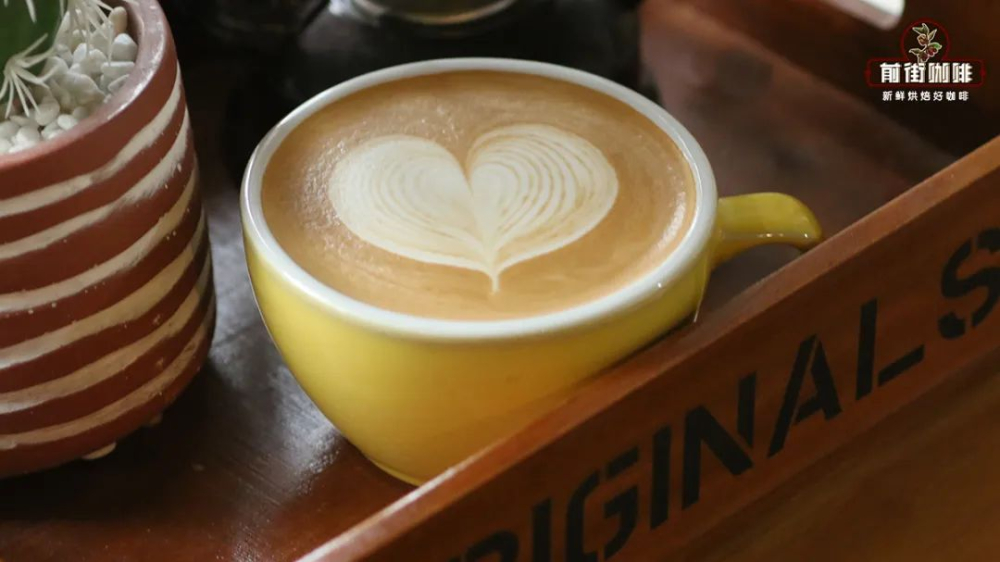
First, a brief explanation of what latte art is. So-called latte art is the process in which, while steamed milk foam at the proper consistency is being mixed with espresso, the barista uses technique to make the foam float on the surface of the liquid in an orderly way, thereby forming a certain pattern.
Latte art creates a better first impression
Human emotional mechanisms are quite complex. Judging whether a cup of coffee tastes good is not decided by taste and mouthfeel alone; visual perception often shapes the initial judgment. For example, some foods really do taste good, but if their appearance is not appealing, then without anyone recommending them, you will make a judgment based only on what you see at first glance. If it fails to spark your interest, you may miss out on something delicious.
Furthermore, first impressions can also interfere with your evaluation. For example, if a latte is served with a crooked, messy pattern, then even if it is completely identical in taste and mouthfeel to a latte with beautiful latte art, the score you give it in your mind will still be lower.
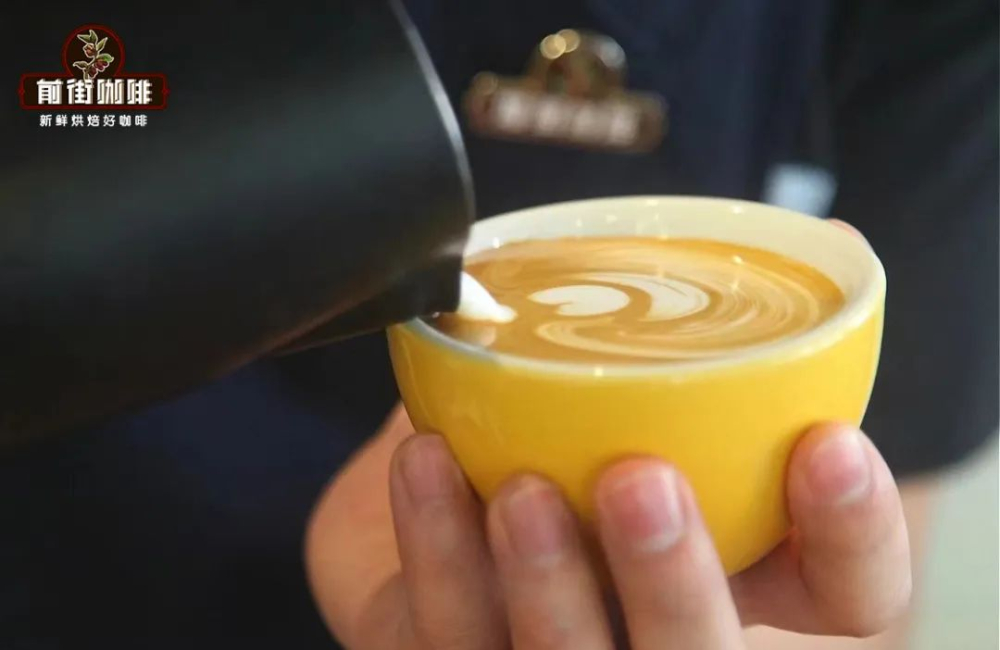
There is also another factor: in most people's eyes, latte art is one of a barista's professional skills, and the level of latte art can reflect a barista's professionalism. Those with good-looking patterns are usually considered to have solid technique, and the quality of their output is seen as more reliable.
The difference in taste and mouthfeel between latte art and no latte art
Whether a latte tastes good depends crucially on the selection of coffee beans and milk, the extraction quality of the espresso, the ratio of milk to coffee, the quality of the steamed milk foam, and the degree of integration. Front Street Coffee once conducted similar comparative tests, and under the condition that all the above factors were done well, latte art versus no latte art made no significant difference to the coffee's mouthfeel and taste.
However, having the latte art step places higher demands on milk foam quality and evenness of integration. This is because for a latte without latte art, you only need to pour the milk with foam into the coffee and integrate it until the cup is full; even integration is easier to achieve, and it takes less time.
By contrast, making latte art requires leaving a certain amount of cup space to present the pattern. For example, simple shapes are first integrated to seven-tenths full, while complex shapes are integrated to only four-tenths full. As a result, achieving even integration demands a higher level of skill from the barista.
In the lattes used in Front Street Coffee's tests, there was no obvious difference in mouthfeel or taste between latte art and no latte art, but the premise was that the latte-art cup also achieved even integration—with a clear boundary between white and brown on the surface, even distribution, and a ring of "golden ring" formed at the edge. This golden ring is the product of the integration of coffee crema and milk foam, while the white part is the result of milk foam floating on the surface. When we drink coffee, the milk foam that enters the mouth is actually the golden ring formed by the mixture of crema and milk foam, so it does not cause any very obvious difference in mouthfeel or taste.
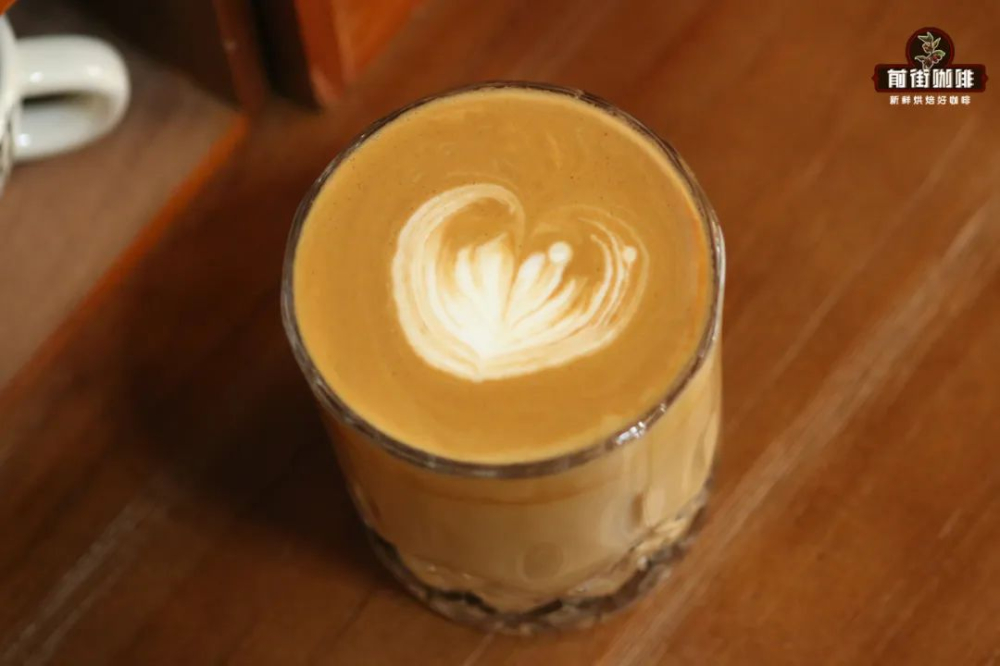
If the surface color varies in lightness and darkness and also shows gradient transition colors, that indicates the integration is not even enough, and at that point it will affect the latte's taste and mouthfeel. If, in order to create a beautiful and complex pattern, the preparation time is prolonged too much, that will likewise harm the taste and mouthfeel experience.
Therefore, without compromising the coffee's flavor and mouthfeel, appropriately making a cup of latte art that is simple and good-looking can make people feel happy, and the taste is enhanced along with it.
But if you sacrifice taste in pursuit of beautiful latte art, then the loss outweighs the gain.
The above content is compiled by CoffeeHunters, a coffee news website.


