







Search Results for: Experimental Processing Method
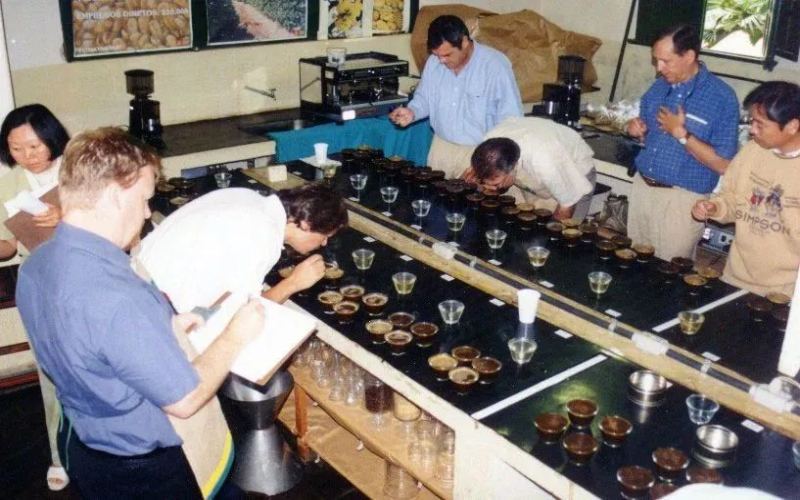
2023 Brazil Cup of Excellence Format Innovation: Three Processing Method Categories Reveal the Winners List
The 2023 Cup of Excellence (CoE) in Brazil underwent a major competition format change, for the first time dividing participating green beans into three categories: dry process, wet process, and experimental process, with awards evaluated separately for each. This change aims to respect different processing methods, encourage producer innovation, and promote fair competition. After pre-selection and multiple rounds of national and international judging, the lists of ten winning beans in each of the three groups have been announced, with a minimum score requirement of 87 points. Erwin Mierisch, Executive Director of the Alliance for Coffee Excellence, stated that the new classification both recognizes the value of traditional processing methods and responds to market demand for innovative processing methods. This article will outline the competition format details, the winning situation in each group, and explore the profound impact of this change on the specialty coffee industry. [more…]
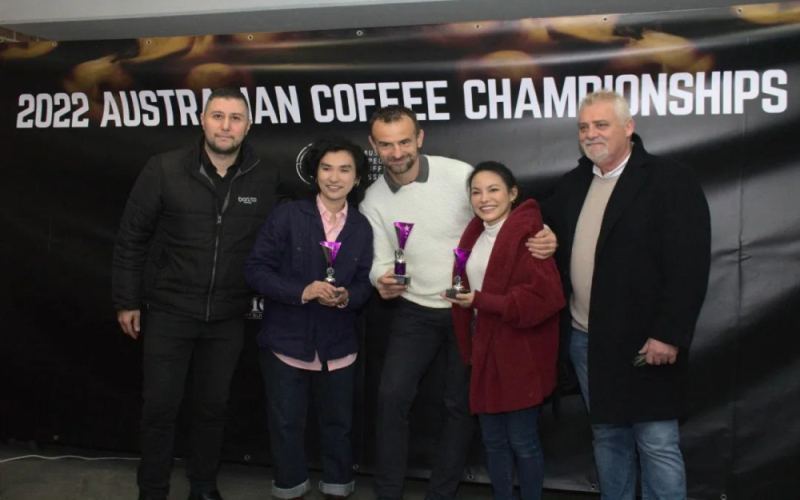
Sasa Sestic Returns to the Brewing Competition Arena: A Full Breakdown of the Ultra-Long Carbonic Maceration Geisha and the Ice-Stone Brewing Black Technology
2015 WBC Italian Champion Sasa Sestic returns to the competition stage after seven years. This time, he brings an experimental batch of Geisha from Iris Estate, a farm he created together with Jamison Savage, owner of Deborah Estate in Panama, to compete in the 2022 Australian Coffee Brewers Cup. This coffee professional, who has delved deeply into carbonic maceration for many years, chose to hold back in an era when anaerobic fermentation swept the competition scene, studying regional terroir and volatile compounds, and using his original Paragon brewing method and ice-stone aroma-locking technique to showcase the candy-like sweetness of an ultra-long macerated Green Tip Geisha. This article will provide a complete analysis of his brewing approach, staged pouring parameters, and flavor performance, with a recommendation from Front Street Coffee at the end. [more…]

Should Cold Brew Coffee Include a Bloom? Experimental Comparison and Principle Analysis of Cold Immersion vs. Hot Water Pre-infusion
Cold brew coffee has always been made by steeping at low temperatures throughout, but if you first bloom the coffee grounds with hot water before steeping, will the final product taste better? Front Street conducted a controlled experiment using Sidamo Huakui 8.0: aside from the water temperature treatment, the two pots of cold brew had completely identical parameters—one was mixed directly with room-temperature water and refrigerated, while the other was first bloomed with 92°C hot water for 30 seconds before room-temperature water was added. After 8 hours, filtering and tasting revealed that the two had similar flavor directions, but the bloomed version had a higher concentration. The article then explains that the real source of this difference is not the blooming action itself, but the hot water and parameter changes introduced to accomplish the blooming, and, combined with the principle of degassing during blooming in pour-over brewing, explains its applicability in the cold brew scenario. [more…]
What brand is Ninety Plus? Uncovering the 90+ coffee bean scoring standards, exclusive processing system, and Panama estate
In the world of specialty coffee, there is one name that is almost synonymous with "ultimate"—Ninety Plus, which we commonly call 90+. What makes it stand out to coffee professionals worldwide? The hard metric of scoring above 90 points in SCAA cupping is only the starting point; what is truly astonishing is its complete control from seed to cup: the exclusive Profile Processing production system, its own Gesha estate in Panama, and a unique system that uses flavor symbols instead of traditional processing method labels. This article gives you a systematic understanding of 90+'s brand core, grading logic, and flavor philosophy, along with practical brewing suggestions from Front Street Coffee for brewing 90+ Candor. [more…]

An In-Depth Analysis of the Grade Classification and Scarcity Characteristics of Panama Hacienda La Esmeralda Black Label Geisha Coffee Beans
In recent years, the popularity of Geisha in the specialty coffee world has continued to climb, and Hacienda La Esmeralda in Panama, as the core estate that propelled this variety to its peak, has always drawn close attention for its grading system. Besides the familiar Red Label, Green Label, and auction lots, a new grade called "Black Label" has quietly appeared on the market—not only is it expensive with extremely low production, but information about it is also rather mysterious. This article will systematically sort out the Geisha grading framework of Hacienda La Esmeralda and take a deep dive into the definition of Black Label Geisha, its source plots, degree of scarcity, and the experimental processing techniques involved behind it, helping coffee enthusiasts fully understand the true face of this brand-new grade. [more…]
Colombia Finca El Paraiso Coffee: Cauca Regional Terroir, Double Anaerobic Fermentation and COE Gold Record
Colombia is an important specialty coffee-producing country worldwide, and its coffee grading is based on bean screen size rather than altitude. The Cauca region, with its unique terroir of surrounding high mountains, ample sunlight, and a stable climate, nurtures a rich and balanced coffee flavor. Finca El Paraiso is located in Cauca Department and was founded by Diego Samuel in 2008. Starting from a small 2.5-hectare farm, it set the highest bid record in Colombian history at the COE auction through an experimental double anaerobic fermentation process. This article will guide you through the terroir conditions of the Cauca region, the development history of Finca El Paraiso, and its complex fermentation process, and introduce related batch products from the Front Street brand. [more…]
Panama Illeta and Coffee Bean Grades Explained: The Specialty Journey of the 90+ Geisha Estate
Where does the name of Panama's Eleta Coffee come from? How are Panama coffee beans graded? This article begins with the founding story of Ninety Plus (90+), taking you through how Joseph Brodsky accumulated experimental processing experience in Ethiopia and then established the 90+ Geisha estate in Panama in 2009. It also covers patented processing methods such as Red, Ruby, and Solkiln, as well as the flavor profiles of the LevelUp sub-label series, and includes a detailed profile of 90+ Geisha from Panama's Volcan region. Front Street Coffee will also recommend noteworthy beans for you in this article. [more…]
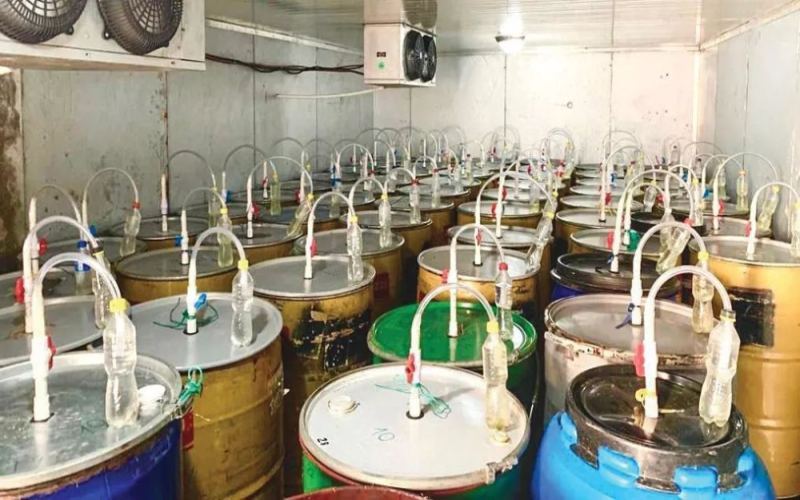
A Complete Guide to Anaerobic Fermentation Processing: The Differences Between Anaerobic Natural, Anaerobic Washed, and Double Anaerobic Methods
Anaerobic fermentation processing is a green bean processing technology that has attracted much attention in the coffee industry in recent years. Since Sasa Sestic, the 2015 WBC champion, brought it to the forefront, it has quickly swept through the specialty coffee world. Inspired by red wine-making techniques, this processing method injects carbon dioxide into a sealed container to expel oxygen, creating an oxygen-free environment that allows precise control of the fermentation process, giving coffee beans higher sweetness and more unique flavor layers. As processing technologies continue to evolve, experimental methods such as anaerobic natural, anaerobic washed, and double anaerobic have emerged one after another, each presenting distinctly different flavor expressions. This article will systematically sort out the principles and origins of anaerobic fermentation, and analyze one by one the process steps and flavor characteristics of these three common anaerobic processing methods, while also explaining them in conjunction with specific Front Street Coffee bean offerings. [more…]
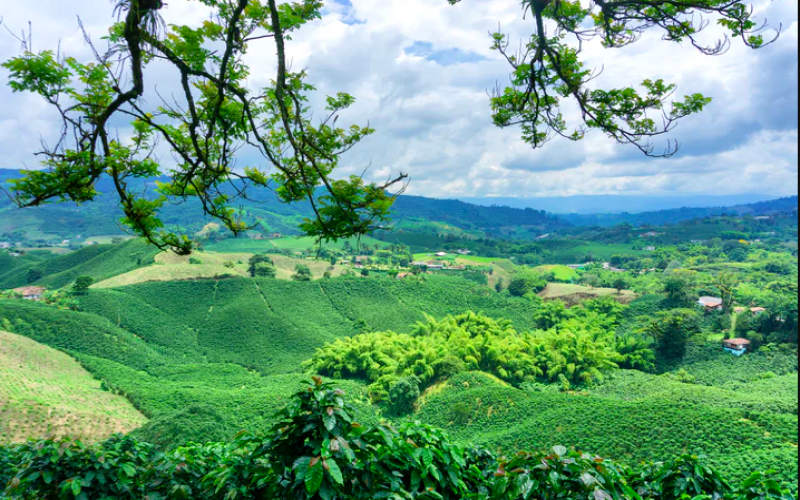
Complete Guide to Colombian Coffee: From Cultivation Origins to Washed Processing and Pour-Over Parameters
Colombia is not only the world's third-largest coffee-producing country, but also the largest exporter of washed Arabica coffee, with specialty-grade beans accounting for as much as forty percent of its exports. From Mariano Ospina Rodríguez establishing the first experimental plantation in the nineteenth century to the founding of the National Federation of Coffee Growers in 1927, Colombia's coffee industry has traveled a path from pioneering exploration to organized promotion. Front Street Coffee uses washed beans from Huila as its everyday representative, while also introducing the Sidra and Maragogipe from Finca El Diviso, showcasing the flavor differences between different varieties from the same estate under anaerobic natural processing. This article will provide a complete overview of the core knowledge of Colombian coffee, from its historical development and the principles of processing methods to specific pour-over recipes. [more…]
Panama Hacienda La Esmeralda Blue Label Geisha Pour-Over Flavor Analysis: Cima Yeast Washed Process and Estate Story
Panama's Hacienda La Esmeralda Geisha has long been the benchmark of the specialty coffee world, and this Blue Label washed Geisha stands out even more thanks to its Sima yeast fermentation. This article will walk you through everything about these beans: from the flavor layers of lavender, pomegranate, and ginger candy, to the growing conditions at Cañas Verdes farm and the experimental spirit of the Peterson family. We'll also explore whether it's good as a pour-over, along with Front Street Coffee's recommendations and brewing advice. Whether you're a Geisha enthusiast or interested in pour-over parameters, this article offers valuable reference. [more…]
Origins of Coffee Cultivation in Colombia and Analysis of the Sidra Variety: From Historical Evolution to Front Street Coffee's Hand-Brewed Flavor
Colombia is the world's third-largest coffee-producing country and the largest processor of washed Arabica, with specialty-grade beans accounting for 40% of its exports. From Don Mariano's establishment of the first experimental plantation in the 19th century, to the founding of the National Federation of Coffee Growers in 1927, and then to the emergence of the Sidra variety from specialty estates on the international stage, Colombian coffee has walked a path of specialization supported by smallholder farmers. In this article, Front Street Coffee provides a comprehensive overview of Colombian coffee, from its historical context and producing regions to the characteristics of the Sidra variety and the cultivation story of Finca La Divisa, along with Front Street's pour-over parameters and flavor description for Sidra coffee beans. [more…]
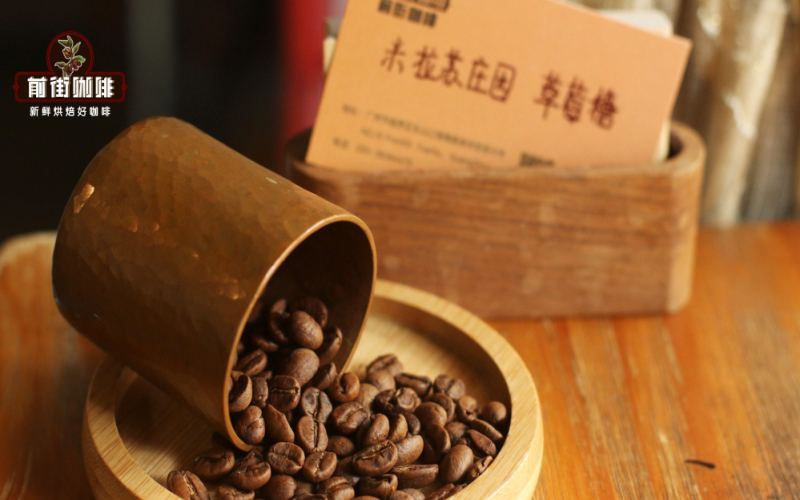
How to Choose Costa Rican Geisha? A Full Analysis of Front Street Strawberry Candy Coffee Beans' Flavor and the Miramar Estate
To taste the Geisha flavor of the Costa Rican region, Front Street Strawberry Candy coffee beans are a choice worth trying—this bean is a blend of Geisha with other varieties and can be purchased at Front Street's physical stores or Taobao shop. This article focuses on this Front Street Geisha blend single-origin coffee bean, first clarifying the definition of single-origin coffee, then taking a deeper look at Mirazu Estate in the Tarrazú region of Costa Rica: the estate owner Esteban Sanches's formal academic background and experimental spirit, the origins and characteristics of varieties such as Geisha, ET47, SL28, and Maico, as well as the processing details of the raisin honey method. The article also fully records Front Street's roasting curve recommendations, cupping process and report, along with V60 brewing parameters and the final flavor performance, taking you from origin to cup for a comprehensive understanding of this coffee with strawberry gummy candy notes. [more…]
Analysis of the Definition of Single-Origin Coffee Beans and a Brewing Log of Costa Rica Mirazu Estate Raisin Honey-Process Geisha Blend
How exactly are single-origin coffee beans defined? This article begins with Front Street Coffee's Geisha blend, sorting out the naming logic and origin awareness of single-origin coffee, and takes a deep dive into Mirazu Estate in the Tarrazú region of Costa Rica, analyzing the composition of its multi-variety blend of Geisha, ET47, SL28, and Maico, as well as the processing details of the raisin honey method. The estate owner Esteban Sanches's formal academic background and experimental spirit give this bean both floral notes and berry sweetness. The article also fully presents Front Street Coffee's roasting curve, cupping report, and V60 brewing parameters, providing coffee enthusiasts with a full-process reference from green bean understanding to extraction execution. [more…]
The Development History of Colombian Specialty Coffee and an Analysis of the Sidra Variety at Finca La Divisa in Huila
Colombia, as the world's third-largest coffee producer and the largest processor of washed Arabica, has a specialty-grade share of up to 40% in its coffee exports. From the establishment of the first experimental plantation by Don Mariano Ospina Rodríguez in the 19th century to the founding of the National Federation of Coffee Growers of Colombia in 1927, the Colombian coffee industry has undergone more than a century of development. In this article, Front Street will take you through this history, outline the characteristics of representative producing regions such as Huila and Cauca, and focus on Finca La Divisa in the Huila region and its Sidra variety—a coffee that has attracted much attention since being selected by Anthony Douglas, the 2022 World Barista Champion. What exactly makes it so uniquely charming? [more…]
Sumatra Wahana Estate Natural Mandheling: Rasuna Variety Flavor and Taste Analysis
In Sumatra, Indonesia, wet-hulling is almost synonymous with Mandheling, yet Wahana Estate's natural process breaks this convention. This coffee uses the Rasuna variety—a hybrid of Catimor and native Sumatran Typica—planted in the Sidikalang region west of Lake Toba, at an altitude of 1,300 to 1,500 meters, grown slowly under full shade. In November 2013, we first encountered this batch of naturally processed beans, which presented aromas of peach, watermelon, and citrus, along with a creamy, cocoa-like mellow texture, accompanied by floral notes and strawberry sweetness. This article will comprehensively analyze the charm of this unique natural-process Mandheling, from the estate's background, variety characteristics, and processing method to its cupping performance, and include Front Street Coffee's reasons for recommending it. [more…]
Colombian Huila Region Flor de Luna Coffee: A Complete Guide to Anaerobic Natural Processing and Pour-Over Flavor Profile
Front Street Coffee introduces the Colombia Huila region La Noche Buena coffee beans, produced using the anaerobic natural process, from the El Diviso estate, Caturra variety, at an altitude of 1,800 meters. This coffee is known for its flavors of strawberry jam, liqueur-filled chocolate, and fermented wine aroma. The article provides a comprehensive analysis of La Noche Buena's unique charm, from the terroir of the producing region, the estate's background, processing techniques, to the roasting curve and brewing parameters. Front Street Coffee has always been committed to sourcing coffee beans from different producing regions around the world, so that every enthusiast can find their desired flavor. If you favor rose floral notes, strawberry sweetness, and a cocoa finish, you might want to try this experimental La Noche Buena. [more…]
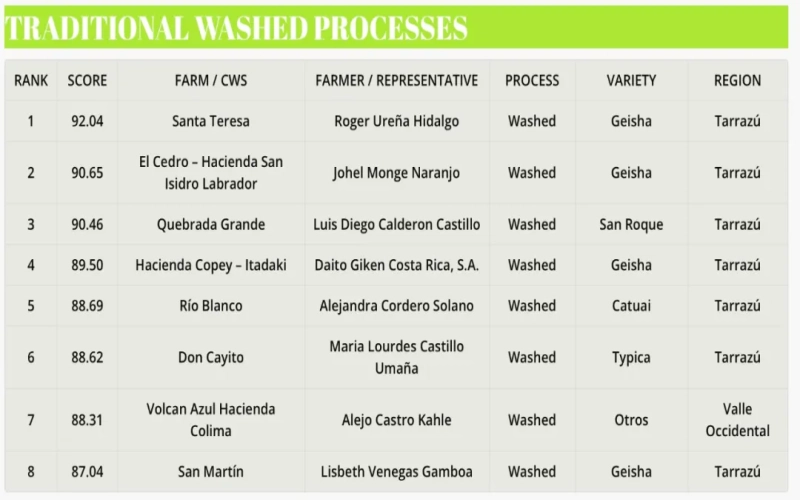
2024 Costa Rica COE Results Announced: The Rise of the San Roque Variety and a Full Flavor Analysis
The results of the 2024 Cup of Excellence (COE) in Costa Rica were recently officially announced, with the competition once again divided into three main categories by processing method: traditional washed, traditional honey and natural, and experimental processing. In this year's competition, Geisha remained the mainstay among entries, but classic varieties such as Typica and Catuai also appeared on the stage, while a rare variety that has frequently appeared on the COE list in recent years—San Roque—once again drew attention. Since its first appearance at the COE in 2018, this variety has gradually taken root in the Central Valley producing region and repeatedly achieved excellent results, thanks to its unique origins and outstanding cup flavor. This article will guide you through the discovery history of San Roque, its varietal characteristics, and its flavor performance in COE judging, while also including Front Street Coffee's recommendations and interpretation of this variety. [more…]

Is Coffee Bean Size Related to Flavor Intensity? Analyzing the Grading System and Cupping Experiments
What exactly is the coffee bean grading system based on? Does bean size directly determine flavor intensity? To answer these questions, Front Street Coffee specially selected Costa Rican Mozart beans for a cupping comparison experiment, sorting the same batch of beans into large, medium, and small sizes, then taking the largest and smallest two beans for a blind extraction test. The results showed that the two did indeed differ slightly in flavor, but the direction was unexpected—the small beans actually had a more prominent flavor than the large beans. However, this difference mainly came from the degree of roasting deviation caused by different particle sizes, rather than the bean size itself. What truly determines coffee flavor is genetics, growing environment, processing method, and roasting degree. This article will combine experimental data with industry theory to systematically sort out the logic of coffee bean grading and the real factors affecting flavor. [more…]
Hacienda La Esmeralda Is Not Just Geisha: The Origins, Grading, and Front Street Coffee's Sun-Dried Brewing Analysis of the Diamond Mountain Catuai Variety
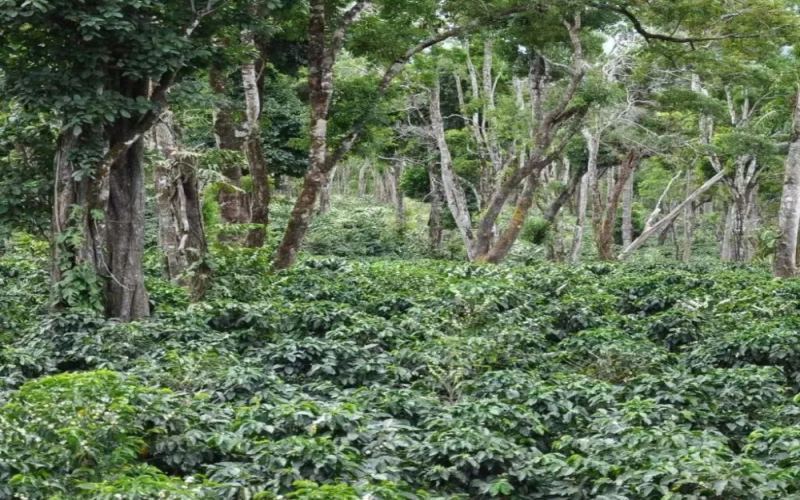
When people mention Hacienda La Esmeralda in Panama, most first think of Geisha. However, before Geisha swept the globe, Hacienda La Esmeralda, like other Central American estates, mainly grew Caturra and Catuai. Among these, Catuai is sold under the "Diamond Mountain" brand, selected from plots at 1,400–1,600 meters elevation on the Jaramillo and Cañas Verdes farms, primarily processed as washed and natural. This article will outline Hacienda La Esmeralda's variety layout, the grading systems for Geisha and Catuai, introduce the breeding background of Diamond Mountain Catuai and the terroir of the Boquete region, and include the brewing parameters and three-pour method for Front Street Coffee's Hacienda La Esmeralda Diamond Mountain traditional natural, helping coffee lovers understand the flavor profile of this high-value everyday drinking bean. [more…]
The Origins, Development, and Major Producing Regions of Colombian Coffee: A Comprehensive Interpretation from History to the Sidra Variety
As the world's third-largest coffee producer, Colombia is also the largest processor of washed Arabica, with 40% of its exported beans reaching specialty grade. Front Street Coffee regularly offers a range of Colombian beans in its stores, including Rose Valley, Flower Moon Night, Big Belly Button, Sidra, and Huila, all of which can be brewed by pour-over. This article begins with the nineteenth-century planting experiments, traces key milestones such as the founding of the FNC, introduces representative regions like Huila, Cauca, Nariño, and Santander, and focuses on analyzing the Sidra variety that has gained fame in recent years due to the World Barista Championship, as well as the cultivation story of Finca La Línea in the Huila region. Finally, it includes Front Street Coffee's pour-over parameters for Sidra coffee beans. [more…]